
How to Get Rid of the White Film on Your Tongue
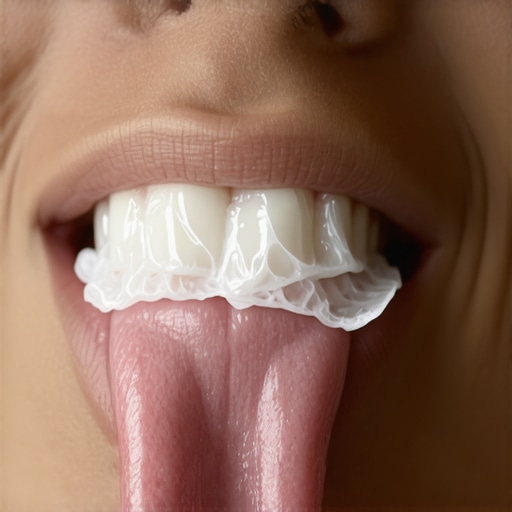
Ever been caught in front of the mirror, poking at your tongue, wondering why it looks like a dusty chalkboard? I’ve been there myself—feeling self-conscious about that stubborn white film that just won’t go away, even after brushing and rinsing. It’s like a little reminder that something isn’t quite right, and honestly, it can be pretty frustrating. One moment, you’re confidently smiling in photos; the next, you’re hiding behind your hand, worried about that uninvited coating.
Why That White Film Can Feel Like a Mystery
For years, I brushed it off as just a temporary thing—maybe leftover food or dehydration. But then I realized how persistent it was, and I started digging into what causes this stubborn layer on the tongue. Turns out, that white coating isn’t just an aesthetic annoyance; it can be a sign of underlying issues like bacteria buildup, poor oral hygiene, or even health conditions that need attention. And I’ll admit, I made the mistake of ignoring it early on, thinking it would just clear up on its own. Spoiler: it didn’t.
Is the White Film Actually Worth the Hype?
This concern isn’t just about looks. According to dental health experts, the coating can harbor bacteria, leading to bad breath and other oral health problems (source: Smile Gum Care). The good news? There are simple, effective ways to combat it. If you’ve tried countless mouthwashes or scrubbing your tongue raw but still see that film, you’re not alone—and there’s a reason.
Have you noticed this white layer? Do you ever feel like no matter what you do, it just sticks around? Trust me, I’ve been there, and I found that understanding the root causes was the first step toward getting rid of it permanently. So, let’s delve into why this happens and what you can do about it, starting right now. Ready to uncover the truth and finally tackle that pesky coating? Keep reading, because a healthier, brighter smile is within your reach.
Start with Consistent Oral Hygiene Rituals
My first attempt was waking up early to brush my tongue specifically, not just my teeth. Use a soft-bristled toothbrush or a tongue scraper to gently remove the coating—think of it like exfoliating dead skin, but for your tongue. Be thorough but gentle; scraping too hard can cause irritation. This step is vital because it physically dislodges bacteria and debris responsible for the white film, making it easier to maintain a clean surface throughout the day.
Incorporate Antimicrobial Mouthwash into Your Routine
After cleaning my tongue, I swished with an antimicrobial rinse. Choose a product with cetylpyridinium chloride or essential oils, which target bacteria colonies. Swish for 30 seconds, ensuring the liquid reaches all areas of your mouth, including the back of your tongue. This not only reduces bacteria but also helps keep the coating at bay longer, like laying down a protective barrier. Remember, regular use enhances your body’s natural defenses against bacterial buildup.
Stay Hydrated and Mouth-Friendly
One day, I noticed that sipping water frequently helped wash away buildup and prevented dehydration, which often worsens coating. Drinking water stimulates saliva production—your mouth’s natural cleanser—helping to flush out residual bacteria and food particles. Avoid sugary or caffeinated drinks, as they can dry out your mouth and worsen the problem, similar to how a dusty environment accelerates dirt accumulation on surfaces.
Adjust Your Diet for Oral Health
I started adding crunchy vegetables like carrots and celery to my meals. These act as natural abrasives, physically cleaning the tongue and teeth as you chew, akin to scrubbing a stubborn stain with a brush. Avoid excessive dairy and processed foods, which can promote bacterial growth. By feeding your body and mouth with healthy, fibrous foods, you empower your natural defenses, making it easier to keep the coating away.
Seek Professional Advice for Persistent Cases
When my at-home efforts weren’t enough after a few weeks, I scheduled a consultation. Dental professionals can identify underlying causes such as fungal infections or health conditions that may be contributing. They might recommend specific treatments or therapies—think of it as calling in a specialist to tackle a stubborn stain that DIY methods can’t remove. Visiting your dentist is a crucial step if the white coating persists despite diligent care, ensuring you address root causes rather than just symptoms.
Maintain Good Overall Health
Recognizing the connection between overall health and oral condition, I improved my diet, exercised regularly, and managed stress. These habits boost your immune system, helping your body fight off bacteria that cause tongue coating. Think of your body as a well-maintained garden: the healthier it is, the less room bacteria have to thrive. Keep this holistic approach in mind to sustain long-term oral health and a vibrant smile.
While many believe they understand the basics of family dentistry, teeth whitening, Invisalign, and veneers, there are nuanced misconceptions that can lead to costly mistakes. For example, the popular notion that all whitening treatments are equally effective is a myth; in reality, professional in-office whitening often yields faster, more uniform results than over-the-counter options, as highlighted in recent dental research (source: Smile Gum Care). Moreover, a common trap is assuming that Invisalign treatment is only for minor misalignments. In fact, with advancements in aligner technology, even complex cases can be discreetly corrected, but only when a specialist tailor-fits the approach—learn more about these breakthroughs here. A significant misconception about veneers is that they’re solely for surface appearance; however, modern porcelain veneers can also strengthen compromised teeth when applied correctly, provided you choose an experienced dentist. Don’t fall into the trap of thinking that veneers are purely cosmetic; the technique’s nuanced application can make all the difference in durability and aesthetics. One advanced point often overlooked is the limitation of DIY treatments. Trying to DIY whitening, veneers, or aligners without professional guidance can result in uneven color, damage to enamel, or misaligned teeth. A recent study by the American Dental Association emphasizes the importance of consulting a professional for cosmetic procedures to avoid irreversible mistakes (Family Dentistry Guide).
Maintaining the results of your family dentistry, teeth whitening, Invisalign, or veneers requires more than just initial procedures. The right tools and habits can ensure your smile stays radiant and healthy over the years. A key part of this ongoing care involves selecting equipment that suits your specific needs and understanding the best practices for long-term maintenance.
Invest in a High-Quality Electric Toothbrush
For daily brushing, I personally recommend using a sonic toothbrush like the Oral-B Genius X. Its oscillating and pulsating brush heads provide superior plaque removal compared to manual brushes, especially around veneers and orthodontic appliances. The built-in timers ensure you brush adequately, preventing overlooked areas that can harbor bacteria and cause staining or decay. Over time, consistent use of a good electric toothbrush can significantly reduce the risk of gum disease and keep your whitening results looking fresh.
Use a Water Flosser for Deep Cleaning
Regular flossing is essential, but a water flosser, such as the Waterpik Water Flosser, reaches areas traditional floss might miss. I incorporate mine into my routine because it effectively clears debris around braces, veneers, and between teeth, especially in tight spaces. Its pulsating streams not only remove plaque but also stimulate gum health, which is crucial for preserving restorative work. Regular use of a water flosser can prevent gum inflammation that might threaten your veneers or Invisalign trays.
Implement a Gentle, Antimicrobial Rinse
Following brushing and flossing, I recommend a rinse with an antimicrobial product like TheraBreath Fresh Breath Oral Rinse. It targets bacteria that cause bad breath and plaque buildup, supporting your routine maintenance. This step is particularly beneficial for those with appliances or veneers that can trap bacteria, as it helps maintain a healthy oral environment and extends the aesthetic lifespan of your dental work.
Schedule Routine Professional Cleanings
Even with a rigorous at-home routine, professional cleanings are irreplaceable. Scheduling visits every six months at your family dentist helps remove tartar and monitor your restorations for any early signs of wear or damage. During these visits, your dentist can also perform tailored advice—like polishing veneers or adjusting Invisalign trays—to ensure your results last longer. Think of this as a tune-up for your smile, prolonging the effectiveness of your initial treatment.
Predicting Future Trends in Dental Maintenance
Looking ahead, advancements like AI-powered dental monitoring apps could revolutionize how we care for our smiles. These tools will allow real-time tracking of oral health, reminding you of routine care and even detecting early signs of issues. Incorporating such technology can make maintenance more proactive and personalized, leading to even better long-term results.
If you’re ready to elevate your maintenance game, I suggest starting with a quality electric toothbrush and incorporating a water flosser into your daily routine. Try these tips today, and your future self will thank you for the investment in your smile’s longevity. For personalized advice or to explore advanced options like veneer upkeep or Invisalign maintenance, don’t hesitate to contact us.
The Hardest Lesson I Learned About Smile Makeovers
One of the most eye-opening realizations was that achieving a perfect smile isn’t just about aesthetic improvements. It’s about understanding the longevity of your results and the importance of maintenance routines that go beyond initial treatments. Embracing a comprehensive care approach, including professional check-ins and personalized tools, has been a game-changer for me.
How I Discovered the Power of Proactive Dental Care
By integrating advanced tools like ultrasonic toothbrushes and water flossers into my daily routine, I learned that prevention truly beats cure. Regularly scheduling assessments at trusted clinics and staying informed through expert resources ensures that my family’s smiles remain both beautiful and healthy for years to come. Knowledge is power, especially when it comes to long-term dental health.
The Impact of Mindset on Dental Transformation
Maintaining confidence during and after cosmetic procedures requires patience and a proactive attitude. I realized that consistent habits, coupled with trusting professionals, foster resilience and pride in your smile journey. It’s a reminder that embracing ongoing self-care can transform not just your look but your entire outlook on health and self-esteem.
The Indispensable Role of Continuous Learning in Dental Excellence
Staying updated with breakthroughs in family dentistry, veneers, and Invisalign practices—by following reliable sources like Top Teeth Whitening Strategies—has empowered me to make informed choices. This commitment to education ensures that every smile I nurture is rooted in the latest, safest techniques, making the journey smoother and more satisfying.
Roadmap: What Comes Next in Your Dental Adventure
Embracing innovations such as AI-driven monitoring apps and personalized care plans will be essential for staying ahead in dental wellness. Whether you’re considering veneers, whitening, or Invisalign, anchoring yourself with trusted tools and expert guidance lays the foundation for a lifetime of confident smiles. Remember, your future self will thank you for the steps you take today.