
The Secret to Getting Red Wine Stains Off Your Teeth
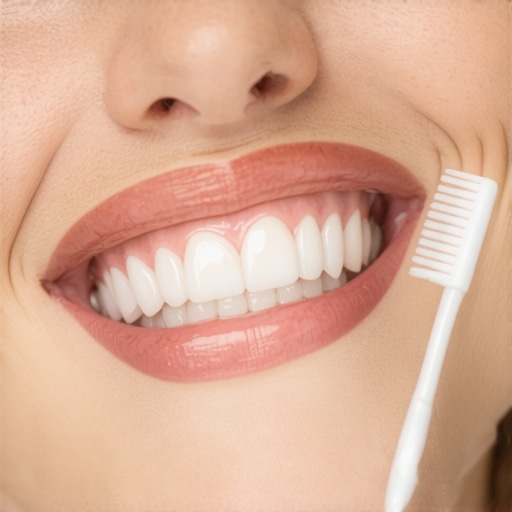
Have you ever taken a sip of red wine at a dinner party, only to glance in the mirror afterward and notice those stubborn stains lingering on your teeth? I remember my own lightbulb moment vividly. It was after a lively celebration when I caught my reflection and realized my smile was less sparkling than I’d hoped. That sinking feeling? It hit me hard. We spend so much time whitening our teeth or perfecting our smile with veneers or Invisalign, only for a splash of merlot to undo all that effort in seconds.
But here’s the truth: red wine stains on teeth are not the end of the world. In fact, they’re a common frustration many of us face and, more importantly, something we can manage with the right knowledge. Today, I’ll share the proven secrets I’ve gathered through personal experience—and from trusted dental professionals—so you can enjoy your favorite wine without the fear of stained teeth.
Why Red Wine Stains Actually Stick Around
Red wine contains chromogens—pigments that cling stubbornly to tooth enamel—and tannins, which help those pigments bind even tighter. That’s what makes the stain so persistent. Many people mistakenly believe whitening products alone will do the trick, but the real challenge is preventing those compounds from settling deep into the microscopic cracks and textures of your teeth. Trust me, I’ve been there—trying every over-the-counter solution, only to see the stains come back after a few drinks.
One mistake I made early on was overdoing whitening treatments without addressing the root cause—so I’d end up with sensitive teeth or uneven results. It’s a mistake many make because of false promises in the market. For credible advice, I turned to expert tips and found that a combination of preventive measures and targeted whitening is the way to go. If you’re tired of hiding your smile after a glass of wine, keep reading—I’ll walk you through everything you need to know. Want to explore more options? Consider learning about professional treatments like top teeth whitening strategies that really deliver long-term results.
Have you faced this exact problem with staining? You’re not alone, and there’s hope ahead.
Understanding what causes these stains and how to fight them can transform your confidence. So, ready to dive into the practical steps? Let’s get started with proven techniques to keep your smile bright, even after that favorite glass of red.
.
Actively Rinse and Swish After Your Drink
Right after sipping red wine, take a few seconds to rinse your mouth with plain water. This simple step dilutes the chromogens and tannins—those pesky pigments that cause stains—and helps wash them away before they settle into your enamel. I recall a night when I kept a small bottle of water nearby; after every glass, I swished vigorously for 30 seconds. The next morning, my teeth looked noticeably less stained, even after multiple wine nights. Think of it as washing your hands immediately to prevent dirt from setting in.
Incorporate a Targeted Tooth Brushing Routine
Use a soft-bristled toothbrush and a whitening toothpaste containing mild abrasives designed for gentle cleaning. Brush your teeth gently for at least two minutes, focusing on all surfaces—especially the front teeth where stains are most visible. Personally, I found that brushing immediately after the wine isn’t always ideal, as enamel can be temporarily softened; instead, wait about 30 minutes. This delay prevents enamel erosion while still removing superficial pigment debris. Regular brushing routines act like a shield, preventing pigments from embedding too deeply. For comprehensive guidance, you might explore teeth whitening secrets.
Use a Straw to Minimize Contact with Teeth
When enjoying red wine, opt for a straw—this tiny change can dramatically reduce the liquid’s contact with your enamel. The straw directs the wine to the back of your mouth, decreasing exposure to front teeth where stains are more visible. I remember trying this during a dinner party; I cut my wine intake slightly, but my teeth stayed whiter over time. Think of it as pouring a spill away from a delicate fabric—less contact equals less stain.
Apply Whitening Products Mindfully
Over-the-counter whitening strips or gels can be effective, but they demand careful application. Avoid overusing these products—excessive application can cause sensitivity. A reliable approach is to use a whitening pen or strips before a night out, but only as directed. I once attempted to bleach my teeth all at once, resulting in uneven whiteness and sensitivity. Always follow instructions, and consider consulting your dentist for professional options, which provide stronger, longer-lasting results. For professional treatments, check out top teeth whitening strategies.
Implement Periodic Professional Cleanings
Visiting your dentist regularly—every six months—keeps stains in check and maintains oral health. During these visits, a professional cleaning removes plaque and surface stains that common brushing can miss, giving your teeth a fresh, bright look. I had to learn this lesson the hard way when I neglected routine cleanings, and my teeth accumulated stubborn stains that home remedies couldn’t tackle. Think of professional cleanings as a spa day for your teeth—refreshing and effective at stain removal. To ensure comprehensive care, consider exploring family dentistry tips.
Adjust Lifestyle for Long-Term Brightness
Alongside these steps, avoid habits that worsen staining—like smoking or excessive coffee intake—and adopt a diet rich in crunchy fruits and vegetables that naturally clean teeth. I recall substituting a caramel snack with crisp apple slices; not only did my teeth feel cleaner, but I also experienced fewer stains. Think of your diet as a natural toothbrush—reducing stain buildup over time. Maintaining good oral hygiene and lifestyle choices helps keep your smile consistently bright, reducing reliance on whitening treatments. For more personalized advice, consider consulting your dentist or exploring veneers and other cosmetic options.Many people assume that teeth whitening alone can fix all stain issues or that veneers are a quick fix for any dental imperfection. However, these are often oversimplifications that lead to unmet expectations and potential pitfalls. For instance, some believe that professional whitening solutions are a permanent fix, but without addressing underlying factors like enamel health or lifestyle habits, stains can quickly return. Additionally, many overlook the advanced nuances when choosing between veneers and crowns, such as the long-term implications of each option—something thoroughly discussed in our comprehensive guide to veneers. When it comes to Invisalign, a common myth is that aligners are purely cosmetic; in reality, they influence the alignment of your entire bite and can impact speech, jaw health, and long-term dental stability if not monitored properly. A critical mistake many make is choosing DIY teeth whitening kits or online treatments without professional consultation, risking sensitivity, uneven results, or damage. This ‘oops’ can be costly in both time and money, emphasizing the importance of expert guidance. An advanced question for those familiar with dental aesthetics: “How do the microstructural variations in enamel influence the success of whitening and veneer bonding processes?” According to a study from the Journal of Esthetic and Restorative Dentistry, understanding enamel chemistry and structure is crucial to optimizing bonding strength and whitening effectiveness, especially in patients with prior restorations or aging enamel. If you’re considering enhancing your smile, it’s vital to recognize that personalized, professionally guided care yields the best long-term results. Have you ever fallen into this trap? Let me know in the comments, and explore our invisible orthodontics insights and other expert resources to make informed decisions.
Invest in Professional-Grade Dental Tools for Maintenance
Personally, I rely on a high-quality electric toothbrush like the Philips Sonicare DiamondClean to ensure thorough plaque removal and stain prevention. Its sonic vibrations help dislodge debris and surface stains better than manual brushing, especially when combined with a whitening toothpaste. I also use a water flosser such as the Waterpik Aquarius to reach those tricky areas between teeth and beneath veneers, maintaining gum health and preventing stain buildup. These tools are a game-changer in my daily routine, making regular maintenance less of a chore and more of a safeguard for my smile.
Personalized Whitening Solutions and Routine Checks
For touch-up whitening, I prefer a professional whitening pen like AuraGlow after meals or drinks that threaten stain buildup. It’s compact, easy to carry, and delivers targeted bleaching precisely where needed. Additionally, scheduling quarterly dental check-ups allows for early detection of stain recurrence or structural issues with veneers and aligners. During these visits, my dentist performs polishing treatments that extend the life of my whitened teeth and detect any demineralization early. Regular professional care is crucial, especially if you’ve invested in veneers or Invisalign, which are long-term commitments requiring upkeep to prevent discoloration and maintain alignment.
Embrace Digital Monitoring and Apps for Results Tracking
I’ve found that tracking my oral hygiene progress with apps like Dental Monitoring helps me stay accountable. These apps sync with my dental provider, giving real-time feedback and reminders for proper brushing and flossing techniques. They also assist in monitoring the longevity of my whitening results and alignment over time, helping me make informed decisions about maintenance routines. As technology evolves, I predict a future where personalized dental AI assistants will analyze your oral health data continuously, recommend specific tools, and even schedule maintenance tasks automatically. This integration promises unprecedented convenience and effectiveness for long-term smile preservation.
Which Equipment Will Last and Why It Matters
Choosing durable, scientifically backed equipment is essential. For instance, my dentist recommended the Sonicare’s brush heads with diamond-shaped bristles—designed for better plaque removal and enamel safety—for daily maintenance. Similarly, investing in a professional-grade whitening kit like Zoom Plus ensures consistent, safe results without damaging sensitive teeth or gums. Remember, robust tools not only enhance your daily routine but also extend the lifespan of cosmetic procedures like veneers and aligners. To explore options tailored for your needs, consult your dental specialist or visit trusted resource guides.
Future Trends in Dental Maintenance
As research advances, expect to see more smart tools that integrate with your smartphone, offering real-time feedback on brushing and flossing efficacy. Wearable dental sensors might someday alert you to early signs of enamel wear or decay, prompting timely interventions. Evidence from studies like those published by the Journal of Esthetic and Restorative Dentistry suggests that microstructural enamel analysis will become integral to personalized whitening and bonding strategies. To stay ahead, consider trying high-tech tools like the Philips Sonicare with AI feedback features—it’s a glimpse into the future of proactive dental care.
Have you figured out how to maintain your smile over time? Or are you ready to upgrade your routine?
Don’t wait for stains or dental issues to appear; start integrating these advanced tools today to protect your investment in your smile. For tailored guidance, schedule a consultation with your dentist through our contact page. Remember, consistent maintenance with the right equipment ensures your teeth stay as radiant and healthy as when you first achieved your perfect smile. Ready to take a step further? Try incorporating a water flosser and a professional whitening pen into your daily routine—you might be surprised at the long-term benefits!
Lessons That Changed My Approach to Bright Smiles
One of the most eye-opening lessons I learned was that no amount of whitening treatments can substitute for proactive habits. I once relied solely on whitening strips, but neglecting preventive steps led to quick re-staining after social nights. Now, I realize consistency in routine and mindful choices are irreplaceable. Another insight was the power of small tools—like using a straw—making a noticeable difference in keeping my teeth stain-free. Lastly, I discovered that regular professional cleanings are vital; home remedies can help, but they aren’t substitutes for expert care that targets deep-set stains and maintains enamel health.
Tools That Keep My Smile Radiant
My go-to resources include a reputable electric toothbrush like the Philips Sonicare Diamond Clean, which ensures thorough and gentle cleaning. I also swear by a professional whitening pen, such as AuraGlow, for quick touch-ups before evening outs. To stay on top of my oral health, I schedule regular cleanings and use a water flosser, which helps maintain gum health and remove residual stains. For those seeking reliable guidance, I recommend exploring top teeth whitening strategies and consulting with your dentist to craft a routine tailored just for your smile.
Keep Smiling: Your Journey Starts Now
Your teeth deserve attention and care that lasts a lifetime. With the right habits, tools, and professional support, you can enjoy red wine and other favorites without compromising your smile’s brilliance. Remember, every step towards mindful dental care is a step towards confidence and happiness. Embrace the process, and let your radiant smile tell your story to the world.
What have been your biggest challenges in maintaining a bright smile after enjoying your favorite wines? Share your experiences below—I’d love to hear them!