
The Best Routine for Keeping Your Dental Implants Clean
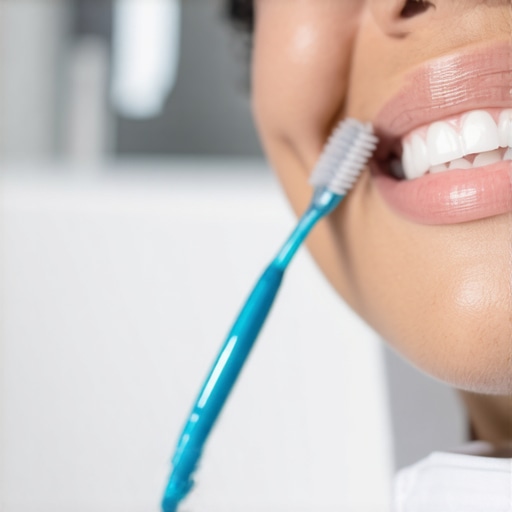
I’ll never forget the moment I realized my dental implants weren’t as carefree as I thought. After a busy week filled with coffee and quick bites, I looked in the mirror and noticed my gum line looked slightly irritated, and I wondered, “Am I doing enough to keep my implants clean?” It was a lightbulb moment that frankly caught me off guard. For years, I believed my dental implants would be maintenance-free, but I quickly learned that proper care is essential to keep them healthy and my smile shining bright.
The Never-Ending Battle Against Plaque and Bacteria
Taking care of dental implants isn’t just about avoiding unpleasant surprises; it’s about preserving the investment in your smile and overall health. Trust me, the routine you follow can make or break your implant success. I promise to share tried-and-true strategies that have helped me avoid complications and keep my smile at its best.
The Biggest Skepticism: Is Flossing Really Necessary with Implants?
Early on, I thought, “Since I don’t have natural teeth anymore, do I really need to bother with flossing?” Turns out, neglecting the area around implants can lead to peri-implantitis, an infection that jeopardizes your investment. I used to skip it, thinking, “It’s just a bit of food,” but I quickly learned how damaging that oversight could be. A simple, consistent routine has made all the difference. Want to learn how I turned my routine around? Keep reading, and I’ll guide you through easy, effective habits that work for real lives.
According to a study by the National Institutes of Health, proper oral hygiene prevents the majority of implant failures. That’s a solid reason to get serious about your cleaning routine. Now, let’s dive into how to develop one that’s manageable and effective—no it’s not about spending hours in the mirror, I swear.
So, if you’ve faced the frustration of lingering plaque or worried about damage, you’re not alone. Together, we’ll explore a routine that ensures your dental implants stay healthy and your smile stays radiant. Ready to make the change? Let’s go!
.
Establish a Consistent Cleaning Routine
Start by brushing your implants at least twice daily using a soft-bristled toothbrush and non-abrasive toothpaste. I remember the first time I committed to this—initially messy, with foam everywhere! But within a week, I noticed my gums felt less irritated, and plaque buildup reduced. Consistency beats intensity here; making it part of your morning and evening routine ensures it becomes second nature. For added protection, consider an electric toothbrush designed for implants, which can remove plaque more effectively than manual brushing.
Incorporate Flossing the Right Way
Many skeptics doubt flossing’s importance with implants, but neglecting it can lead to peri-implantitis. I used to skip this step until I learned that flossing dislodges food particles trapped between teeth and implants. Use implant-specific dental floss or interdental brushes to navigate around the implant abutments without damaging them. I remember fumbling my first attempts, losing grip and splattering toothpaste, but persistence paid off—now my gums are healthier, and I avoid costly complications.
Use Adjunct Tools for Precision
Interdental brushes, water flossers, or electric interdental cleaners can enhance your cleaning efficiency. Think of them as the power tools of oral hygiene—the difference between manual labor and a professional-grade machine. I introduced a water flosser into my routine, which helped reach difficult areas and loosen stubborn plaque. Regular use reduced gingival bleeding and made my routine faster. Integrate these tools gradually, ensuring you’re comfortable with each step before progressing.
Manage Your Diet and Habits
To protect your implants, limit sugary and acidic foods that promote bacteria and acid erosion. I learned this the hard way after a soda binge left my gums inflamed. Instead, focus on crunchy vegetables and nuts that naturally clean teeth and stimulate gums. Chewing sugar-free gum after meals can also dislodge food particles and increase saliva flow, providing natural antibacterial effects. Habitual choices profoundly impact implant longevity; replacing a soda with water made a noticeable difference.
Schedule Regular Dental Visits
Even with diligent home care, professional cleanings are essential. I set quarterly reminders and discovered that my dentist used specialized instruments to remove plaque buildup that I couldn’t reach. These visits help detect early signs of peri-implant disease or material wear. Building a solid relationship with your dental professional ensures personalized advice and quick intervention if problems arise. Don’t wait for discomfort—early detection is key to preserving your investment.
Monitor Your Implants Daily
Pay attention to changes such as gum swelling, bleeding, or discomfort. I made it a habit to perform a quick visual check every morning, which caught a minor swelling early. Addressing small issues promptly prevented escalation. Keep track of sensations and appearance to inform your dentist accurately. Remember, proactive monitoring is your best defense against major issues down the line.
Choose the Right Products to Support Your Routine
Use ADA-approved, non-abrasive toothpaste and gentle flossing aids suitable for implants. Explore whitening options cautiously—avoid harsh chemicals that can damage the implant surface. I read about teeth whitening secrets that work better when combined with routine maintenance—check out these whitening secrets. The goal is to keep your smile bright without risking implant integrity, so always consult your dentist before starting any whitening regimen.
Implementing these concrete steps will help ensure your dental implants remain healthy, functional, and beautiful for years to come. Remember, maintenance isn’t a one-time effort but a daily commitment that pays off in confidence and oral health.
While many patients believe they understand the basics of cosmetic and preventive dentistry, there are several nuances that even savvy consumers often overlook. For instance, a pervasive misconception is that veneers are a permanent fix without maintenance. In reality, many assume veneers require no care, but improper brushing or biting into hard foods can chip or lift them prematurely.
Are Veneers Really as Invulnerable as They Seem to the Untrained Eye?
The truth is, veneers demand diligent care. According to a study published in the latest research, patients often underestimate how lifestyle factors impact veneer longevity. A common mistake is neglecting the significance of wearing a mouthguard during sports or grinding, which can lead to fractures.
Similarly, teeth whitening isn’t a one-size-fits-all solution. Many believe that professional whitening guarantees lasting whiteness; however, the reality is more complex. Stains from coffee, wine, or smoking can quickly reverse whitening effects, especially if aftercare isn’t maintained. Moreover, over-the-counter whitening products often contain harsh chemicals that can sensitize or damage enamel if misused. Understanding the limits of whitening is crucial for realistic expectations and maintaining results longer.
In the realm of family dentistry, a common myth is that children’s dental visits are less critical than adult checkups. This misconception can lead to neglecting early interventions that set the stage for lifelong oral health. Regular checkups and preventive treatments like sealants and fluoride applications are vital, and engaging children early can foster good habits. For detailed strategies on building a healthy smile for every generation, check out these family dentistry tips.
Invisalign, the popular clear aligner system, is often oversimplified as just a cosmetic alternative. Many think it’s an overnight fix or that aligners can be used without professional guidance. The hidden nuance is that Invisalign requires meticulous planning, and the success depends on patient compliance and a well-structured treatment plan by a skilled practitioner. Missing scheduled check-ins or failing to wear aligners as prescribed can extend treatment time or lead to suboptimal outcomes. For those interested in the latest advancements, explore Invisalign secrets for a perfect smile in 2025.
Understanding these subtle but impactful factors helps set realistic expectations and prevents costly surprises. Always consult with your dental professional—personalized advice is key. Have you ever fallen into this trap? Let me know in the comments.
How do I keep my dental tools performing at their best over time?
Maintaining effective dental tools is crucial for long-term oral health. Personally, I rely on ultrasonic cleaners for my toothbrush heads and Invisalign trays to ensure thorough sanitation. Ultrasonic cleaners use high-frequency sound waves to dislodge plaque and bacteria from dental appliances, without abrasive chemicals. I prefer models like the Sonic Soak, which are compact, easy to use, and maintain their cleaning efficacy over time. Regularly replacing brush heads—typically every three months—also ensures optimal plaque removal and prevents bacterial buildup. For flossing tools, switching to high-quality interdental brushes can prevent fraying and material degradation, saving money and maintaining cleaning power.
What equipment do I recommend to keep my smile in shape?
Beyond routine brushing, I incorporate a water flosser like the Waterpik Sonic-Fusion. It’s particularly effective at reaching hard-to-clean areas around veneers or implants, reducing the risk of peri-implantitis. I also use a handheld a USB rechargeable UV sanitizer to disinfect my toothbrush and retainers daily—a practice endorsed by experts like the ADA, which emphasizes the importance of pathogen control in home care routines. In the future, advancements in smart dental technology, including app-controlled toothbrushes that monitor pressure and technique, will likely become standard, enabling personalized oral care analytics. Staying ahead with these tools ensures my routine remains effective and my smile stays vibrant for years.
How do I maintain my smile’s brightness over time?
Consistent use of whitening products and regular visits to the dentist are key. I recommend trying advanced whitening gels like these whitening secrets, which include lower concentration hydrogen peroxide trays custom-fitted for your teeth. Combined with proper tool maintenance, such as using a specialized whitening toothbrush, you can prolong your results. Additionally, avoiding staining foods and beverages, and rinsing after consumption, helps preserve the whiteness. As the trend moves toward personalized, tech-enabled whitening solutions, staying informed about new developments can significantly enhance your long-term dental aesthetic.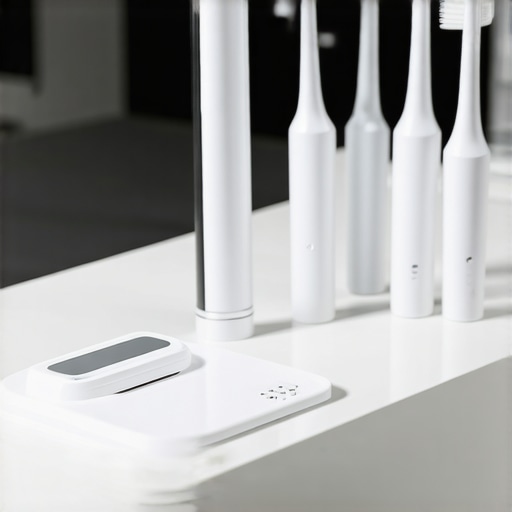
The Hardest Lesson I Learned About veneers, teeth whitening, family dentistry, invisalign
One of the most eye-opening realizations for me was how little I knew about the ongoing care my smile truly needs. I once believed that after getting veneers or whitening treatments, my teeth would be almost maintenance-free. That misconception almost cost me dearly—chipped veneers from biting into hard nuts, stains from neglecting routine cleaning, from not understanding the importance of continuous care. It’s clear now that even the most beautiful smile requires consistent attention and respect for its fragility. Embracing this lesson early on helped me set realistic expectations and avoid costly repairs down the line.
Persistent Myths That Cost Me Time and Money
I used to think that invisalign could be worn without regular check-ins or that veneers could handle anything I threw at them. These misconceptions led to setbacks and unnecessary discomfort. Learning the importance of professional guidance and long-term maintenance from trusted sources, such as these expert insights, transformed my approach. Realizing that my smile’s health is an ongoing dialogue, not a one-and-done fix, made all the difference.
Why Regular Checkups Are Your Secret Weapon
Skipping routine visits to the dentist might seem convenient, but it’s a false economy. I learned that early signs of issues—like subtle gum irritation or slight staining—are best caught before they escalate. For me, quarterly visits became a cornerstone of preserving my veneers and whitened teeth. Building a relationship with a caring dental professional, and relying on resources like these family dentistry tips, provided peace of mind and long-term savings.
Tools and Habits That Truly Reinforce Your Routine
Investing in quality tools, like an electric toothbrush designed for veneers or an interdental water flosser, turned cleaning from a chore into an effort I actually enjoy. I learned that automation and proper technique make all the difference—making sure my investments in beauty aren’t wasted. Pairing these with habits like drinking water after staining foods or practicing mindful brushing helped cement my commitment. Over time, these small adjustments have maintained my smile’s brilliance far better than relying solely on professional treatments.
Your Future Smile Starts Today
The journey toward a lasting, beautiful smile isn’t about perfection but persistence. Every choice—be it the toothpaste you use, the foods you enjoy, or the care routine you adopt—builds toward confidence that endures. I invite you to reflect on your habits and consider small tweaks that could make a significant difference. Remember, your smile’s health is a marathon, not a sprint, and every step you take now shapes your future brilliance.
What’s one habit you’re willing to change today to support your smile’s longevity? Share your thoughts below—I’d love to hear your story.