
Why Your Teeth Feel Cold for Weeks After a Whitening Session
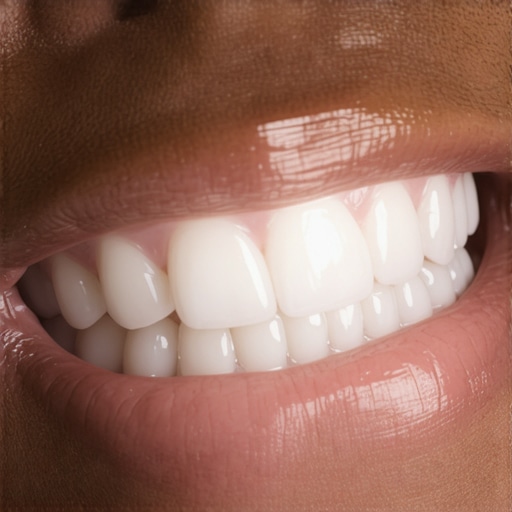
Have you ever sat in the dentist’s chair, eagerly anticipating that bright, sparkling smile, only to leave with a strange, lingering sensation—a chilly numbness that just won’t go away? I remember the first time I experienced this bizarre feeling after a whitening session. It was like my teeth had taken on a life of their own, trembling in the cold even in the warmest rooms. Talk about a lightbulb moment! I thought, “Wait, is this normal? Should I be worried?” Turns out, many folks face the same perplexing issue, and understanding it can make all the difference.
What Makes Teeth Feel Cold Long After Whitening? The Hidden Factors
It’s a common misconception that whitening treatments are quick fixes with no side effects. But the truth is, they can temporarily change the way your teeth respond to temperature and sensation. When I first brushed it off as just a minor sensitivity, I ended up ignoring the signs that pointed to something more. That mistake taught me to listen more closely to my body—and it’s something I recommend you do too.
This persistent cold feeling is often linked to the enamel’s temporary vulnerability. The whitening agents, especially peroxide-based gels, penetrate the enamel and can weaken its surface structure. A study published in the Journal of Esthetic and Restorative Dentistry reveals that the decrease in enamel mineral content can heighten sensitivity for several weeks post-treatment. The more I researched, the clearer it became that this sensation isn’t just in my head—it’s a real, manageable effect.
Furthermore, if your teeth are already sensitive or if your oral hygiene routine isn’t as gentle as it should be, the effects might intensify. Sometimes, I also noticed that certain habits, like consuming cold drinks or eating ice cream right after whitening, made the cold feeling worse. If you’ve experienced something similar, you’re not alone, and there are ways to soothe and protect your teeth during this recovery phase.
Next, let’s dive into what you can do to ease this discomfort and return to feeling confident in your smile. And if you’re curious about various whitening options, check out the ultimate guide to teeth whitening options in 2025.
Rinse with Warm Water to Soothe Sensitive Teeth
After experiencing persistent cold feelings, I found that rinsing my mouth with warm water provided immediate comfort. This simple step helps neutralize extreme temperatures and prevents further triggering of sensitivity. When I first tried this, I gently swished warm water around my teeth for about 30 seconds, feeling the relief seep in—making an immediate difference in discomfort levels.
Use desensitizing toothpaste as a daily shield
Switching to a toothpaste formulated for sensitive teeth is a game changer. I started applying desensitizing toothpaste like potassium nitrate-based formulas twice daily. It takes about a week to see noticeable improvements, but the layer of protection it creates reduces cold sensitivity significantly. Regular use helps rebuild enamel resilience, acting like a barrier against temperature extremes.
Apply a custom fluoride gel for enamel repair
For deeper relief, I consulted my dentist about applying a fluoride gel. This step is akin to giving your teeth a shield—making enamel stronger and more resistant to sensitivity. At my appointment, the dentist applied a professional-strength fluoride varnish, which I then avoided eating or drinking hot or cold for several hours. This targeted treatment provided lasting comfort over the following weeks.
Limit exposure to cold triggers immediately after whitening
During the recovery phase, I made conscious changes to my diet and habits. I avoided cold beverages, ice cream, and chilled foods—just like switching off the AC in a room to prevent further shock. Instead, I embraced room temperature meals and drinks. This proactive step kept my teeth from reacting painfully to temperature swings, easing the recovery process.
Maintain excellent oral hygiene with gentle techniques
Brushing too aggressively can aggravate sensitivity. I shifted to using a soft-bristled toothbrush and gentle strokes, similar to caressing delicate porcelain. Adding a fluoride rinse after brushing provided an extra layer of protection. Consistent yet gentle oral care kept my enamel healthy and reduced the risk of further sensitivity.
Consult your dentist about professional solutions
If discomfort persists beyond a few weeks, I recommend scheduling an appointment. Your dentist can assess the extent of enamel vulnerability and might suggest treatments like bonding or sealing cracks. Remember, personalized care is essential—much like customizing veneers or Invisalign aligners for optimal results (see how veneers can enhance your smile).
By following these steps, you’ll build a robust defense against post-whitening cold sensitivity, paving the way for a healthier, more comfortable smile. Incorporate these practices consistently, and you’ll be able to enjoy your bright smile without fear of discomfort.
Many individuals assume that cosmetic dentistry procedures like veneers, Invisalign, and teeth whitening are straightforward solutions that require minimal consideration. However, understanding the nuanced realities behind these treatments can lead to more informed decisions and better long-term results. One common misconception is that veneers are a quick fix for dental imperfections; in reality, they involve significant preparation and should be chosen after carefully weighing their permanence and impact on tooth structure. Additionally, many believe that Invisalign is just about discreet braces, but the treatment’s success hinges on proper planning and patient compliance, especially for complex cases. When it comes to teeth whitening, the myth persists that all products are equally safe—yet, some over-the-counter options can damage enamel if misused, highlighting the importance of professional guidance. As for family dentistry, folks often overlook the importance of tailored preventive strategies that accommodate different ages and dental development stages within a single household. The hidden nuance is that each of these treatments has specific prerequisites, risks, and maintenance requirements that are often underestimated by patients eager for quick results. Engaging with a knowledgeable dentist can help navigate these complexities, ensuring you select the most suitable options for your unique dental needs. To deepen your understanding of teeth whitening options, I recommend reading the ultimate guide to teeth whitening options in 2025. Remember, approaching cosmetic procedures with realistic expectations and expert advice can make all the difference—don’t fall into common traps that compromise long-term dental health. Have you ever fallen into this trap? Let me know in the comments.
How do I keep my dental treatments working effectively over time?
Maintaining the results of procedures like veneers, Invisalign, and teeth whitening requires more than just good oral hygiene; it demands the right tools and habits. Personally, I rely on high-quality equipment and follow specific routines to ensure long-lasting results. Investing in the proper tools not only extends the lifespan of your dental work but also enhances your overall oral health, making these treatments worthwhile over the long haul.
Invest in a sonic toothbrush for superior cleaning
One of my most recommended tools is the sonic toothbrush. Unlike manual brushes, sonic models like the Philips Sonicare or Oral-B Genius generate thousands of brush strokes per minute, reaching deep into gum lines and around veneers with exceptional efficacy. The gentle yet thorough cleaning prevents plaque buildup, which can compromise restorations or orthodontic appliances. I’ve personally noticed that my veneers stay pristine longer when I incorporate a sonic brush into my daily routine, especially after meals or whitening treatments.
Use a water flosser to safeguard orthodontics and implants
For those with Invisalign aligners or dental implants, I advocate using a water flosser such as the Waterpik series. Water flossers effectively dislodge debris and plaque without damaging delicate hardware. Their targeted stream eases access around brackets, my own experience shows, significantly reducing sensitivity and staining. Consistent use keeps appliances and restorations in optimal condition, making them a vital part of my ongoing care routine.
Employ specialized whitening pens for touch-ups
Teeth whitening isn’t a one-off effort; maintaining brightness over time involves subtle touch-ups. I prefer whitening pens, which allow precise application to touch up minor stains or pigmentation without overdoing it. These pens are portable and easy to use, fitting seamlessly into a busy schedule. Regular, targeted applications can help prolong the dazzling effects of professional whitening, as detailed in top whitening strategies.
Embrace a consistent routine with a dental monitoring app
Technology offers incredible benefits; I personally use dental apps that remind me to brush and floss, track my progress, and even schedule appointments. These apps connect to my dental practice, ensuring my tools and routines stay on track. In the future, predictive AI might customize maintenance plans based on my habits, further improving long-term outcomes. Staying proactive with such tech helps prevent issues before they arise, keeping the work I’ve invested in intact.
Ready to take your maintenance to the next level?
Try integrating a high-frequency sonic toothbrush and a water flosser into your daily routine today. Both tools have transformed my own oral health, preventing plaque buildup and enhancing the longevity of my veneers and whitening results. For additional pro insights, check out the latest whitening secrets for 2025. Investing in these tools isn’t just about appearance; it’s about maintaining the health of your smile for years to come. Remember, regular professional check-ups complement these efforts, so don’t hesitate to schedule your next appointment with your trusted dentist or visit contact us for guidance.
Embarking on your journey to a brighter, healthier smile isn’t just about quick fixes; it’s about understanding the little-known lessons that can make all the difference. From my own experiences, I’ve learned that mastering the nuances of dental treatments like veneers, Invisalign, and teeth whitening involves a deep appreciation for preventive care and personalized strategies. Here are some insights I wish I had known from the start, which could save you time, money, and frustration.
The Hidden Truths About Maintaining Your Dental Shine
- Consistency is Key: Just like any investment, regular maintenance—using the right tools and routines—protects your smile’s longevity. I underestimated how much daily habits impacted my veneers’ appearance and Invisalign’s effectiveness until I saw subtle changes over time.
- Know Your Material’s Limits: Not all veneers or whitening products are created equal. Understanding the specific material of your restorations helps in choosing compatible treatments, avoiding unnecessary wear or damage. My mistake was overusing aggressive whitening gels that slightly stained my veneers, which could have been avoided with proper guidance.
- Personalized Care Matters: Visiting a trusted dental professional for tailored advice is invaluable. Routine check-ups can catch issues early—like micro-cracks or enamel wear—that DIY solutions might miss. This proactive approach has been a game-changer for my confidence and oral health.
Tools and Resources That Transformed My Routine
- Sonic Toothbrushes: I swear by high-quality sonic devices like the Philips Sonicare—it’s a difference-maker for keeping restorations pristine and avoiding plaque buildup.
- Professional-Grade Whitening Pens: For touch-ups, these are effective in maintaining brightness without risking damage—a tip I learned from a cosmetic dentist.
- Dental Monitoring Apps: Staying proactive with tech that reminds me of maintenance routines ensures I stay on top of my dental health, extending the life of my treatments.
- Expert Literature: Reading industry-leading guides, like the comprehensive Ultimate Guide to Teeth Whitening Options in 2025, has broadened my understanding and helped select the most suitable treatments for my unique needs.
Believe in Your Smile: Embrace the Change
Transforming your dental health is a blend of science, art, and patience. The insights I’ve gathered highlight that a proactive, informed approach isn’t just about aesthetics—it’s about cultivating a lifelong relationship with your smile. Your journey to enduring confidence starts today. Invest time, choose quality tools, and seek expert advice—your future self will thank you. Want to share your own experiences or ask for personalized tips? Drop a comment below and let’s keep the conversation going!