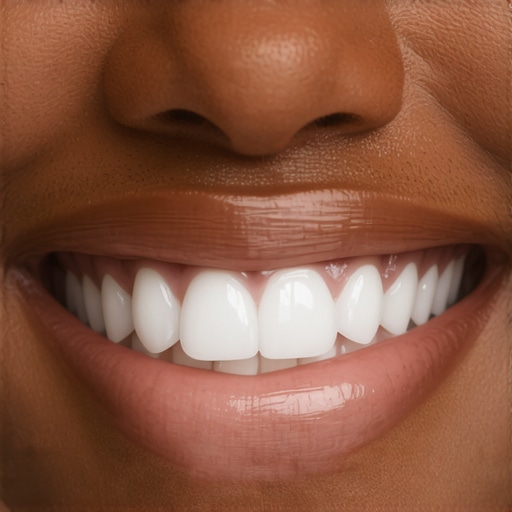
Why Professional-Grade Teeth Whitening Defines the Future of Cosmetic Dental Care
In 2024, the pursuit of a radiant smile has evolved beyond simple brushing and flossing, with advancements in cosmetic dentistry setting new standards for effectiveness and safety. Modern teeth whitening methods leverage scientific innovations that ensure longer-lasting results while minimizing enamel damage, making them essential for those committed to oral health and aesthetics.
Advanced Strategies for Natural-Looking Brightness and Long-Term Maintenance
Achieving a luminous smile requires more than topical whitening products; it demands a comprehensive understanding of enamel health, saliva chemistry, and lifestyle factors. Incorporating professional whitening treatments with at-home care—such as using enamel-friendly whitening gels and maintaining proper oral hygiene—can significantly extend results. For example, cutting-edge whitening agents now incorporate desensitizing compounds that prevent gum irritation and tooth sensitivity, a common concern among users.
How to Balance Whitening Efficacy with Preservation of Dental Integrity
Experts emphasize that overuse of bleaching agents can weaken enamel and increase vulnerability to decay. Therefore, a personalized approach, including periodic assessments by dental professionals, is crucial. Recent studies from the Journal of Esthetic and Restorative Dentistry highlight that controlled, low-concentration bleaching protocols successfully optimize aesthetic outcomes while preserving enamel integrity. Regular professional consultations can tailor at-home routines, ensuring that whitening does not compromise overall dental health.
What Are the Innovations in Tooth Whitening Devices That Promise Better Results?
Emerging technologies, such as LED-lit whitening trays and laser-based systems, are pushing the boundaries of what is achievable within safe parameters. These devices activate whitening agents more effectively, reducing treatment times and enhancing stain removal. However, the efficacy of such innovations hinges on proper application and adherence to dentist recommendations. For those exploring DIY solutions, understanding the science behind these devices can inform safer use and better outcomes.
How Can Patients Ensure Their Smile Enhancement Strategies Are Both Safe and Effective?
Consulting with a certified dental professional remains the most reliable way to develop a tailored whitening plan. Dentists can evaluate enamel condition, identify underlying issues, and recommend suitable products or procedures. Additionally, staying informed through reputable sources like the American Dental Association can help patients differentiate between evidence-based treatments and unproven remedies. For further insights into professional whitening options, review this comprehensive guide on advanced teeth whitening techniques.
Explore our latest Invisalign innovations for comprehensive smile makeover strategies that combine orthodontic and whitening solutions for optimal results.
Encouraging readers to contribute their expertise, we invite dental professionals to share their insights or innovative approaches to teeth whitening that have proven effective in their practices, fostering a community dedicated to excellence in aesthetic dentistry.
Leverage the Latest in Light-Activated Whitening to Maximize Results
One of the most promising advancements in 2025 involves the use of diode laser and LED technology, which significantly accelerates the whitening process while ensuring safety. These devices activate whitening agents more uniformly, reducing potential side effects like sensitivity. For instance, newer LED systems are now designed with optimized wavelengths that target stains more precisely, ensuring a brighter smile with fewer visits to the dentist. Incorporating these innovations into your routine can elevate your aesthetic results and boost confidence, especially when combined with professional guidance. To explore more about how these devices work, check out this detailed overview of Invisalign innovations and their impact on smile enhancement.
Rethink Daily Habits That Sabotage Your Bright Smile
Beyond professional treatments, understanding the daily factors that influence tooth color is vital. Recent research highlights the role of diet, hydration, and oral hygiene in maintaining whitening results. For example, acidic foods and drinks can erode enamel, making teeth more susceptible to staining. Using enamel-friendly toothpaste containing fluoride and desensitizing agents can help preserve the results of whitening procedures. Similarly, rinsing with water after consuming stain-causing substances minimizes their impact. This nuanced approach to daily habits exemplifies how personalized oral care can sustain a bright smile longer. For tailored tips, visit our guide on teeth whitening secrets for 2025.
What Are the Key Factors That Make a DIY Whitening Kit Both Effective and Safe?
As DIY kits become more popular, understanding their science and limitations is crucial. Effective kits use lower concentrations of bleaching agents combined with desensitizers to reduce enamel damage and sensitivity. However, improper use or overuse can lead to enamel erosion and increased sensitivity. The key lies in selecting products that adhere to safety standards and consulting with dental professionals before starting any whitening regimen. Recent studies emphasize that professional supervision ensures optimal outcomes while safeguarding dental health. For more insights, review this comprehensive guide on best teeth whitening tips and Invisalign solutions for 2024.
Harnessing Laser Precision for Safer, More Effective Whitening Treatments
In recent years, the integration of laser technology into cosmetic dentistry has marked a paradigm shift, offering patients faster, more predictable whitening results with minimal discomfort. These advanced systems utilize specific wavelengths of light, such as diode lasers, to activate bleaching agents more efficiently, reducing treatment time while maintaining safety standards. According to a comprehensive review published in the Journal of Esthetic and Restorative Dentistry, laser-assisted whitening can achieve dramatic improvements in tooth shade in just a single session, with a significantly lower incidence of sensitivity compared to traditional bleaching methods.
How do laser whitening devices optimize the bleaching process?
Laser devices work by accelerating the chemical reactions that break down stains on the enamel surface. The targeted energy heats the bleaching gel uniformly, enhancing stain removal and enabling deeper penetration of whitening agents. This process not only shortens treatment durations but also ensures more consistent results across different cases. Innovations like the Sapphire Plus Laser system exemplify how precise wavelength targeting minimizes thermal damage, ensuring that the surrounding tissues remain unharmed, thus elevating the safety profile of these treatments.
Personalized Whitening Protocols: Moving Beyond One-Size-Fits-All
One of the most promising trends in cosmetic dentistry is the shift toward individualized whitening plans. Recognizing that each patient’s enamel composition, stain severity, and oral health status vary, leading practitioners now tailor treatments to optimize outcomes. For example, pre-treatment assessment tools such as quantitative enamel analysis can determine enamel porosity and susceptibility to sensitivity, guiding the selection of bleaching agents and protocols. This personalized approach also involves adjusting the concentration of hydrogen peroxide or carbamide peroxide, ensuring efficacy without compromising enamel integrity.
Furthermore, ongoing monitoring during and after treatment allows practitioners to make real-time adjustments, preventing over-bleaching and maintaining long-term oral health. The use of digital smile design software enhances this process, providing visual simulations that help set realistic expectations and improve patient satisfaction.
What role does saliva chemistry play in whitening efficacy and safety?
Saliva acts as a natural buffer and remineralizer, influencing the success and safety of whitening treatments. Variations in saliva pH, flow rate, and mineral content can impact how well whitening agents work and how quickly enamel recovers post-treatment. Recent studies, such as those published in the International Journal of Dentistry, indicate that patients with low salivary flow or altered chemistry may experience increased sensitivity or enamel demineralization following bleaching procedures. Therefore, pre-treatment saliva analysis can inform clinicians whether additional remineralization measures—like casein phosphopeptide-amorphous calcium phosphate (CPP-ACP) applications—are necessary to bolster enamel resilience.
Incorporating saliva diagnostics into treatment planning exemplifies the move toward truly personalized aesthetic dentistry, ensuring not just immediate whitening results but also the preservation of long-term dental health. To deepen your understanding of these innovations, consulting resources such as the American Academy of Cosmetic Dentistry’s guidelines can be invaluable.
Innovations in Enamel Protection During Whitening
Protecting enamel during whitening is paramount, especially as demand for brighter smiles grows. Recent advancements include the development of dual-action whitening gels that combine bleaching agents with remineralizing compounds such as fluoride, nano-hydroxyapatite, or calcium phosphate. These formulations actively replenish minerals lost during bleaching, reducing the risk of post-treatment sensitivity and enamel erosion. Moreover, the use of laser-activated remineralization prior to or following whitening sessions enhances enamel resilience, creating a safeguard against potential damage.
Another emerging technique involves the application of bioactive glass-based materials that create a mineral-rich layer over the enamel, promoting natural repair processes. According to a study in the Journal of Dental Research, such materials can significantly decrease surface roughness and increase hardness, ensuring that aesthetic improvements do not come at the expense of structural integrity.
Are there specific patient populations that benefit most from these innovations?
Absolutely. Patients with intrinsic discoloration, such as tetracycline-stained teeth or fluorosis-affected enamel, often require more sophisticated interventions. The combination of laser activation, personalized agent concentrations, and enamel protection strategies can produce more uniform and enduring results in these cases. Additionally, individuals with sensitive teeth or compromised enamel—such as those with erosion or previous restorations—benefit greatly from these minimally invasive, reinforcement-focused approaches. For advanced practitioners, embracing these innovations means expanding treatment capabilities and delivering superior patient care.
If you’re interested in integrating these cutting-edge techniques into your practice or exploring how they can enhance your smile transformation journey, stay connected with leading dental research publications and professional associations dedicated to aesthetic dentistry. Your next-level smile awaits—unlock it by staying at the forefront of technological innovation.
Embracing the Future of Cosmetic Dentistry with High-Tech Whitening Solutions
As the quest for a dazzling smile accelerates into 2025, dental professionals are increasingly adopting sophisticated technologies that push the boundaries of traditional whitening methods. From advanced light-activated systems to bioactive enamel protectants, these innovations promise safer, more effective, and longer-lasting results. Integrating these solutions into your practice not only elevates patient satisfaction but also positions you at the forefront of aesthetic dentistry.
Harnessing the Power of Photodynamic Activation for Superior Stain Removal
Recent breakthroughs in photodynamic therapy leverage specific wavelengths of LED and laser light to energize whitening agents more efficiently. This process results in a rapid breakdown of chromogenic compounds without excessive heat generation, thus minimizing sensitivity. Studies from the Journal of Dental Research highlight how these systems facilitate uniform stain removal, even in cases of intrinsic discoloration. Dentists adopting this technology report remarkable aesthetic improvements within a single session, setting new standards for patient care.
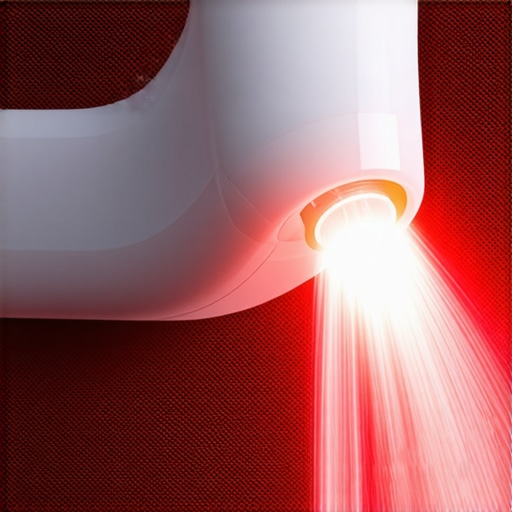
Image prompt: A modern dental laser device activating whitening gel during a professional treatment, emphasizing technological precision and safety.
What is the Role of Enamel Bioactive Materials in Protecting Against Whitening-Induced Damage?
Innovative bioactive materials, such as nano-hydroxyapatite and bioactive glass, are now incorporated into whitening protocols to reinforce enamel integrity actively. These compounds foster remineralization, creating a mineral-rich barrier that mitigates sensitivity and structural weakening. According to the National Institutes of Health, such materials significantly enhance long-term dental health outcomes when combined with bleaching procedures. This holistic approach ensures aesthetic enhancement does not come at the expense of enamel health, especially for high-risk patient populations.
Why Personalized Whitening Strategies Are Becoming the Gold Standard
Moving away from one-size-fits-all treatments, clinicians now utilize digital diagnostics and saliva analysis to tailor whitening protocols precisely. Factors like enamel porosity, saliva composition, and staining severity inform decisions about agent concentration, application duration, and adjunctive remineralization therapies. This customization minimizes adverse effects and maximizes results, aligning with the broader trend toward individualized patient care. Tools like digital smile design software further improve communication and expectation management, leading to higher satisfaction levels and better treatment adherence.
What Are the Ethical Considerations of Using High-Intensity Light Systems in Whitening?
While high-intensity light systems offer rapid results, ethical practice mandates thorough patient education about potential risks, particularly sensitivity and transient discomfort. Evidence-based guidelines from the American Dental Association emphasize informed consent and the importance of clinician expertise in applying these devices. Responsible use of such technologies ensures safety while delivering optimal aesthetic benefits, fostering trust and long-term patient relationships.
Ready to Elevate Your Practice with Next-Generation Whitening Techniques?
Stay ahead by investing in training and equipment that incorporate these cutting-edge solutions. Continuous education and adherence to emerging evidence will empower you to provide safer, more effective smile enhancements. Engage with professional networks and research updates to refine your approach and unlock new levels of patient satisfaction and clinical excellence.
Expert Insights That Shape the Future of Cosmetic Dentistry
Emphasize Personalized Treatment Plans
Utilizing advanced diagnostics like digital smile design and saliva analysis allows clinicians to tailor whitening protocols precisely, ensuring maximum efficacy and minimal sensitivity, which is crucial for long-term success.
Leverage Cutting-Edge Light-Activated Technologies
Devices such as diode lasers and LED systems activate whitening agents more uniformly, drastically reducing treatment time and enhancing stain removal efficiency, setting new standards for patient satisfaction.
Prioritize Enamel Preservation Strategies
Incorporating remineralizing agents like nano-hydroxyapatite and bioactive glass into whitening treatments offers a dual benefit: achieving brighter smiles while safeguarding enamel integrity against potential damage.
Stay Informed on Saliva’s Role in Whitening Safety
Saliva composition influences bleaching outcomes; understanding individual variations enables clinicians to implement supportive measures, such as remineralization, to protect against sensitivity and demineralization.
Adopt Bioactive Materials for Long-Term Enamel Health
Emerging bioactive compounds actively rebuild and strengthen enamel during whitening, ensuring aesthetic improvements do not compromise structural health, especially in high-risk patient groups.
Curated Expert Resources to Deepen Your Knowledge
- American Academy of Cosmetic Dentistry (AACD): Offers comprehensive guidelines, latest research, and best practices in cosmetic procedures including whitening technologies.
- Journal of Esthetic and Restorative Dentistry: Publishes peer-reviewed studies on innovations and clinical outcomes in aesthetic dentistry.
- National Institutes of Health (NIH): Provides access to research articles on bioactive materials and enamel protection strategies.
- Dental Product Shopper: Reviews and comparisons of the latest whitening devices and formulations, aiding informed purchasing decisions.
Insightful Reflection on the Power of Innovation in Smile Enhancement
Advanced teeth whitening techniques exemplify how integrating personalized diagnostics, laser technologies, and bioactive materials revolutionizes aesthetic dentistry. These innovations not only promise brighter smiles but also ensure long-term health and integrity of dental structures. Embracing these cutting-edge solutions will position practitioners at the forefront of their field, delivering superior results with safety and confidence. For dental professionals eager to lead in this dynamic landscape, continuous education and active participation in professional networks are vital. Dive deeper into these topics by engaging with authoritative resources and sharing your insights—your expertise can shape the future of cosmetic dental care.

1 comment so far