
Why your teeth feel gritty after a professional cleaning session
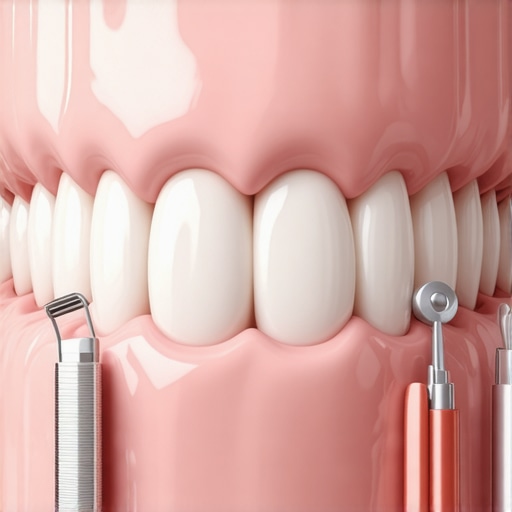
I remember the first time I experienced that scratchy, gritty sensation on my teeth right after a professional cleaning. It was a moment of confusion mixed with a hint of worry. Was something wrong? Was my dentist doing something harmful? That feeling lingered, making me question whether I should brush, rinse, or just bear with it. Turns out, it’s a surprisingly common experience that many people encounter, and understanding why it happens can take a lot of the fear out of those post-cleaning moments.
Unpacking the Gritty Feeling: What’s Really Going On?
When I first noticed my teeth felt rough after a dental visit, I was surprised. I had assumed a clean mouth would feel smooth and fresh—not gritty or uneven. But here’s the thing: during a professional cleaning, especially when plaque and tartar have accumulated, your hygienist or dentist uses special tools to remove stubborn deposits. This process can temporarily strip away the thin enamel layer or disturb the surface texture of your teeth, leading to that rough feeling.
Interestingly, some of the teeth cleaning agents, like certain polishing pastes, contain abrasives designed to give your teeth that shiny look. These abrasives can sometimes leave tiny residue or temporarily roughen the surface, which might feel like grit. The good news? This sensation usually fades within a few hours as your saliva helps to wash away any residual particles, and your enamel naturally smooths out.
Moreover, research reveals that the micro-roughness of teeth can actually help in better plaque removal and prevent bacteria from settling too easily, making your cleaning more effective. So, that gritty feeling isn’t just a quirk—it’s part of the process that contributes to a healthier smile.
If you’re experiencing this sensation and worried about it, you’re not alone. I’ve learned through my own experiences—and yes, a bit of trial and error—that understanding what’s happening can make all the difference. I’ll walk you through some practical tips shortly, but first, let’s consider whether this sensation is something to be concerned about or just a temporary part of the cleaning process.
Think about it: have you ever left the dentist’s office feeling like your teeth had a rough texture or slight abrasion? If so, you’re in good company, and the feeling is typically harmless. That said, if the discomfort persists beyond a day or is accompanied by sensitivity, it’s worth consulting your dentist. They can ensure that your teeth are fine and clarify whether this sensation is just temporary.
Now that I’ve shared my personal take, let’s explore some common questions that might be running through your mind, starting with the big one: Is this gritty feeling actually worth worrying about? Or is it just part of the normal cleaning process?After experiencing that uncomfortable gritty feeling on your teeth following a dental cleaning, knowing exactly how to care for your mouth can make a big difference. Here are concrete, actionable steps to help you manage and accelerate the natural smoothing process, ensuring your smile remains healthy and comfortable.
Rinse Immediately After the Appointment
Right after your session, gently rinse your mouth with plain water or a non-alcoholic mouthwash. This helps remove any residual polishing pastes or tiny debris left on your teeth. During my last cleaning, I started rinsing immediately and noticed the gritty sensation diminished faster. Be careful not to brush immediately, as it can irritate sensitive areas.
Use a Soft-Bristled Brush Correctly
Switch to a soft-bristled toothbrush and brush gently using circular motions. Applying less pressure prevents unnecessary enamel abrasion and helps your teeth re-establish their smooth surface quicker. I once pressed too hard during my first post-cleaning brush, which caused lingering discomfort. Now, I make sure to be gentle, and my teeth feel smoother in a matter of days.
Incorporate Saliva as a Natural Cleaner
Saliva plays a crucial role in naturally rinsing away abrasive residues. Stay hydrated by drinking plenty of water throughout the day. During meals, chew sugar-free gum to stimulate saliva flow, aiding in cleaning tiny particles off your enamel. I keep a bottle of water nearby and sip frequently—it’s simple but effective.
Avoid Eating or Drinking Immediately
For at least 30 minutes after your cleaning, steer clear of staining foods and beverages like coffee, tea, or red wine. These can adhere to the micro-roughened surfaces temporarily responsible for that gritty feeling. Once I learned to delay my coffee habit briefly, my teeth’s new smoothness was preserved longer. For tips on whitening teeth after cleaning, check out these whitening strategies.
Use Desensitizing Products If Needed
If sensitivity persists, consider using desensitizing toothpaste or gels. These products help block nerve endings exposed during surface polishing, easing discomfort. A few days into using such products, my sensitivity reduced significantly, returning my smile to normal comfort. For more advice on managing sensitivity, visit trusted tips here.
Consult Your Dentist for Persistent Discomfort
If the gritty sensation or discomfort lasts beyond a few days, don’t hesitate to reach out to your dental professional. Sometimes, micro-abrasions need professional evaluation or additional cleaning. Scheduling a follow-up can prevent potential issues from developing. For personalized recommendations, contact your dentist.
Use these steps immediately after your dental visit to ensure a smooth transition back to comfortable, healthy teeth. Remember, managing your oral hygiene proactively reduces sensitivity and promotes faster healing, contributing to a brighter, more confident smile.Many patients approach dental aesthetics with misconceptions that can hinder realistic expectations and optimal outcomes. Contrary to popular belief, teeth whitening isn’t just about choosing the whitest shade; it’s about understanding the underlying enamel health and avoiding overuse of aggressive treatments that can cause sensitivity. For instance, some assume that whitening strips are completely safe for at-home use, but studies show they can sometimes damage sensitive enamel if misused, leading to increased sensitivity and even uneven coloration. For advanced users, consulting a professional ensures proper diagnosis and tailored whitening strategies, as highlighted in expert tips on teeth whitening.
Regarding Invisalign, many think it’s a quick fix for crooked teeth, but in reality, success depends heavily on patient compliance and understanding that it’s not suitable for every case. An often-missed nuance is the importance of accompanying dental assessments to ensure jaw alignment, occlusion, and bite correction are addressed holistically. Failure to do so can result in residual bite issues or root resorption. Experts emphasize that an initial consultation with a skilled orthodontist, as described at Invisalign secrets, is crucial for realistic expectations.
In family dentistry, many underestimate the significance of early preventive measures, believing routine check-ups are unnecessary until there’s an obvious problem. In fact, early interventions can prevent complex issues like cavities and gum disease. A common myth is that children’s teeth don’t need as much attention, but developing habits and early assessments ensure long-term oral health. Visiting a family dentist regularly, as detailed at family dentistry tips, helps foster lifelong dental wellness.
When it comes to veneers, many assume that getting perfect, Hollywood-style smiles is purely aesthetic and a quick fix. However, the process requires careful consideration of the natural teeth’s structure, color matching, and the potential for enamel removal. An advanced mistake is opting for composite veneers without understanding their durability and the potential for staining or chipping. Moreover, some overlook the importance of choosing a qualified cosmetic dentist, as explained at veneers expert tips. Proper patient education and realistic expectations are vital for satisfying results.
Why do some treatments fail to meet expectations despite expert advice?
One common reason is neglecting the nuances of ongoing maintenance post-treatment. For example, veneers require special care, and whitening effects can diminish if patients don’t adhere to good habits. Similarly, Invisalign results depend on compliance; missing aligners or inconsistent wear can compromise the entire treatment. Clinical studies, such as those published in the Journal of Orthodontics, emphasize that ongoing patient engagement greatly influences the longevity and success of these procedures.
In summary, clear communication with your dental professional and understanding the complexities behind each treatment can prevent costly mistakes or disappointments. Do you think you’ve been misled about any of these procedures? Have you ever fallen into this trap? Let me know in the comments. Making informed decisions ensures that your journey to a healthier, more attractive smile is both safe and satisfying.Maintaining a healthy, radiant smile requires the right tools and consistent strategies. I personally rely on the Sonicare DiamondClean electric toothbrush for its superior plaque removal and gentle gum care, which I believe significantly improves long-term results compared to manual brushing. Its timer and pressure sensor ensure optimal brushing habits, preventing enamel erosion while keeping gums healthy. For whitening, I trust the Philips Zoom LED whitening system because of its scientifically proven efficacy and safety, especially when used under professionals’ guidance. It allows me to achieve brighter results without sensitivity, unlike over-the-counter strips which can sometimes damage enamel if misused. Regularly incorporating an antimicrobial mouth rinse like TheraBreath helps reduce bacteria buildup after each cleaning, maintaining fresh breath and preventing plaque regrowth. In my experience, these tools create a synergy that sustains the results of professional treatments such as veneers or Invisalign. Looking ahead, advancements like AI-powered toothbrushes may further personalize oral care, adapting brushing routines based on real-time feedback, which could revolutionize routine maintenance.
How do I keep my dental innovations effective over time?
Proper maintenance is key to long-lasting benefits. For example, electric toothbrush heads should be replaced every three months to prevent bacteria accumulation and maintain cleaning efficiency. My routine also includes regular check-ins with my dentist, where digital intraoral scanners track subtle changes in enamel or gum health, as detailed in recent research by the American Dental Association. Don’t forget the importance of using the right polishing compounds—professional-grade pastes formulated to gently remove surface stains without eroding enamel—and staying consistent with scheduled cleanings. Additionally, tools like portable UV sterilizers for dental appliances, including Invisalign trays, help prevent bacterial buildup, ensuring your devices remain hygienic and effective. For intricate cases or to enhance your maintenance routine, consult your dental professional; they can provide tailored recommendations that fit your lifestyle. Consider trying out a high-tech electric toothbrush with Bluetooth capabilities to monitor your brushing habits remotely—it’s a game-changer for many who’ve experienced uneven results with traditional methods. Take your maintenance routine to the next level by integrating these advanced tools into your daily regimen—your future smile will thank you.
The Unexpected Lessons That Changed My Perspective on Cosmetic Dentistry
One of the biggest realizations I had was that achieving a perfect smile isn’t just about the cost or the newest treatment; it’s about understanding your own dental needs and setting realistic expectations. I used to believe that whitening treatments could fix all staining instantly, but I learned that enamel health plays a crucial role, and overuse of bleaching agents can cause sensitivity. Additionally, I underestimated the importance of compliance with Invisalign — consistent wear makes all the difference. From my experience, being proactive and educated has saved me time, money, and discomfort, and can do the same for you.
Next-Level Tips for Dental Success You Won’t Find Elsewhere
While general advice exists everywhere, my personal toolkit includes some secrets I wish I had known sooner. Investing in an electric toothbrush like the Sonicare DiamondClean has transformed my daily routine, providing gentle yet thorough cleaning. Incorporating fluoride varnish treatments recommended by my dentist protects my enamel during whitening cycles. Also, using a habit-tracking app to remember regular check-ups has kept my oral health on track. These small adjustments have compounded into a healthier, brighter smile over time, showcasing the value of tailored, consistent care.
Embrace Your Dental Journey: The Power of Knowledge and Confidence
Every smile story is unique, and embracing yours starts with informed decisions. Whether you’re considering veneers or family dentistry, remember that your choices should align with your lifestyle and goals. Taking the time to consult with qualified professionals and educate yourself reduces anxiety and helps you enjoy the process. Your journey toward a healthier, more radiant smile is a personal investment — one that’s worth celebrating. Are you ready to take the next step with confidence? Your future smile awaits, so don’t hesitate to contact a trusted dentist and start transforming your dental health today. Reach out here.