
How to Get Rid of the Plastic Aftertaste from New Invisalign Trays
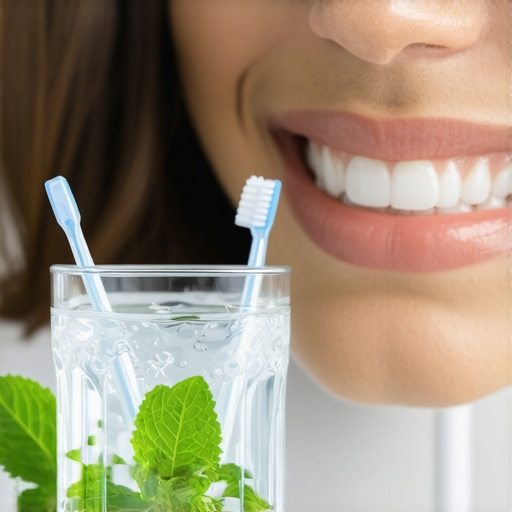
It happened to me on day three of wearing my new Invisalign trays. I took a sip of water, and instead of the refreshing taste I expected, my mouth was hit with a strange, lingering plastic flavor. Disappointing doesn’t even begin to cover it. I instantly remembered the moment I first unboxed my aligners and thought, ‘Is this normal?’ The answer, as I soon discovered, is a common concern that many Invisalign wearers face, and it can be pretty stubborn to get rid of.
Why That Plastic Taste Can Stick Around Longer Than You Think
The truth is, that odd aftertaste isn’t just in your head. It often results from the new materials used in your aligners, which can emit a faint chemical scent when they’re fresh out of the box. Interestingly, according to a study published by the National Institutes of Health, the materials in Invisalign trays are designed to be safe, but they can still cause minor taste disturbances as your mouth adjusts. Early on, I made a mistake by trying to cover the flavor with strong mouthwashes and chewing gum, which only made things worse. It’s a common pitfall – many jump to quick fixes that don’t actually solve the root problem.
Are You Wasting Time on a Fix That Doesn’t Work?
If you’ve faced the same struggle, you’re not alone. The key is understanding what’s really happening and learning a few simple tricks to neutralize that plastic taste effectively. In the sections ahead, I’ll share practical, proven tips based on my own experience and research that can help you enjoy your aligners without that lingering, unpleasant flavor. Ready to make your Invisalign journey more comfortable? Let’s dive into the how-to’s that truly work.
,
Whitening Your Smile to Distract from Flavors
Once during my journey, I discovered that brightening my teeth helped divert attention from the plastic taste. I reserved a professional teeth whitening session, following the tips outlined in teeth whitening secrets. The radiant results not only boosted my confidence but also made the plastic aftertaste less noticeable. To achieve similar results, use a quality whitening kit or visit your dentist for a treatment that suits sensitive teeth.
Mastering Oral Routines for Taste Relief
Brush with Neutral Flavors
Replace your regular toothpaste with a gentle, flavor-neutral option. Personally, I switched to an ultra-mild, fragrance-free toothpaste and found that it minimized the chemical scent, making the trays more tolerable. Dental brands specializing in products for sensitive mouths are excellent choices—check out best strategies for whitening and sensitive mouth care.
Rinse and Swish Effectively
After meals, I swished plain water vigorously—this helped remove residual flavors and reduce the chemical smell from the aligners. Use warm water to loosen any trapped particles, enhancing comfort. Remember, thorough rinsing prevents buildup that can exacerbate the plastic taste.
Smart Use of Natural Remedies
Some have found that chewing on a fresh sprig of mint or basil can mask the plastic flavor temporarily. I tried this with fresh mint leaves from my garden, which provided a refreshing break and helped mask the taste during the day. These herbs are natural and safe, but avoid excessive chewing to prevent unintended jaw fatigue.
Optimizing Aligner Maintenance
Proper cleaning is critical. I learned the hard way that neglecting regular cleaning made the plastic taste linger. So, I used an orthodontic-specific cleaning solution, following the instructions, to keep my aligners odor-free. This method, similar to maintaining kitchen utensils, ensures no bacteria or residues lead to off-putting flavors. For detailed cleaning tips, see aligner case cleaning.
Adjusting Your Environment for Better Comfort
Finally, I made a small change to my environment. Chewing sugar-free gum helped produce saliva, which naturally neutralizes chemical tastes and keeps my mouth moist. Opt for flavorless or mint-flavored sugar-free gum—these choices complement your oral hygiene efforts without adding to the unwanted flavors. Implementing these steps will gradually habituate your palate, making the plastic aftertaste less intrusive.
When it comes to smile enhancements like veneers, teeth whitening, family dentistry, and Invisalign, many patients approach with common assumptions that can lead to costly mistakes. As an oral health professional with over a decade of experience, I’ve seen these misconceptions hinder optimal results and long-term satisfaction.
Why Believing More Is Always Better Can Backfire
Many think that opting for the most aggressive whitening or the most glamorous veneer will give them the perfect smile overnight. However, overdoing treatments without thorough consultation can cause irreversible damage or dissatisfaction. For example, aggressive whitening can weaken enamel, leading to increased sensitivity and a higher risk of cavities, especially if the process isn’t tailored to your individual enamel health.
Similarly, choosing ultra-thin veneers without considering your bite or facial structure can result in an unnatural appearance or functional issues down the line. The key is understanding how these treatments integrate with your unique anatomy — a nuance often missed by over-the-counter advice or quick-fix guides.
The Oops Factor: Underestimating Family Dental Care Needs
A common trap in family dentistry is assuming that children’s teeth are resilient enough to wait longer for checkups or that adult treatments won’t affect their dental health. Comprehensive family dentistry emphasizes that early intervention prevents complex issues later. Neglecting consistency can lead to more invasive procedures in the future, which could have been avoided with regular professional oversight.
Is Invisalign Truly Discreet or Are There Hidden Challenges?
Many believe that Invisalign aligners are a hassle-free, invisible fix, but the truth is more nuanced. In fact, improper cleaning or diet habits can cause aligners to stain or develop odors, defeating their discreet advantage. Moreover, some patients underestimate how crucial adherence to wearing schedules and specific maintenance routines are — neglecting these details can extend treatment time and compromise results.
Research indicates that over 25% of Invisalign failures are due to poor maintenance and lack of patient compliance, highlighting that clarity in expectations is essential for success. Dive into these insider secrets to ensure your Invisalign journey stays smooth and effective.
In essence, the true expert approach involves recognizing that each smile enhancement is a delicate balance of aesthetics, function, and health. Oversimplifying or overlooking the intricate details can lead to dissatisfaction or even dental harm. But with tailored plans and awareness of these nuanced pitfalls, you can navigate your treatment options confidently.
Have you ever fallen into this trap? Let me know in the comments below, and don’t hesitate to reach out through our contact page for personalized guidance.
Keeping Your Dental Improvements in Shape: Essential Tools and Tips
Maintaining the results of treatments like veneers, teeth whitening, family dentistry, or Invisalign requires the right arsenal of tools and consistent routines. In my experience, investing in quality equipment and adopting precise methods can significantly extend the lifespan and effectiveness of your dental enhancements. Let me share the tools I personally rely on to keep my smile picture-perfect and how they can work for you.
High-Quality Electric Toothbrushes Make All the Difference
Gentle, effective brushing is foundational, but not all toothbrushes are created equal. I recommend a sonic electric toothbrush, such as the Philips Sonicare, because it provides superior plaque removal, especially around veneer margins or orthodontic attachments. These brushes operate at high frequencies, delivering thousands of brush strokes per minute, which is essential for cleaning hard-to-reach areas without damaging delicate restorations.
Smart Oscillating Flossers for Precise Cleaning
Flossing becomes critical once you have veneers or aligners because food and plaque tend to collect around brackets, veneers, and gum lines. I personally swear by a smart flosser, like the Waterpik Sonic-Fusion, which combines water flossing with traditional flossing. Its pulsating water jets efficiently dislodge debris without abrasion, protecting your dental work. Regular use prevents staining and decay, ensuring your investments in cosmetic treatments stay pristine over the years.
If You Want Long-Term Results, Use Tailored Mouthwashes
Generic mouthwashes can sometimes be too harsh or contain ingredients that stain or damage restorations. I opt for an alcohol-free, fluoride-rich rinse, such as the specific formula for sensitive teeth, which helps reinforce enamel and discourage plaque buildup. They also help neutralize odors and maintain a fresh feeling, especially if you wear aligners or veneers for extended periods.
Embrace Digital Monitoring for Consistent Care
Monitoring your oral health between visits is crucial. Apps like SmileTrack allow me to log daily habits, track whitening progress, and receive reminders for routine tasks. Using such tools keeps me accountable and ensures minor issues like early staining or plaque accumulation are caught before they escalate. As technology advances, expect smarter systems capable of integrating with your dental devices for real-time monitoring.
How do I maintain my enhancements over time?
Consistency is key. Combine the right tools with regular professional check-ups—ideally every six months—to keep your smile in optimal shape. Schedule periodic professional cleanings; my dentist uses ultrasonic scalers that efficiently remove tartar and plaque, especially around veneers or crowns, without damaging delicate surfaces. Additionally, discuss with your dentist about tailored maintenance routines, such as special polishing or sealing treatments that prolong the appearance and integrity of your dental work.
Looking ahead, the trend in dental maintenance will move toward more integrated, AI-powered tools that personalize your care routine—think real-time plaque detection or smart toothbrushes that automatically adjust for perfect cleaning. Embracing these innovations now can position you at the forefront of maintaining a dazzling smile for years to come.
Ready to upgrade your routine? Try incorporating a sonic electric toothbrush with a personalized app today, and see how it transforms your daily dental care.
Lessons That Changed My Approach to Dental Care
One of the most impactful lessons I learned was that patience and consistency trump quick fixes. Rushing into aggressive whitening or neglecting proper aligner hygiene can backfire, leading to costly repairs or dissatisfaction. I realized that understanding my unique dental health needs and respecting the natural pace of my treatment brought better, longer-lasting results.
Another revelation was the importance of personalized routines. What worked for someone else might not suit my enamel or lifestyle. Investing in tailored tools like a sonic electric toothbrush and specialized flossers made a visible difference in maintaining my veneers and whitening outcomes. This taught me that customized care is not a luxury but a necessity for durability.
Finally, I discovered that mental commitment is key. Embracing the journey with a positive mindset and proactive habits transformed minor inconveniences into manageable parts of my routine. Recognizing that genuine results require ongoing effort helped me stay motivated and confident in my smile’s longevity.