
The Real Reason Your Child’s Baby Tooth is Turning Dark After a Fall
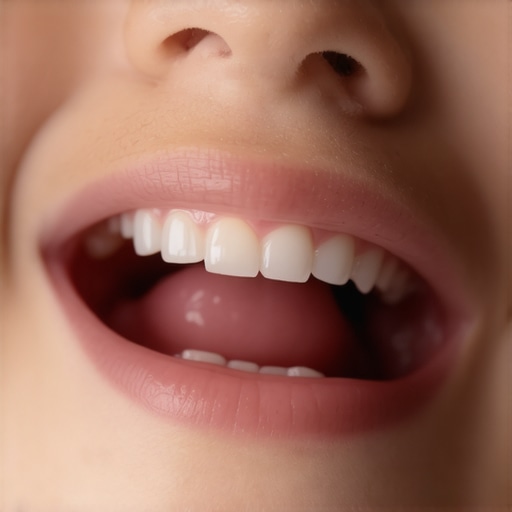
I remember the moment vividly: my six-year-old tripped over his toy car and landed face-first onto the kitchen floor. Heart pounding, I rushed to check him, expecting nothing more than a little scraped knee. But when I peeked into his mouth, I saw it—the tiny front baby tooth that had turned a deep, ominous shade of dark brown. My stomach sank. What was going on? We had been so careful about his dental health, yet something so innocuous seemed to signal trouble.
That moment was a real eye-opener. Turns out, a darkened baby tooth after a fall isn’t just a cosmetic issue; it can be a sign of underlying damage that requires attention. As a parent, I felt unprepared, scrambling to understand if this discoloration meant my child’s tooth was dying or if it could be saved. And honestly, I was surprised to learn just how common this concern is among other parents too.
Today, I want to share what I discovered about the real reasons behind darkening teeth following a fall in children, and most importantly, how you can tell if it’s something to worry about—or if it’s just a temporary change. Because knowing the difference can save you a lot of stress—and your child’s smile.
Why a Dark Tooth Might Be More Than Just a Shadow
Many parents assume that if their child’s tooth turns dark after an injury, it’s purely superficial—something that’ll fade with time or simple cleaning. However, in my own experience, and from what many dental professionals clarify, discoloration can sometimes indicate internal damage to the pulp—the soft tissue inside the tooth. Damage here can lead to infection, abscess, or even the eventual loss of the tooth if not addressed promptly.
Children’s teeth are especially vulnerable because their roots are still developing, and trauma can interfere with that process. A fall that causes a darkened tooth might seem minor, but it could also mean the tooth’s nerve tissue has been compromised. Early intervention by a dentist can be the difference between saving the tooth or having to consider extraction and replacement options later.
Did you know that according to recent studies, about 25% of children with dental injuries experience discoloration of the affected tooth? That’s a significant number, and it underscores the importance of not dismissing these changes as just aesthetic or superficial—especially if your child has recently fallen.
Curious if your child’s darkening tooth warrants a visit? Or maybe you’re wondering about the best steps to take? I’ll guide you through the key signs to watch for and when it’s time to call in the professionals.
Assess the Damage Immediately
First, remain calm and inspect your child’s mouth carefully. Look for swelling, bleeding, or looseness of the tooth. Remember, timing is crucial—acting quickly can prevent further damage.
Check for Pain and Swelling
If your child seems in significant pain, or if there’s visible swelling, it indicates internal injury. Use a cold compress externally to reduce swelling and comfort your child.
Schedule an Emergency Dental Visit
Contact your family dentist right away by visiting this link. Prompt professional evaluation ensures the tooth’s health is preserved. Even if the injury seems minor, a dental checkup is essential.
Prepare for the Dental Exam
Before heading to the clinic, gather any records of the injury, the child’s recent dental history, and note any changes you’ve observed. Avoid giving your child aspirin or other blood-thinning medications before the appointment.
Understanding the Core Concerns
A darkened tooth post-fall can result from blood pooling inside the pulp chamber—a sign of internal bleeding. This may not resolve naturally and could lead to infection if unaddressed.
Learn About Potential Outcomes
In some cases, the discoloration fade away; in others, a root canal or other treatments might be needed. Trust your dentist’s expertise to determine the best course of action.
Follow Professional Treatment Recommendations
Once at the dentist, expect a thorough examination, possibly including X-rays. If internal damage is detected, the dentist may recommend root canal therapy or other interventions to save the tooth.
Monitor Long-term Healing
After treatment, keep an eye on the tooth’s appearance and your child’s comfort. Schedule follow-up visits as advised, and maintain good oral hygiene routines.
Implement Preventive Measures
Reduce future injury risks by ensuring children wear protective gear during sports and avoiding hazardous play areas. Regular dental checkups can also catch potential issues early, aligning with trusted family dentistry guidance here.
Consider Cosmetic Options if Discoloration Persists
If the darkening remains and affects your child’s confidence, explore treatments like veneers or whitening procedures—discuss these options with your dentist to choose what’s best for your child’s age and needs. For expert insights, visit this link.
Remember the Power of Education and Prompt Action
Early response not only saves teeth but also sets the foundation for lifelong oral health. Stay informed about dental trauma management and keep communication open with your family dentist to protect your child’s smile.
When considering family dentistry, Invisalign, teeth whitening, or veneers, many assume they know the full story, but beneath the surface lie some critical nuances professionals often keep quiet. For example, a common myth is that Invisalign is only suitable for mild cases; in reality, advanced orthodontic needs can sometimes be better addressed through other methods, as highlighted by dental specialists who recognize Invisalign’s limitations in complex alignments. This misconception can lead patients to opt for discreet treatment options that may not deliver optimal results, emphasizing the importance of comprehensive initial assessments.
What advanced mistakes are people making with cosmetic dental treatments?
One of the pitfalls is overestimating the longevity of teeth whitening products or veneers. Many think these are permanent solutions, but without proper maintenance, they can stain or chip faster than expected. Studies in cosmetic dentistry demonstrate that neglecting proper aftercare reduces durability and aesthetic appeal over time, making continuous professional guidance essential. Furthermore, the choice of materials in veneers varies greatly, and selecting the wrong type can result in uneven wear or a mismatched appearance, contrary to popular belief that all veneers are equally durable. Consulting with experienced dentists ensures the right material fits your lifestyle and expectations.
Proper diagnosis also involves understanding the subtle signs of underlying issues, like early enamel erosion or bite problems, which aren’t immediately visible but can compromise long-term results if overlooked. For instance, some patients focus solely on whitening or veneers without addressing underlying misalignments, leading to sooner deterioration. This is where a detailed evaluation can catch these critical factors early.
Finally, my journey taught me that patients often overlook the importance of the initial consultation. A thorough examination not only assesses the teeth but also considers jaw health, gum condition, and personal habits—factors that profoundly influence treatment success. Remember, rushing into cosmetic procedures without expert guidance may seem tempting but can result in costly adjustments later. So, always ensure your provider offers a holistic assessment, and don’t settle for a one-size-fits-all solution.
If you’re contemplating any smile-enhancing procedure, ask your dentist about the detailed process and how they tailor treatments to your specific needs. For instance, to explore popular whitening techniques in depth, visit this guide that breaks down options, costs, and longevity.Maintaining your dental investments over time requires more than just visiting the dentist twice a year; it involves utilizing the right tools and adopting effective routines. Personally, I rely heavily on high-quality interdental brushes like the TePe Interdental Brushes, which excel at cleaning areas that floss can’t reach, especially around veneers and braces. Regular use helps prevent plaque buildup that can compromise your whitening treatments or veneer longevity and keeps your gums healthy. I also recommend an ultrasonic toothbrush such as the Philips Sonicare DiamondClean; its superior plaque removal efficiency and gentle operation make it ideal for preserving the results of professional whitening and preventing gum recession. For quick, effective maintenance, I use mouth rinses that contain fluoride or remineralizing agents—these reinforce enamel and combat sensitivity after whitening procedures. As technology evolves, I predict smart toothbrushes equipped with AI coaching will become standard, providing real-time feedback and custom routines tailored to your oral health needs, ensuring your smile stays radiant for years to come. How do I maintain dental procedures over time? The key is consistency: make daily habits count by integrating these tools into your routine, scheduling regular checkups, and staying informed about advances like at-home whitening kits that can extend your results. For personalized guidance, don’t hesitate to contact us here to develop a long-term plan tailored to your goals. Remember, diligent maintenance isn’t just about preserving aesthetics but safeguarding overall oral health, which impacts your confidence and well-being. Incorporating advanced tools and intelligent routines will help you keep your smile in pristine condition, often saving you time and money on repairs or retreatments in the future. To get started, try adding a sonic toothbrush to your daily routine and note the difference in plaque removal and gum sensitivity—small changes can produce big results. Looking ahead, as the dental industry embraces AI and IoT integration, patients can expect smarter, more personalized at-home care options that seamlessly connect with professional services, making long-term maintenance easier than ever.
What My Hidden Mistakes Taught Me About Smiles
One of the most profound lessons I learned is that sometimes, initial appearances can be deceiving. I once dismissed a darkened tooth as just a bruise—only to discover later it was a sign of internal damage that required urgent care. This taught me to trust my instincts and seek professional advice promptly, understanding that a child’s smile is a sensitive indicator of their overall health.
Another insight was realizing the importance of comprehensive assessments. I used to think a quick look would suffice, but experience showed me that underlying issues like root damage or bite misalignments can be hidden beneath the surface, making thorough examinations essential for true peace of mind.
Finally, I discovered that patience and prevention go hand in hand. Educating children about safety during play and maintaining regular dental visits can prevent many injuries altogether, preserving their precious smiles before damage even occurs.
My Go-to Resources for Smarter Dental Care
- Official dental associations: These organizations provide up-to-date research and guidelines, ensuring I stay informed with reliable information.
- The ultimate guide to teeth whitening in 2025: This resource breaks down effective techniques and innovations, helping me choose safe options for maintaining shine.
- Building healthy smiles for every generation: It emphasizes tailored care, reminding me that every child and adult has unique needs that deserve personalized attention.
- Top teeth whitening strategies: Sharing practical tips, this helps me extend effective routines at home, keeping smiles bright and healthy.