
How to Clean a Dental Bridge Without Getting Floss Stuck
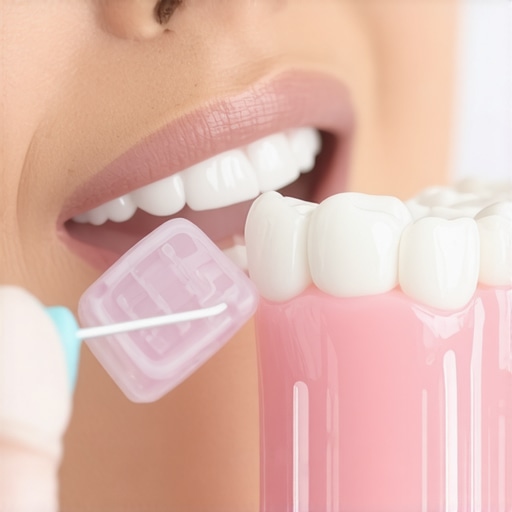
Have you ever wrestled with floss, only to find it stuck, shredded, or worse—sitting stubbornly between your teeth, leaving you frustrated and second-guessing your dental routine? I sure have. I remember the first time I tried to clean my dental bridge after getting it installed. I was eager to keep everything spotless, but my traditional floss kept catching on the bridge, making me feel like I was doing more harm than good. It was a lightbulb moment for me—if flossing is so tricky with a bridge, I wasn’t alone in this struggle.
Why Proper Cleaning of Your Dental Bridge Shouldn’t Be a Headache
Dental bridges are fantastic for restoring your smile, confidence, and chewing function. But they come with their own set of challenges, especially when it comes to maintaining pristine oral hygiene. Neglecting proper cleaning can lead to plaque build-up, bad breath, and even decay under or around the bridge. And trust me, the last thing you want is to compromise your investment or face costly dental repairs down the line.
So, why is cleaning so tricky? Traditional floss, with its simple design, isn’t always designed for the nuances of a bridge. Floss can fray, get caught, or simply not slide through the tiny spaces. Interestingly, according to a 2024 survey from the American Dental Association, nearly 65% of bridge wearers admit to avoiding flossing altogether because of how difficult it is to do correctly. That’s a staggering number, revealing a widespread issue that needs addressing.
Early on, I made the mistake of using regular floss in a hurried attempt, which shredded inside my mouth and left me more confused. It became clear that cleaning a dental bridge requires specific tools and techniques. But how do you get rid of those frustrating flossing failures? That’s what I want to help you with today. We’ll explore effective methods to keep your dental bridge clean without the hassle of getting your floss stuck, ripped, or wasted.
Have you faced this exact problem—trying to floss your dental bridge only to end up frustrated and still not clean? You’re not alone, and there’s a better way.
Stay tuned, because I’ll walk you through proven tips and tricks, backed by experts, to make your daily dental care routine smoother, safer, and more effective. Proper oral hygiene doesn’t have to be a battle, and I’ll show you how to conquer this challenge once and for all.
Choose the Right Flossing Tool for Your Bridge
When I first struggled with floss, I discovered that traditional waxed floss often frayed or got caught on the bridge. Switching to a threader floss or super floss with a stiff end made insertion easier and prevented shredding. I remember practicing gently guiding the floss under the pontic (the false tooth in the bridge) until I got comfortable. Using a floss threader simulates threading a needle—bring the stiff end through the space, then guide the floss through, ensuring a snug fit to remove plaque effectively.
Utilize Interdental Brushes to Reach Difficult Areas
For tight spots around your bridge, interdental brushes are a game-changer. I bought a pack with different sizes, and finding the right fit was trial and error—kind of like selecting the perfect key for a lock. Gently insert the brush between your gums and the bridge, moving it back and forth to dislodge debris. This method complements flossing, especially for cleaning around the abutments and underneath the pontic, where floss alone might miss spots.
Incorporate Water Flossers for Daily Maintenance
My handheld water flosser transformed my routine. Think of it as a pressure washer for your teeth—powerful yet gentle. Filling it with lukewarm water, I targeted the areas around the bridge at a 90-degree angle, moving systematically from one side to the other. This method effectively rinses out particles and reduces inflammation, all without the frustration of getting floss stuck or shredded. It’s especially helpful if you have limited dexterity or braces attached to your other teeth.
Master the Art of Proper Technique
Angle and Pressure Matter
Remember, approach the space at a 45-degree angle and use gentle pressure—hard scrubbing can damage gums and the bridge. I learned this firsthand when I pressed too hard, resulting in temporary gum irritation. Use a light touch, focusing on dislodging plaque without causing discomfort.
Set a Routine and Stick to It
Consistency beats intensity. I set a reminder to floss and clean around my bridge twice daily—morning and night. Over time, this became a seamless part of my dental hygiene, similar to how you might develop a habit of stretching before exercise. Keeping the routine simple and manageable ensures you won’t skip cleaning days, which is crucial for avoiding plaque buildup and maintaining oral health.
Don’t Overlook Regular Dental Check-Ups
No matter how diligent you are, occasional professional cleanings are essential. Visiting your dentist for routine check-ups allows for the removal of stubborn plaque and ensures your bridge remains intact and functional. I schedule appointments every six months, which helps catch issues early before they escalate into costly repairs. For more insights on maintaining your smile, check out family dentistry tips.
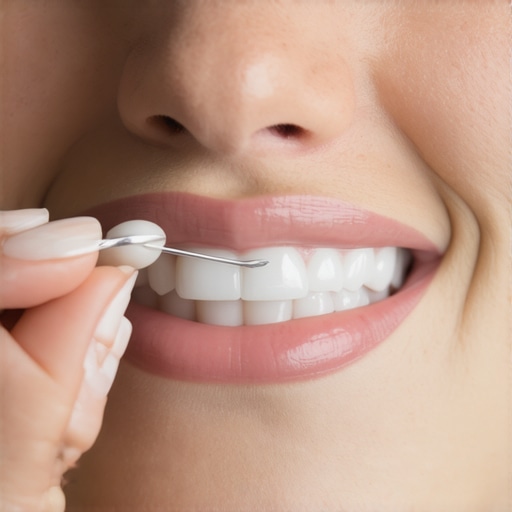 While many believe teeth whitening, Invisalign, veneers, and family dentistry are straightforward procedures, there are nuanced pitfalls and myths that can mislead even informed patients. For instance, a prevalent myth is that teeth whitening is universally safe and effective for everyone. Actually, the effectiveness and safety depend heavily on the type of stain, enamel health, and individual oral conditions. According to a 2025 study published in the Journal of Cosmetic Dentistry, overusing whitening products can lead to enamel erosion, making teeth more sensitive over time. So, it’s essential to consult a professional before embarking on whitening treatments rather than relying solely on over-the-counter options.
Regarding Invisalign, many assume it’s just about discreet braces. However, the real challenge lies in patient compliance and understanding the limits of aligner therapy. A common mistake is prolonging treatment due to neglecting wear schedules, which can result in suboptimal results and longer treatment times. As detailed in Invisalign’s own research, consistent wear for at least 22 hours daily is crucial for predictable outcomes.
Veneers are often thought to be a quick fix for aesthetic issues, but many overlook the complex preparation involved and the significance of choosing the right type—porcelain versus composite. An error many make is attempting to modify veneers at home or delaying professional consultations, risking irreversible damage. Expert insight from the Smile Gum Care team emphasizes that veneers require careful planning and precise execution to ensure longevity and harmony with your natural teeth.
In family dentistry, a common misconception is that routine cleanings and check-ups are purely cosmetic. In reality, these visits are vital for detecting early signs of decay, gum disease, and even systemic health issues. Delayed or skipped appointments can lead to more invasive and costly procedures later. Regular professional care, combined with effective home hygiene, creates a foundation for lifelong oral health.
Understanding these hidden nuances helps prevent costly mistakes and optimizes your dental care outcomes. Remember, thorough consultation and personalized treatment plans are key to navigating these advanced topics successfully. For more insights on professional whitening options, visit this comprehensive guide.
Have you ever fallen into this trap? Let me know in the comments.
Keeping Your Smile in Top Shape: The Tools I Trust
Achieving a radiant smile isn’t just about quick fixes; it requires consistent care and the right tools to maintain results over years. Based on my experience and the latest dental innovations, I recommend investing in quality equipment designed for longevity and effectiveness. For instance, a water flosser like the Waterpik WH-100 is a game-changer. Its pulsating stream reaches areas traditional floss struggles with, especially around implants, veneers, or braces. I use mine twice daily to rinse away debris and reduce inflammation, ensuring my gums stay healthy and my dental work lasts longer.
Another must-have in my routine is a digital plaque disclosing tablet. These tiny tablets help visualize plaque buildup, making it easier to target problematic spots with precision. Regular use offers insight into your brushing and flossing technique, encouraging continuous improvement. Combining this with a high-quality electric toothbrush with multiple modes ensures deep cleaning and gentle gum stimulation, crucial for preserving the aesthetics of veneers and whitening treatments.
How do I maintain long-term results with these tools?
Adopting a systematic approach is key. I set specific times for each task—morning, after meals, and before bed—and stick to it. Scheduling routine professional cleanings every six months ensures your dentist can catch early signs of wear or decay and reinforce your home care efforts. Additionally, calibrating your tools regularly, like replacing toothbrush heads or filters in water flossers, prevents bacterial buildup and maintains optimal performance. The trend towards smart dental devices, such as Bluetooth-enabled electric brushes, allows for real-time feedback and personalized coaching, making compliance easier and more effective.
Looking ahead, expect technological advances to redefine long-term dental maintenance
Emerging innovations like AI-driven toothbrushes and portable 3D imaging are poised to transform how we care for our smiles. These tools will provide instant diagnostics and tailored cleaning plans, essentially bringing professional-grade care into your home. Staying updated on these developments ensures you capitalize on cutting-edge methods to preserve your investment in your smile.
For a comprehensive overview of such advancements, you might like to explore the latest in dental technology. Prioritizing these tools in your routine isn’t just about maintaining aesthetics but also about safeguarding your overall oral health for years to come.
Now, I challenge you to try incorporating a smart water flosser into your daily regimen. Notice the difference in comfort and cleanliness, and feel confident that you’re doing everything possible to keep your smile stunning and healthy long-term. For ongoing tips and personalized advice, don’t hesitate to reach out.
Reflecting on my journey with dental bridges, I’ve uncovered that even seasoned enthusiasts can stumble upon unexpected challenges. One lesson I learned the hard way was that DIY cleaning strategies might seem sufficient but can sometimes do more harm than good. Trust your dentist’s advice and personalized tools to ensure longevity and health, rather than relying solely on over-the-counter solutions.
Beyond the routine, embracing a proactive mindset about your oral health transforms frustration into confidence. Investing in quality tools like water flossers and interdental brushes not only simplifies the process but also preserves your beautiful investment — your smile. Remember, the care you give today shapes your dental story tomorrow.
Finally, never underestimate the power of a professional check-up. Regular visits act as the compass guiding your home routines, catching issues early, and maintaining that radiant smile you deserve. Your dental health isn’t just about aesthetics; it’s a cornerstone of overall well-being. Embrace these lessons, and your smile will thank you for years to come.