
The Real Reason Culpeper Dentists are Swapping Traditional X-Rays for 3D Scans
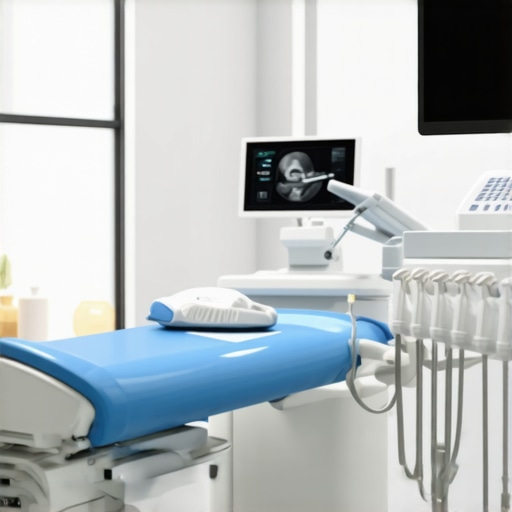
The Real Reason Culpeper Dentists are Swapping Traditional X-Rays for 3D Scans
In the heart of Virginia, the landscape of healthcare is shifting rapidly. For years, residents looking for a dentist in culpeper va expected the standard routine: a quick visual check and a few biting-down sessions on uncomfortable plastic tabs for 2D X-rays. However, a technological revolution is quietly taking place in our local clinics. The primary driver of this change is CBCT (Cone Beam Computed Tomography). As the gold standard for modern diagnostics, CBCT is moving beyond the limitations of flat images to provide a comprehensive, three-dimensional view of oral health. While traditional 2D X-rays remain a staple for routine prophy dentistry and basic checkups, complex cases – ranging from dental implants to difficult extractions – now demand the depth and clarity that only 3D scanning can provide. Leading culpeper va dentists are investing in this technology not just to stay current, but to ensure patient safety and clinical success are never compromised.
What is CBCT? Moving Beyond the Flat Image
To understand why CBCT is a game-changer, we must first look at the limitations of the past. Traditional dental X-rays are two-dimensional. Imagine trying to understand the full structure of a house by looking at a single photograph of the front door. You might see the color and the handle, but you have no idea how deep the house goes or what lies behind the walls. This is the “flat image” problem that has challenged primary care dentistry for decades.
Cone Beam Computed Tomography functions differently. Instead of a single flat beam of radiation, CBCT uses a cone-shaped X-ray beam that rotates 360 degrees around the patient’s head. As it rotates, it captures hundreds of high-resolution images from every conceivable angle. These images are then digitally reconstructed into a single 3D model. This provides a 360-degree view of the mouth, face, and jaw, including teeth, bone structures, nerve pathways, and even soft tissues.
For an oral care dentist, this means the ability to “virtually” walk through a patient’s jawbone before ever picking up a surgical tool. This technology is a significant leap forward from the “panoramic” X-rays often found at an all smiles dentist office. While a panoramic shot shows the whole mouth in one flat strip, it often suffers from distortion. 3D scans eliminate this distortion, providing 1:1 anatomical accuracy that is vital for modern dentistry services.
5 Reasons Culpeper Dentists are Upgrading to 3D Imaging
1. Unmatched Precision
One of the most frustrating experiences for both a patient and a dentist culpeper va is a persistent toothache that doesn’t show up on a standard X-ray. Traditional films often miss “silent” issues because of overlapping structures. CBCT excels in locating cracked teeth that don’t show on a regular x-ray. By viewing the tooth in cross-sections, a dentist can identify microscopic fractures or accessory canals in the root system that would otherwise remain hidden until they caused a major infection requiring 24hr dental care.
2. Reduced Radiation Compared to Medical CTs
A common concern among patients at culpepper family dentistry is radiation exposure. It is a common misconception that a “CT scan” at the dentist is the same as one at a hospital. In reality, CBCT delivers significantly less radiation than a traditional medical CT scan. Because the beam is cone-shaped and targeted specifically to the craniofacial area, the exposure is often comparable to a standard series of 2D dental X-rays, yet it provides exponentially more data. This makes it a safe choice for regular use in a dental care clinic near me.
3. Better Success Rates for Dental Implants
Precision is everything when it comes to tooth replacement. If you’ve read about “The Truth About Dental Implants and Why They Might Set Off Airport Security,” you know that the integration of the implant with the bone is the key to longevity. 3D imaging allows for precise placement by measuring the exact height, width, and density of the jawbone. This ensures the implant is placed in the optimal position to avoid nerves and sinuses, drastically increasing the success rate for patients seeking the best dentistry outcomes in the region.
4. Early Detection of Hidden Issues
Preventive care is the cornerstone of dental preventive care services. 3D scans allow dentists to identify infections, cysts, or bone loss long before they become symptomatic. In many cases, these issues are caught during a routine scan for another procedure, allowing for early intervention. This proactive approach is what differentiates a standard clinic from a top-tier all smiles dentistry provider. Catching a small pocket of infection early can save a patient from a future of pain and expensive emergency treatments.
5. Enhanced Patient Comfort
We’ve all been there – biting down on those sharp, uncomfortable plastic sensors while the dental assistant tells you to “hold still” for what feels like an eternity. With 3D scanning, that discomfort is a thing of the past. The patient simply stands or sits in the center of the machine while the arm rotates around them. The scan is fast – often taking less than 20 seconds – and completely non-invasive. This ease of use is particularly beneficial for children or patients with a strong gag reflex who struggle with traditional prophy dentistry imaging.
The Local Impact: Why Modern Tech Matters in Culpeper
For a long time, there was a narrative that high-tech medical care was reserved for the urban corridors of Alexandria or the medical hubs in Richmond. However, recent reports, including findings from VPM news, have highlighted how outdated equipment can slow down care in rural and suburban Virginia. In Culpeper, we are seeing a pushback against this trend. Leading dentists in culpeper va are recognizing that to provide the best care, they must invest in the same technology found in the world’s leading dental schools.
As the CEO of Planvest, I have seen firsthand how the integration of CBCT changes the business and clinical dynamics of a practice. When a culpeper dentist invests in 3D scanning, they are reducing the need for patient referrals to specialists miles away. This keeps care local, reduces the “time-to-treatment,” and improves the overall customer experience. High-tech care is no longer a luxury; it is a requirement for any dentist culpeper who wants to provide comprehensive, modern oral health solutions. Furthermore, 3D printing and scanning are dropping costs for dentures and crowns by nearly 90% in some Virginia clinics, making advanced care more accessible to the average family.
When Do You Actually Need a 3D Scan?
Not every visit to a oral care dentist requires a 3D scan. For a standard cleaning or a simple filling, 2D images or even just a visual exam are often sufficient. However, there are specific scenarios where CBCT becomes indispensable:
- Planning for Invisalign: Achieving a straight smile requires understanding how the roots of the teeth move through the bone. For more on this, see “Invisalign Secrets: Achieving a Perfect Smile Discreetly.” A 3D scan provides the blueprint for this movement.
- Evaluating Impacted Wisdom Teeth: Knowing the exact proximity of a wisdom tooth to the mandibular nerve can prevent permanent nerve damage during extraction. This is a vital part of “Ensuring Family Dental Care: What Parents Need to Know in 2025.”
- Complex Root Canals: Molars often have hidden canals that 2D X-rays miss. Using 3D tech ensures the allsmilesdentalculpeper.com team can clean the entire tooth, preventing reinfection.
- Diagnosing TMJ or Jaw Pain: If you’ve wondered “Why Your Jaw Clicks Every Time You Chew Gum” or “Why Your Teeth Ache When You Have a Sinus Infection,” a 3D scan can visualize the joint and the sinus cavities to find the root cause.
- Gum Health: Understanding bone levels is crucial for treating periodontal disease. If you are worried about “How to Tell if Your Gum Recession is Caused by Over-Brushing,” a scan can show the actual bone support remaining.
Whether it’s for allsmilesdentalculpeper.com or allsmilesdentalculpeper.com, the clarity provided by 3D imaging ensures that the diagnosis is right the first time.
Frequently Asked Questions About Dental 3D Scans
Is it safe?
Yes. CBCT scans use significantly lower radiation than medical-grade CT scans. Dentists follow the ALARA principle (As Low As Reasonably Achievable) to ensure you get the maximum diagnostic benefit with minimum exposure.
How much does it cost?
While a 3D scan may have a higher upfront cost than a single 2D X-ray, it is often more efficient. By providing a perfect diagnosis the first time, it prevents the need for multiple follow-up 2D views and reduces the risk of costly treatment failures.
Does it hurt?
Not at all. It is a completely non-invasive, “walk-around” scanner. There are no sensors placed in your mouth, making it the most comfortable imaging experience available at a dentist in culpeper va.
Conclusion: Choosing the Best Dentistry in Culpeper
Ultimately, the move toward 3D scanning is about safety, accuracy, and better patient outcomes. If you are looking for an oral care dentist who prioritizes modern CBCT technology, it’s time to evaluate your options. Whether you need a standard prophy dentistry session or a complex consultation, choosing a provider with the right tools is the first step toward a lifetime of health. Visit culpeper va dentists or explore the full range of dentistry services at allsmilesdentalculpeper.com to experience the difference that 3D technology can make.