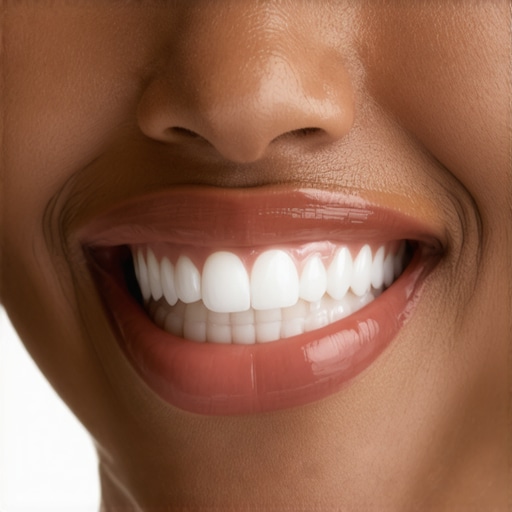
Revolutionizing Aesthetic Dentistry: The Strategic Role of Veneers and Invisalign in Modern Smile Makeovers
In the evolving landscape of cosmetic dentistry, the integration of veneers and Invisalign has become a cornerstone for achieving comprehensive smile transformations. This synergy allows practitioners to address both functional and aesthetic concerns with unprecedented precision, delivering results that align with the high expectations of today’s discerning clients.
Leveraging Material Science for Long-term Smile Enhancement
Advanced ceramic veneers, such as lithium disilicate, provide exceptional durability and translucency, mimicking natural enamel while resisting staining and chipping. When combined with Invisalign’s gentle, precise orthodontic forces, practitioners can correct misalignments before veneer placement, ensuring optimal aesthetic harmony and structural integrity.
Addressing Complex Malocclusions: Beyond Surface Improvements
Patients with complex malocclusions or periodontal concerns benefit from a phased approach where Invisalign stages realignment, and veneers refine the final contours. This layered strategy minimizes invasive procedures and promotes long-term oral health, aligning with evidence-based practices outlined in recent Journal of Prosthetic Dentistry publications.
What are the latest innovations in combining veneers with Invisalign for comprehensive smile makeovers?
Emerging techniques include digital smile design (DSD) integration, which allows for meticulous planning and visualization, enhancing patient communication and treatment accuracy. Additionally, the advent of minimally invasive veneer techniques preserves tooth structure, aligning with the latest trends in conservative aesthetic dentistry.
For practitioners seeking to enhance their expertise or expand their service offerings, exploring related content on Invisalign and veneers synergy in 2024 can provide valuable insights. Moreover, engaging with peer-reviewed studies, such as those published in the International Journal of Esthetic Dentistry, ensures adherence to the highest standards of care.
Implementing these advanced strategies not only elevates clinical outcomes but also significantly boosts patient satisfaction, fostering trust and long-term relationships. As the field continues to innovate, staying informed about new materials, digital workflows, and minimally invasive techniques remains essential for delivering superior smile transformations.
To explore tailored solutions for your practice or to discuss complex cases, consider reaching out to trusted experts via our contact page.
The Future of Smile Makeovers: Merging Technology and Artistry
As the field of cosmetic dentistry continues to evolve, practitioners are leveraging cutting-edge digital tools to craft personalized, predictable smile transformations. Digital smile design (DSD) platforms enable detailed visualization of potential outcomes, fostering clearer communication and setting realistic expectations for patients. This integration of technology not only streamlines workflows but also enhances the precision of treatments involving veneers and Invisalign, ensuring that each aspect of the smile aligns perfectly with facial aesthetics.
Material Innovations Elevate Aesthetic and Functional Outcomes
Recent advancements in ceramic materials, such as zirconia-reinforced lithium disilicate, provide even greater strength while maintaining excellent translucency. These materials resist chipping and staining over time, promising longevity for veneers. When paired with Invisalign’s progressive orthodontic forces, clinicians can address complex malocclusions with minimal invasiveness, minimizing the need for extensive tooth preparation and preserving natural tooth structure. This approach embodies the principles of conservative aesthetic dentistry, aligning with the latest research from the International Journal of Esthetic Dentistry.
How can emerging digital workflows redefine the boundaries of smile design and execution?
Digital workflows, including intraoral scanning, CAD/CAM fabrication, and 3D printing, are revolutionizing how practitioners plan and execute smile makeovers. These tools reduce errors, shorten treatment times, and enable highly customized solutions that adapt to each patient’s unique anatomy. For instance, digital wax-ups can be translated into precise veneer fabrications that fit perfectly, reducing chairside adjustments and enhancing patient satisfaction. Exploring these innovations through dedicated courses or trusted resources like Invisalign and veneers synergy in 2024 can elevate clinical outcomes significantly.
Furthermore, the integration of artificial intelligence (AI) in treatment planning allows for predictive modeling of soft tissue responses and aesthetic results, empowering clinicians to make data-driven decisions. Embracing these technological advances is essential as the industry moves toward a more precise, patient-centered approach, ensuring that smile makeovers are not only beautiful but also durable and functionally sound.
Personalized Patient Experiences Drive Loyalty and Referrals
Beyond the technical aspects, creating an engaging and educational patient journey is crucial. Utilizing virtual consultations and interactive digital previews helps patients visualize their future smiles, fostering trust and enthusiasm. When patients feel involved in the design process, they are more likely to be satisfied with the outcome and recommend your practice to others.
For those interested in expanding their expertise or exploring comprehensive solutions, reaching out through our contact page can open doors to tailored mentorship and advanced training. Staying informed about the latest trends and evidence-based practices ensures your practice remains at the forefront of aesthetic innovation.
Harnessing the Power of Digital Smile Design to Achieve Flawless Results
Digital Smile Design (DSD) has revolutionized the way practitioners plan and execute smile makeovers. By integrating high-resolution imaging, CAD/CAM technology, and virtual simulations, clinicians can craft highly personalized plans that align with each patient’s unique facial features and aesthetic desires. This approach minimizes guesswork, reduces chairside adjustments, and enhances patient satisfaction.
Advanced software allows for dynamic manipulation of smile parameters, enabling practitioners to preview outcomes with remarkable accuracy. This visualization fosters transparent communication, ensuring patients are actively involved in the decision-making process. Moreover, the digital workflow streamlines the fabrication of veneers and orthodontic appliances, cutting down treatment times and improving precision.
How does AI-driven predictive modeling enhance the longevity of smile makeovers?
Artificial Intelligence (AI) is increasingly being utilized to analyze soft tissue responses, predict wear patterns, and optimize material selection. By integrating AI into treatment planning, clinicians can foresee potential complications, customize maintenance protocols, and select materials that will withstand functional stresses over time. This proactive approach significantly extends the lifespan of veneers and orthodontic results, aligning with evidence from recent studies in the Journal of Dental Research which emphasize the importance of predictive analytics in restorative dentistry (source).
For practitioners eager to adopt these cutting-edge methods, participating in specialized training programs or accessing high-quality digital tools is essential. Staying ahead in digital dentistry not only elevates clinical outcomes but also enhances your practice’s reputation as a leader in aesthetic innovation.
Material Science Breakthroughs for Superior Aesthetic and Functional Outcomes
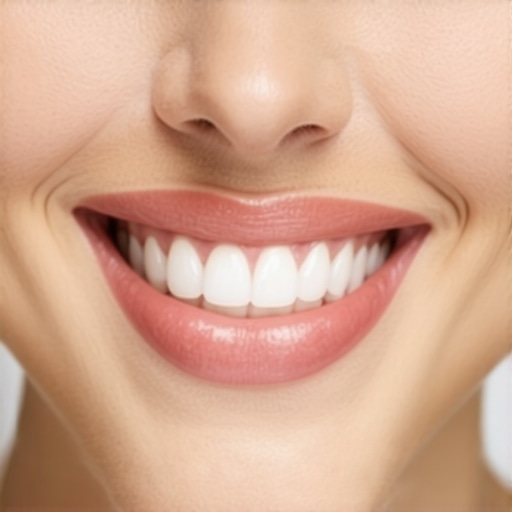
Recent advancements in ceramic materials, such as translucent zirconia and multilayered lithium disilicate, offer unparalleled strength combined with natural translucency. These innovations enable the creation of veneers that mimic the optical properties of natural enamel while resisting staining and chipping over extended periods.
When paired with minimally invasive bonding techniques, these materials preserve more natural tooth structure and reduce patient discomfort. The integration of such materials with digital workflows facilitates precise, predictable fabrication and placement, ultimately resulting in durable, beautiful smiles that stand the test of time.
< >
>
Furthermore, research indicates that the interface between ceramic and resin cement can be optimized through surface treatments such as silanization and laser etching, enhancing bond strength and longevity (source). For clinicians committed to excellence, staying updated on these material science innovations is crucial for delivering long-lasting aesthetic results.
What are the key considerations when selecting ceramic materials for custom veneer cases?
Choosing the appropriate ceramic involves evaluating factors such as translucency, flexural strength, bondability, and biocompatibility. For anterior esthetic cases, multilayered lithium disilicate offers a balance of optical properties and durability. Conversely, for posterior restorations requiring higher load resistance, zirconia-based ceramics may be preferred. A thorough understanding of each material’s properties, combined with case-specific demands, ensures optimal outcomes.
To deepen your expertise, consider engaging with peer-reviewed journals and attending specialized workshops that focus on material science and digital workflows in aesthetic dentistry. The investment in knowledge translates directly into superior patient care and practice growth.
Integrating Multimodal Technologies for Seamless Smile Transformation
The future of aesthetic dentistry hinges on the seamless integration of multiple digital platforms—scanning, designing, fabricating, and delivering. Intraoral scanners provide precise impressions that feed directly into CAD software, enabling the creation of virtual mock-ups. These digital models serve as the blueprint for fabricating veneers and aligners with exceptional accuracy.
3D printing and milling technologies have further shortened turnaround times, allowing for same-day restorations in some cases. When combined with AI-driven planning and material innovations, these tools empower clinicians to deliver predictable, minimally invasive smile makeovers that meet the highest standards of quality and aesthetics.
Adopting a comprehensive digital workflow not only enhances clinical precision but also improves patient experience by reducing appointment frequency and ensuring consistent results. For those ready to elevate their practice, exploring integrated digital systems and staying abreast of emerging technologies is a strategic imperative.
Breaking Barriers in Aesthetic Dentistry Through Digital Precision
The convergence of cutting-edge digital workflows and material science has revolutionized smile design, offering unprecedented control over aesthetic and functional outcomes. Advanced intraoral scanners and CAD/CAM technologies enable clinicians to craft highly accurate virtual models, ensuring a perfect fit for veneers while minimizing tooth preparation. This synergy enhances predictability and patient satisfaction, transforming traditional approaches into precise art forms.
The Role of Hybrid Materials in Achieving Natural Elegance
Emerging ceramic composites, such as multilayered zirconia-lithium disilicate hybrids, provide the ideal balance between strength and translucency. They facilitate the creation of lifelike restorations that seamlessly mimic natural enamel properties. These materials are not only resilient under occlusal forces but also compatible with adhesive protocols that maximize bond strength, extending the longevity of smile makeovers.
Can AI Analytics Predict Long-Term Success of Veneer and Invisalign Combinations?
Artificial intelligence-driven predictive analytics are now capable of modeling soft tissue responses, wear patterns, and even patient-specific biological factors. By integrating AI into treatment planning, practitioners can forecast potential complications and tailor maintenance strategies proactively. Studies in the Journal of Dental Research highlight how these tools enhance treatment durability, ensuring smiles not only look perfect but remain resilient over time.
Engaging with this technological frontier requires continuous education and adoption of specialized software, positioning your practice at the nexus of innovation and excellence. Curate your mastery in digital dentistry to unlock new dimensions of aesthetic and functional success.
Mastering the Art of Minimal Invasive Techniques with Material Science
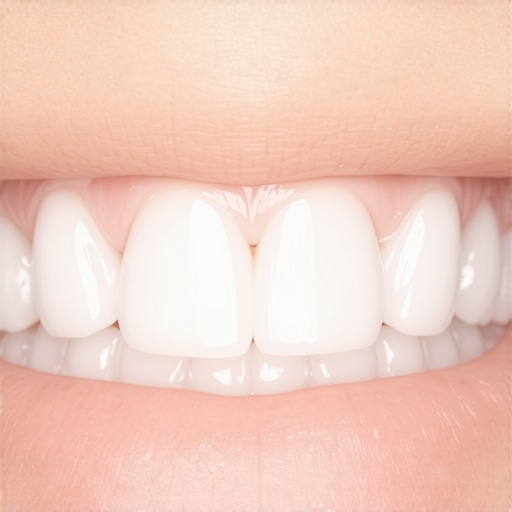
The latest advances in ceramic veneer fabrication emphasize minimally invasive protocols, preserving maximal natural tooth structure. Using ultrathin veneers bonded with high-strength resin cements, clinicians can achieve remarkable aesthetic results without significant tooth reduction. This approach aligns with the principles of conservative dentistry, reducing patient discomfort and enhancing long-term oral health.
Materials such as translucent zirconia and multilayered lithium disilicate are pivotal in this evolution, offering durability without compromising translucency. When paired with digital planning and precise adhesive strategies, the potential for flawless, durable restorations is expanded exponentially.
< >
>
For practitioners committed to pushing the boundaries of aesthetic excellence, understanding the interface chemistry and surface treatments that optimize bond strength is essential. Consult authoritative sources like the International Journal of Esthetic Dentistry to stay abreast of breakthroughs in material science that directly impact clinical success.
How Can Digital Twins Transform Custom Smile Design?
The concept of digital twins—virtual replicas of patient-specific oral anatomy—ushers in a new era of personalized aesthetic dentistry. By integrating 3D facial scans with intraoral data, clinicians can simulate and optimize smile outcomes in a virtual environment before any physical intervention occurs. This process ensures that every contour, shade, and alignment is tailored to facial harmony, significantly reducing the margin of error and enhancing predictability.
The fusion of digital twins with AI-driven analytics enables real-time adjustments and predictive modeling of soft tissue dynamics, further refining treatment plans. This holistic approach empowers practitioners to deliver results that are not only visually stunning but also functionally harmonious and durable over time.
Explore advanced training modules and digital tools to harness this technology, elevating your practice into the realm of futuristic, patient-centered care.
Innovative Approaches Elevate Aesthetic Outcomes
Integrating digital smile design and minimally invasive techniques enables clinicians to craft highly personalized, durable smile transformations. Leveraging 3D imaging and AI analytics refines treatment planning, reduces chair time, and improves patient satisfaction, setting new standards in cosmetic dentistry.
Material Advancements Push Boundaries
Recent breakthroughs in translucent zirconia and multilayered lithium disilicate expand options for functional, lifelike restorations. These materials offer exceptional strength and optical properties, ensuring longevity and aesthetic appeal, especially when paired with conservative adhesive protocols.
Multimodal Digital Workflow Transforms Practice Efficiency
Adopting an end-to-end digital workflow—from intraoral scanning to CAD/CAM fabrication—streamlines case planning and execution. Digital twins, combined with AI-driven soft tissue prediction, allow for precise, predictable smile design that aligns perfectly with facial features.
Enhancing Patient Engagement with Virtual Technology
Virtual consultations and interactive previews foster deeper patient involvement, increasing confidence and satisfaction. These tools facilitate transparent communication, manage expectations, and build trust, ultimately leading to higher referral rates and practice growth.
Focus on Long-Term Success and Maintenance
Implementing predictive analytics and surface treatment protocols optimizes bond strength and wear resistance, extending the lifespan of veneers and Invisalign results. Continuous education on material science and digital innovations remains vital for maintaining clinical excellence.


5 Comments