
Why your teenager is suddenly getting cavities between their teeth
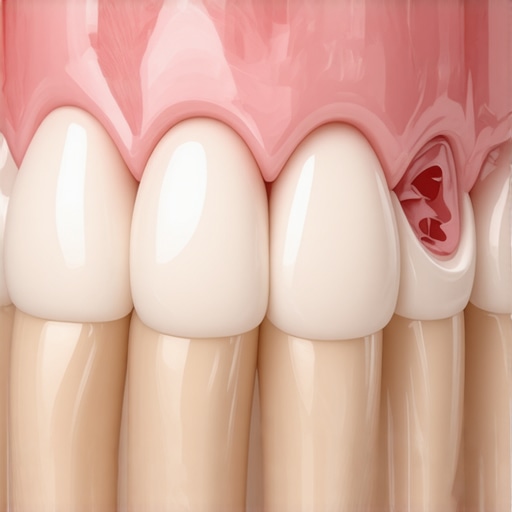
I’ll never forget the look on my daughter’s face—or mine, for that matter—when the dentist pointed to the X-rays and showed us three dark spots tucked right between her molars. I felt like I’d been punched in the gut. I pride myself on being the ‘dentist-approved’ neighbor who buys the right toothbrushes and hides the soda, yet here we were, facing a hefty bill and a miserable afternoon of fillings. It felt like a personal failure in family dentistry. If you’re standing in your kitchen right now, staring at a dental estimate and wondering where it all went wrong, I’ve been there. My big mistake was assuming that because she was older, she didn’t need me hovering over the bathroom sink anymore. I was wrong. Today, I am going to pull back the curtain on why these ‘interproximal’ cavities happen and how we can actually fix the cycle before it costs you a fortune. Have you noticed your teenager suddenly complaining about tooth sensitivity or avoiding cold drinks?
The Silent Creep of Interproximal Decay
These aren’t your typical ‘I forgot to brush’ cavities that sit right on the chewing surface. These are the ones that hide. You can’t see them in the mirror, and half the time, your teen doesn’t even feel them until they are deep. According to the American Academy of Pediatric Dentistry, nearly 50% of children have some form of tooth decay by age 15, and a massive portion of that is ‘hidden’ decay between the teeth. It starts when the acid from food gets trapped in those tight spaces where a toothbrush simply cannot reach. You might even need to learn how to tell if you have a hidden cavity between teeth before the actual pain starts. It’s a frustrating reality for parents who thought they were finally out of the ‘cavity woods.’
Is this just a phase they will outgrow?
It is tempting to think it is just teenage rebellion or a temporary love affair with energy drinks. But the truth is often structural. As their jaw grows and adult teeth fully settle, the gaps often tighten, creating perfect little pockets for plaque. This is especially true if they are currently undergoing invisalign innovation or wearing traditional metal braces. If they aren’t flossing perfectly—and let’s be real, what fifteen-year-old is?—the enamel in those gaps is under constant attack. Unlike a scraped knee, enamel doesn’t just grow back. We have to be proactive.
Why Healthy Snacks Aren’t Always Saving the Day
We often blame the candy bars, but sometimes the ‘healthy’ choices are the secret villains. My daughter lived on dried fruit and ‘natural’ granola bars—two of the worst offenders for getting stuck between teeth for hours. If you want to protect their enamel, you have to look at the best snacks for kids that wont cause cavities between meals. It’s not just about what they eat; it’s about how long that sugar sits in the ‘no-mans-land’ between their teeth. We changed our snack game at home, swapping the sticky fruit leather for cheese and crunchy veggies, and the results at the next checkup were night and day. It takes more than just a quick brush to clear out the debris from a lunchtime protein bar.
Why Your Toothbrush Is Only Doing Half the Work
Think of your teenager’s teeth like a row of houses built side-by-side with no space in between. You can paint the front and the back easily, but the siding facing the neighbor is completely inaccessible. That is exactly what happens with interproximal decay. If you aren’t physically disrupting the biofilm between those ‘houses,’ the wood is going to rot from the inside out. I learned this the hard way when I found my son trying to ‘floss’ with a wooden toothpick because he liked the way it looked in old movies. He ended up wedging a popcorn hull so deep into his gum that his whole jaw swelled up by dinner time. I frantically had to look up how to safely remove a piece of popcorn stuck in your gums before we ended up in the emergency room. It was a messy, painful lesson that standard brushing doesn’t reach the danger zones.
Master the Art of the Tight-Space Clean
For kids with tight contacts, traditional string floss is the gold standard, but it’s also the hardest to get them to do. If they are struggling, I recommend switching to a high-powered water flosser. It’s like using a power washer for their mouth; it blasts away the debris that sits in the ‘no-mans-land’ between teeth. You also need to keep a close eye on the appearance of their enamel. Sometimes a chalky patch appears near the gumline or between teeth; you’ll need to know how to tell if a white spot on your tooth is a cavity or just a mark. If it is a cavity, early detection can mean a simple resin filling instead of a root canal.#IMAGE_PLACE_HOLDER_B#
Keep the Hygiene Game Strong During Orthodontics
If your teen is one of the many taking advantage of invisalign secrets to straighten their smile, the risk of hidden cavities actually increases if they aren’t diligent. The aligner trays trap saliva and food particles against the teeth for 22 hours a day. It is a greenhouse for bacteria. I tell my kids that putting their trays back in without brushing is like putting dirty gym socks back on after a shower. It just defeats the purpose. For those with wires, you have to learn how to keep your teeth white while wearing traditional metal braces because the brackets themselves create dozens of new hiding spots for plaque.
Repairing the Damage with Professional Care
Sometimes, despite our best efforts at family dentistry tips, the decay wins. When those dark spots between the front teeth become visible, it can tank a teenager’s confidence. This is where we look at restorative options. If the damage is purely aesthetic after the cavities are filled, you might explore brighten your life top teeth whitening strategies today to even out the tone. In more severe cases where the structure is compromised, you can transform your smile with veneers to give them a fresh, protected start. The goal isn’t just a pretty smile; it is a functional one that avoids future invasive procedures.
While most people think getting veneers or professional whitening is a shortcut to a permanent Hollywood smile, the reality is a lot more complex than the brochures suggest. In the world of family dentistry, we see a recurring mistake: patients treat cosmetic upgrades as a “set it and forget it” solution. The contrarian truth is that a cosmetically enhanced smile often requires more strategic care than your natural teeth ever did. If you transform your smile with veneers, you aren’t just buying new teeth; you are entering a lifelong commitment to protecting the underlying tooth structure and the porcelain integrity.
The “Oops” factor often comes down to aggressive cleaning. There is a common trap where people assume that because a veneer is ceramic, it can handle heavy-duty scrubbing. This couldn’t be further from the truth. To keep your investment looking natural, you actually have to stop brushing your veneers like they are real teeth. Using abrasive whitening toothpastes or charcoal-based products can micro-scratch the surface of the ceramic glaze. Over time, these tiny scratches collect stains and dull the luster, leading to a look that is flat and artificial rather than lifelike. To avoid a cosmetic disaster, you must learn how to stop your veneers from looking too white and fake through proper shade selection and gentle maintenance.
#IMAGE_PLACE_HOLDER_C#
Then there is the Invisalign nuance that many parents miss until it is too late. The marketing focuses on the “invisible” trays, but the secret to success—and the biggest risk for decay—lies in the attachments. These tiny, tooth-colored bumps help move the teeth but also act as physical magnets for plaque. According to a study published in the Journal of Clinical Periodontology, orthodontic appliances can significantly shift the oral microbiome in as little as three months, favoring bacteria that cause enamel demineralization. If your teen isn’t cleaning around those attachments perfectly, they might end up with straight teeth that are covered in permanent white spots on their new adult teeth. It is a frustrating trade-off that only strict hygiene can prevent.
Will whitening my teeth make them more brittle?
This is the question I get most often from patients who are nervous about long-term damage. The short answer is no, provided you aren’t over-processing the enamel. A common belief is that whitening “strips away” a layer of the tooth. In reality, the peroxide travels through the pores of the enamel to break down deep-set stains. However, the danger lies in the “graying” effect. If you use high-concentration gels too frequently, you can strip out the natural pigments that give teeth their healthy, opaque appearance. This leads to a translucent look where the dark interior of the mouth shows through the teeth. If you’ve ever wondered why your teeth look gray instead of yellow after multiple treatments, this is usually the culprit. Following the ultimate guide to teeth whitening options in 2025 is essential to ensure you are brightening your smile safely without compromising the structural density. Have you ever fallen into the trap of over-whitening or scrubbing your dental work too hard? Let me know in the comments. We are always happy to help navigate these tricky choices in ensuring family dental care stays on the right track.
Once you’ve invested in professional whitening or navigated the complexities of family dentistry, the real work begins in the daily grind. I’ve found that the difference between a smile that lasts a decade and one that fades in two years is the tech you keep on your vanity. For my house, a standard toothbrush isn’t enough. I’ve transitioned everyone to ultrasonic cleaners for their retainers and aligners. If you’ve ever noticed why your breath smells like vinegar after wearing aligners all night, it’s because manual scrubbing leaves behind microscopic biofilms. A 42,000Hz ultrasonic bath—the same kind jewelers use—blasts those particles away in three minutes flat. It’s a game-changer for maintaining the clarity of invisalign innovation trays without scratching them.
How do I keep my smile looking day-one fresh for years?
Maintenance is less about brute force and more about strategic chemistry. For those of us with work done, I swear by hydroxyapatite toothpaste. While fluoride is the traditional hero, hydroxyapatite—a mineral that naturally makes up 97% of your enamel—actually plugs the tiny tubules in your teeth to reduce sensitivity. This is especially vital if you’ve noticed why your teeth feel cold for weeks after a whitening session. By remineralizing the surface, you aren’t just cleaning; you are rebuilding. Dr. Koula Asai, a leading researcher in biomimetic dentistry, notes that synthetic hydroxyapatite has been shown to be just as effective as fluoride in preventing caries while being biocompatible for kids who might swallow their paste. I’ve seen it first-hand; my son’s enamel density improved significantly between his six-month checkups once we made the switch.
#IMAGE_PLACE_HOLDER_D#
Looking ahead, the future of keeping our teeth in check is moving toward home-based AI diagnostics. We are already seeing the rise of smart toothbrushes that sync with apps to show you exactly where you missed a spot, but the next step is 3D imaging from your smartphone. Soon, you’ll be able to snap a photo and have an algorithm flag how to tell if you have a hidden cavity between teeth before it ever requires a drill. This shift toward “preventative monitoring” will make ensuring family dental care much less about reacting to pain and more about managing data. If you’re currently using aligners, you must learn how to stop your clear aligners from turning yellow over time to ensure your progress photos stay as clean as your results. I’m also a huge advocate for “stain-prevention habits” rather than constant bleaching. You don’t have to quit your morning routine; just learn how to keep your teeth white without giving up black tea by using a glass straw and rinsing with water immediately after. It sounds simple, but it saves your enamel from the acid-etching cycle that leads to permanent discoloration. If you really want to level up, try swapping your evening floss for a high-pressure water flosser infused with a dash of non-alcoholic antiseptic mouthwash—it’s the single most effective way to clear debris from the back of the mouth where traditional floss often snaps.
What No One Mentions About the 22-Hour Aligner Rule
After years of managing dental routines, I’ve realized that the most dangerous mindset is assuming ‘straight teeth’ automatically equals ‘healthy teeth.’ When my children started using invisalign innovation, I didn’t realize that the trays essentially stop the mouth’s natural cleaning cycle. Without saliva flow, even a tiny amount of sugar from a ‘healthy’ morning smoothie stays trapped against the enamel for hours. The real trick isn’t just wearing the trays; it’s the timing of your rinses. I’ve learned that a quick water swish isn’t enough—you need to actively neutralize the acid before the tray goes back in.
- Saliva is a shield: Don’t let the trays act as a barrier to your body’s natural remineralization process; always rinse with an alkaline mouthwash after eating.
- The ‘Hidden Sugar’ Trap: Even if they aren’t eating candy, the starches in simple carbs break down into sugars that love the spaces between teeth.
- Trust the Data: Use tracking apps to ensure that compliance is actually leading to better hygiene, not just moving teeth.
Gear That Keeps My Family’s Smiles Trackable
I’ve moved away from the ‘buy whatever is on sale’ approach and curated a specific toolkit. First, I highly recommend an ultrasonic cleaner. It removes the bacteria that standard brushing misses, ensuring your breath doesn’t suffer during orthodontic treatment. Second, we’ve integrated hydroxyapatite paste to help with the sensitivity that often follows when you use teeth whitening secrets for a sparkling smile in 2025. Finally, a high-pressure water flosser has replaced traditional string for our teens—it’s simply more likely to be used daily. If you’re ever unsure about which tool fits your specific needs, don’t hesitate to contact us for a personalized recommendation.
#IMAGE_PLACE_HOLDER_E#
Building Your Own Dental Legacy
At the end of the day, the goal of family dentistry isn’t just to fix what is broken—it is to build habits that last a lifetime. It is about teaching our kids that their smile is an investment worth protecting, whether they are wearing braces or enjoying their natural glow. Don’t be discouraged by a bad checkup; use it as a pivot point to upgrade your home routine and embrace the preventative technology available to us today. Your future self—and your wallet—will thank you for the diligence you show today. What is the biggest hurdle you face when getting your kids to stick to a flossing routine? Let me know below.