
The reason your teeth feel loose when you have a head cold
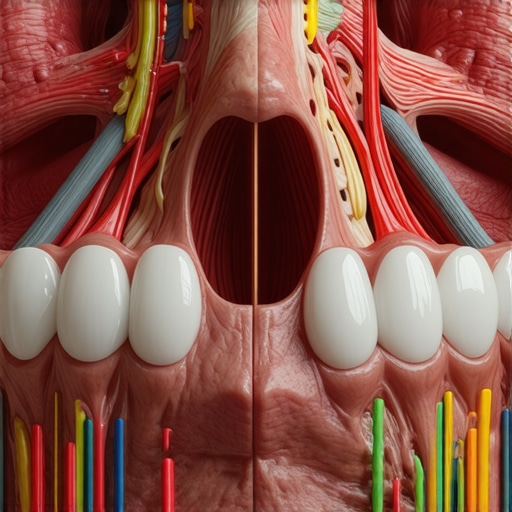
I’ll never forget the sheer panic I felt last winter. I was nursing a brutal head cold, surrounded by a mountain of tissues, when I noticed something terrifying. As I bit down on a piece of soft toast, my front teeth felt—well, there is no other word for it—loose. My heart dropped. I started poking them with my tongue, convinced that my years of family dentistry habits had somehow failed me overnight. I even started googling if veneers were the only way to save my smile. It turns out, I wasn’t losing my teeth; I was just experiencing a classic, albeit creepy, side effect of sinus pressure. If you are currently wiggling your teeth in the mirror while nursing a stuffy nose, breathe. We are going to figure out exactly why your mouth is playing tricks on you.
The Connection Between Your Sinuses and Your Smile
The first time this happened to me, I made a massive mistake: I rushed to the clinic in a full-blown sweat. I was certain I had some hidden gum disease or that my Invisalign treatment from years ago was reverting. The dentist took one look at my red nose and watery eyes and laughed gently. He explained that my maxillary sinuses—the ones right behind your cheeks—were so inflamed they were literally pushing down on the roots of my upper teeth. This pressure can make your teeth feel sensitive, “long,” or even slightly mobile. According to the Mayo Clinic, this type of referred pain is incredibly common because the anatomy of our faces is much more cramped than we realize.
Is it possible my teeth are actually falling out?
It’s the question that keeps you up at night when you’re sick. You wonder if why your teeth ache when you have a sinus infection is actually a sign of something permanent. Let me reassure you: if the looseness is accompanied by a thick head cold and goes away when you decongest, it’s almost certainly temporary. It’s not a failure of your family dental care. However, knowing how to manage tooth pain when you have a cold can save you a lot of anxiety and unnecessary trips to the specialist. Have you ever felt that weird, shifting sensation in your mouth the moment a cold hits? It’s more common than you think. Understanding the mechanics of your jaw and sinuses is the first step toward getting through the flu season without a dental crisis.
Stop the Panic: Your Plan for Managing Floating Teeth
The anatomy of your face is like a crowded apartment building where the neighbors are just a bit too close for comfort. Your maxillary sinuses—those hollow cavities behind your cheekbones—live directly above the roots of your upper teeth. When a cold strikes, these cavities fill with fluid and the lining becomes inflamed, essentially ‘sitting’ on your tooth roots. This creates a sensation of pressure that mimics the feeling of a tooth that has lost its tether. I remember one Tuesday morning during a flu bout when I was convinced my front teeth were about to fall into my cereal bowl. I spent twenty minutes in the bathroom mirror, nudging them with my finger and spiraling into a panic about the cost of veneers. The reality? I just needed a decongestant and a nap.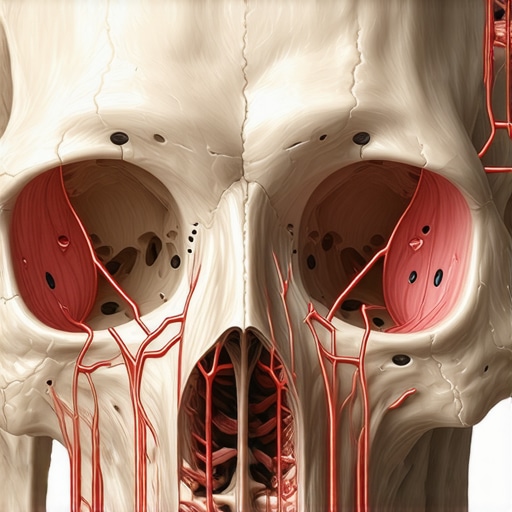
Ditch the Pressure with Targeted Decongestion
The first step to regaining that ‘solid’ feeling in your mouth is to clear the pipes. You aren’t dealing with a structural failure of your jaw; you’re dealing with a plumbing issue. Start with a high-quality saline nasal spray or a Neti pot to flush out the mucus that is physical weighing down on your nerves. When you reduce the volume of fluid in the maxillary sinus, you immediately lift the ‘weight’ off the dental roots. This is the most direct way to manage tooth pain when you have a cold or sinus pressure without resorting to unnecessary dental procedures.
How to Differentiate Sinus Pain from Actual Decay
If you are worried that the wiggle is more than just a cold, try the ‘Jump Test.’ It sounds silly, but it works. Stand on your tiptoes and drop onto your heels. If the impact causes a sharp, thumping pain in your upper teeth, it is almost certainly a sinus issue. Sinus fluid moves with gravity, whereas a cavity or a need for family dentistry intervention will hurt regardless of your head position. Also, pay attention to the location. Sinus-related looseness rarely affects just one tooth; it usually feels like a generalized ‘sponginess’ across the entire upper arch. This is quite similar to why your teeth feel loose during the second month of invisalign—the pressure is systemic across the bone, not isolated to a single point of decay.
Stop Testing the Wiggle with Your Tongue
One of the biggest mistakes I made was constantly ‘checking’ the looseness with my tongue or finger. This actually makes the inflammation worse. Your teeth are held in place by periodontal ligaments, which act like tiny shock absorbers. When these are already compressed by sinus fluid, poking at them just irritates the nerve further. It’s the same logic we use when teaching family dentistry tips for kids: leave the area alone so it can heal. If the sensation persists for more than three days after your nasal congestion clears, or if you notice your teeth hurt when you breathe in cold winter air even when healthy, that is the moment to transition from home care to a professional check-up.It’s funny how we jump to the worst-case scenario when a cold hits, but I’ve noticed people do the exact same thing when they decide to ‘fix’ their smile permanently. We’ve been sold this idea that a trip to the dentist is like a car wash—you go in, get a buff, and you’re good for years. But here is the contrarian truth: more treatment isn’t always better treatment. In fact, many people over-process their enamel in a desperate search for a ‘perfect’ shade, only to end up with teeth that look translucent or oddly gray. This is one of the most common reasons why your professional whitening didn’t work as well as last time; your teeth have reached their ‘saturation point.’ According to the American Academy of Cosmetic Dentistry (AACD), excessive chemical exposure can lead to hypersensitivity and a loss of the tooth’s natural light-reflecting properties, leaving your smile looking dull instead of bright.
Why does my smile look slightly off after finishing Invisalign?
I see this all the time in the world of family dentistry. You spend eighteen months in trays, only to realize why your front tooth looks shorter after wearing invisalign or why your bite feels ‘mushy’ despite the straightness. The trap here is thinking that alignment is purely about aesthetics. If your dentist hasn’t accounted for the way your teeth wear down during the movement phase, you might end up with a ‘perfect’ row that doesn’t actually function correctly. It’s the same logic for those considering veneers—if you don’t address the underlying bite issues or the ‘crowding’ feel, those expensive porcelain covers will chip just like your natural teeth. One major ‘oops’ factor I always warn people about is the DIY whitening craze. People think that ‘natural’ means ‘safe,’ but it’s often the opposite. I’ve seen patients literally dissolve their enamel by following viral internet trends. You must avoid the truth about using lemon juice to whiten teeth or abrasive charcoal, which acts like sandpaper on your smile. If you are already dealing with issues like why your gums are receding even though you brush every day, these harsh methods will only accelerate the damage. Even with professional help, you have to stop brushing your veneers like they are real teeth because they require a non-abrasive approach to stay polished. Finally, when choosing a shade, remember that context is everything; you should always learn how to tell if your veneers are too white for your complexion to avoid that ‘uncanny valley’ look. Have you ever fallen into this trap or felt like a dental treatment didn’t go as planned? Let me know in the comments.Building a great smile is only half the battle; keeping it is where most people drop the ball. I used to think that once my treatment ended, I was done. But whether you are finishing up a course of Invisalign or you’ve just invested in porcelain shells, the real work happens in your bathroom mirror every night. My absolute non-negotiable tool is a high-quality water flosser. Standard floss is great, but it often misses the tiny crevices around veneers or the attachments on your teeth. I personally use the Waterpik Aquarius because the adjustable pressure allows me to clean the gumline without causing irritation, which is vital for ensuring family dental care stays consistent across generations. The key isn’t just brushing; it’s the angle. I recommend holding your brush at a 45-degree angle to the gumline to prevent the recession that often plagues those of us with older dental work. If you’ve ever wondered why your gums are receding even though you brush every day, it’s usually because of scrubbing rather than massaging. This is especially important for parents to teach; family dentistry tips for kids should always focus on technique over force.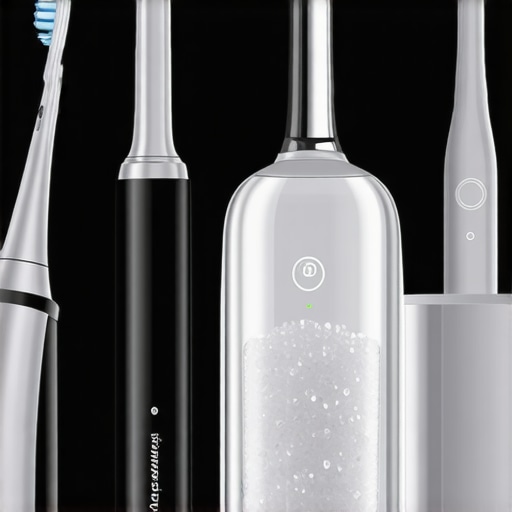
What Does It Take to Keep This Smile From Fading?
Maintaining your results over time isn’t about expensive chemicals; it’s about physical discipline. If you’ve spent months in trays, the biggest risk is relapse. You must stop teeth from shifting without a retainer by being militant about your nighttime wear. I also suggest using specialized cleaning crystals; I’ve found that generic soaps can actually micro-scratch the plastic. If you’re struggling with aesthetics, you need to know how to stop your clear aligners from turning yellow over time—usually by avoiding turmeric or coffee while they’re in. For those with cosmetic work, remember that porcelain doesn’t stain like natural enamel, but the margins around them do. This is why I always recommend a soft-bristled electric brush over a manual one. Technical documentation from manufacturers like Ivoclar Vivadent emphasizes that maintaining the glaze on your porcelain is the only way to keep that natural light-reflectivity. If you scrub too hard with abrasive pastes, you’re essentially sanding off the shine.
Look Into the Future of Digital Dentistry
We are moving into an era where guessing is a thing of the past. The industry is rapidly shifting, and dentists are swapping traditional x-rays for 3d scans at an incredible rate. These scans allow for a digital twin of your mouth, meaning we can track enamel wear and gum recession with sub-millimeter accuracy over ten years. In the near future, I predict we will have smart retainers that alert your phone if they detect unusual bite pressure or shifting. This level of family dentistry technology will make the loose tooth panic I experienced a thing of the past because your app will tell you exactly what’s happening before you even feel it. My advanced tip for today? Grab a bottle of pH-neutralizing mouthwash. Most commercial brands are surprisingly acidic, which can soften your enamel before you brush. Neutralizing that acid first protects your teeth whitening options and keeps your enamel hard. Try swapping your current rinse for a pH-balanced one for just two weeks and feel the difference in your tooth sensitivity.
Lessons I Had to Learn the Hard Way About Dental Panic
That winter taught me that our mouths are more than just tools for eating; they are barometers for our overall health. First, I learned that “loose” is often a feeling of inflammation, not a structural failure. Second, I realized that keeping a cool head is just as important as keeping a clean mouth. If you’ve been obsessing over your alignment, reading Invisalign secrets for achieving a perfect smile discreetly can help you realize that the process is meant to be slow and steady, not a race. Finally, I discovered that family dentistry isn’t just about fixing problems—it’s about the preventive peace of mind that comes from knowing your foundation is solid before the next flu season hits.
The Daily Gear I Use to Keep My Enamel Bulletproof
To avoid that “floating” feeling in the future, I’ve curated a kit that focuses on gum health and enamel density. I rely on a high-quality water flosser for deep cleaning, but I also look at the science behind my habits. For instance, I’ve looked into the truth about using straws to prevent tooth stains and realized it’s better to focus on pH balance than just mechanical bypass. I also keep a copy of the ultimate guide to teeth whitening options in 2025 bookmarked to ensure I never over-strip my enamel again. These tools aren’t just for me; ensuring family dental care means making sure everyone in the house has access to the same high-level maintenance routines.
#IMAGE_PLACEHOLDER_E#
Your Smile Is More Resilient Than You Think
At the end of the day, your teeth are remarkably tough structures. They can survive years of coffee, occasional clenching, and even the intense pressure of a sinus infection. The goal isn’t to have a “perfect” smile that requires constant intervention, but a healthy, functional one that you feel confident in. Don’t let a temporary cold make you doubt your dental journey. Whether you are maintaining natural teeth or looking after work from a family dentistry specialist, consistency is your greatest ally. Your smile is a lifetime investment—treat it with patience and the right care, and it will carry you through many more winters to come. Have you ever felt your teeth “wiggle” during a bad cold, or did you find another weird symptom that took you by surprise? Let me know your story in the comments below!