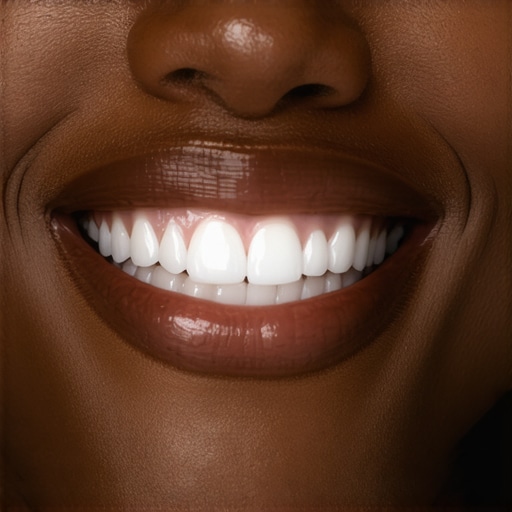
Unlocking the Secrets to a Perfect Smile: Advanced Invisalign and Teeth Whitening Techniques for 2024
In the rapidly evolving landscape of cosmetic dentistry, 2024 marks a pivotal year where innovative approaches to teeth alignment and whitening are redefining standards of aesthetic excellence. As a seasoned dental expert, I recognize that achieving a radiant smile extends beyond simple procedures; it involves a strategic integration of cutting-edge aligner technology and advanced whitening solutions tailored to individual dental profiles.
The Evolution of Invisalign: Personalized and Discreet Orthodontic Solutions
Invisalign continues to revolutionize orthodontics by offering virtually invisible braces that are customized for each patient. Recent innovations, such as smartTrack material and digital planning, enable precise control over tooth movement, reducing treatment duration and enhancing comfort. For instance, the integration of AI-driven treatment simulations allows practitioners to predict final outcomes with remarkable accuracy, optimizing patient satisfaction. For more insights on upcoming Invisalign developments, visit this detailed overview.
Maximizing Results with Advanced Teeth Whitening Strategies
Complementing orthodontic treatments, teeth whitening remains a cornerstone of aesthetic enhancement. The advent of LED-activated bleaching and personalized whitening kits ensures faster, safer, and more predictable results. In 2024, the focus shifts toward combining in-office procedures with at-home maintenance to prolong brightness. Careful consideration of enamel health and staining patterns is crucial for selecting the appropriate whitening modality. For those seeking professional guidance, exploring top whitening secrets is recommended.
How Can Patients Synchronize Invisalign and Whitening for Optimal Outcomes?
Synchronizing orthodontic and whitening treatments demands meticulous planning. Initiating whitening prior to aligner therapy can sometimes lead to uneven results due to shifting teeth. Conversely, whitening during or after orthodontics can maximize aesthetic appeal once active movement stabilizes. Advanced protocols involve using translucent aligners that permit light transmission, facilitating concurrent whitening treatments without compromising effectiveness. Consulting with a professional ensures that these procedures are harmonized to deliver a uniformly radiant smile.
What Are the Best Practices for Maintaining Smile Brightness Post-Treatment?
Post-treatment maintenance is vital for sustaining a luminous smile. Regular dental check-ups, proper oral hygiene, and avoiding stain-causing foods or beverages are foundational. Incorporating remineralizing agents like fluoride or casein phosphopeptide-amorphous calcium phosphate (CPP-ACP) can bolster enamel resilience. For ongoing guidance, consider exploring effective post-treatment strategies.
To elevate your smile transformation, I encourage you to explore comprehensive expert tips or share your experiences with fellow professionals. A collaborative approach ensures that aesthetic enhancements are not only visually stunning but also biologically sound.
Unlocking the Power of Digital Dentistry for Smile Perfection
As we forge further into 2024, the integration of digital dentistry tools is transforming how practitioners approach smile makeovers. Advanced imaging and 3D modeling enable us to visualize the final outcome with unprecedented accuracy, allowing for more precise planning and patient involvement. These innovations not only streamline the process but also minimize surprises, ensuring that treatments like Invisalign and whitening are aligned seamlessly. For insights on how digital tools are redefining aesthetic dentistry, visit this comprehensive overview.
Innovating Enamel Preservation During Whitening Procedures
One common misconception is that teeth whitening inevitably damages enamel. However, the latest research underscores the importance of choosing minimally invasive techniques that prioritize enamel health. Using gentle, customized bleaching agents combined with laser-assisted activation reduces the risk of sensitivity and demineralization. Additionally, incorporating remineralizing treatments post-whitening further fortifies enamel, ensuring long-term durability. For a detailed guide on protecting your enamel while whitening, explore this expert resource.
How Can Practitioners Integrate Smile Enhancement Approaches for Holistic Results?
Blending orthodontic and cosmetic procedures demands a nuanced understanding of each patient’s unique dental anatomy and aesthetic goals. Modern protocols suggest initiating minimally invasive whitening therapies during the final stages of aligner treatment, which allows for final touch-ups and ensures uniform brightness. Incorporating veneers or bonding can also address residual imperfections, creating a harmonious smile. The key lies in personalized, interdisciplinary planning—something that continuous education in advanced cosmetic techniques can support. For more about comprehensive smile design, visit this trusted guide.
What Are the Latest Tools to Assess Long-Term Results of Combined Smile Procedures?
Emerging technologies such as AI-driven outcome simulations and predictive analytics are now instrumental in long-term planning. These tools help practitioners forecast how various treatments—like Invisalign paired with whitening—will hold up over time, considering factors like wear, staining, and aging. They enable proactive adjustments, reducing the need for retreatment and ensuring sustained satisfaction. Staying up-to-date with these innovations is vital for delivering truly future-proof smiles. For further reading on emerging dental technologies, see this authoritative source.
If you’re interested in expanding your expertise, consider sharing your experiences or asking questions in the comments. Also, explore related topics such as family dentistry for a healthy smile foundation to provide holistic care for your patients.
Harnessing Digital Precision for Unmatched Smile Outcomes
In the pursuit of perfection, digital dentistry has become an indispensable asset. Advanced imaging techniques, such as cone-beam computed tomography (CBCT) and 3D intraoral scanners, enable clinicians to craft highly accurate treatment plans. These tools facilitate virtual simulations that predict post-treatment results, allowing both practitioners and patients to visualize the final aesthetic before initiating procedures. This predictive capability minimizes surprises and enhances satisfaction, fostering a collaborative approach to smile design. For in-depth insights into digital integration, consult the comprehensive study by SAGE Journals on Digital Dentistry.
What are the key advantages of adopting AI in smile optimization?
Artificial Intelligence (AI) algorithms analyze vast datasets to recommend personalized treatment protocols, optimize aligner designs, and forecast long-term stability. AI-driven software can simulate various scenarios, helping clinicians select the most effective strategies for complex cases. Moreover, AI enhances diagnostic accuracy, identifying subtle enamel demineralization or early pathology that might escape traditional methods. As AI continues to evolve, its integration promises to refine aesthetic outcomes and treatment efficiency, ultimately elevating patient care standards.
Enamel Preservation Strategies for the Modern Dentist
Amidst the enthusiasm for whitening, preserving enamel remains paramount. Recent advances focus on gentle bleaching agents, such as low-concentration carbamide peroxide, combined with laser-activated techniques to reduce sensitivity. Additionally, employing remineralizing agents like nano-hydroxyapatite and CPP-ACP not only repairs micro-damage but also strengthens enamel against future staining. Incorporating these protocols into routine whitening treatments ensures that patients achieve their desired brightness without compromising oral health. For a detailed review, see the authoritative article by PubMed on Enamel Preservation.
How do minimally invasive procedures influence long-term smile health?
Minimally invasive dentistry aims to conserve as much natural tissue as possible, reducing the risk of sensitivity and structural weakness. Techniques such as microabrasion, resin infiltration, and ultrathin veneers address aesthetic concerns while maintaining enamel integrity. This approach not only enhances immediate results but also facilitates easier future interventions, supporting the longevity of the smile. Embracing minimally invasive principles aligns with the paradigm shift toward patient-centered, biologically respectful care.
Integrating Smile Aesthetics with Functional Harmony
Achieving a stunning smile extends beyond superficial whiteness; it requires a harmonious balance between aesthetics and function. Modern protocols integrate occlusal analysis and temporomandibular joint (TMJ) assessments into cosmetic planning. Using digital bite analysis tools, practitioners can identify and correct functional discrepancies that may lead to wear or discomfort. Addressing these issues during cosmetic procedures ensures that the smile not only looks beautiful but also functions optimally, reducing the risk of future complications. For comprehensive strategies, explore the detailed guidelines in Aesthetic Dental Journal.
What role does patient education play in long-term smile maintenance?
Empowering patients with knowledge about oral hygiene, dietary habits, and routine care is crucial for maintaining aesthetic results. Educated patients are more likely to adhere to recommended products like fluoride rinses and remineralizing agents, prolonging the durability of their restorations and whitened teeth. Additionally, personalized maintenance plans, including periodic professional cleanings and touch-up whitening, help sustain the smile’s brilliance over time. Engaging patients through visual aids and digital smile simulations enhances their understanding and commitment to long-term care.
If you’re eager to stay at the forefront of cosmetic dentistry, consider participating in advanced training courses and peer-reviewed conferences. Sharing insights and experiences with colleagues can foster innovation and elevate the standard of care. For further exploration, visit the American Academy of Cosmetic Dentistry Education Hub to discover upcoming educational opportunities that can transform your practice.
Unveiling the Future of Cosmetic Dentistry with Precision Technology
In 2024, digital dentistry is pushing boundaries by integrating sophisticated imaging and AI-driven design tools that enable practitioners to craft smile makeovers with unprecedented accuracy. Cone-beam computed tomography (CBCT) and 3D intraoral scanners are now standard for creating detailed virtual models, allowing for meticulous treatment planning and seamless patient communication. This technological synergy minimizes errors, enhances predictability, and accelerates the overall process—transforming the way smile aesthetics are achieved. For a comprehensive understanding of these advancements, visit SAGE Journals on Digital Dentistry.
Expert-Level Enamel Preservation Strategies for Whitening Procedures
While the pursuit of a brighter smile often raises concerns about enamel integrity, recent innovations emphasize minimally invasive techniques that safeguard oral health. Utilizing low-concentration carbamide peroxide combined with laser activation reduces sensitivity and micro-damage. Post-whitening, the application of nano-hydroxyapatite and CPP-ACP remineralizing agents fortifies enamel, ensuring durability and resistance to future staining. These protocols exemplify a holistic approach that balances aesthetic goals with biological preservation. For detailed insights, explore PubMed’s research on enamel preservation.
Addressing Complex Cases: When to Consider Enamel Microabrasion and Resin Infiltration
In cases involving superficial discoloration or early enamel lesions, microabrasion and resin infiltration emerge as minimally invasive alternatives to traditional bleaching. Microabrasion physically removes superficial stains, while resin infiltration masks subsurface lesions, restoring natural translucency without compromising tooth structure. These methods are particularly effective for patients with sensitivity issues or those seeking conservative treatments. Integrating these techniques into a comprehensive smile makeover can yield natural, long-lasting results. For expert guidance, review the latest protocols in the Aesthetic Dental Journal.
What are the most advanced diagnostic tools for predicting long-term treatment stability in combined Invisalign and whitening procedures?
Cutting-edge AI-powered outcome simulations and predictive analytics are transforming long-term planning by forecasting how treatments like Invisalign paired with whitening will age over time. These tools factor in variables such as wear patterns, dietary influences, and natural aging, enabling clinicians to make proactive adjustments. Embracing these technologies ensures durable aesthetic results and reduces the likelihood of retreatment, ultimately elevating patient satisfaction and confidence. For further insights, consult this authoritative resource.
Implementing Enamel-Friendly Whitening Protocols for Sustainable Brightness
To maintain a luminous smile long-term, clinicians are adopting enamel-friendly whitening procedures that prioritize biological health. Gentle bleaching agents with low peroxide concentrations, combined with laser activation, minimize sensitivity and microstructural damage. Post-procedure, applying remineralizing agents like nano-hydroxyapatite not only repairs micro-damage but also reinforces enamel against future staining. These practices exemplify a shift toward sustainable aesthetic enhancement that respects the biological integrity of natural teeth. For comprehensive guidelines, see PubMed’s review on enamel-friendly whitening.
Synergizing Orthodontics and Cosmetic Dentistry for Flawless Results
Achieving a harmonious smile necessitates integrating occlusal analysis and aesthetic procedures. Digital bite analysis tools assist in detecting functional discrepancies that could undermine aesthetic outcomes or cause discomfort. Initiating whitening treatments during the final phase of aligner therapy allows for final touch-ups and ensures uniform brightness. When residual imperfections persist, porcelain veneers or bonding can refine the smile, all guided by interdisciplinary planning. This comprehensive approach guarantees both beauty and function, reducing future complications. For detailed strategies, explore this expert guide.
How can emerging AI technologies further personalize and optimize long-term smile outcomes?
Advancements in AI are enabling hyper-personalized treatment plans by analyzing extensive datasets, including genetic, behavioral, and environmental factors. These systems can simulate multiple scenarios, predicting how individual patients will respond to various interventions over decades. This precision facilitates proactive adjustments, ensuring long-lasting aesthetic and functional results. As AI continues to evolve, its integration into routine practice promises to elevate the standard of personalized, durable smile enhancement. To stay ahead, consider following this pioneering research.
Embracing the Future: Digital Tools for Seamless Smile Makeovers
In 2024, digital tools like virtual smile simulations and 3D treatment previews are transforming patient engagement and treatment accuracy. These innovations foster collaborative planning, allowing patients to visualize their future smile and provide feedback before procedures commence. Such transparency enhances trust and compliance, ultimately leading to more satisfying outcomes. Moreover, digital workflows streamline clinical procedures, reducing chair time and optimizing resource utilization. For insights into how digital advancements are reshaping aesthetic dentistry, visit this authoritative overview.
Why is continuous education in digital dentistry essential for modern practitioners?
The rapid evolution of digital technologies necessitates ongoing professional development. Mastering new imaging software, AI tools, and minimally invasive techniques ensures practitioners can deliver the highest standards of care. Participating in specialized courses, workshops, and peer-reviewed conferences fosters innovation, maintains compliance with regulatory standards, and enhances clinical outcomes. Staying informed about emerging trends guarantees that your practice remains competitive and at the forefront of aesthetic dentistry. To explore upcoming educational opportunities, visit the American Academy of Cosmetic Dentistry.
Innovative Techniques Elevate Smile Aesthetics
As a top-tier expert in cosmetic dentistry, I recommend leveraging digital smile design software to visualize outcomes precisely, enabling tailored treatment plans that maximize aesthetic harmony. Incorporating minimally invasive procedures such as microabrasion and resin infiltration can preserve enamel integrity while achieving natural-looking results. Staying abreast of AI advancements in predictive analytics allows for proactive adjustments, ensuring long-term stability of combined Invisalign and whitening treatments.
Strategic Resource Recommendations for Advanced Dental Practice
- American Academy of Cosmetic Dentistry (AACD): Offers cutting-edge courses on digital smile design and interdisciplinary approaches.
- PubMed Dental Research Repository: Provides peer-reviewed studies on enamel preservation and minimally invasive techniques.
- Journal of Digital Dentistry: Features the latest innovations in imaging, AI, and treatment planning software.
Reflections on the Future of Smile Enhancement
Integrating digital tools with biological preservation strategies is transforming how we approach smile makeovers. Embracing these advancements ensures not only visual perfection but also functional resilience, crucial for patient satisfaction over decades. I invite you to share your insights or explore further by visiting this resource for a deeper dive into innovative orthodontic solutions. Remember, continuous education and embracing technological evolution are key to leading in aesthetic dentistry.

1 comment so far