
The truth about store-bought mouthguards for active kids
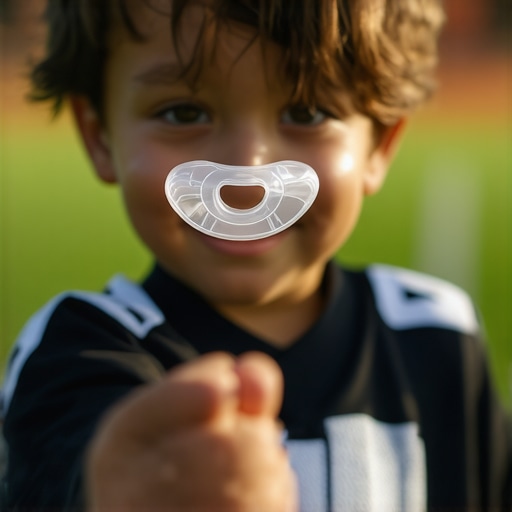
I’ll never forget the sound of my daughter’s stick hitting the turf and the immediate, sickening silence that followed during her first middle school field hockey game. She’d spit out her “boil-and-bite” mouthguard three minutes earlier because it was “too big and gross,” and now I was frantically wondering how to handle a cracked tooth on a Friday night while rushing to the sidelines. That $7 piece of plastic I bought at the local big-box store sat uselessly in the grass, a silent testament to my own parenting shortcut that was about to cost me a fortune in dental bills. It was the moment I realized that “good enough” is a dangerous gamble when it comes to our kids’ smiles. Today, I want to pull back the curtain on why those store-bought options usually fail our active kids and what actually works to keep their teeth in their heads.
Why Your Kids Keep Spitting Out Their Mouthguards
It isn’t just about rebellion or being difficult; it’s about physics and comfort. When I first started navigating family dental care for my kids, I made the classic mistake of thinking all mouthguards were created equal. They aren’t. Most over-the-counter options are incredibly bulky, making it nearly impossible for a child to breathe or speak clearly. If they can’t talk to their teammates or catch their breath, that guard is going in a pocket or under a bench. According to the American Dental Association, athletes are 60 times more likely to suffer harm to their teeth when they aren’t wearing a mouthguard, yet the physical discomfort of generic ones often leads to zero compliance. I learned the hard way that a guard that doesn’t stay in the mouth provides exactly zero protection.
Is an Expensive Custom Guard Actually Worth the Hype?
You might be looking at the price tag of a professional fitting at your local family dentistry and wondering if it’s just another unnecessary expense. I’ve been there. But after seeing the difference between a custom fit and the “boil-and-bite” mess, the answer is a resounding yes. A proper fit doesn’t just protect the teeth; it stays in place without the athlete having to constantly clench their jaw. Have you ever noticed your child constantly fiddling with their gear instead of focusing on the game? That distraction alone is a safety hazard. Plus, learning how to properly clean a night guard or sports guard is much easier when the material isn’t porous and cheap. Have you ever found a chewed-up, half-melted mouthguard at the bottom of a gym bag and wondered if it was even doing anything? Let’s talk about why the material matters more than you think before you head to the next practice.
Ditch the Boil-and-Bite Before the Next Scrimmage
Think of a store-bought mouthguard like wearing a pair of giant, oversized boots to run a 100-meter dash. It’s clunky, it’s going to trip you up, and it provides zero support where you actually need it. When you buy a generic guard, you’re essentially asking a single piece of plastic to protect a mouth it wasn’t built for. In my experience, the difference between a generic guard and a custom one is the difference between a seatbelt that’s unbuckled and one that’s snug—only one actually does its job when things go south.
Why a Tight Fit Actually Saves Your Child’s Teeth
A custom-fitted guard works by distributing the force of an impact across the entire jaw rather than concentrating it on a single tooth. In family dentistry tips for creating a healthy smile for your kids, we often emphasize that the best protection is the one they will actually wear. If the guard is snug, your child won’t have to clench their teeth to keep it in place, which means they can breathe and speak normally. I remember my son’s friend, Leo, who used a cheap “boil-and-bite” during a summer lacrosse camp. During a routine drill, he took a stray stick to the mouth. Because his guard was loose and bulky, it actually shifted upon impact, cutting his gums and failing to cushion the blow. That’s a mistake I didn’t want to repeat after our field hockey disaster.
How Modern 3D Scans Beat the Old Messy Impressions
If you haven’t been to the dentist for a fitting lately, you might be dreading the “goop.” We’ve all been there—sitting in the chair with a tray full of cold, flavored putty that makes you want to gag. Fortunately, the real reason Culpeper dentists are swapping traditional x-rays for 3d scans is the same reason we now use them for mouthguards: precision and comfort. 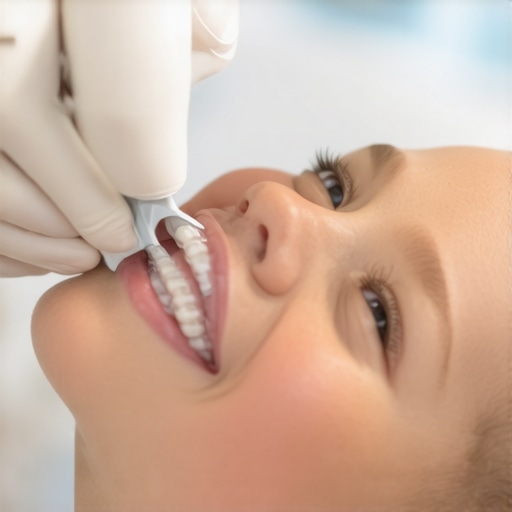 Modern scanners create a digital map of your child’s mouth in minutes, ensuring the guard fits like a second skin. This level of detail is especially important if you are managing other treatments, such as how to keep your teeth white while wearing traditional metal braces, as the guard needs to accommodate the hardware without damaging it.
Keep the Stink Away with Proper Daily Care
Once you invest in a quality guard, the next hurdle is keeping it from becoming a petri dish. I used to find my daughter’s guard shoved into the side pocket of her smelly gym bag, covered in turf bits and smelling like a locker room. You have to treat these just like any other dental appliance. Just as you’d learn how to properly clean a night guard to prevent bacterial buildup, you should rinse the sports guard after every use and brush it with a soft toothbrush and non-abrasive soap. Don’t use hot water, or you’ll warp that perfect custom fit you just paid for. If your child is also dealing with other dental milestones, like how to handle your child’s first loose tooth without the panic, make sure they aren’t forcing a guard over a tooth that is ready to fall out, as this can cause unnecessary pain or premature loss. Consistency in care is what makes these guards last for multiple seasons and keeps your child’s oral health on track.We often treat dental health like a checklist: checkups, check; daily brushing, check; a mouthguard for the big game, check. But the real expertise comes in understanding that your mouth is a dynamic system where one change affects everything else. For instance, many people believe that veneers are the ultimate ‘set it and forget it’ solution for a damaged or lackluster smile. In my experience, that mindset is the quickest path to a costly replacement. To make them last, you have to stop brushing your veneers like they are real teeth. Natural enamel can handle certain abrasive whitening pastes, but porcelain is different. Using the wrong products can cause microscopic scratches that trap stains, which is often why your porcelain veneers look dull after five years of wear. It’s these small, daily nuances that separate a five-year restoration from a twenty-year one.
Can a Cosmetic Upgrade Actually Shift Your Bite?
This is a question I get frequently from parents who are concerned about their own dental health while managing their kids’ schedules. If a veneer or crown isn’t perfectly calibrated to your occlusion—the way your teeth meet—it can trigger a domino effect of jaw pain or even chronic tension headaches. It’s quite common to wonder why your new veneers feel like they are pushing against your other teeth during the first few days. While some minor adjustment is normal, a lack of precision in the fitting process—something often sacrificed in high-volume, corporate-style clinics—can lead to long-term discomfort. 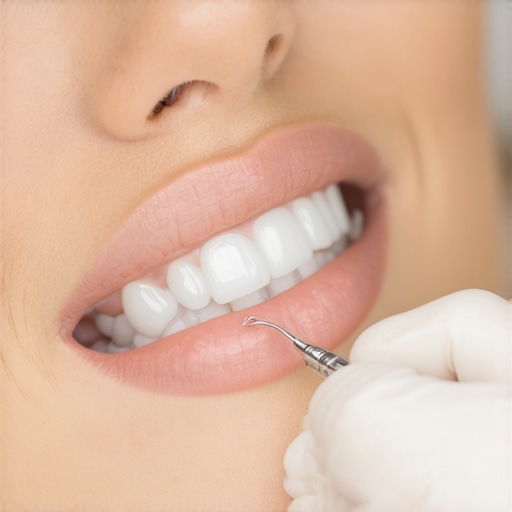 When we look at the benefits of family dentistry, the primary advantage is the continuity of care; your dentist understands your specific dental history and bite patterns in a way a rotating staff won’t. The ‘Oops’ factor is also incredibly prevalent in the world of DIY aesthetics. We’ve all been tempted by social media ads for ‘miracle’ charcoal powders, but the truth about charcoal toothpaste and your tooth enamel is that it’s fundamentally too abrasive for daily use. According to a report by the American Academy of Cosmetic Dentistry (AACD), over-using aggressive whitening products without professional supervision can lead to ‘blue-ing’ of the teeth, where the enamel becomes so thin it reflects the dark interior of the mouth. I’ve even treated patients who needed to know how to treat a burn on your gums from whitening gel after a generic, one-size-fits-all tray leaked. Ensuring family dental care means looking past the marketing and understanding the science behind the smile. Have you ever fallen into this trap? Let me know in the comments.When I transitioned from basic checkups to managing a full set of cosmetic restorations and routine whitening, I had to upgrade my physical toolkit. You simply cannot use whatever is on sale at the pharmacy and expect professional results. I personally swear by an electric toothbrush with a built-in pressure sensor. It might sound like a gimmick until you realize that pushing too hard is exactly why your gums are receding even though you brush every day. According to the American Academy of Periodontology, aggressive mechanical brushing is a primary non-bacterial cause of recession, which eventually exposes the margins of your veneers and ruins the entire aesthetic. I use the Oral-B iO series because the light ring turns red the second I get too aggressive. It is like having a tiny, quiet dental hygienist keeping you in check every morning.
Stop Guessing with Your Daily Cleaning Routine
For those of us navigating the world of Invisalign innovation, the most important tool is actually an ultrasonic cleaner. If you have ever noticed your trays getting cloudy, it is because manual scrubbing creates microscopic scratches that harbor bacteria. This is usually the hidden cause of why your breath smells like vinegar after wearing aligners all night. By using a small, countertop ultrasonic pod with a cleaning tablet, you can keep the plastic crystal clear and odor-free. I also recommend carrying a dedicated case at all times; knowing the best way to store your clear aligners when you aren’t wearing them is the only way to ensure you don’t accidentally toss them in the trash during a lunch meeting.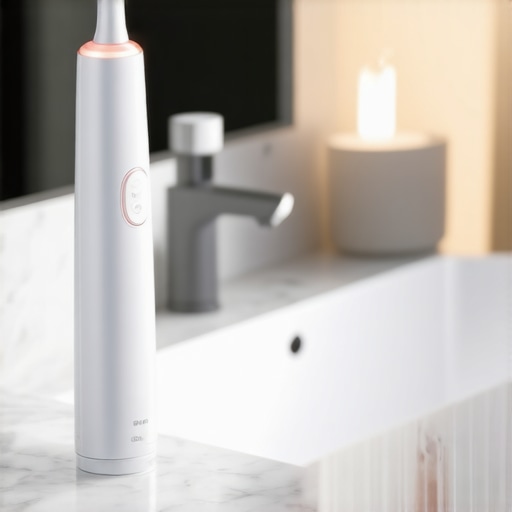
How do I maintain my dental results over time?
Consistency is the boring but honest answer, but the secret is in the pH balance. I tell everyone to stop rinsing with water immediately after brushing. You want that fluoride or hydroxyapatite to sit on the enamel for at least thirty minutes to remineralize the surface. If you are worried about staining, especially after using teeth whitening secrets, I recommend the ‘sip and swish’ method. Every time you drink coffee or black tea, follow it with a quick swish of plain water. This prevents the tannins from settling into the pores of your teeth or the edges of your bonding. I also keep a stash of interdental brushes in my car. Traditional floss is great, but these tiny brushes are far more effective at clearing the ‘furry’ feeling that happens when plaque builds up in the gaps.
The Future of High-Tech Personal Dental Care
I predict that within the next three years, we will see smart-mirrors that use UV light to highlight plaque buildup in real-time while you brush. We are already seeing a shift toward biocompatible, 3D-printed materials that mimic the light-reflecting properties of natural enamel better than ever before. This level of precision is making veneers made simple for the average patient, but it also means our home-care must be equally precise. If you want to see an immediate difference in your gum health, my advanced tip for you today is this: switch to a high-quality soft-bristled brush and set a timer for exactly two minutes. Most people think they brush for ages when they really only hit the 45-second mark. Grab a specialized cleaner for your night guard or trays today and see how much fresher your mouth feels by tomorrow morning.
Hard Lessons from the Sidelines About Teen Dental Safety
Looking back at that Friday night emergency, the biggest takeaway wasn’t just the cost—it was the realization that protection is only effective if it’s consistent. I’ve learned that a child’s mouth changes rapidly, and what fit perfectly six months ago might be failing them today. Here is the insider wisdom I’ve gathered from years of juggling sports schedules and dental visits:
- Comfort is the only path to compliance. If your teen is constantly fiddling with their guard, it’s not protecting them. A custom fit is the difference between a guard that stays in during a fall and one that becomes a dental emergency.
- Don’t trust the hype of DIY trends. I’ve seen many parents try ‘natural’ hacks, but the truth about charcoal toothpaste and your tooth enamel is that it can strip away the very protection your child needs.
- The best defense is proactive. Following family dentistry tips for creating a healthy smile for your kids means seeing the dentist before the season starts, not after the injury happens.
The Tools I Use to Make Professional Dental Work Last Decades
Whether you are maintaining a teenager’s sports guard or your own cosmetic investment, the right toolkit makes all the difference. #IMAGE_PLACEHOLDER_E# I no longer guess when it comes to hygiene; I use specific resources that have proven their value. If you are noticing the hidden reason your clear aligners have a persistent odor, it’s time to switch from manual scrubbing to an ultrasonic pod. For my daily routine, I rely on a soft-bristled electric brush with a pressure sensor. Learning how to tell if your gum recession is caused by over brushing was a turning point for me—it saved my gum line and my peace of mind. Finally, for those finishing up orthodontic work, keep a dedicated ‘go-bag’ with interdental cleaners and a sturdy case to ensure your results remain pristine.
Take the First Step Toward a Stress-Free Smile
Investing in your family’s oral health doesn’t have to be overwhelming. From understanding how veneers made simple can fix old chips to applying teeth whitening secrets for a sparkling smile in 2025, the modern dental world is designed to work with your lifestyle, not against it. By prioritizing high-quality protection like custom mouthguards and sticking to a science-backed cleaning routine, you can avoid the Friday night panics and focus on the game. Your smile—and your child’s—is worth the extra effort. Have you ever had a close call during a sports game or a dental emergency that changed how you view protection? Let me know in the comments below!