
Why your breath smells like mothballs and how to neutralize it

I’ll never forget the morning I leaned in to give my toddler a ‘good morning’ snuggle, and he recoiled like I’d just offered him a spoonful of cod liver oil. ‘Daddy,’ he said, wrinkling his nose with that brutal honesty only a three-year-old possesses, ‘you smell like Grandma’s old coat closet.’ It hit me like a ton of bricks. I didn’t just have the standard morning breath that everyone wakes up with; I had that distinct, chemical, mothball-like scent that seems to permeate the room. It was embarrassing, confusing, and honestly, it made me wonder if something was seriously wrong with my health. I’d been brushing twice a day and even used a tongue scraper, but the scent persisted, lingering at the back of my throat like a ghost that wouldn’t be exorcised. Today, I’m going to share exactly why this happens—hint: it’s usually about how your body processes protein, not just a lack of flossing—and how I finally neutralized it for good.
Why your mouth suddenly smells like a vintage closet
It isn’t just about failing to brush away yesterday’s lunch. When your breath takes on that specific naphthalene (mothball) odor, your body is often sending a visceral signal about the chemical reactions happening in your mouth and sinuses. According to research cited by the National Institutes of Health, certain anaerobic bacteria in the mouth can break down proteins into sulfur compounds and skatole, a compound that smells remarkably like mothballs or even feces in higher concentrations. For a long time, I made the mistake of thinking I just needed stronger mouthwash. I’d grab the most aggressive, alcohol-laden bottle on the shelf, thinking I could burn the smell away. In reality, I was just drying out my mouth and making the bacteria even happier. I spent a fortune on ‘extra strength’ gum, but it just made me smell like a minty attic. Have you ever felt like you were masking a problem instead of solving it?
Can you actually neutralize this scent for good?
The skepticism is real, and I get it. If you’ve tried everything from cleaning your night guard to scrubbing your tongue until it’s raw, you might think you’re stuck with this ‘old coat’ breath forever. But once I realized that the smell was often linked to post-nasal drip—where mucus, which is basically a protein buffet for bacteria, sits at the back of the throat—the game changed. It’s not just about hygiene; it’s about managing the chemistry of your saliva and your sinuses. If your breath is more ‘industrial chemical’ than the pungent garlic breath we’ve all experienced after a heavy dinner, you’re likely dealing with a protein breakdown issue that requires a specific approach. In my journey of visiting different offices and learning about family dentistry, I’ve learned that this is a common but often misdiagnosed frustration. We’re going to dive into the specific steps to flush these compounds out, hydrate your mouth correctly, and finally get your social confidence back without needing to hide behind a mask.
Flush out the protein buffet fueling the odor
To stop the mothball scent, you have to cut off the supply line. The bacteria causing that smell are essentially gorging themselves on a high-protein feast located in your post-nasal drip and at the very back of your tongue. Think of your throat like a gutter; when it gets clogged with debris (mucus), it starts to stagnate and smell. Brushing your teeth alone won’t reach the ‘clog.’
Power-wash your sinuses every night
I remember standing over my bathroom sink at 11 PM with a Neti pot, feeling absolutely ridiculous. I had always been terrified of the sensation of water in my nose, but the desperation to lose that ‘old coat’ smell was stronger than my fear. The first time I successfully flushed my sinuses, it wasn’t just water that came out—it was thick, trapped mucus that had been sitting there for who knows how long. Within forty-eight hours, the heavy, chemical scent in my breath had diminished by half. If you frequently experience sinus pressure or tooth pain, you are likely carrying the very biological material these bacteria love. Using a saline rinse daily acts like a power-washer for your throat, removing the food source before the bacteria can turn it into stinky sulfur compounds.
Ditch the alcohol and prioritize saliva flow
Most people reach for the strongest mouthwash they can find, but alcohol-based rinses are like throwing gasoline on a fire. They kill bacteria, yes, but they also dry out your oral tissues. A dry mouth is an anaerobic environment where mothball-smelling bacteria thrive. You want your mouth to be a flowing river, not a stagnant pond. Saliva is your natural defense; it’s packed with oxygen and enzymes that keep bad bacteria in check. If you find that your teeth feel furry only a few hours after brushing, your saliva flow is likely compromised, allowing a biofilm to build up rapidly. Switch to an alcohol-free, oxygenating mouthwash that specifically targets volatile sulfur compounds. 
Sterilize everything that spends time in your mouth
If you wear a retainer or a night guard, it might be the secret reservoir for that naphthalene scent. I used to just rinse my guard under cold water and call it a day, but I eventually realized the plastic was porous and trapping the same proteins I was trying to wash away. You need to learn how to properly clean a night guard to prevent bacterial buildup using specialized tablets or a gentle, non-abrasive soak. If you can smell your dental appliance when it’s dry, it’s definitely contributing to your breath issues.
Schedule a professional reset
Sometimes, the bacteria have set up a ‘fortress’ in the form of tartar beneath the gumline that you simply cannot reach with a toothbrush or floss. This is where the difference between a high-volume clinic and a focused family dentistry practice becomes clear. You need a hygienist who will take the time to debride those deep pockets. It’s also important to rule out other issues, especially since sinus infections can make your teeth ache and create a constant cycle of bad breath. A professional cleaning is your biological reset button; it clears the slate so your at-home rinsing and scraping can actually be effective.
While a professional cleaning is the ultimate reset button, many of us fall into the trap of thinking that once the odor is gone, the next step is chasing a ‘Hollywood’ white at any cost. This is where I see people make the most expensive mistakes of their lives. We’ve been conditioned to believe that the whiter a tooth is, the healthier it must be, but that is a fundamental misunderstanding of dental anatomy. In reality, teeth are naturally slightly translucent and have a yellowish hue because of the dentin beneath the enamel. When you over-whiten, you risk stripping away that protective layer, leading to what I call ‘the ghost tooth’ look—where your teeth actually start to look gray or transparent at the edges.
White doesn’t always mean healthy
I’ve seen people use everything from acidic fruit pastes to abrasive scrubs, but the truth about whitening your teeth with strawberries and sea salt is that you are essentially acid-etching your protective barrier. This creates microscopic craters that actually trap more stains in the long run. If you’ve ever wondered why your teeth look yellow in certain bathroom lighting even after a whitening session, it’s often because you’ve thinned the enamel so much that the dark interior of your mouth is showing through. True expertise in family dentistry isn’t about bleaching everything to a blinding neon; it’s about maintaining the structural integrity of the tooth while enhancing its natural brightness.
Why do some veneers look like fake plastic while others look totally natural?
The secret lies in the ‘incisal edge’ and light refraction. A common mistake in cosmetic dentistry is choosing a shade that is too high in ‘value’ (brightness) without enough ‘chroma’ (color saturation). According to research published in the Journal of Esthetic and Restorative Dentistry, natural teeth have a complex gradient of color and transparency. If a veneer is a solid block of white, it looks like a ceramic tile. This is why many patients later struggle with how to stop your veneers from looking too white and fake. You want a lab that understands how to mimic the way light bounces off natural enamel. 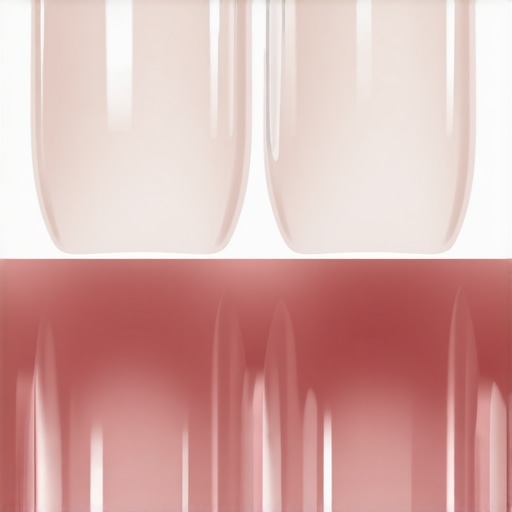
The ‘abrasive’ trap that ruins your investment
Once you have those beautiful veneers or a fresh round of professional whitening, the biggest ‘oops’ factor is your choice of toothpaste. Most ‘whitening’ toothpastes on the market are highly abrasive; they work by literally sanding off surface stains. If you have porcelain work, you must stop brushing your veneers like they are real teeth using these gritty pastes. Porcelain is tough, but the glaze on top can be dulled over time by silica-heavy formulas, leaving you wondering why your porcelain veneers look dull after five years of wear. Stick to a non-abrasive gel to keep that high-gloss finish. Have you ever fallen into this trap of over-cleaning and accidentally dulling your smile? Let me know in the comments below.
Don’t ignore the foundations while chasing the aesthetics
Finally, if you’re using clear aligners to fix your alignment, don’t let the focus on straightness make you lazy about hygiene. It is incredibly easy to develop ‘aligner breath’ or even decay between the teeth because the plastic trays trap sugar and bacteria against the enamel for 22 hours a day. I’ve seen patients achieve a perfectly straight smile only to end up with three new cavities. Whether you’re looking for teeth whitening secrets or orthodontic tips, remember that the foundation—your gums and your natural enamel—must always come first. If you’re ready to take the next step without the common pitfalls, check out our guide on expert tips for transforming your smile correctly the first time.
I used to think my sonic toothbrush was the ‘end-all-be-all’ for oral health until I realized I was still leaving a trail of plaque behind my lower front teeth every single night. If you have a wire back there, you already know the struggle of finding the best method for flossing under a permanent lingual retainer. I personally switched to a high-pressure water flosser with a specialized orthodontic tip. The reason is simple: it is the only way to flush out the debris that manual string simply skips over. If you want to stop your clear aligners from turning yellow over time, you cannot just rely on brushing them with your leftover toothpaste; the abrasives in common pastes will create microscopic scratches where bacteria and stains hide, making them look cloudy in weeks.
How can you keep those results looking fresh for a decade?
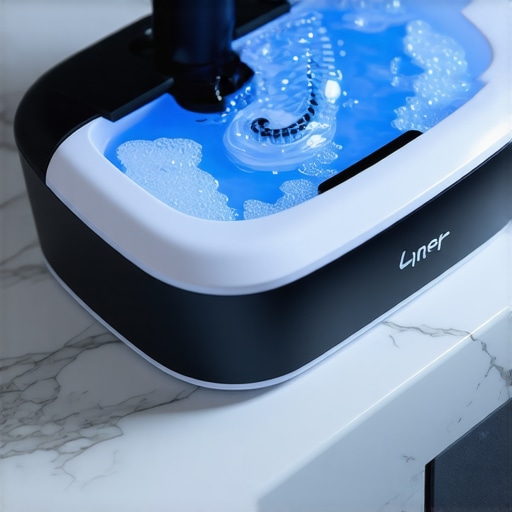
Maintenance is not just about what you do in the morning; it is about the specific tools you use to fight the slow decay of dental aesthetics. I have started using a small, medical-grade ultrasonic cleaner for my night guard and aligners. According to research published in the Journal of Clinical Dentistry, ultrasonic waves are significantly more effective at removing stubborn biofilm from dental polymers than manual scrubbing or soaking alone. This is the only way to truly clean the stubborn gunk out of your night guard without degrading the delicate material. It is an investment, but compared to the cost of replacing a custom appliance, it pays for itself in a year.
The future is looking more like a digital map than a blurry X-ray
We are moving toward a world where your smartphone will be your first line of defense against decay. We are already seeing Invisalign innovation that uses AI-driven apps to track your tooth movement in real-time through weekly photos, catching tracking issues before they require a complete case restart. This digital shift mirrors why many local experts are swapping traditional X-rays for 3D scans; the level of detail allows us to see how your bite is shifting or how a veneer is seated with micron-level accuracy. I predict that within the next five years, most of us will have a ‘digital twin’ of our smile that monitors for tiny cracks or receding gums before we even feel a symptom.
I challenge you to try this tonight: instead of just rinsing your aligner or retainer with tap water, use a dedicated pH-balanced cleaning tablet and lukewarm water for exactly ten minutes. It is a small procedural shift that saves your enamel, protects your dental work, and ensures your investment lasts for years. If you haven’t seen a professional for a deep-tissue check lately, it’s time to bridge that gap between home care and clinical expertise.
What my toddler taught me about dental shortcuts
The hardest lesson I learned during this journey was that no amount of peppermint-flavored masking can fix a chemical imbalance. I realized that my breath issues were a biological puzzle, not a character flaw. First, stop treating the symptoms and start treating the source; if you don’t flush those sinuses, you’re just decorating a dumpster. Second, chasing teeth whitening secrets is a waste of time if your gums are inflamed and your breath is signaling a deeper issue. Finally, I discovered that our bodies are incredibly honest—that ‘mothball’ scent was just a loud request for better hydration and more oxygen in my mouth. If you’ve wondered why your teeth look yellow in certain bathroom lighting, it might be time to stop scrubbing and start healing the enamel from the inside out.
Gear that actually moves the needle for your oral health
I’ve narrowed down my routine to a few non-negotiables that I trust because they actually change the chemistry of the mouth. I swear by a medical-grade saline rinse for the sinuses; it’s the only thing that stops the protein buildup at the source. For my dental work, I moved away from abrasive pastes and now use a pH-neutral cleaning solution. If you are exploring Invisalign innovation, an ultrasonic cleaner is a lifesaver for keeping trays clear and scent-free. I also recommend keeping a digital log of your smile’s progress; seeing the subtle shifts helps you stay motivated when the routine feels tedious. These tools don’t just clean; they protect the investment you’ve made in your self-image.
#IMAGE_PLACEHOLDER_E#
Take back your breath and your confidence
You don’t have to live in fear of a close-up conversation or a morning snuggle from your kids. Reclaiming your breath is about reclaiming your social freedom. By focusing on the foundations of family dentistry and understanding the ‘why’ behind the odors, you can stop guessing and start glowing. If you’re ready to make a change, start with a professional consultation and a commitment to better sinus hygiene. Have you ever noticed a strange, chemical scent in your breath that wouldn’t go away no matter how much you brushed? Let me know in the comments below.