
The real reason your coffee stains keep coming back after a cleaning
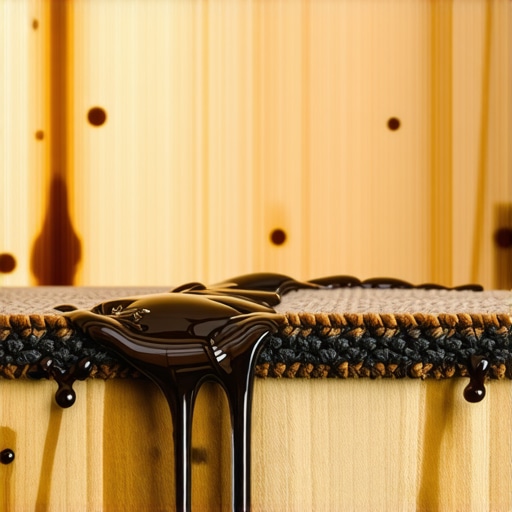
I remember looking in the mirror exactly four days after my last deep cleaning, holding my favorite ceramic mug, and feeling a sinking pit in my stomach. The “pearly white” glow I’d just paid for was already fading into a dull, familiar beige. I’d done everything right—or so I thought. I’d sat through the scraping and the polishing, yet here I was, watching the espresso-induced shadows reclaim my front teeth. It’s a cycle many of us in the coffee-lovers club know all too well. Today, I want to pull back the curtain on why this happens and show you how to break the loop for good.
Your Enamel is More Like a Sponge Than You Think
[image_placeholder] For the longest time, I assumed my teeth were like polished porcelain plates—smooth, hard, and stain-proof once they were scrubbed. That was my first big mistake. In reality, your enamel is covered in thousands of microscopic pores. When we get a professional cleaning, we strip away the “pellicle” layer, which is a thin film that actually protects your teeth. For about 24 to 48 hours after that appointment, your teeth are essentially wide-open sponges. I learned this the hard way by knocking back a double-shot latte less than three hours after leaving the chair. If you’ve ever wondered why your professional whitening didn’t work as well as last time, it’s often because those pores were flooded with tannins before they had a chance to reseal.
Does professional whitening even work if you drink coffee?
It’s a fair question to ask, especially when you feel like you’re throwing money down the drain every six months. You might even be tempted to look into veneers made simple as a permanent fix. However, the truth is that professional cleaning is incredibly effective; we just often sabotage the recovery phase. According to research cited by the American Dental Association, certain food dyes and acidic drinks can penetrate the enamel much deeper during that post-cleaning window when the protective layer is absent. I used to think I could just “brush harder” to fix it, but learning why your gums are receding even though you brush every day taught me that aggression isn’t the answer. Instead, we’re going to look at the teeth whitening secrets for a sparkling smile that actually take your daily caffeine habit into account. Have you ever noticed your stains coming back just days after a dental visit, or is it just me? Let’s figure out how you can keep your teeth white without giving up black tea or your morning brew.So, how do we actually keep those microscopic pores from soaking up the pigments that ruin our dental investments? It starts with a tactical approach to the first few days post-cleaning.
The First 48 Hours are the Make-or-Break Window
To keep your smile from fading, you have to commit to what dentists call the “White Diet” for at least two days. Think of it like fresh paint on a wall—you wouldn’t lean against it or throw mud at it until it’s fully dry. During this window, I strictly avoid anything that would stain a white t-shirt: red wine, soy sauce, balsamic vinegar, and yes, my beloved black coffee. If you absolutely cannot survive without your caffeine fix, you need to change your delivery system. I learned this the hard way during a high-stakes week at work when I tried to sip espresso through a tiny plastic stirrer to “save” my teeth. I ended up burning my tongue and splashing dark spots all over my desk, looking like a frantic mess. The lesson? A proper straw that bypasses your front teeth entirely is your best friend, but you must know how to clean a reusable straw to protect your enamel from bacteria buildup that can also cause discoloration. 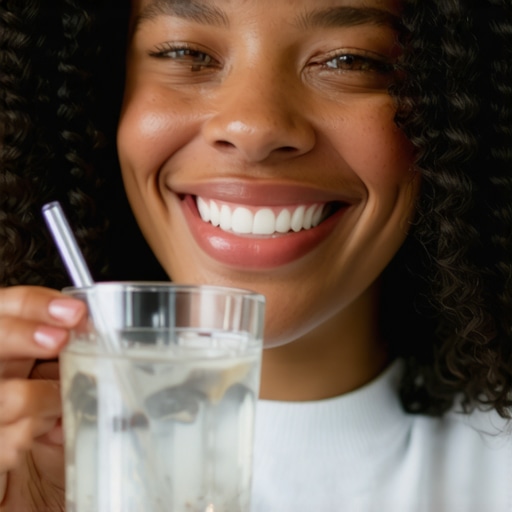
Master the Strategic Rinse Over the Immediate Scrub
One of the biggest mistakes I made early on was rushing to the bathroom to brush my teeth immediately after a cup of coffee. It sounds logical, right? Get the stain off before it sets. However, the acidity in coffee temporarily softens your enamel. If you scrub while the enamel is in this vulnerable state, you’re actually brushing the stains deeper and wearing down the tooth surface. Instead, I’ve adopted the “sixty-second swish.” After every cup of coffee, I vigorously rinse my mouth with plain water. This neutralizes the acid and washes away the tannins before they can settle into those pores. Incorporating this into your daily routine is one of the most effective brighten your life top teeth whitening strategies today that doesn’t cost a dime.
Manage the Zingers Like a Pro
If you’ve opted for a chemical boost during your cleaning, you might experience “zingers”—those sudden, sharp flashes of sensitivity that feel like a tiny lightning bolt hitting your tooth. This discomfort often leads people to skip their hygiene routine entirely for a few days, which is a recipe for instant staining. I used to dread these sensations until I learned how to manage the zingers after a professional whitening session by using desensitizing toothpaste as a topical ointment. By keeping the sensitivity in check, you can maintain your cleaning habits without the fear of pain. This is a crucial part of long-term maintenance, whether you’re looking for individual results or managing the needs of your whole household through family dentistry building healthy smiles for every generation.
Check Your Lighting and Your Expectations
It is also worth noting that your teeth might not be as yellow as you think. I spent months obsessing over my reflection until I realized the ultimate guide to teeth whitening options in 2025 emphasizes that natural teeth have a slight translucent quality. They aren’t meant to look like opaque white Chiclets. Once you understand the baseline of your natural shade, you can focus on preventing external stains rather than chasing an impossible, filtered glow. By focusing on these concrete steps—the 48-hour lockout, the water rinse, and smart sensitivity management—you can actually enjoy your morning brew without the guilt of watching your pearly whites disappear.Let’s dig deeper into the science of why some smiles stay bright for years while others fade in weeks. Most people believe that the strongest whitening gel or the most expensive porcelain is a ‘set it and forget it’ solution, but that is a dangerous trap. In my experience, the obsession with high-concentration peroxide is actually counterproductive. While we all want instant results, according to a study published in the Journal of Dentistry, higher concentrations of whitening agents don’t necessarily provide a significantly different end-result in the long term; they primarily increase the risk of acute sensitivity. If you’ve been chasing the highest percentage thinking it’s better, you might be causing more harm than good to your enamel’s structural integrity.
Stop Chasing the Highest Peroxide Percentage
The ‘more is better’ philosophy often leads to what I call the sensitivity spiral. When you over-whiten, you make the teeth more porous, which actually makes them *easier* to stain in the future. Instead of seeking the strongest bleach, focus on consistent, lower-dose maintenance. This is a core pillar in the ultimate guide to teeth whitening options in 2025. I’ve found that using a gentler approach allows the enamel to remineralize between sessions, keeping that protective barrier intact so your coffee doesn’t penetrate as deep.
The Dangerous Myth That Veneers Are Indestructible
If you’ve upgraded to porcelain, you might think you’re immune to stains. This is the ultimate ‘oops’ factor. While the porcelain itself is non-porous, the bonding material at the edges is not. I’ve seen so many people ruin their aesthetic investment because they stop brushing your veneers like they are real teeth and switch to abrasive DIY trends. If you use something like charcoal, you aren’t cleaning the porcelain; you’re scratching the microscopic glaze. Once that glaze is gone, your veneers will look dull and pick up stains from everything you eat. To avoid a ‘monolithic’ or artificial look, you should also know how to stop your veneers from looking too white and fake by maintaining the natural luster through non-abrasive care. 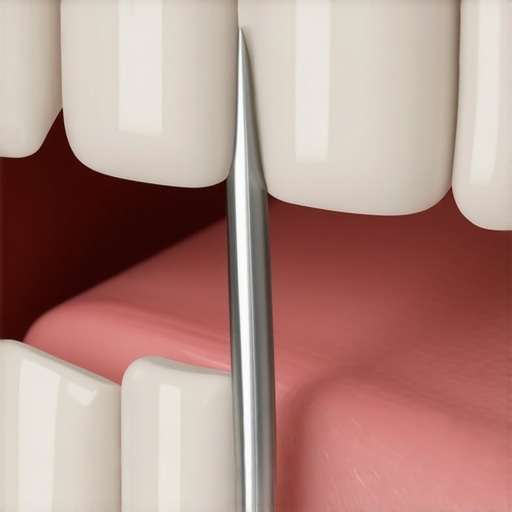
Can You Actually Whiten Teeth Stained by Childhood Antibiotics?
This is a question I get from those who feel like traditional whitening has failed them. If your staining is internal—often called tetracycline staining—standard surface treatments won’t touch it. This requires a nuanced approach that often involves deep bleaching cycles or masking techniques. Understanding the best way to whiten teeth that have been stained by tetracycline is the difference between wasting money on over-the-counter strips and finally getting the results you want.
Experience the Difference of Personal Care
This level of nuance is often lost in high-volume clinics. There is a the subtle difference between a corporate clinic and local culpeper family dentistry where your history and specific enamel density are actually taken into account. When a professional understands your specific habits—like your 3:00 PM espresso—they can tailor a strategy that goes beyond a generic kit. You also need to be wary of the truth about charcoal toothpaste and your tooth enamel, as many ‘natural’ whitening trends are actually the fastest way to thin your enamel and expose the yellow dentin underneath. Have you ever fallen into the trap of using a ‘miracle’ whitener only to find your teeth more sensitive or stained a month later? Let me know in the comments.
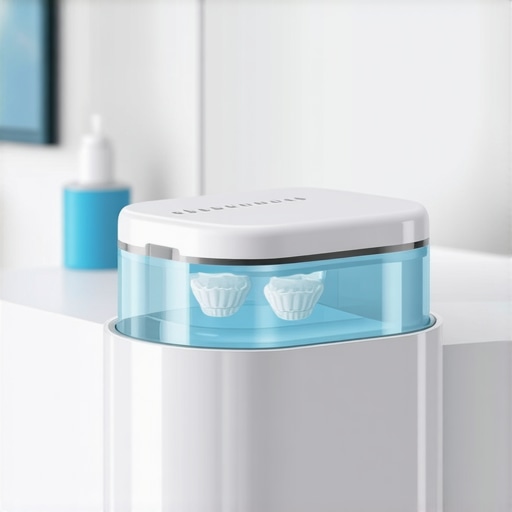
It’s one thing to get the work done; it’s a completely different challenge to keep it looking like day one. I’ve found that the biggest hurdle isn’t the big procedures, but the tiny, cumulative habits we overlook. If you’re currently navigating the world of aligners, you know the struggle of keeping those trays pristine. I personally swear by using a dedicated ultrasonic cleaner for my dental appliances. I used to think soaking them in a glass of water with a tablet was enough, but after seeing the microscopic buildup under a magnifying mirror, I realized I was wrong. Investing in a small sonic bath isn’t just about aesthetics; it’s about hygiene. You really need to know how to stop your clear aligners from turning yellow over time because once that tint sets in, no amount of brushing will bring back the clarity.
The Specific Gear I Trust to Keep My Smile Sharp
When you are investing in Invisalign innovation invisible braces changing smiles in 2025, you are also signing up for a new level of tool management. Beyond the ultrasonic bath, I always carry a travel kit that includes a high-quality orthokey and a ventilated case. Most people just wrap their trays in a napkin at dinner—I’ve done it, and I’ve almost thrown them away twice. Learning the best way to store your clear aligners when you aren’t wearing them will save you hundreds in replacement costs and weeks of potential setbacks. According to Dr. Gordon J. Christensen of the Clinicians Report, the use of vibrating cleaning baths is significantly more effective at removing biofilm than manual scrubbing alone. This same logic applies to your night guards; you have to learn how to clean the stubborn gunk out of your night guard to avoid breath issues and tooth decay from trapped bacteria.
How can I keep my dental work looking brand new for years?
Maintenance is a marathon, not a sprint. For those with porcelain work, the goal is preserving the factory-finish glaze. I’ve seen people use whitening toothpaste on their porcelain, which is like using sandpaper on a car’s clear coat. You must stop brushing your veneers like they are real teeth and switch to a low-abrasive gel specifically designed for cosmetic dentistry. I personally use a toothpaste with a low RDA (Relative Dentin Abrasivity) score to ensure I’m not micro-scratching my investment. Following transform your smile with veneers expert tips means understanding that your home-care kit needs an upgrade the moment you leave the dental chair.
Don’t Let Your Nightly Routine Ruin Your Results
I predict that in the next few years, we’re going to see a massive shift toward AI-integrated dental apps that use your phone’s camera to scan for early staining or aligner fit issues before they become visible to the naked eye. Until then, we are our own first line of defense. The best advice I can give is to be obsessive about the “remineralization” phase. After using any whitening product, I apply a hydroxyapatite paste to my teeth to help ‘close’ the pores we talked about earlier. This is one of the most overlooked teeth whitening secrets for a sparkling smile in 2025. If you want a tip to try tonight: swap your standard mouthwash for a pH-neutralizing rinse. It stops the acid erosion that makes teeth look dull in the first place. Go check your mouthwash bottle right now—if it has a high alcohol content, it might be drying out your mouth and making you more prone to the very stains you’re trying to avoid.
The One Dental Truth I Learned the Hard Way
If there is one thing that years of trial and error have taught me, it’s that your teeth are not static objects—they are living tissues that react to every sip and bite. I used to think a single whitening session was a reset button, but I now realize it’s actually a starting line. The biggest lightbulb moment for me was discovering the best time of day to whiten your teeth for maximum results, which helped me stop fighting against my own biology. I also stopped panicking when my teeth looked different in my car mirror than in my bathroom, because I finally understood why your teeth look yellow in certain bathroom lighting. It isn’t always about the stain; sometimes it is just the bulb and the way light refracts off your enamel.
The Gear That Actually Earns a Spot on My Bathroom Counter
You do not need a hundred products, just a few that actually work for your specific dental profile. For our household, ensuring family dental care what parents need to know in 2025 meant finding tools that even the kids would use consistently. My personal toolkit includes a dedicated ultrasonic cleaner for aligners, a pH-neutralizing rinse, and a low-RDA toothpaste. For the little ones, we focus on family dentistry tips creating a healthy smile for your kids at 0915 to build these maintenance habits early. I trust these tools because they aren’t about aggressive scrubbing; they are about gentle, long-term enamel preservation.
#IMAGE_PLACEHOLDER_E#
Your Smile is Worth the Extra Minute
At the end of the day, all the teeth whitening strategies and high-tech gear in the world won’t replace the simple act of showing up for your smile every morning and night. It’s about that extra sixty-second swish after your coffee or the discipline of keeping your night guard clean. You’ve already made the investment in your confidence—now it is just about protecting it with a bit of daily awareness. Don’t be afraid to ask your dentist for a customized plan that specifically fits your caffeine habit rather than fighting it. Have you ever felt like your morning coffee routine was working against your dental goals? Let me know in the comments below!