
The truth about using charcoal toothpaste on porcelain surfaces
I’ll never forget the morning I realized I was literally scrubbing away my investment. After years of saving up for a flawless smile, I fell for the “all-natural whitening” trend that’s all over social media. I bought a jar of pitch-black charcoal powder, thinking it would keep my new porcelain veneers looking like they did on day one. Instead, after just a few weeks, I noticed a subtle, haunting dullness that wouldn’t go away. It felt like I was using sandpaper on a fine china plate. It was a gut-wrenching realization that my attempt at “extra” cleanliness was actually doing permanent damage. Today, I’m going to pull back the curtain on why this trendy ingredient is a disaster for anyone with restorative dental work. We will dive into the physics of why charcoal destroys the glaze on your teeth and identify the products that actually keep your smile bright without the risk.
Don’t Let a Cheap Tube of Paste Ruin Your High-End Smile
When I first got my work done, I didn’t realize that you have to stop brushing your veneers like they are real teeth. Natural enamel is incredibly tough, but it’s also porous, which is why teeth whitening treatments work on it. Porcelain, however, is a non-porous, glass-like ceramic. When you use an abrasive substance like activated charcoal, you aren’t “lifting stains.” You are creating microscopic scratches in that beautiful, smooth finish. Once that glaze is gone, it’s gone for good. I learned the hard way that the truth about charcoal toothpaste and your tooth enamel is even more dire when you’ve invested in veneers made simple. If you’ve spent thousands on your smile, using a gritty paste is like cleaning a Ferrari with a wire brush.
Does this stuff actually help or is it just a messy marketing trap?
Many people swear by the immediate “glow” they see after one use, but this is often an optical illusion caused by the contrast of the black paste against your gums. According to a study published by the Journal of the American Dental Association (JADA), there is insufficient clinical evidence to support the safety and efficacy of charcoal-based dentifrices for whitening or even for basic oral health. Have you ever noticed your dental work losing its shine after trying a “viral” whitening hack? I’d love to hear your story—I really hope I wasn’t the only one who fell for this marketing! Before you reach for the charcoal again, let’s talk about what actually happens to the surface of your restorations over time.
Trade Your Gritty Scrub for a Protective Polish
If you want to keep your smile looking like a million bucks, you have to treat your dental work like a high-end camera lens. You would never wipe an expensive Nikon lens with a handful of sand, right? That is exactly what you are doing with charcoal. Instead of scouring the surface, focus on chemical cleaning rather than physical abrasion.
Look for the RDA Number on Your Box
The Relative Dentin Abrasivity (RDA) scale is your new best friend. Most charcoal pastes don’t even list their RDA because it’s sky-high. I remember the day I actually called a manufacturer to ask for their rating; they dodged the question twice before admitting it was “proprietary.” That was my signal to toss it. For anyone with restorative work, you should aim for a score under 70. If you don’t, you’ll eventually wonder why your porcelain veneers look dull after five years of wear. If you want to test your current paste at home, take a piece of aluminum foil and rub a pea-sized amount on it for thirty seconds. If the foil turns dark or shows scratches, that is exactly what is happening to your expensive porcelain. When I first did this with my favorite charcoal brand, the foil looked like it had been through a shredder. High abrasion creates microscopic scratches that actually trap more stains over time. 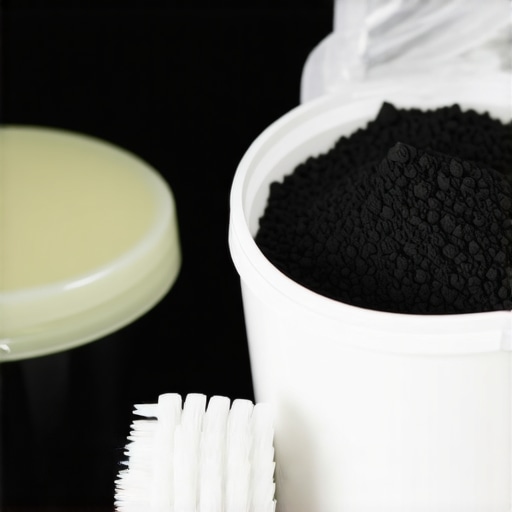
Swap the Powder for a Gentle Gel
I transitioned to a clear fluoride gel, and the difference in sensation was jarring. At first, I missed the “scrubbed” feeling, but then I realized my teeth didn’t feel “furry” by mid-afternoon anymore. Gels lack the large silica particles found in whitening pastes. This is crucial because teeth whitening for veneers isn’t about bleaching the material; it’s about keeping the surface so smooth that stains can’t stick. Instead of mechanical scrubbing, look for peroxide-based gels or enzymatic ingredients like papain or bromelain. These break down the protein pellicle—the sticky film that stains cling to—without touching the porcelain itself. If you’re a red wine or coffee lover, try the only way to get red wine stains off your enamel without scrubbing.
Why Professional Polishing is Non-Negotiable
Even with the best home routine, you need a pro to check the margins of your work. I used to skip my six-month cleanings because I thought my charcoal routine was doing the heavy lifting. I was wrong. A dentist uses specialized polishing pastes that restore the luster of the porcelain without thinning it out. This is a core part of family dentistry building healthy smiles for every generation. If you notice that your teeth feel sensitive to sugar but not to cold, it might be a sign that you’ve already worn down your natural enamel or created microscopic gaps near your veneer margins through aggressive brushing. A professional cleaning isn’t just about brightness; it’s about checking the structural integrity of your investment.Beyond the physical scrubbing of charcoal, there is a mental trap many of us fall into: the ‘more is better’ philosophy when it comes to aesthetics. We assume that if a little whitening is good, then a high-concentration peroxide gel must be better. However, this is where many high-end smile investments start to go sideways. Let’s dig deeper into the nuances that separate a healthy, vibrant smile from one that looks artificially flat or damaged.
Stop Chasing the Neon White Glow
Most people believe that the goal of cosmetic dentistry is to achieve the whitest shade possible. In my experience, and according to the American Academy of Cosmetic Dentistry (AACD), pushing past your natural brightness limit can lead to ‘translucency.’ This is when the tooth structure becomes so thinned out or chemically altered that it begins to look gray or even blue-ish because it’s literally losing its ability to reflect light. If you’ve noticed this, you might be wondering why your teeth look gray instead of yellow and how to fix it. This is especially true for those with restorative work who try to match their natural teeth to their porcelain. If you go too far, you’ll find yourself needing to learn how to stop your veneers from looking too white and fake because the contrast becomes jarring.
Why Does My Professional Whitening Seem to Fail After Only a Few Months?
The ‘oops’ factor in whitening is often related to dehydration. Many people see a blindingly white result immediately after a session and assume that is their new permanent shade. In reality, much of that initial ‘pop’ is caused by the peroxide drying out the enamel. As the teeth rehydrate over the next 48 hours, the color ‘rebounds.’ If you aren’t prepared for this, you might be tempted to whiten again too soon, leading to extreme sensitivity. Knowing how to manage the zingers after a professional whitening session is a sign of an advanced patient who understands that professional-grade results require patience, not just power.
The Invisalign Discipline Trap
Transitioning from whitening to alignment, another common misconception in family dentistry building healthy smiles for every generation is that clear aligners are the ‘easy’ alternative to braces. While they are more discreet, they actually require significantly more discipline. The biggest mistake I see is the ’18-hour habit.’ Many patients think wearing their trays most of the time is enough, but the problem with wearing your aligners for only 18 hours a day is that your teeth spend 6 hours ‘relapsing’ or shifting back. This creates a constant state of inflammation in the ligament that can actually slow down your progress more than if you had traditional metal brackets. 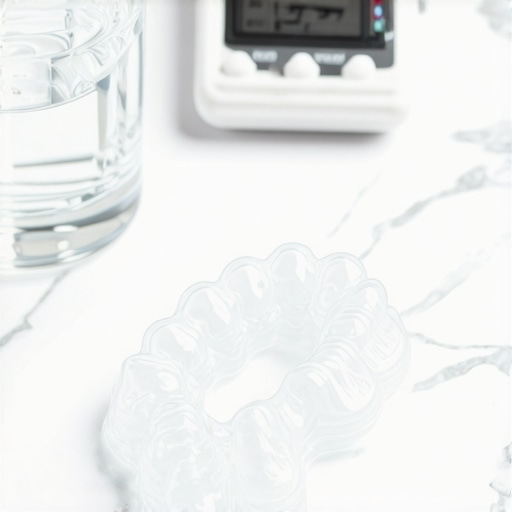
Experience the Difference of Personalized Care
When you are navigating these advanced dental choices, the environment where you receive care matters. There is often the subtle difference between a corporate clinic and local culpeper family dentistry that manifests in how these nuances are explained to you. A local practitioner is more likely to warn you about the long-term health of your enamel rather than just selling you the latest ‘ultra-white’ package. Have you ever fallen into this trap of over-whitening or skipping aligner hours? Let me know in the comments—I’d love to hear how you got your smile back on track!
Maintaining a high-end smile isn’t just about what you do in the dentist’s chair; it’s about the high-tech arsenal you keep in your bathroom cabinet. After years of trial and error with various gadgets, I’ve realized that generic manual brushes simply don’t cut it when you have porcelain or aligners. I personally transitioned to a Sonicare ProtectiveClean 6100 specifically because of its pressure sensor. When you have veneers, you need to stop brushing your veneers like they are real teeth, and having a brush that physically stops vibrating when you press too hard is a literal lifesaver for your porcelain glaze. I also swear by the Waterpik Aquarius on its lowest setting. Most people crank it up to ten, but for restorative work, a setting of three or four is plenty to clear the margins without risking the bond integrity.
How do I maintain my dental work over time?
The secret to longevity isn’t just cleaning; it’s protection from your own habits. Many people don’t realize they grind their teeth at night until their expensive veneers start to chip. I learned that why your porcelain veneers look dull after five years of wear often comes down to micro-fractures from bruxism. This is why a custom-fitted night guard is non-negotiable. If you use one, you must learn how to properly clean a night guard to prevent bacterial buildup, or you’ll end up with localized gum inflammation that can ruin the aesthetics of your smile line. I use an ultrasonic cleaner—the same kind used for jewelry—with a dedicated retainer tablet to keep mine crystal clear. This same tool works wonders if you are currently using Invisalign innovation invisible braces changing smiles in 2025 at 1537, as it removes the hidden reason your clear aligners have a persistent odor: the microscopic biofilm that manual scrubbing misses.
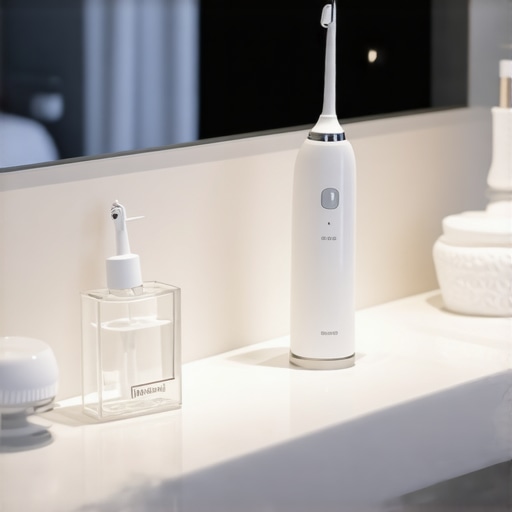
Beyond the tools, you have to be strategic about your diet. You don’t have to give up your morning ritual if you know how to keep your teeth white without giving up black tea or coffee. The pro tip is ‘ph-neutralizing’ immediately after consumption. I carry a small bottle of xylitol spray to use after my espresso; it shifts the mouth’s acidity, preventing the enamel from becoming porous and susceptible to staining. According to the American Academy of Implant Dentistry, the longevity of any restorative work is 90% dependent on the patient’s ability to manage biofilm at the gum line. This means you need to master how to clean the stubborn gunk out of your night guard and maintain a strict flossing schedule, perhaps even using a permanent wire if you’ve been warned how to stop your bottom teeth from shifting after your retainer breaks.
The Future of Home Dental Monitoring
I predict that in the next few years, we will see a massive shift toward tele-dentistry AI tools. We are already seeing apps that allow you to scan your teeth with your smartphone to check for aligner fit or early signs of gum recession. This kind of ‘proactive monitoring’ will be the gold standard for family dentistry building healthy smiles for every generation. Instead of waiting for a six-month checkup, we’ll be catching issues in real-time. If you want to stay ahead of the curve, I highly recommend investing in an ultrasonic cleaner for your aligners or guards today—it is the single most effective way to prevent staining and odors that even the best teeth whitening treatments can’t fix once they set in. Try using an ultrasonic cleaner for just one week and see how much clearer your trays look!
The Hard Truth About My Five-Year Smile Transformation
If I could go back to the day I first got my work done, I would tell myself that porcelain isn’t a set-it-and-forget-it solution. It requires a mindset shift from aggressive cleaning to gentle preservation. First, realize that your gum health is actually more important than the shade of the porcelain; if your gums recede, you’ll see a dark line that no amount of scrubbing can fix. Second, the light in your bathroom is often a liar—it’s worth learning why your teeth look yellow in certain bathroom lighting before you panic and reach for a harsh whitening kit. Finally, never ignore a change in texture; if you feel a snag, investigate why your veneers feel like they are catching on your tongue immediately rather than waiting for a chip to happen.
My Daily Arsenal for a Zero-Damage Routine
To keep my smile in top shape without using abrasive trends, I’ve curated a toolkit that focuses on chemistry rather than friction. I highly recommend an ultrasonic cleaner for any removable appliance. It’s the only way to avoid the embarrassment of a cloudy tray; if you’re struggling with scents, here is the hidden reason your clear aligners have a persistent odor and how to fix it. I also keep a pH-balancing spray in my bag to neutralize acids after meals. If you’re a heavy coffee drinker, you need a proactive strategy to how to keep your teeth white without giving up black tea. Lastly, always check the RDA of your toothpaste to ensure it’s under 70, preventing that gritty feeling that leads to permanent glaze damage.
#IMAGE_PLACEHOLDER_E#
Protect Your Investment and Keep Smiling
Your smile is often the first thing people notice, and investing in high-quality care like family dentistry is about more than just aesthetics—it’s about confidence and long-term health. Don’t let a viral marketing trend like charcoal ruin the thousands you’ve spent on your restorative work. By focusing on low-abrasion tools and professional maintenance, you can ensure your investment lasts for decades rather than just a few years. Have you ever tried a viral dental hack that ended up doing more harm than good? Let me know your experience in the comments below!