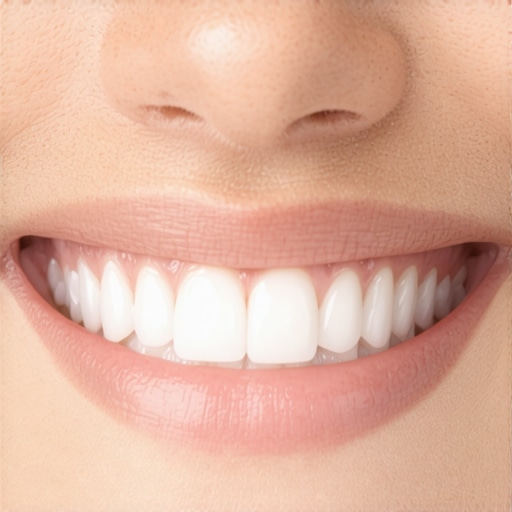
Elevating Dental Aesthetics: The Intersection of Family Dentistry and Cosmetic Innovation
In the dynamic landscape of oral health care, the integration of comprehensive family dentistry with cutting-edge cosmetic procedures offers unprecedented opportunities for personalized smile enhancement. As we navigate into 2024, dental professionals leverage sophisticated tools such as teeth whitening, Invisalign, and veneers to craft holistic treatment plans that address both functional integrity and aesthetic excellence. This convergence not only elevates patient trust but also fosters long-term oral health resilience.
How Do Modern Cosmetic Strategies Complement Traditional Family Dental Practices?
Contemporary family dentistry transcends mere cavity prevention, embracing a proactive approach to aesthetic and restorative needs. Techniques like veneers and teeth whitening are seamlessly incorporated into routine care, transforming smiles with minimal invasiveness. This synergy ensures that patients receive comprehensive care that emphasizes both health and confidence, crucial for building trust across generations.
Professionals emphasize the importance of personalized treatment plans, which consider individual dental morphology, lifestyle, and aesthetic goals. For example, clear aligners like Invisalign are now favored for discreet orthodontic correction, especially in adult patients seeking minimal disruption. Meanwhile, advanced whitening protocols utilizing LED technology or custom bleaching trays yield luminous results aligned with modern aesthetic standards.
The Role of Innovative Materials and Techniques in Smile Makeovers
State-of-the-art materials such as porcelain veneers and composite resins empower clinicians to achieve naturalistic, durable restorations. These materials are designed to mimic the translucency and texture of natural enamel, creating harmonious smiles that withstand daily wear. The strategic use of minimally invasive veneers can correct minor imperfections, while full-mouth reconstructions address complex functional issues.
Moreover, digital smile design software enables practitioners to visualize outcomes with precision, enhancing patient communication and satisfaction. This technological integration exemplifies how contemporary dentistry merges artistry with science, facilitating tailored smile transformations that resonate with individual identities.
Balancing Aesthetic Enhancement with Oral Health Preservation
While cosmetic procedures are compelling, they must be balanced with the foundational principles of family dentistry—prevention, education, and maintenance. Overly aggressive interventions risk compromising long-term oral health; thus, expert practitioners adopt a conservative approach, prioritizing tissue preservation and periodontal health.
Preventive strategies, including fluoride applications and sealants, complement aesthetic treatments, ensuring that enhanced smiles remain healthy over time. Regular follow-ups and patient education are critical components that underpin the success of integrated treatment plans, fostering trust and shared responsibility.
What Are the Emerging Challenges in Maintaining the Longevity of Cosmetic Dental Work?
In the realm of advanced dental aesthetics, longevity remains a pivotal concern. Factors such as material wear, patient habits, and occlusal dynamics influence the durability of veneers, whitening effects, and aligners. Ongoing research, including insights from the Journal of Prosthodontics, emphasizes the need for meticulous case selection, material advancements, and maintenance protocols to optimize outcomes.
Continual professional development and patient adherence to oral hygiene practices are vital to extending the lifespan of cosmetic enhancements. As technology evolves, so too does the potential for longer-lasting, more natural results that seamlessly integrate with the patient’s overall health profile.
Dental practitioners are encouraged to explore comprehensive resources and contribute their expertise to the community, fostering an environment where innovation continually elevates standards of care. For further insights into sophisticated smile design, visit our smile makeover strategies for 2024.
Revolutionizing Smile Longevity with Advanced Dental Materials
Recent breakthroughs in dental materials, such as ultra-resilient porcelain and nanocomposite resins, are transforming how clinicians approach smile restorations. These innovations not only mimic natural enamel more convincingly but also significantly extend the lifespan of cosmetic procedures like veneers and bonding. For instance, research published in the Journal of Prosthodontics highlights how material science is pivotal in achieving durable, stain-resistant, and minimally invasive restorations that stand the test of time.
How Can Digital Technology Predict and Enhance Long-Term Outcomes?
Digital smile design platforms, combined with AI-powered predictive analytics, now enable practitioners to simulate not only immediate results but also long-term stability of aesthetic treatments. These tools incorporate patient-specific factors such as occlusal forces, habits, and wear patterns, allowing for preemptive adjustments that optimize longevity. This proactive approach ensures that family dentistry evolves from reactive repairs to strategic preservation, aligning with the latest standards of comprehensive care.
For those interested in integrating these cutting-edge tools into your practice or seeking tailored treatment options, visiting our contact page can connect you with experts dedicated to personalized, innovative solutions.
Challenging Assumptions: Is More Always Better in Cosmetic Dentistry?
It’s a common misconception that aggressive procedures yield the best results. Instead, the trend is shifting toward conservative interventions that preserve as much natural tissue as possible while achieving the desired aesthetic enhancement. Techniques like minimally invasive veneers and selective enamel recontouring exemplify this philosophy, emphasizing the preservation of natural tooth structure and periodontal health. Experts emphasize that a balanced approach—combining aesthetic goals with biological considerations—is crucial for sustainable results.
This paradigm shift underscores the importance of comprehensive case assessment and patient education, ensuring expectations are realistic and align with long-term health. To explore how these strategies can be tailored for your unique needs, consider reading more about smile makeover tips for 2024.
What Role Do Preventive Measures Play in Extending the Lifespan of Cosmetic Work?
Preventive care remains the cornerstone of durable aesthetic results. Regular maintenance, including professional cleanings, fluoride treatments, and custom bleaching, minimizes wear and staining, preserving the integrity of restorations. Patient education on habits such as avoiding abrasive foods, managing bruxism, and practicing meticulous oral hygiene is vital. A proactive maintenance schedule tailored to individual risk factors not only prolongs the life of cosmetic interventions but also supports overall oral health, reinforcing the trust between patient and provider.
Continued professional development ensures dentists stay abreast of the latest preventive strategies, integrating them seamlessly into cosmetic treatment plans. For comprehensive guidance on maintaining your smile’s brilliance, check our teeth whitening secrets for 2025.
Future-Proofing Your Smile: How Cutting-Edge Materials and Techniques Extend Dental Restoration Lifespans
In the realm of cosmetic dentistry, longevity isn’t merely a desirable trait—it’s a fundamental measure of success. As advancements in material science accelerate, practitioners now have access to ultra-resilient porcelain and nanocomposite resins that significantly outperform traditional restoratives. These innovations are not just about aesthetics; they are about creating durable, stain-resistant, and minimally invasive solutions that stand the test of time, especially vital for complex smile makeovers.
The integration of high-performance materials, as detailed in the latest research published by the Journal of Dental Materials Science, underscores how nanotechnology enhances the physical properties of dental restorations. For example, nano-ceramic composites offer superior translucency and wear resistance, mimicking natural enamel more convincingly while resisting fracture under occlusal stress. This, coupled with improved bonding techniques, ensures that restorations like veneers and crowns maintain their integrity over longer periods.
Furthermore, digital innovations—particularly CAD/CAM and 3D printing—are revolutionizing how restorations are fabricated, allowing for precision fitment that reduces marginal gaps and minimizes the risk of secondary caries or periodontal issues. These technologies enable clinicians to produce restorations with meticulous detail, enhancing both longevity and patient satisfaction.
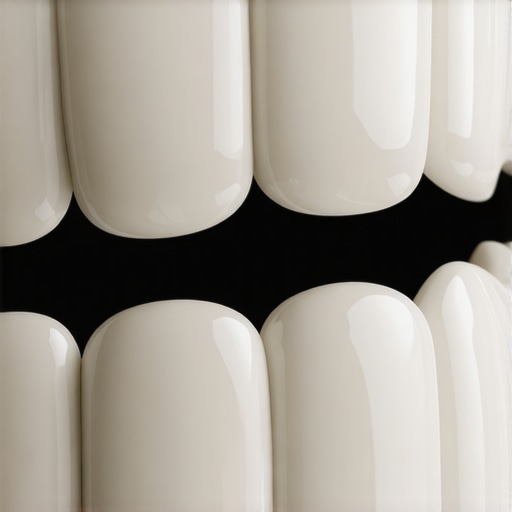
Image prompt: High-resolution CAD/CAM dental restoration process showcasing digital design and milling of a porcelain veneer.
In addition, the use of bioactive materials that promote remineralization and tissue integration is emerging as a game-changer. These materials not only serve as passive restorations but actively contribute to the health of surrounding tissues, thereby extending the functional lifespan of cosmetic work. For instance, bioactive glass-infused composites release ions that stimulate apatite formation, reinforcing the natural tooth structure and improving the interface between restoration and tissue.
Can predictive analytics and AI truly forecast the longevity of cosmetic procedures?
Absolutely. The advent of AI-powered predictive models, which analyze patient-specific data such as occlusal forces, parafunctional habits, and previous restorative history, is transforming prognosis accuracy. These tools integrate long-term clinical data and material performance statistics to simulate potential failure modes, enabling proactive intervention before issues arise. This strategic foresight enhances the durability of cosmetic treatments, aligning with the evolving standards of personalized, precision dentistry.
Practitioners interested in leveraging these innovations should explore platforms like DentalAI which offer comprehensive analytics tailored to individual cases. Embracing these technologies not only elevates clinical outcomes but also fortifies patient trust, fostering long-term relationships grounded in excellence.
Is Conservative Approach Always the Best Strategy for Sustainable Smile Enhancements?
While aggressive restorations may seem tempting for immediate aesthetic gains, the paradigm shift in modern dentistry advocates for conservatism—preserving as much natural tissue as possible. Techniques like minimally invasive veneer placement and selective enamel recontouring exemplify this movement, emphasizing biological harmony and long-term health.
This approach is supported by evidence indicating that preserving natural tooth structure reduces the risk of pulpal complications, periodontal issues, and future restorative failures. It also aligns with patient preferences for less invasive, more reversible procedures, thereby enhancing satisfaction and compliance.
For instance, using digital smile design software allows clinicians to plan restorations that require minimal tooth reduction, ensuring that the natural anatomy and function are maintained, which is crucial for longevity. Moreover, conservative interventions often simplify future revisions or repairs, making ongoing maintenance more manageable and cost-effective.
Image prompt: Dentist performing minimally invasive veneer preparation with digital smile design overlay.
Ultimately, integrating preventive care with conservative aesthetic procedures creates a balanced, health-centered approach that maximizes both beauty and durability. This synergy underscores the importance of continuous professional education and patient engagement in achieving sustainable, long-lasting results. For further insights on maintaining your investment in cosmetic dentistry, explore our comprehensive guide on long-term care strategies for cosmetic dental work.
Revolutionizing Smile Design: The Impact of Artificial Intelligence on Treatment Planning
Artificial Intelligence (AI) is rapidly transforming the landscape of family and cosmetic dentistry by enabling highly personalized treatment strategies. Advanced algorithms analyze vast datasets, including patient-specific occlusal patterns, tissue biomechanics, and material performance, to predict long-term outcomes with exceptional accuracy. This technology allows clinicians to simulate and optimize smile designs before any irreversible procedures, reducing guesswork and enhancing predictability.
For example, AI-driven software can forecast the wear resistance and color stability of veneers and whitening protocols tailored to individual habits and biochemistry. As a result, practitioners can formulate maintenance plans that extend the lifespan of cosmetic work, ensuring enduring aesthetic results and patient satisfaction. Stay ahead by integrating these innovative tools into your practice and offering state-of-the-art care.
Innovative Material Science: The New Frontier of Durability and Aesthetics
Material science breakthroughs such as bioactive, nanostructured composites are redefining the boundaries of longevity and beauty in dental restorations. These materials mimic natural enamel more convincingly, providing superior translucency, color matching, and wear resistance. The integration of bioactive components not only enhances the aesthetic appeal but also actively promotes remineralization of surrounding tissues, reducing the risk of secondary caries and periodontal issues.
Moreover, the advent of 3D printing and CAD/CAM milling enables precise fabrication of restorations with optimal fit and minimal invasiveness. The combination of these technologies facilitates rapid, cost-effective production of durable, biocompatible restorations that withstand the rigors of daily life while maintaining their pristine appearance. Explore these advancements to elevate your restorative outcomes.
How do cutting-edge materials influence the long-term success of cosmetic dentistry?
Cutting-edge materials significantly enhance the longevity and biological compatibility of cosmetic procedures. Their superior physical properties resist fracture, staining, and wear, ensuring that aesthetic enhancements remain vibrant over time. Additionally, bioactive materials foster tissue healing and stability, creating a harmonious interface between restorations and natural tissues. According to the Journal of Dental Materials Science, incorporating these innovations reduces failure rates and minimizes the need for future repairs.
To stay at the forefront, practitioners should continuously review emerging research and adopt these advanced materials into their clinical protocols.
Maximizing Longevity Through Digital Innovations and Predictive Analytics
Digital smile design combined with AI-powered predictive analytics empowers clinicians to forecast the durability of aesthetic treatments with unprecedented precision. These tools analyze patient-specific data such as occlusal dynamics, parafunctional habits, and material properties to identify potential failure risks proactively. This strategic foresight facilitates tailored intervention plans that mitigate long-term issues, thereby prolonging the lifespan of veneers, whitening results, and orthodontic corrections.
Practitioners who harness these technologies can offer patients not only immediate aesthetic improvements but also sustainable, long-lasting results. Further, integrating digital workflows streamlines procedures, reduces chair time, and enhances patient engagement and trust.
Prioritizing Preservation: The Key to Sustainable Smile Enhancement
While cosmetic procedures promise transformative results, a conservative approach remains paramount. Techniques emphasizing minimal tissue removal and reversible interventions uphold the biological integrity of natural teeth. Digital planning tools enable clinicians to achieve aesthetic goals while preserving maximum tooth structure, thereby reducing the risk of pulpal damage, periodontal complications, and future restorative challenges.
This philosophy aligns with progressive trends toward biologically respectful dentistry, fostering durable, health-centered smiles. Embrace these principles to deliver results that are both stunning and sustainable.
What strategies can practitioners employ to ensure the longevity of cosmetic investments?
Implementing comprehensive maintenance protocols, including regular professional cleanings, customized whitening touch-ups, and occlusal adjustments, is essential. Educating patients about habits that affect durability, such as avoiding abrasive foods and managing parafunctional behaviors like bruxism, further prolongs treatment longevity. Incorporating bioactive materials that promote tissue health and utilizing digital monitoring tools allows for early detection of potential issues, enabling timely intervention. As noted by the American Journal of Dentistry, these multifaceted strategies collectively enhance the durability and aesthetics of cosmetic work, ensuring that investments in smile enhancement yield lasting satisfaction.
Expert Strategies for Longevity in Smile Makeovers
Leading professionals emphasize the importance of integrating advanced materials like nanocomposite resins and bioactive ceramics, which significantly extend the lifespan of restorations while maintaining aesthetic quality. Staying current with ongoing research ensures that clinical approaches are both innovative and evidence-based, reducing the risk of early failure.
Advanced Material Selection
Utilizing ultra-resilient porcelain and innovative composites enhances durability, especially in patients with high occlusal forces. These materials mimic natural enamel more convincingly and offer superior resistance to staining and fracture, making them ideal for long-term smile enhancements.
Digital Precision and Predictive Analytics
Employing digital smile design software coupled with AI-driven predictive models allows clinicians to anticipate potential complications, optimize treatment plans, and customize maintenance routines. This integration of technology transforms traditional restorative procedures into precision art and science, ensuring lasting results.
Conservative Approaches for Sustainability
Prioritizing minimally invasive techniques preserves natural tissue integrity, reducing the likelihood of pulpal or periodontal issues. Digital planning tools facilitate this strategy, enabling aesthetic goals to be achieved without unnecessary tissue removal, thereby fostering durable and biologically harmonious outcomes.
Patient Engagement and Preventive Care
Educating patients about habits that impact longevity, such as avoiding abrasive foods and managing parafunctional behaviors, is essential. Regular professional maintenance combined with personalized oral hygiene protocols sustains the aesthetic and functional integrity of cosmetic work over time.
Trusted Resources for Cutting-Edge Knowledge
- Journal of Prosthodontics: Renowned for research on material performance and longevity in aesthetic restorations.
- Dental Materials Science: Offers insights into emerging materials like nanostructured composites and bioactive ceramics.
- AI in Dentistry Platforms: Provides predictive analytics tools that improve prognosis accuracy and treatment customization.
- Digital Smile Design Software: Enables precise visualization and planning, maximizing aesthetic outcomes while conserving tissue.
- American Journal of Dentistry: Publishes comprehensive reviews on maintenance strategies and long-term success metrics.
Final Reflection from an Industry Expert
In the evolving landscape of family dentistry and cosmetic procedures, the key to success lies in a balanced approach that combines innovative materials, digital precision, and conservative principles. Embracing these strategies ensures that smile enhancements are not only stunning but also sustainable, reinforcing the trust and health of your patients. For professionals committed to excellence, continuous education and technological adoption are not options but imperatives. Engage with leading resources, refine your techniques, and foster a culture of innovation to elevate your practice to new heights.
Interested in further advancing your expertise? Connect with industry leaders and explore comprehensive resources to stay at the forefront of this dynamic field.
Leave a Reply