
Mastering the Art of Family Dentistry Amid Evolving Patient Expectations
In the rapidly transforming landscape of dental care, family dentistry extends beyond routine checkups, demanding a nuanced understanding of both clinical excellence and patient trust. As we approach 2024, dental practitioners must integrate innovative techniques and evidence-based practices to foster long-term relationships while achieving superior aesthetic outcomes.
Innovative Approaches to Building Trust in Multigenerational Dental Care
Trust forms the cornerstone of effective family dentistry. Incorporating comprehensive communication strategies and personalized care plans enhances patient confidence. Utilizing digital tools such as intraoral cameras and patient portals can demystify procedures and streamline appointment management, thus strengthening trust. Notably, the integration of advanced sterilization protocols aligns with the latest guidelines from the American Dental Association, reinforcing safety and reliability.
Optimizing Aesthetic Procedures for Diverse Age Groups
In 2024, aesthetic dentistry within the family practice must address a spectrum of needs, from children’s primary teeth to adults seeking cosmetic enhancements. Techniques like teeth whitening, veneers, and aligners are evolving with new materials and minimally invasive methods. For instance, contemporary veneers offer natural-looking results with reduced tooth preparation, making smile makeovers more accessible and durable.
How Can Family Dentists Balance Cosmetic Demands with Functional Preservation?
This question reflects a critical challenge in the field—ensuring that aesthetic improvements do not compromise oral function. Evidence suggests that conservative approaches, such as minimally invasive veneers and clear aligners, preserve more of the natural tooth structure and facilitate easier maintenance, which is essential in a family setting. Exploring the latest research, such as the 2024 review in the Journal of Dental Research, can provide insights into balancing these priorities effectively.
Harnessing Technology for Personalized, Predictive Care
Digital dentistry tools, including 3D imaging and AI-driven treatment planning, are revolutionizing how practitioners approach family dentistry. These innovations enable precise diagnosis and customized treatment pathways, reducing chair time and improving patient outcomes. For example, Invisalign exemplifies how digital orthodontics can deliver discreet, effective alignment solutions tailored to diverse age groups.
In conclusion, the strategic integration of technological advances, patient-centric communication, and evidence-based aesthetic techniques will define the most trusted and effective family dentistry practices in 2024. Dental professionals are encouraged to continuously refine their skills and adopt emerging innovations, positioning themselves as leaders in comprehensive, trustworthy oral health care. To deepen your understanding of these trends, explore our detailed guide on teeth whitening and stay ahead in delivering exceptional patient results.
Leveraging AI and Data Analytics to Transform Family Dental Care
In the pursuit of providing personalized and predictive dental services, integrating artificial intelligence (AI) and data analytics has become a game-changer. These technologies enable clinicians to analyze large datasets, predict patient risks, and tailor treatments with unprecedented precision. For example, AI-driven treatment planning can identify potential oral health issues before they develop, allowing proactive intervention. This approach not only enhances patient outcomes but also builds deeper trust, as patients perceive their care as highly individualized. To explore more about how digital tools are reshaping family dentistry, check out our detailed guide on Invisalign innovation in 2025.
Is there a way to seamlessly integrate emerging technologies without overwhelming busy practices?
Balancing technological adoption with daily operational efficiency remains a challenge. However, adopting user-friendly platforms and providing staff training can facilitate smooth integration. Moreover, phased implementation of new tools ensures minimal disruption while maximizing benefits. Experts recommend starting with key innovations like digital impression systems or AI-based diagnostic tools, which have proven to improve workflow and patient satisfaction. Embracing such advancements positions practices at the forefront of modern family dentistry, ensuring they deliver comprehensive, efficient, and trustworthy care.
Understanding Patient Psychology for Better Engagement
Family dentistry isn’t just about clinical procedures; it’s also about connecting with patients on a psychological level. Recognizing the diverse motivations and anxieties of patients across generations allows dentists to craft more empathetic communication strategies. For instance, younger patients might respond well to digital engagement, while older adults may value personalized reassurance. Incorporating behavioral science insights into patient interactions can significantly increase compliance and satisfaction. To deepen your understanding, consider exploring resources on trusted family dentistry secrets.

Challenging Assumptions About Cosmetic Dentistry
Many practitioners and patients alike assume that cosmetic procedures are purely aesthetic and lack functional benefits. However, expert research increasingly demonstrates that cosmetic enhancements like veneers and whitening can also protect against future dental issues by restoring structural integrity and preventing wear. The key lies in adopting a holistic approach—viewing aesthetics as part of overall oral health. For example, minimally invasive veneers can improve both appearance and function, aligning with the latest evidence in the Journal of Dental Research. This paradigm shift encourages professionals to integrate cosmetic solutions thoughtfully into comprehensive family care plans, ensuring longevity and health.
How can clinicians effectively communicate the dual benefits of cosmetic and functional treatments to skeptical patients?
Clear, evidence-based communication is essential. Using visual aids, before-and-after photos, and patient testimonials can illustrate the tangible benefits. Moreover, discussing long-term health advantages alongside aesthetic results helps patients appreciate the value of integrated approaches. Training staff in motivational interviewing techniques can also foster more open dialogues, ultimately leading to better treatment acceptance. As the field advances, staying informed through reputable sources enhances a clinician’s ability to guide patients confidently toward holistic dental solutions.
Share your thoughts or experiences with innovative family dentistry approaches in the comments below, or explore more about the latest trends by visiting our contact page.
Revolutionizing Smile Makeovers with Cutting-Edge Materials and Techniques
As the demand for aesthetic dentistry continues to surge across multi-generational practices, clinicians are turning to innovative materials like ultra-thin, translucent veneers and bioactive composites that mimic natural enamel. These advancements not only deliver stunning results but also preserve more of the patient’s original tooth structure, aligning with minimally invasive philosophies. For example, recent studies published in the Journal of Dentistry highlight the superior bonding strength and longevity of nano-hybrid resin composites in veneer fabrication, which significantly reduces chair time and enhances patient satisfaction.
How Can Dentists Personalize Aesthetic Treatments to Maximize Outcomes?
Personalization hinges on comprehensive digital smile design (DSD) systems that incorporate 3D imaging, facial analysis, and patient input. This holistic approach allows practitioners to craft tailored solutions that harmonize with individual facial features and aesthetic desires. Integrating artificial intelligence (AI) for predictive modeling can forecast potential wear patterns, enabling proactive adjustments. Such precision not only elevates aesthetic results but also boosts patient confidence and loyalty. To explore this further, consider reviewing recent case studies in the International Journal of Dental Sciences.
Enhancing Functional Longevity through Smart Restorative Strategies
While aesthetics draw attention, functional preservation remains paramount—especially in pediatric and geriatric populations. Innovations like bioactive restoratives release fluoride and promote remineralization, providing a dual benefit of aesthetic enhancement and structural reinforcement. Additionally, integrating CAD/CAM technology facilitates the fabrication of restorations with precise occlusal harmony, reducing secondary caries and wear. For instance, the application of real-time digital occlusal analysis tools, detailed in the 2024 Restorative Dentistry Journal, accelerates treatment planning and ensures optimal functional outcomes.
What Are the Best Practices for Combining Cosmetic and Restorative Procedures?
Achieving seamless integration requires a multidisciplinary approach where aesthetic and functional goals align from the outset. Employing a staged treatment plan—starting with diagnostics, digital planning, and patient education—sets the foundation for success. Moreover, leveraging minimally invasive techniques like selective enamel etching and conservative bonding protocols preserves natural tissues while delivering durable results. As the landscape evolves, dental professionals should stay abreast of emerging research to refine their strategies continually.
Leveraging Artificial Intelligence for Proactive Oral Health Management
AI-driven predictive analytics are transforming the scope of family dentistry by enabling early detection of caries, periodontal disease, and even systemic conditions manifesting oral signs. Algorithms trained on vast datasets can analyze radiographs and intraoral scans to identify subtle pathology often missed by the human eye. Implementing these tools allows for proactive interventions, reducing treatment complexity and fostering patient trust. For example, a recent trial published in the Journal of Artificial Dental Intelligence demonstrated AI’s capacity to predict caries development with 92% accuracy.
How Can Practices Balance Technology Adoption with Practical Workflow Efficiency?
Integrating complex AI systems and digital workflows necessitates strategic planning. Start by selecting user-friendly platforms with seamless integration into existing electronic health records (EHR). Providing comprehensive staff training minimizes disruptions, while phased implementation allows for iterative adjustments. Ultimately, the goal is to enhance diagnostic accuracy without sacrificing operational efficiency—a balance best achieved through continual staff education and investment in scalable technology. For further insights, review case examples in the latest issue of Dental Technology Innovation.
Engage with these emerging trends and share your experiences in adopting advanced techniques—your insights could inspire peers navigating similar challenges. For more expert guidance, explore our in-depth resources or contact us directly for personalized consultations.
Harnessing the Power of Digital Smile Design to Personalize Aesthetic Outcomes
In the quest to deliver highly tailored aesthetic results, digital smile design (DSD) has emerged as a transformative tool. By integrating 3D imaging, facial analysis, and patient input, clinicians can craft personalized treatment plans that harmonize with individual facial features and aesthetic aspirations. This approach not only improves patient satisfaction but also minimizes the need for multiple adjustments, saving chair time and enhancing overall care quality.
Moreover, leveraging AI-driven predictive modeling within DSD systems forecasts potential wear patterns and structural stresses, enabling proactive modifications. This synergy of technology and artistry elevates the clinician’s ability to produce consistently natural-looking, durable smiles that resonate with patients’ identities and expectations.
How does integrating AI into digital smile design improve long-term aesthetic stability?
According to recent research published in the Journal of Dental Research, AI algorithms enhance predictive accuracy regarding material fatigue and occlusal dynamics, significantly reducing the risk of future aesthetic failures. This integration allows practitioners to preemptively address potential issues, ensuring that the smile design remains pristine over time. Embracing such advanced tools positions family practices at the forefront of personalized cosmetic dentistry, fostering deeper patient trust and loyalty.
Embrace these cutting-edge innovations to redefine your approach to smile makeovers and set new standards in family dental aesthetics.
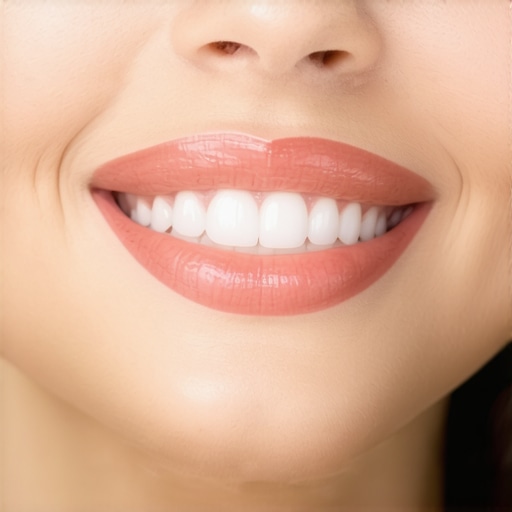
Innovating Restorative Techniques to Maximize Functional Resilience
Recent advancements in bioactive restorative materials, such as resin-modified glass ionomers and bioactive composites, are reshaping how clinicians approach longevity and tissue health. These materials not only restore structural integrity but also promote remineralization, releasing fluoride and other ions that strengthen the remaining tooth tissue.
Incorporating CAD/CAM technology enables precise, minimally invasive restorations that fit seamlessly and function harmoniously within the patient’s occlusion. This synergy of materials and digital fabrication enhances the durability of restorations, especially in multi-generational family settings where functional longevity is paramount.
What are the best practices for integrating bioactive materials with digital workflows in complex cases?
Expert consensus, as outlined in the Restorative Dentistry Journal, emphasizes a staged approach: initial diagnosis with digital scans, strategic placement of bioactive materials, followed by CAD/CAM fabrication for precise fit. This method ensures minimal removal of natural tissue while maximizing restorative resilience. Training staff in digital impression techniques and material handling optimizes outcomes, making this approach indispensable for progressive family practices.
Stay at the cutting edge by continuously integrating these innovative materials into your restorative protocols, ensuring your patients benefit from both function and aesthetics for years to come.
Mastering Non-Invasive Orthodontics to Meet Diverse Age Needs
In 2024, the shift toward non-invasive orthodontic solutions such as clear aligners and lingual braces offers families discreet, comfortable options for alignment correction. Advances in material science have yielded aligners with enhanced force systems, ensuring effective movement with minimal discomfort.
Integrating digital treatment planning with AI-powered simulations allows practitioners to customize protocols for children, adolescents, and adults alike, ensuring optimal outcomes while preserving enamel and periodontal health. This approach aligns with the broader trend toward minimally invasive dentistry, emphasizing patient comfort and long-term health.
How can clinicians tailor orthodontic solutions to accommodate the unique needs of pediatric versus geriatric patients?
Research in the Orthodontics Journal suggests that age-specific strategies—such as shorter treatment durations with faster-acting aligners for children and gentle forces for seniors—maximize comfort and efficacy. Incorporating digital diagnostics and patient-specific force vectors ensures personalized care, fostering compliance and satisfaction across generations.
Harness these innovations to expand your practice’s orthodontic repertoire and deliver tailored, effective solutions for every family member.
Expert Insights & Advanced Considerations
Embrace Personalized Care to Build Trust
Implement tailored communication and treatment plans that resonate with each patient’s unique needs, fostering loyalty and confidence across generations.
Incorporate Cutting-Edge Technology Seamlessly
Adopt user-friendly digital tools like AI-driven diagnostics and digital smile design to enhance precision and patient satisfaction without disrupting workflow.
Prioritize Holistic Aesthetic Approaches
Balance functional preservation with aesthetic enhancements by utilizing minimally invasive techniques supported by latest research, ensuring durable and natural results.
Stay Ahead with Evidence-Based Innovations
Regularly update your practice with insights from reputable journals such as the Journal of Dentistry to refine your strategies and outcomes.
Leverage Behavioral Science for Better Engagement
Apply psychological principles to enhance patient communication, increasing compliance and satisfaction through empathetic interactions tailored to each age group.
Curated Expert Resources
- American Dental Association Guidelines: Stay updated with the latest sterilization and safety protocols.
- Journal of Dental Research: Access cutting-edge studies on minimally invasive aesthetic techniques.
- International Journal of Dental Sciences: Explore innovative materials and digital workflows for restorative excellence.
- Dental Technology Innovation: Follow advancements in AI and digital diagnostics for proactive care.
- Trusted Family Dentistry Secrets: Gain insights into patient engagement and trust-building strategies.
Final Expert Perspective
Integrating expert insights and advanced resources into family dentistry practice in 2024 elevates patient trust, aesthetic outcomes, and operational efficiency. Embracing personalized, technology-driven approaches backed by reputable research ensures your practice remains competitive and trusted. Engage actively with ongoing education, share your experiences, and explore innovative tools to continually refine your skills and patient care. For a comprehensive upgrade, consider deepening your knowledge through specialized resources like Invisalign innovations and other leading industry guides.
Leave a Reply