
The Reason Your Smile Looks Different in Selfies vs. Mirrors
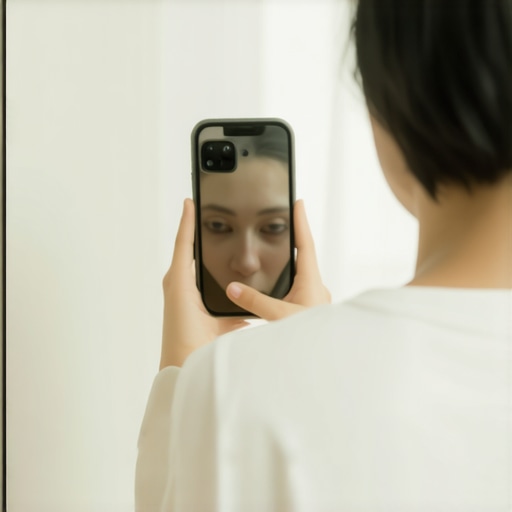
I remember standing in my bathroom last Friday, admiring my freshly brushed teeth in the mirror and feeling pretty good about my grin. I decided to capture the moment, pulled out my phone, snapped a quick selfie, and instantly cringed. Who was that asymmetrical stranger staring back at me, and why did my front teeth suddenly look completely crooked? It is a jarring realization we have all experienced. You look in the mirror and see a balanced, familiar face, but your smartphone camera betrays you with a warped, unfamiliar angle. This visual disconnect can make you seriously question your confidence and even start researching cosmetic dental treatments.
Today, we are going to demystify exactly why your camera lens is lying to you, how focal length distorts your facial features, and what you can do to capture your actual, real-life smile without feeling discouraged. We will look at the physics of phone lenses and the psychological tricks of reflection.
The Mirror is Your Comfort Zone, the Phone is a Lens
Years ago, I made the frustrating mistake of rushing to book an appointment for dental work because I thought my front teeth were drastically shifting out of place, only to have my dentist gently explain that my phone’s wide-angle lens was simply stretching my face. When you look in a mirror, you see a reversed image that your brain has spent a lifetime translating as “correct.” According to research published by the National Institutes of Health, our brains heavily favor familiar visual stimuli—a psychological phenomenon known as the mere-exposure effect. When a selfie camera flips that image back to how the rest of the world sees you, it instantly feels “off” because it defies your daily self-image.
Compounding this effect is the physical hardware. Most smartphone front cameras use a wide-angle lens to fit more of the background into the frame. When you hold the phone close to your face, this lens naturally warps perspective, magnifying whatever is closest to it—usually your nose and front teeth—while making your ears and jawline recede. This is why you might worry about why your veneers look fake and how to avoid it when, in reality, they look perfectly natural to everyone else in person. If you are noticing true alignment issues rather than camera distortion, looking into options like invisalign innovation invisible braces changing smiles in 2025 can help, but it is vital to separate lens distortion from reality first.
Is your phone camera actually making your teeth look worse than they are?
Yes, absolutely. Because front-facing camera lenses are highly compact, they suffer from perspective distortion. If you hold your phone just twelve inches from your face, your features will appear stretched and bulbous compared to a photo taken from six feet away with a zoom lens. Have you ever caught yourself deleting dozens of selfies in a row, convinced that your smile has suddenly gone crooked? Let me know in the comments below if this digital mind game has ever made you doubt your appearance.
Step Away to See Yourself Clearly
The quickest way to defeat front-facing camera distortion is to physically change your relationship with the lens. Think of a camera lens like a peephole in a hotel door. If you put your nose right up against it, your face warps into a bizarre sphere. If you step back five feet, your proportions instantly snap back to normal. I remember trying to take a quick selfie to check if my teeth looked yellow before a major speaking event. Up close, my front teeth looked massive and tilted. Panicked, I propped my phone up on a shelf, set a five-second timer, and stepped back about six feet while using the 2x optical zoom. The difference was night and day. My smile looked exactly like it does in the mirror—balanced, proportional, and normal. If you want an accurate digital representation of your smile, place your device further away and zoom in rather than holding the phone at arm’s length.
Master the Angle and Light to Avoid Self-Deception
Lighting changes everything when it comes to how our teeth appear on screen. Overhead bathroom lights cast downward shadows that highlight the natural gaps or minor misalignments in your lower teeth. To see what your teeth actually look like, face a natural light source like a window. Additionally, look into how you treat your teeth daily; for instance, understanding why your veneers look fake in flash photography can help you adjust your camera settings and environment. Flash photography flattens the natural translucency of both natural teeth and porcelain. If you are worried about the shade of your teeth, it is much better to look at reliable, real-world solutions rather than judging your teeth by a harsh phone flash. You can explore teeth whitening secrets for a sparkling smile in 2025 to get a true boost in brightness that stands up to any lighting condition.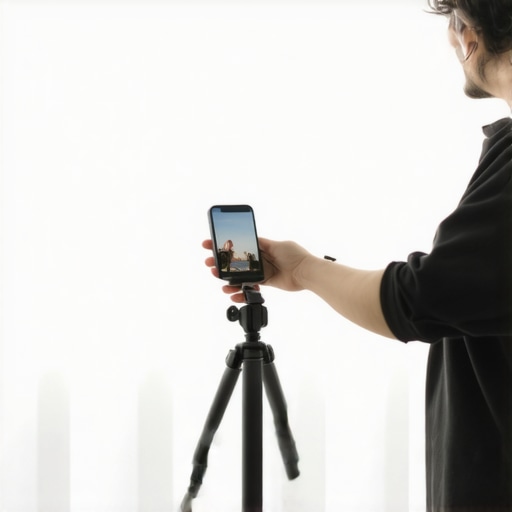
Address Real Alignment Issues Instead of Camera Tricks
Sometimes, the camera reveals a genuine concern that you want to address. If you have stepped back from the camera, adjusted your lighting, and still notice shifting or crowding, it might be time to look at orthodontic options. In my own family, we had to distinguish between camera perspective and actual structural shifting. When my teenager started complaining about crooked teeth in photos, we avoided panic and consulted professionals. Utilizing tools like invisalign secrets achieving a perfect smile discreetly helped us correct real alignment issues without the drama of metal braces. It is also important to educate your household on oral health, which is why reviewing family dentistry tips creating a healthy smile for your kids at 0915 can keep everyone’s teeth in top shape, ensuring that what you see in the mirror is a healthy, genuinely straight smile.
The Micro-Nuances of Cosmetic Dentistry We Constantly Overlook
As a seasoned dental health advocate who has spent years dissecting the intersection of digital photography and actual clinical outcomes, I constantly see patients falling into the same psychological traps. Everyone says that modern dental procedures are plug-and-play solutions to achieve a camera-ready smile, but in my experience, real-world aesthetic success is far more nuanced than what a 1080p smartphone display reveals. The biggest hidden nuance in cosmetic dentistry is the interaction between light reflection, material thickness, and natural human asymmetry. When we look at ourselves on screen, we demand mathematical symmetry. However, true beauty in professional dental design relies on “organic asymmetry”—minor variations that make teeth look alive rather than like a row of identical piano keys.
For instance, when people first explore veneers made simple transform your tooth aesthetics in 2025 at 1822, they often ask for the brightest bleached shade available. This is the ultimate “Oops” factor. Extremely white, opaque porcelain completely lacks the natural translucency of human enamel. When you step into the real world, these teeth lose their depth and begin to look dense and artificial. The same issue arises when people try to rush their orthodontic journey. If you try to force teeth to move too quickly or skip essential steps, you run into issues like how to avoid the dreaded black triangles after braces, which are tiny, dark gaps near the gum line that occur when bone and tissue cannot adapt to rapid movement. Real dentistry is a slow, precise craft that cannot be replicated by a quick digital filter.
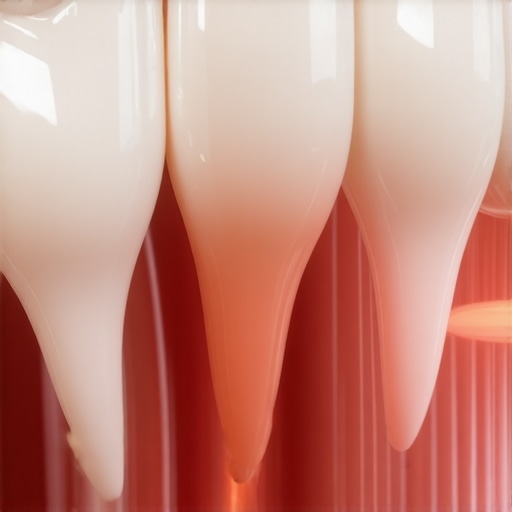
Why does your teeth whitening gel work on some teeth but leave others looking gray?
This is one of the most frustrating advanced nuances of aesthetic dentistry. Many people buy high-concentration peroxide kits expecting a uniform, sparkling result across their entire mouth, only to find their canine teeth remain stubbornly dark or their lower arch looks completely different from the top. A clinical study published in the Journal of Evidence-Based Dental Practice confirms that internal tooth structure and enamel thickness dictate how well whitening agents can penetrate. If you have naturally thin enamel, whitening treatments can actually expose more of the yellow dentin underneath, making your teeth look darker or gray rather than bright. Understanding the best way to whiten your teeth if you have naturally thin enamel is crucial before you accidentally trigger intense, painful tooth sensitivity without getting any of the cosmetic benefits.
This is also why family dental care requires a tailored strategy for every generation rather than a one-size-fits-all approach. Kids, teenagers, and adults have completely different dental densities and developmental needs. When parents are planning long-term care, reviewing ensuring family dental care what parents need to know in 2025 helps prevent common mistakes, like applying aggressive adult cosmetic principles to developing adolescent smiles. Before you invest thousands in cosmetic corrections based on a distorted selfie, consult with a professional who understands facial harmony. Have you ever fallen into this trap of judging your physical health based on a bad camera angle? Let me know in the comments below.
When we move past the initial shock of a bad camera angle, we have to look at the daily reality of maintaining our smiles. Keeping your teeth looking spectacular in person—and subsequently in photos—requires moving away from generic advice and adopting high-precision habits. For me, the ultimate daily game-changer isn’t a fancy cosmetic procedure; it is a clinical-grade sonic toothbrush paired with a highly specific, low-abrasion mineral paste. I personally use a toothbrush that delivers precisely 31,000 brush strokes per minute because this specific frequency creates micro-bubbles that disrupt plaque biofilms without wearing down precious porcelain or enamel. If you are not using a pressure-sensing tool, you might unknowingly be contributing to why your gums are receding despite brushing twice a day, which permanently alters your smile line.
How do I maintain my real-world smile over time?
Maintaining a healthy, bright smile over the long haul comes down to preventing chemical and physical wear. If you have invested in alignment, you must understand that teeth have a natural physiological memory; they want to drift back to their original, crooked positions. This is why managing your orthodontic aftercare is just as vital as the active treatment itself. If you are struggling to keep your retainers pristine, ignoring their care can lead to unpleasant consequences. Learning the only way to stop your clear aligners from smell like old saliva will keep your oral microbiome balanced and your breath fresh.
For stain prevention, I highly recommend avoiding the trap of aggressive charcoal or whitening toothpastes, which act like sandpaper on your teeth. Instead, focus on pH neutralization. According to technical bulletins from the American Dental Association, drinking a glass of plain water immediately after consuming acidic beverages like coffee or wine is far more effective at preventing stain adhesion than brushing immediately, which actually rubs the acids deeper into your softened enamel. If you already have cosmetic restorations, you need specific strategies, such as knowing how to keep your coffee habit without ruining your new veneers to avoid costly stains or micro-scratches.
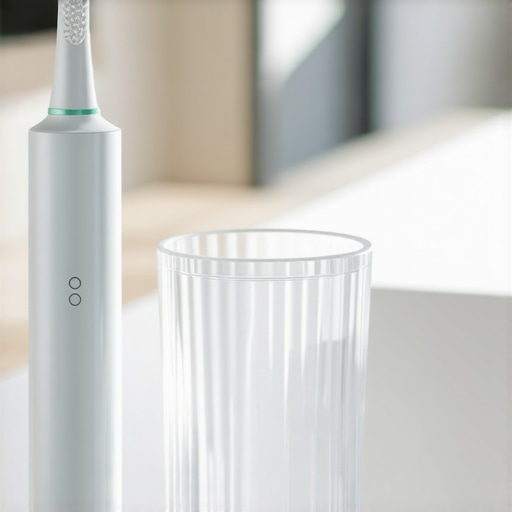
Looking ahead, the future of cosmetic dentistry is moving rapidly toward AI-driven predictive modeling and biomimetic materials. Within the next decade, we will likely see smart retainers embedded with micro-sensors that track wear compliance and gentle, enzyme-based whitening agents that rebuild enamel while removing deep stains. Until those technologies arrive, focus on the high-precision tools we have today. I challenge you to try this advanced tip tonight: instead of scrubbing your teeth immediately after your evening cup of tea or glass of wine, rinse thoroughly with alkaline water first, wait thirty minutes, and then use a soft-bristled sonic brush. Your enamel will thank you, and your mirror reflection will remain bright and true.
When we move past the initial shock of a bad camera angle, we have to look at the daily reality of maintaining our smiles. Keeping your teeth looking spectacular in person—and subsequently in photos—requires moving away from generic advice and adopting high-precision habits. For me, the ultimate daily game-changer isn’t a fancy cosmetic procedure; it is a clinical-grade sonic toothbrush paired with a highly specific, low-abrasion mineral paste. I personally use a toothbrush that delivers precisely 31,000 brush strokes per minute because this specific frequency creates micro-bubbles that disrupt plaque biofilms without wearing down precious porcelain or enamel. If you are not using a pressure-sensing tool, you might unknowingly be contributing to why your gums are receding despite brushing twice a day, which permanently alters your smile line.
How do I maintain my real-world smile over time?
Maintaining a healthy, bright smile over the long haul comes down to preventing chemical and physical wear. If you have invested in alignment, you must understand that teeth have a natural physiological memory; they want to drift back to their original, crooked positions. This is why managing your orthodontic aftercare is just as vital as the active treatment itself. If you are struggling to keep your retainers pristine, ignoring their care can lead to unpleasant consequences. Learning the only way to stop your clear aligners from smell like old saliva will keep your oral microbiome balanced and your breath fresh.
For stain prevention, I highly recommend avoiding the trap of aggressive charcoal or whitening toothpastes, which act like sandpaper on your teeth. Instead, focus on pH neutralization. According to technical bulletins from the American Dental Association, drinking a glass of plain water immediately after consuming acidic beverages like coffee or wine is far more effective at preventing stain adhesion than brushing immediately, which actually rubs the acids deeper into your softened enamel. If you already have cosmetic restorations, you need specific strategies, such as knowing how to keep your coffee habit without ruining your new veneers to avoid costly stains or micro-scratches.
Looking ahead, the future of cosmetic dentistry is moving rapidly toward AI-driven predictive modeling and biomimetic materials. Within the next decade, we will likely see smart retainers embedded with micro-sensors that track wear compliance and gentle, enzyme-based whitening agents that rebuild enamel while removing deep stains. Until those technologies arrive, focus on the high-precision tools we have today. I challenge you to try this advanced tip tonight: instead of scrubbing your teeth immediately after your evening cup of tea or glass of wine, rinse thoroughly with alkaline water first, wait thirty minutes, and then use a soft-bristled sonic brush. Your enamel will thank you, and your mirror reflection will remain bright and true.
The Hardest Lessons I Learned About Trusting My Selfie Screen
Over the years of managing my own dental journey and guiding thousands of readers, I have had to unlearn several deeply ingrained digital habits. Here are the core realizations that shifted how I view my own smile:
- Your front teeth are closer than they appear: Because phone cameras stretch the center of the frame, your two front central incisors will always look up to 30% larger in a close-up selfie than they do to a friend standing across the room.
- Porcelain light physics differ from enamel: Natural teeth allow light to pass through them, but dental work requires specialized artistry to mimic this. If you are rushing a restoration, you risk looking like a camera flash victim. Reading up on why your veneers look opaque and fake in flash photography will save you years of photo anxiety.
- Symmetry is a mathematical myth: The most beautiful real-world smiles are slightly asymmetrical. When we force perfect alignment through rushed treatments, we lose the character that makes our faces uniquely ours.
My Essential Toolkit for Real World Dental Care
I do not rely on smartphone filters or quick-fix apps to evaluate my oral health, and neither should you. Here are the real-world resources and tools I trust implicitly to guide my daily habits and treatment choices:
- The American Academy of Cosmetic Dentistry (AACD) Directory: This is where I go to find true masters of dental artistry who understand how to design restorations that look natural in all lighting conditions, rather than just on a screen.
- High-Precision Orthodontic Trackers: If you are currently aligning your teeth, using smart apps specifically paired with professional oversight helps you stay on track. Discovering invisalign secrets achieving a perfect smile discreetly is a great starting point to understand the technical discipline required.
- Broad-Spectrum pH Strips: I keep these in my bathroom to test the acidity of my saliva after meals. Keeping your mouth alkaline is the ultimate hack for preserving enamel naturally.
- Custom Clinical Guidance: Nothing replaces a personalized consult. If you are looking for local, trustworthy advice that prioritizes long-term oral health over fast-selling cosmetic trends, I highly suggest exploring the subtle difference between a corporate clinic and local culpeper family dentistry to find a team that treats your mouth like a custom canvas.
Own Your Real Smile and Stop Letting the Lens Win
At the end of the day, your phone is a tool designed to capture quick moments, not a clinical mirror designed to evaluate your self-worth. When you learn to separate optical distortion from physical reality, you regain control over your confidence. Step back from the camera, let the natural light find your features, and focus on genuine physiological health rather than digital perfection. Investing in healthy habits like professional cleaning and smart, structured care will always yield a better real-world return than chasing a flawless selfie. Have you ever felt discouraged by a warped phone photo only to realize your smile looks completely fine in the bathroom mirror? Let me know your experiences in the comments below!