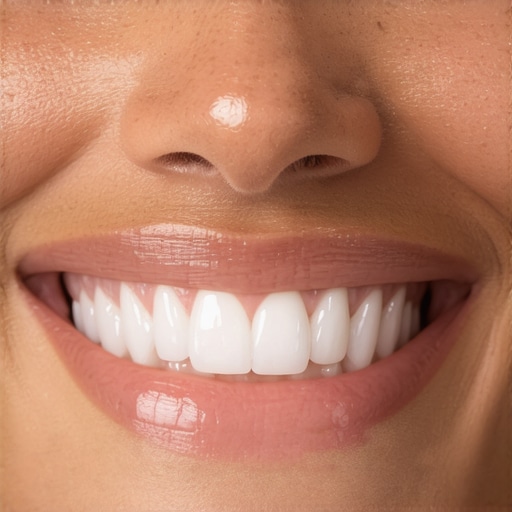
Integrating Cosmetic Dental Techniques for a Transformative Smile Overhaul
In the realm of aesthetic dentistry, the convergence of advanced procedures such as porcelain veneers, teeth whitening, and Invisalign aligners presents unprecedented opportunities for comprehensive smile makeovers. As industry leaders continue to refine these treatments, practitioners and patients alike must understand the nuanced benefits and limitations intrinsic to each modality, ensuring tailored, durable results rooted in both technical excellence and aesthetic harmony.
Innovative Approaches to Veneers and Their Role in Modern Smile Design
Contemporary veneer techniques extend beyond mere aesthetic correction, serving as integral components of occlusal stability and tissue health. The utilization of minimal-prep or no-prep veneers, supported by digital smile design and CAD/CAM technology, exemplifies the strides toward conservative yet highly effective restorations. These innovations facilitate quick turnaround, improved biocompatibility, and enhanced longevity—critical factors in 2024’s patient-centered treatment paradigms.
The Synergy Between Invisalign and Cosmetic Enhancements in Smile Optimization
Aligner therapy, particularly Invisalign, has evolved from merely malocclusion correction to encompass complex aesthetic goals. Its compatibility with adjunctive procedures such as teeth whitening and porcelain veneers enables clinicians to orchestrate comprehensive transformations that adhere to both functional and visual objectives. When synchronized effectively, these modalities can produce predictable, long-lasting results that satisfy even the most discerning patients, as evidenced by recent studies published in the Journal of Esthetic and Restorative Dentistry.
How Do Technological Advances Redefine Smile Makeovers in 2024?
Emerging 3D printing, digital imaging, and artificial intelligence-driven planning tools are revolutionizing aesthetic dentistry. These developments allow for precise virtual simulations and predictive modeling, elevating the clinician’s ability to customize treatments. Consequently, patient expectations are increasingly aligned with achievable outcomes, fostering trust and satisfaction. Such technological integration underscores a paradigm shift toward evidence-based, minimally invasive, and highly predictable cosmetic procedures.
What Are the Ethical Considerations in Implementing AI-Driven Aesthetic Plans?
As AI becomes integral to treatment planning, ethical issues surrounding patient consent, data security, and the limits of algorithmic judgment require careful scrutiny. Dental practitioners must navigate these complexities transparently, ensuring that technological benefits complement but do not overshadow essential clinical judgment and personalized care. For deeper insights, refer to the white paper available at American Dental Association.
Explore expert tips on cosmetic enhancements for 2024 and learn how to refine your approach to future smile transformations. Engaging with these insights can elevate your practice’s aesthetic standards and patient satisfaction levels.
Harnessing Digital Smile Design for Personalized Beauty
Digital Smile Design (DSD) has revolutionized aesthetic dentistry by enabling clinicians to craft highly personalized, predictable smile enhancements. This technology combines expert artistry with precise digital simulations, allowing for visualization of various treatment options before commencing procedures. By leveraging patient-specific data—such as facial features, lip dynamics, and speech patterns—dentists can achieve harmoniously balanced outcomes that align with each individual’s unique facial aesthetics, thus elevating patient satisfaction and trust.
Is Your Practice Ready for AI-Enhanced Treatment Planning?
Integrating artificial intelligence (AI) into aesthetic treatment planning offers unparalleled insights, from predicting long-term stability to customizing maintenance protocols. AI algorithms analyze vast datasets to suggest optimal combinations of procedures like veneers, whitening, and aligners, tailored to the patient’s biological and behavioral profile. This data-driven approach minimizes guesswork and enhances the precision of smile rehabilitation, mapping onto the evolving standards of evidence-based, minimally invasive dentistry. For a comprehensive understanding, review the recent study from the Journal of Esthetic and Restorative Dentistry.
Fostering Ethical Practice in the Age of Technological Innovation
As we adopt cutting-edge tools such as AI and digital simulations, maintaining ethical standards becomes paramount. Transparent communication about treatment limitations, data security, and informed consent ensures that technological advancements serve to enhance—not compromise—the integrity of care. Practitioners must remain vigilant against overpromising results or allowing automation to override personalized judgment, safeguarding patient trust and professional credibility.
How Can Visual Deepfake Technologies Change Patient Expectations and Practice Strategies?
Emerging visual deepfake techniques enable even more realistic previews of potential smile transformations, setting new benchmarks in patient education and expectation management. These tools can simulate future smiles with remarkable accuracy, allowing patients to virtually ‘try on’ various cosmetic options and actively participate in decision-making. While this enhances communication and satisfaction, it also raises questions about authenticity, consent, and the psychological impact of hyper-realistic images. Ensuring ethical use and clear boundaries is essential as these technologies become mainstream.
Interested in mastering digital smile design? Don’t hesitate to reach out to our team for expert guidance and hands-on training opportunities. Staying ahead in aesthetic dentistry means continuously refining your skills to incorporate the latest innovations and provide truly transformative results.
Embracing Hybrid Techniques for Superior Smile Outcomes
While digital advancements transform aesthetic dentistry, integrating traditional craftsmanship with high-tech tools remains paramount. Hybrid approaches—combining proven bonding techniques with digital planning—allow clinicians to customize treatments that respect biological limits while maximizing aesthetic potential. For example, the precise use of minimally invasive veneers, guided by detailed digital simulations, enables preservation of healthy enamel, leading to stronger, more natural-looking restorations that stand the test of time. Such methodologies exemplify a nuanced balance of science and art, essential in delivering predictable, personalized results.
The Power of Machine Learning in Customizing Aesthetic Plans
Machine learning algorithms analyze vast datasets—encompassing patient biometrics, previous treatment outcomes, and biometric trends—to generate optimized, individualized treatment pathways. This intelligence-driven approach facilitates the prediction of tissue responses, soft tissue stability, and long-term aesthetic sustainability. By harnessing these insights, practitioners can preempt potential complications, fine-tune treatment sequences, and elevate the overall success rate of smile makeovers. As research from the International Journal of Computer-Aided Design indicates, integrating AI and machine learning enhances decision-making accuracy and patient satisfaction significantly.
Can Artificial Intelligence Address Ethical Concerns in Aesthetic Decision-Making?
While AI offers unparalleled data synthesis, ethical dilemmas arise regarding algorithm transparency, bias mitigation, and potential erosion of clinician autonomy. Ensuring that AI functions as an adjunct—not a replacement—for clinical judgment demands meticulous oversight. Ethical frameworks must incorporate patient consent for AI-driven predictions, data security measures, and validation protocols to prevent algorithmic errors. The ethical stewardship of these tools is vital to uphold trust and integrity within aesthetic practice, aligning technological capabilities with core professional values.
For practitioners seeking to integrate these innovations responsibly, continuous education and participation in peer-reviewed research are critical. Engage with specialized seminars or collaborations with AI developers to stay abreast of evolving standards. As the landscape advances, fostering an ethical AI ecosystem will be instrumental in shaping patient-centric, innovative smile design.
Integrating Virtual Reality for Real-Time Patient Engagement
Beyond static visualizations, Virtual Reality (VR) platforms now offer immersive, real-time simulations of prospective smile transformations. Patients don headsets to ‘step into’ their future smiles, gaining a visceral understanding of cosmetic outcomes that static images cannot provide. This immersive experience enhances informed consent, aligns expectations, and empowers patient participation. Nonetheless, practitioners must calibrate VR content to prevent unrealistic depictions or psychological distress, emphasizing transparency about the simulation’s limitations.
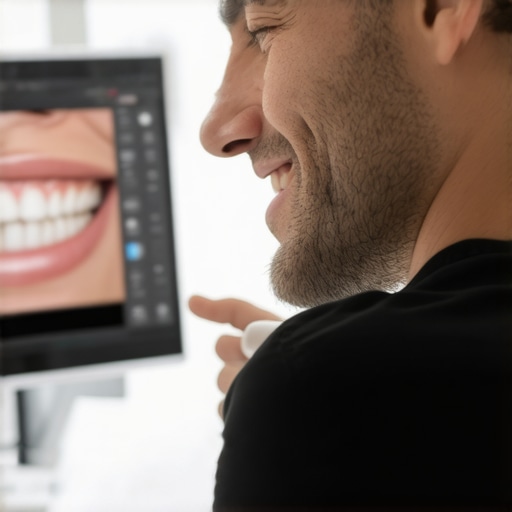
As VR technology becomes more widespread, refining its clinical applications involves understanding its psychological impacts and ensuring seamless integration into chairside workflows. Investing in training and technology calibration ensures that VR serves as a tool for enhanced communication without creating false hopes or misrepresentations.
Conclusion: Charting the Future of Aesthetic Dentistry in a Digital Age
Staying at the frontier of aesthetic dentistry requires ongoing adaptation to technological innovations, from sophisticated digital planning to immersive patient engagement tools. By combining these advancements with ethical practice and a patient-centered ethos, clinicians can craft smile transformations that are not only visually stunning but also scientifically sound and ethically grounded. As you contemplate your next steps, consider engaging with professional communities dedicated to digital dentistry and aesthetic excellence. Exploring structured training programs, attending industry conferences, and participating in research collaborations will empower you to lead in this exciting era of cosmetic innovation.
Ready to elevate your practice with the latest in digital smile design? Contact our expert team today and discover how to harness these transformative tools for your patients’ benefit.
Harnessing the Power of Biometric Analysis to Personalize Aesthetic Outcomes
Leveraging biometric data—such as facial symmetry metrics, lip dynamics, and speech patterns—allows clinicians to tailor smile enhancements with unprecedented precision. Advanced software tools now integrate these parameters, enabling a harmonious blend of functional stability and aesthetic appeal. Integrating biometric analysis with digital planning not only enhances predictability but also elevates patient satisfaction by exemplifying personalized care rooted in scientific rigor.
The Intersection of Temporomandibular Joint Health and Smile Virtuosity
Symptomatic or asymptomatic temporomandibular joint (TMJ) considerations are gaining prominence in aesthetic protocols. A comprehensive smile makeover accounts for occlusal harmony and joint health, recognizing that harmonious temporomandibular dynamics underpin long-term stability and natural appearance. Incorporating TMJ assessment into treatment planning requires sophisticated diagnostic tools, such as joint vibration analysis and computerized mandibular scanning, ensuring that cosmetic improvements do not compromise functional integrity.
What Are Subtle Digital Enhancements That Elevate Patient Confidence?
Employing subtle digital modifications—like virtual refinements in smile arc curvature or interdental space adjustments—can significantly boost patient confidence without invasive procedures. These micro-adjustments, visualized through high-fidelity simulations, facilitate informed consent and foster realistic expectations. This nuanced approach underscores a commitment to minimally invasive, patient-centered treatment strategies that prioritize reassurance and clarity.
How Might Nano-Technology Revolutionize Bonding and Material Longevity?
Emerging nano-technology applications are poised to redefine material science within aesthetic dentistry. Nano-fillers and surface modifications enhance the strength, esthetics, and biocompatibility of restorations. The incorporation of nanomaterials into adhesive systems promises superior bonding, resistance to wear, and reduced discoloration over time. According to recent research published in the Scientific Reports, nano-enhanced composites exhibit markedly improved clinical performance, signaling a new paradigm in durable, biocompatible smile design.
To stay ahead of these technological curves, clinicians must invest in continual education and material testing—bridging academia and clinical practice to craft restorations that truly stand the test of time and aesthetic scrutiny.
Innovating with 3D-Printed Custom Temporaries for Seamless Transitions
The advent of 3D printing facilitates the creation of highly accurate, personalized temporary restorations. These temporaries serve as functional smile previews, enabling real-time adjustments to shape, contour, and shade before definitive procedures. Such precision reduces chair time and enhances aesthetic predictability, embodying a seamless workflow from digital planning to clinical execution. The ability to iterate designs quickly fosters collaboration and consensus, ultimately elevating patient trust and satisfaction.
Integrating 3D printing into daily practice requires mastery over digital scans, material selection, and printer calibration. Proper implementation ensures the temporaries replicate final restorations with high fidelity, minimizing surprises and postoperative adjustments.
Incorporating Neuroscience into Aesthetic Detailing for Holistic Results
Understanding the neural responses to facial esthetics—such as symmetry, color contrast, and harmony—can refine design principles. Neuroscience insights reveal how the brain processes facial beauty, guiding clinicians to craft smiles that evoke positive emotional responses. Applying this knowledge involves analyzing patient-specific facial asymmetries and applying neuroaesthetic principles to optimize visual balance, fostering not only aesthetic satisfaction but also emotional well-being.
Unraveling the Complexity of Age-Related Changes and Tailored Corrections
Addressing the multifactorial nature of aging—such as soft tissue sagging, enamel erosion, and bone resorption—necessitates intricate, multidisciplinary strategies. Combining minimally invasive procedures like buccal fat pad reduction, dermal fillers, and bio-restorative techniques with traditional restorative dentistry creates harmonious, age-appropriate smiles. Precise digital mapping of aging patterns allows for anticipatory corrections, prolonging the youthful vitality of the smile while respecting biological limits.
Ethical Frameworks for Harnessing Emerging Technologies Responsibly
As digital and AI tools evolve, establishing robust ethical guidelines becomes essential. Transparent communication regarding the limitations of virtual planning, data privacy, and consent processes safeguards patient trust. Developing clear standards for validating AI-driven recommendations ensures that technological reliance does not eclipse core clinical judgment. Professional bodies must proactively update ethical frameworks, fostering responsible innovation that prioritizes patient welfare.
Elevate Smile Design Through Multidisciplinary Collaboration
Achieving exceptional aesthetic results requires seamless integration across specialties, including periodontology, prosthodontics, and orthodontics. Embracing a collaborative approach ensures that facial harmony, occlusal stability, and soft tissue health are prioritized, leading to more durable and natural-looking outcomes. This synergy also enhances patient satisfaction and streamlines treatment planning, especially when incorporating innovative digital tools that facilitate shared visualization and goal setting.
Harnessing Emerging Technologies for Precision and Personalization
Advanced imaging, 3D printing, and AI-driven analytics are transforming the landscape of aesthetic dentistry. Utilizing these technologies enables clinicians to craft highly customized treatment plans, predict outcomes with greater accuracy, and minimize procedural uncertainties. For example, integrating biometric facial analysis can refine smile aesthetics, ensuring that restorations complement individual facial dynamics and expressions, thereby elevating both function and beauty.
Prioritizing Soft Tissue Management in Smile Makeovers
Optimal soft tissue contouring plays a critical role in achieving harmonious results. Techniques such as gingival recontouring, minimally invasive periodontal surgeries, and tissue grafting help create balanced proportions and enhance restorative endpoints. Mastery of these procedures allows practitioners to address common esthetic concerns, like uneven gingival margins or excessive tissue display, with minimal invasiveness and predictable healing, ultimately enriching the patient’s smile transformation experience.
Preventing Pitfalls Through Case Selection and Realistic Expectations
Not every case is suitable for complex aesthetic interventions. Carefully evaluating patient health, expectations, and biological limitations prevents dissatisfaction and unwarranted complications. Transparent communication about achievable results fosters trust, while employing evidence-based protocols ensures predictability. Emphasizing a conservative yet strategic approach supports long-term stability and preserves oral health integrity, reinforcing professionalism and ethical practice.
Leveraging Continuing Education for Cutting-Edge Results
Staying attuned to the latest research, materials, and clinical techniques is essential for high-caliber aesthetic practice. Engaging in specialized courses, attending industry conferences, and participating in peer review collaborations keeps practitioners at the forefront of innovation. This commitment to lifelong learning translates into more refined skills, novel treatment options, and ultimately, superior patient care in the realm of advanced cosmetic dentistry.
Resource Recommendations for the Discerning Clinician
- American Academy of Cosmetic Dentistry (AACD): Offers comprehensive resources, clinical guidelines, and certification programs that set high standards for aesthetic practitioners.
- Journal of Esthetic and Restorative Dentistry: A peer-reviewed journal providing cutting-edge research, case studies, and technological updates critical for informed practice.
- Oral Health Foundation Resources: Provides evidence-based procedures, patient communication strategies, and ethical standards essential for responsible aesthetic dentistry.
Reflecting on the Future of Cosmetic Dental Practice
Integrating the latest technological advances with a strategic, patient-centered philosophy positions practitioners at the vanguard of aesthetic dentistry. Embracing multidisciplinary collaboration, precision tools, and soft tissue mastery creates a foundation for delivering transformative results that surpass expectations. Developing a nuanced understanding of each patient’s unique facial and oral dynamics ensures that aesthetic enhancements are not just beautiful but also intrinsically sustainable. To deepen your expertise and elevate your practice, consider engaging with advanced training modules or connecting with leading thought leaders in the field. Please reach out to our team for tailored guidance and resources tailored to your professional journey.
Leave a Reply