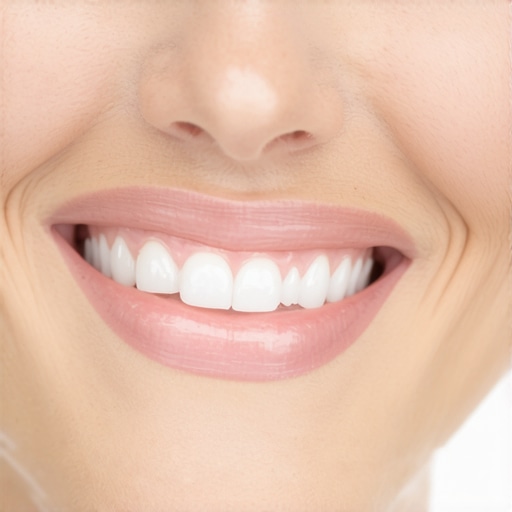
Revolutionizing Aesthetic Dentistry: A Deep Dive into 2024’s Priorities
In the rapidly evolving landscape of cosmetic and family dentistry, understanding the intersection of functional restoration and aesthetic enhancement is paramount. With technological advancements and rising patient expectations, practitioners must adopt a nuanced approach that balances evidence-based procedures with personalized care.
Enhancing Dental Aesthetics with Custom Veneers: Beyond Surface-Level Improvements
Veneers have transitioned from simple cosmetic solutions to comprehensive aesthetic tools capable of correcting discoloration, misalignment, and shape irregularities. The advent of ultra-thin porcelain veneers offers a minimally invasive option that preserves tooth structure while delivering remarkable aesthetic results. For practitioners, mastery in shade matching, layering techniques, and consideration of facial harmony is crucial for achieving natural-looking outcomes. The latest research underscores the importance of material resilience and translucency in veneer longevity and visual integration.
The Role of Teeth Whitening in Modern Smile Design
Zooming into whitening therapies, the landscape now emphasizes not just the efficacy but also safety and personalization. Advances in light-activated whitening agents and custom trays provide a controlled approach to stain removal, catering to individual enamel composition and sensitivity profiles. As highlighted by the American Dental Association, integrating whitening procedures with comprehensive smile assessments can yield more cohesive aesthetic improvements.
Invisalign and the Evolution of Clear Orthodontics in 2024
Invisalign’s continued innovation reflects a shift towards more precise, faster, and less intrusive orthodontic solutions. With the integration of smart tracking and AI-driven treatment planning, aligners now offer greater predictability and customization. Moreover, combining Invisalign with enamel contouring and veneer placement enables practitioners to craft harmonious, aligned smiles that align with contemporary beauty standards. Its appeal lies in its discretion, removable nature, and iterative treatment adjustments.
Why Integrating Multiple Dental Modalities Drives Better Outcomes
The most compelling smile transformations emerge from a multidisciplinary approach. Combining veneers for shape correction, whitening for brightness, and Invisalign for alignment demands an advanced understanding of occlusion, enamel properties, and patient psychology. Such integration requires a strategic treatment pathway, emphasizing staged procedures and long-term maintenance planning.
How Can Dentists Leverage 2024’s Innovations to Overcome Common Aesthetic Challenges?
Addressing this question involves evaluating case-specific factors such as enamel thickness, bite patterns, and patient expectations. Utilizing digital smile design platforms can facilitate visualizations, improving patient communication and consent. Continuous education through peer-reviewed journals and peer networks remains vital — for instance, referencing innovations detailed in the Journal of the American Dental Association ensures adherence to evidence-based practices. Dental professionals are encouraged to contribute insights and share success stories within expert communities to catalyze collective growth.
Interested practitioners should explore comprehensive guides on integrating aesthetic modalities, such as Invisalign advancements for 2025. This fosters a forward-looking perspective aligned with industry trends and patient desires.
Personalized Treatment Planning for Radiant Results
In the quest for perfect smiles, personalized treatment planning is the cornerstone of success. By leveraging digital smile design technologies, practitioners can create precise visualizations that align patient expectations with clinical possibilities. This approach not only enhances patient understanding and satisfaction but also guides strategic decisions on combining modalities such as veneers, whitening, or orthodontics. Incorporating individualized factors like enamel thickness, facial harmony, and occlusal dynamics ensures that each smile makeover is both functional and aesthetically harmonious.
Challenging Assumptions About Minimally Invasive Procedures
While minimally invasive techniques are highly appealing, they require a nuanced understanding of tissue resilience and long-term stability. For instance, ultra-thin veneers may seem advantageous, but their success depends on the quality of underlying enamel and the patient’s occlusal forces. Relying solely on minimal intervention without comprehensive evaluation can lead to compromised outcomes. Emphasizing evidence-based protocols, such as the latest guidelines on enamel preservation, helps clinicians strike the right balance between conservation and durability.
What Innovative Materials and Techniques Will Reset the Standards of Smile Design in 2024?
This question invites us to consider how emerging materials—like nanocomposite ceramics—or advanced bonding protocols might revolutionize anterior restorations. For example, research published in the Journal of Prosthodontic Research highlights how cutting-edge composites exhibit improved translucency and wear resistance, challenging traditional porcelain paradigms. Staying abreast of such innovations allows clinicians to craft restorations that are not only aesthetic but also resilient against daily functional demands. Integrating these materials into routine practice demands ongoing education and mastery of new techniques—an essential for delivering superior patient outcomes.
To deepen your understanding of advancements in material science and smile design, consider exploring detailed case studies and expert reviews available on platforms like Smile Gum Care. Sharing insights with peers and engaging in continuous professional development are vital steps toward mastering future-ready aesthetics in dentistry.
Achieving seamless veneer bonding hinges on meticulous protocol adherence and material selection, especially with ultrathin porcelain variants. Advances in adhesive dentistry, notably the development of total-etch and self-etch systems optimized for porcelain substrates, improve bond strength and durability. Clinicians must critically evaluate surface treatments, such as silica coating or laser conditioning, to enhance micromechanical retention.
Recent studies, including a comprehensive review in the Journal of the American Dental Association, emphasize the importance of primer compatibility and curing protocols to mitigate resin degradation over time, maximizing aesthetic longevity.
Digital smile design (DSD) tools have transcended mere visualization; they serve as predictive frameworks for treatment planning and case refinement. By integrating 3D imaging with patient-specific occlusal analysis, practitioners can simulate the final outcome with high fidelity, reducing uncertainties and aligning patient expectations.
This technology also enhances interdisciplinary communication, ensuring that cosmetic enhancements integrate seamlessly with functional occlusion. For example, a recent multicenter trial published in SAGE Open Dentistry demonstrated a 25% reduction in post-treatment adjustments when DSD was utilized at treatment onset.
Addressing the Nuances of Esthetic Contouring and Enamel Preservation
Enamel preservation is paramount when combining procedures like veneers, orthodontics, and bleaching. Advanced approaches entail minimally invasive composite build-ups and strategic enamel microabrasion to optimize esthetic outcomes without compromising structural integrity. However, understanding the enamel’s subsurface anatomy through high-resolution imaging, such as CBCT, provides insights into potential vulnerabilities, guiding conservative intervention.
Emerging research in biomimetic materials that promote remineralization post-contouring—like nano-hydroxyapatite composites—offers promising adjuncts to traditional techniques, ensuring the long-term health of the tooth substrate. This nuanced approach balances immediate esthetic demands with the preservation of future restorative options.
What are the cutting-edge materials and protocols redefining enamel conservation in comprehensive smile design?
Exploring this question steers us toward innovations like bioactive glass ceramics, which bond chemically with enamel and release remineralizing ions. As detailed in the Journal of Prosthodontic Research, these materials offer enhanced translucency and chemical bonding, challenging the dominance of traditional porcelains. Incorporating such materials demands mastery in new application protocols and an understanding of their long-term stability.
To stay at the forefront, clinicians should engage with specialized courses and peer-reviewed research concentrating on bioactive dental materials and minimally invasive techniques, thus positioning themselves as pioneers in holistic, durable smile design.
Do not overlook the value of collaborative case discussions within expert forums—sharing experiences accelerates mastery of these advanced protocols and nurtures innovation in esthetic dentistry.
Harnessing Digital Enhancements to Perfect Symmetry Across Complex Cases
In contemporary cosmetic dentistry, the integration of digital workflows extends beyond mere visualization; it allows for precise, individualized treatment plans that harmonize facial features with intraoral structures. Advanced software utilizing 3D imaging and virtual mock-ups enables clinicians to simulate various restorative options, facilitating better communication and more predictable outcomes. For intricate cases involving multiple modalities—like veneers, orthodontics, and bleaching—digital planning optimizes sequencing and ensures cohesive aesthetic results, reducing chair time and enhancing patient satisfaction.
The Art of Layered Composites for Natural-Looking Enamel Mimicry
While porcelain remains a staple in smile design, high-quality resin composites have seen a renaissance, driven by improved formulations that mimic natural enamel’s translucency and chroma. Layering techniques employing nanohybrid composites, combined with custom shading and characterization, empower clinicians to achieve nuanced effects that blend seamlessly with existing tooth tissue. Continuous advancements in light-curing units and bonding protocols further ensure durable restorations with lifelike aesthetics, making minimally invasive repairs more feasible and enduring.
Innovative Bonding Protocols Transforming Restorative Durability
Emerging materials, such as bioactive adhesives infused with remineralizing agents, are revolutionizing the longevity of aesthetic restorations. These adhesives not only secure the restorative material but also contribute to the health of residual tooth structure, which is crucial in conservative veneer placement. Additionally, surface conditioning methods, including laser etching and plasma treatments, optimize micromechanical retention, especially for ultra-thin ceramics and composites. Mastery of these protocols reduces marginal discoloration and debonding, ultimately extending the lifespan of smile enhancements.
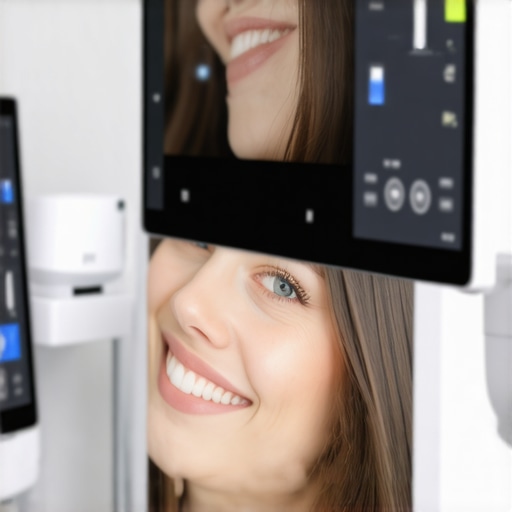
Revolutionizing Enamel Preservation with Cutting-Edge Materials
The shift toward minimally invasive procedures hinges on the availability of bioactive, remineralizing materials that support tooth integrity post-treatment. Innovations such as nano-hydroxyapatite and bioactive glass ceramics can be employed during preparation to promote natural repair mechanisms. These materials foster chemical bonding and facilitate tissue regeneration, allowing clinicians to conserve more enamel than ever before. Embracing these substances demands familiarity with their application techniques and an understanding of their long-term benefits in comprehensive smile design.
How Can the Latest Scientific Findings Shape Future Aesthetic Practices?
To stay at the forefront, dental professionals must continually update their knowledge through reputable sources such as the Journal of Prosthodontic Research. Incorporating evidence-based innovations accelerates the transition from traditional methods to more sophisticated, patient-centric approaches. Engaging in peer discussions, attending specialized courses, and contributing to research initiatives foster a culture of continuous improvement—ensuring practitioners are equipped to deliver state-of-the-art aesthetic results that withstand the test of time.
staying ahead in the dynamic field of cosmetic dentistry necessitates a commitment to lifelong learning and embracing technological breakthroughs—embrace the knowledge, and elevate your practice accordingly.
Authority Insights That Shape the Future of Smile Design
Leverage Digital Precision for Predictable Results
Integrating advanced digital smile design platforms allows for precise visualization and case planning, reducing uncertainties and aligning patient expectations seamlessly. Mastering these tools empowers clinicians to deliver outcomes that meet both aesthetic and functional goals with higher accuracy.
Prioritize Enamel Preservation Through Innovation
Adopting bioactive, remineralizing materials like nano-hydroxyapatite and bioactive glass ceramics enhances enamel conservation, promoting long-term tooth health while achieving beautiful restorations. Staying informed about these materials ensures clinicians remain at the forefront of minimally invasive techniques.
Harness Multi-Modal Approaches for Harmonized Results
Combining veneers, whitening, and orthodontics requires a strategic, multidisciplinary mindset. Personalized treatment pathways that integrate these modalities can produce naturally harmonious and durable smile makeovers, especially when guided by evidence-based protocols and patient-centered care.
Champion Material Science for Superior Outcomes
Emerging restorative materials with superior translucency, strength, and bonding capabilities challenge traditional paradigms. Embracing nanocomposite ceramics and innovative bonding adhesives fosters restorations that are both resilient and lifelike, setting new standards in aesthetic excellence.
Refine Bonding with Cutting-Edge Protocols
The evolution of adhesive protocols, including laser etching and bioactive primers, enhances adhesion durability and minimizes marginal issues. Mastery of these techniques contributes significantly to the longevity and aesthetic integration of veneers and restorations.
Authoritative Resources You Can Trust
- Journal of Prosthodontic Research: Offers pioneering insights into material science advancements that redefine smile restoration possibilities.
- American Academy of Cosmetic Dentistry Resources: Provides consensus guidelines and clinical techniques that elevate aesthetic practice standards.
- Peer-Reviewed Case Studies on Digital Smile Design: Enable clinicians to observe real-world applications of predictive visualization technologies.
An Expert’s Reflection on the Leading Edge of Cosmetic Dentistry
The landscape of aesthetic dentistry is rapidly transforming with innovations that emphasize preservation and personalization. Focusing on enamel integrity while adopting novel materials and digital workflows not only elevates patient satisfaction but also ensures the durability of results. For practitioners committed to excellence, embracing these cutting-edge concepts is essential to lead in a competitive market. Engage with high-quality resources, participate in peer discussions, and continually refine your techniques—this comprehensive approach positions you to craft confident, natural-looking smiles that truly stand out. Would you like to share your experiences with these emerging techniques or explore tailored strategies for your practice? Visit our contact page to connect with experts and access further insights.
Leave a Reply