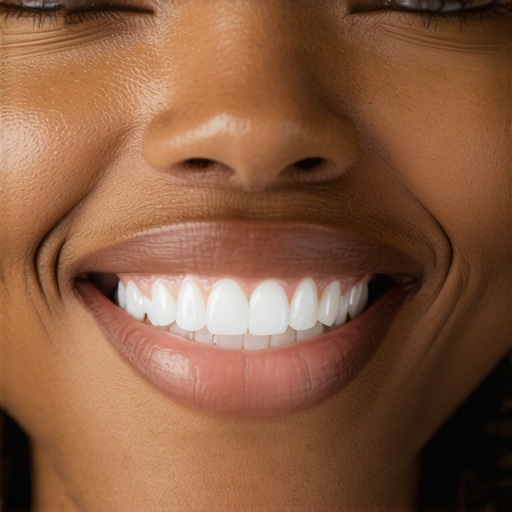
Elevating Aesthetic Dentistry with Technological Precision
In the evolving landscape of aesthetic dentistry, innovative solutions such as Invisalign and porcelain veneers have redefined treatment paradigms, enabling clinicians to deliver highly personalized and minimally invasive smile makeovers. As we approach 2024, understanding the synergy between these modalities is paramount for dental professionals aiming to optimize patient outcomes and satisfaction.
Deciphering the Complex Interplay Between Invisalign and Veneers in Smile Design
The strategic integration of clear aligners and cosmetic veneers offers a comprehensive approach to address both functional alignment and esthetic refinement. While Invisalign’s adaptive orthodontic technology facilitates discreet correction of malocclusions, veneers serve as a potent tool for correcting surface irregularities, color discrepancies, and structural imperfections. Harnessing their combined potential requires meticulous case analysis and interdisciplinary planning.
Identifying Challenges in Hybrid Cosmetic-Orthodontic Procedures
One of the nuanced issues in employing Invisalign alongside veneers involves ensuring the precision of final tooth positioning to optimize veneer bonding and longevity. Minor misalignments can compromise veneer fit, leading to potential failure or patient dissatisfaction. Furthermore, clinicians must anticipate tissue response and biological variability that influence tissue shaping and veneer adhesion, especially in cases with considerable orthodontic movement.
How Do New Materials and Digital Technologies Transform Smile Makeovers?
Advancements in dental material science, such as ultra-thin, highly durable porcelain, and the integration of digital smile design software, have markedly improved treatment predictability. High-resolution 3D imaging and CAD/CAM systems enable precise mockups and optimized fabrication of veneers, reducing chair time and enhancing esthetic harmony. The ability to simulate and adjust virtual models fosters collaborative planning with patients, aligning expectations with achievable results.
Leveraging Evidence to Support Hybrid Treatment Outcomes
Extensive clinical studies underscore the importance of comprehensive treatment planning in hybrid smile redesigns. For instance, research published in the Journal of the American Dental Association emphasizes the necessity of correct occlusal relationships and tissue health for veneer success, particularly when combined with orthodontic correction via Invisalign. Such evidence reinforces the clinician’s role in balancing biological considerations with esthetic goals.
What are the most common pitfalls when combining Invisalign and veneers, and how can expert clinicians mitigate them?
Addressing this question involves understanding the pitfalls like over-reliance on digital simulations without clinical validation, insufficient inter-disciplinary collaboration, and overlooking biological tissue responses. To mitigate these risks, practitioners should adopt a staged treatment approach, validate digital plans through pre-visualization, and maintain rigorous biological assessments throughout the process. For further insights into advanced cosmetic strategies, explore this comprehensive guide on veneers and cosmetic enhancements.
Engaging with ongoing research and sharing clinical experiences through professional forums can also foster innovation and refine hybrid treatment protocols for achieving truly optimal results in smile aesthetics.
,
Seamless Digital Workflows Powering Next-Gen Smile Makeovers
The integration of cutting-edge digital technologies like advanced CAD/CAM systems and virtual simulation software has revolutionized how dentists plan and execute smile transformations. These tools allow for precise pre-visualization of final outcomes, enabling clinicians to tailor treatments with unmatched accuracy. For example, leveraging digital smile design platforms facilitates seamless collaboration between practitioner and patient, setting clear expectations and reducing guesswork.
Can Material Innovation Redefine the Durability of Veneers and Aligners?
Recent breakthroughs in dental material science have introduced ultra-thin, highly aesthetic porcelain veneers that are more durable and less invasive. Similarly, novel resin composites and flexible aligner materials are enhancing patient comfort and treatment efficacy. These developments not only improve aesthetics but also extend the longevity of restorations and orthodontic devices, making comprehensive smile makeovers more reliable than ever. For in-depth information on these innovations, visit this detailed guide on state-of-the-art veneers and cosmetic enhancements.
Addressing the Biological Puzzle: When Should Tissue Management Take Center Stage?
Incorporating veneers and Invisalign within the same treatment protocol demands an understanding of tissue dynamics. Excessive force or misaligned tissue remodeling can jeopardize bonding surfaces or alter gingival aesthetics adversely. Recent studies, such as those published in the Journal of the American Dental Association, highlight the critical role of controlled tissue management and biological monitoring throughout treatment. This ensures that both the structural and biological parameters harmonize, leading to durable and natural-looking results.
How Can Real-Time Data and AI Enhance Precision in Hybrid Smile Designs?
Artificial intelligence and real-time data analytics could soon play pivotal roles in customizing smile makeovers. AI-powered algorithms can analyze subtle variations in patient anatomy, predict tissue responses, and optimize treatment sequences, thereby minimizing errors associated with manual planning. Integrating such systems with digital workflows can elevate both predictability and efficiency in complex cases. To stay updated with technological advances, consider exploring the latest on Invisalign innovations and future trends.
Would you like to see case studies demonstrating these innovations in action? Connect with us for expert advice on consulting with leading dental professionals.
Customizing Treatment Plans for Maximal Predictability in Smile Transformations
Achieving consistent, esthetically pleasing results in complex smile makeovers necessitates a highly individualized approach. Dentists are increasingly leveraging virtual CAD/CAM mockups combined with digital smile design to tailor each case meticulously, reducing uncertainties in outcome prediction. This precision-driven methodology ensures that everything from tooth size to color harmony is optimized before the actual intervention, ultimately enhancing patient satisfaction and reducing remakes.
Bridging Functional and Esthetic Objectives Through Interdisciplinary Strategies
When integrating veneers and orthodontics like Invisalign, clinicians face the delicate balancing act of addressing both functional occlusion and esthetic harmony. Collaborative case planning involving periodontists, prosthodontists, and orthodontists ensures biological stability while pushing the boundaries of esthetic perfection. For example, controlling the vertical dimension and overjet corrections can significantly impact veneer bonding success and long-term stability.
Why Precise Tissue Management Can Make or Break Smile Outcomes
Biological tissue responses are complex, dynamic, and sometimes unpredictable. Excessive tissue trauma during orthodontic or restorative procedures can lead to inflammation, recession, or undesirable gingival contours, undermining the intended esthetic results. Advanced laser technologies and minimally invasive surgical techniques are now integral tools for controlling tissue remodeling. Implementing these methods ensures not only optimal soft tissue health but also the ideal emergence profile for veneers, integral for natural-looking corrections.
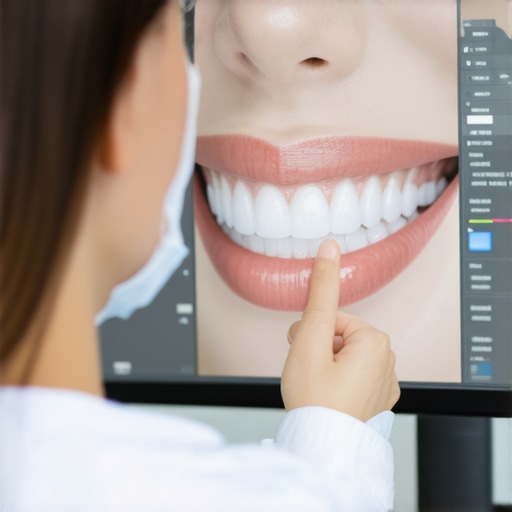
Description: Digital smile design interface reflecting patient-specific morphology with virtual veneer placement and orthodontic adjustments.
Harnessing the Potential of Next-Generation Materials to Overcome Traditional Limitations
Innovation in dental materials continues to push the envelope of what’s achievable in cosmetic dentistry. Ultra-thin, high-strength zirconia frameworks for veneers provide enhanced durability without sacrificing translucency. Simultaneously, developments in flexible aligner materials—such as thermoplastic composites with shape-memory properties—facilitate complex movements with reduced patient discomfort. These advances expand treatment horizons, especially for cases that demand both aesthetic finesse and functional robustness.
The Future Lies in AI-Driven Personalization and Biological Monitoring
Emerging artificial intelligence platforms promise to revolutionize treatment planning by analyzing extensive datasets to predict individual tissue responses and optimize treatment sequences. Real-time monitoring using digital sensors and molecular markers can even provide feedback on tissue health and inflammation, allowing proactive adjustments. This data-driven approach not only refines clinical precision but also personalizes treatment to each patient’s unique biological landscape. Such innovations will likely become standard practice as evidence supporting their efficacy accumulates.
How Will Integrating Biological Monitoring Before, During, and After Treatment Improve Longevity?
The integration of biological metrics—such as pulse oximetry for tissue perfusion, gingival crevicular fluid analysis for inflammation, and molecular markers of healing—can provide invaluable insights into tissue vitality and readiness for restorative procedures. By monitoring these parameters throughout treatment, clinicians can proactively address issues that could compromise bonding, tissue health, or overall stability, leading to more durable, natural results. For example, identifying early signs of inflammation might prompt targeted antimicrobial therapy or tissue conditioning, thus preventing postoperative complications.
Embracing these advancements requires ongoing education and a proactive mindset. If you’re eager to implement cutting-edge techniques and materials into your practice, consider engaging with specialized training modules or professional networks dedicated to high-level cosmetic and interdisciplinary dentistry — your patients deserve nothing less than the best available care.
Beyond the Surface: Leveraging Cutting-Edge Techniques in Esthetic Dentistry
As the horizon of cosmetic dentistry expands, embracing innovative modalities like digital smile design and bioactive materials elevates treatment possibilities. These advancements facilitate highly precise, predictable, and minimally invasive smile transformations, enabling clinicians to craft bespoke solutions aligned with each patient’s unique biological and esthetic parameters.
Integrating High-Performance Materials to Achieve Lasting Radiance
Recent developments in dental ceramics, such as nano-porcelain composites, offer exceptional translucency while resisting discoloration and chipping. Complementing these are novel resin cements with enhanced bonding strength, ensuring the durability of veneers under functional stresses. By selecting these materials judiciously, practitioners can deliver restorations that not only impress visually but also withstand the test of time.
How Can Virtual Reality Transform Patient Consultation and Expectations?
Emerging virtual reality (VR) applications allow patients to virtually experience proposed smile designs before undergoing treatment. This immersive preview bridges communication gaps, sets realistic expectations, and fosters collaborative decision-making. As VR technology becomes more accessible, integrating it into practice workflows can significantly enhance patient satisfaction and treatment adherence.
Harnessing the Power of Biological Markers for Optimized Tissue Management
Understanding individual biological responses is crucial for predictable outcomes. The use of salivary biomarkers and gingival crevicular fluid analysis enables clinicians to monitor inflammation levels and healing potential proactively. Incorporating such diagnostics into treatment planning ensures optimal tissue conditioning, reduces postoperative complications, and extends the longevity of restorations.
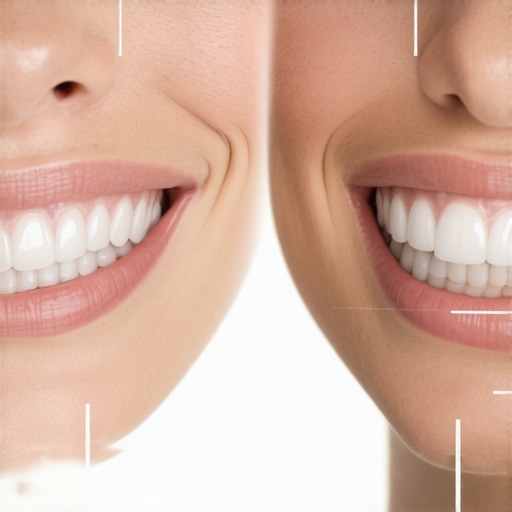
Description: Cross-sectional illustration of biomarker analysis in periodontal health monitoring, integrated with digital planning tools.
Why AI-Driven Personalization Elevates Smile Design Precision
Artificial intelligence algorithms analyze vast datasets to predict individual soft tissue behavior, occlusal dynamics, and material performance. This predictive capacity allows for hyper-personalized treatment trajectories, minimizing errors and rework. As AI continues to evolve, its integration promises to redefine standards in esthetic excellence and biological harmony.
Is Interdisciplinary Collaboration the Secret to Complex Smile Makeovers?
Seamless coordination among orthodontists, periodontists, and prosthodontists ensures comprehensive management of structural, functional, and esthetic facets. Implementing shared digital platforms and interdisciplinary case conferences fosters synchronized treatment plans, mitigates risks associated with tissue trauma, and enhances overall treatment predictability.
Optimizing Soft Tissue Dynamics to Enhance Veneer Success
Strategic tissue management, including laser-assisted contouring and regenerative techniques, establishes ideal emergence profiles and gingival architecture. These soft tissue considerations are vital for achieving natural esthetics and ensuring the long-term stability of porcelain veneers. Incorporating biological principles into tissue manipulation enhances both function and aesthetics.
How Do Expert Clinicians Manage Complex Cases Combining Orthodontics and Restorations?
Mastery in these scenarios hinges on meticulous case analysis, staged sequencing, and biological awareness. Experts employ digital simulations to anticipate tissue responses, plan orthodontic movements that minimize risks to restorations, and utilize minimally invasive bonding protocols. Continuous education and embracing novel diagnostics are essential for maintaining excellence in such interdisciplinary treatments. To deepen your understanding, explore this advanced guide on interdisciplinary smile enhancement.
Engaging with ongoing research, attending specialized symposia, and sharing clinical insights foster an environment of continuous improvement—key to mastering the art and science of complex smile makeovers in the modern era.
,
Cutting-Edge Insights from Industry Leaders
Embrace Digital Smile Designing for Unmatched Predictability
Leveraging advanced CAD/CAM technology streamlines smile transformations, enabling clinicians to visualize and perfect outcomes before treatment begins. This practice minimizes surprises, enhances patient communication, and ensures superior esthetic harmony.
Prioritize Tissue Health to Guarantee Long-Term Success
Biological stability is the backbone of durable veneers and aligners. Incorporating soft tissue management strategies, like laser-assisted contouring, prevents inflammation and recession, maintaining both function and aesthetics over years.
Stay Ahead with Material Innovation for Elevated Results
Ultra-thin, highly durable porcelain, combined with resilient flexible aligners, broadens treatment possibilities. These materials not only improve esthetic appeal but also extend the lifespan of restorations, reducing the need for retreatments.
harness AI for Personalization and Prediction
Artificial intelligence systems analyze individual tissue responses, occlusal dynamics, and material behavior, paving the way for tailored treatments. This technology enhances treatment efficiency and consistency, ultimately elevating patient satisfaction.
Collaborate Interdisciplinarily to Achieve Harmony
Seamless integration of orthodontics, periodontics, and prosthodontics ensures comprehensive care. Utilizing shared digital platforms fosters synchronized planning, mitigates risks, and results in smiles that are both beautiful and biologically sound.
Trusted Resources for Elevating Your Expertise
- Journal of the American Dental Association — A goldmine of clinical studies underpinning evidence-based practices in aesthetic dentistry.
- Digital Smile Design Platforms — Innovative tools that empower precise visualization and collaborative planning.
- Material Science Journals — Sources that introduce breakthroughs in porcelain and aligner thermoplastics, ensuring your treatments stay at the forefront of technology.
- Artificial Intelligence in Dentistry — Leading research articles exploring the integration of AI for predictive treatment planning.
- Interdisciplinary Case Studies — Real-world examples demonstrating the power of collaborative approaches in complex smile makeovers.
Elevate Your Practice by Staying Ahead of the Curve
In the rapidly evolving landscape of cosmetic dentistry, embracing innovation—be it digital workflows, advanced materials, or AI-driven personalization—can redefine patient outcomes and set your practice apart. The key lies not only in adopting technologies but understanding their strategic application for optimal results. If you’re ready to transform your approach or share your experiences with innovative methods, reach out through this contact page. Continual learning and professional exchange are essential in mastering the art of modern smile aesthetics.

1 comment so far