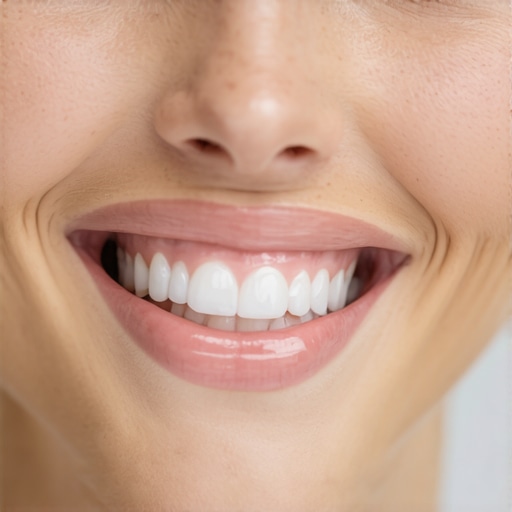
Redefining Smile Aesthetics: An Expert’s Perspective on Modern Dental Transformations
In the rapidly evolving landscape of cosmetic dentistry, professionals are continually seeking advanced methodologies to elevate patient outcomes and satisfaction. Integrating tools such as Invisalign, veneers, and teeth whitening has propelled smile makeovers into a new era characterized by precision, personalization, and longevity. This comprehensive exploration delves into these domains, unraveling their synergistic potential for 2024.
The Nuanced Role of Invisalign in Contemporary Smile Design
Invisalign has transcended its initial perception as mere orthodontic aligners, becoming a cornerstone of minimally invasive aesthetic enhancement. Its sophistication lies in the algorithm-driven customization, enabling clinicians to craft meticulous, patient-specific correction plans. Particularly in adult populations seeking discretion, Invisalign offers discreet realignment that preserves soft tissue architecture, optimizing both function and appearance. Advances such as SmartTrack material and digital treatment simulation bolster predictability, facilitating seamless integration with other cosmetic procedures.
Harnessing the Potential of Veneers for Natural, Durable Results
Porcelain veneers have evolved from simple cosmetic fixes to sophisticated restorative solutions. Modern veneers, especially with photorealistic layering techniques, transcend mere color correction, enabling shape and contour modifications that harmonize with facial dynamics. Their resilience, particularly when bonded with high-strength resin cements, ensures longevity, while their conservative preparation aligns with the principles of minimally invasive dentistry. The strategic placement of veneers can also serve as a foundational component in comprehensive smile makeovers, complementing orthodontic and whitening treatments.
Synergizing Teeth Whitening with Structural Enhancements for Optimal Results
Teeth whitening remains one of the most sought-after cosmetic procedures, with innovations such as LED-activated bleaching and personalized whitening trays enhancing efficacy. When combined judiciously with veneers or orthodontic realignment, whitening can perfectly match restorations to achieve a uniform, radiant smile. Evidence from peer-reviewed sources indicates that customized, in-office whitening can enhance overall patient satisfaction, especially when integrated into staged treatment plans.
Addressing Complex Patient Concerns Through Multimodal Strategies
One of the pivotal questions in aesthetic dentistry pertains to managing expectations and technical limitations, especially when previous restorations or structural deficiencies exist. How do practitioners balance patient desires with biological and functional constraints? For instance, the selection of veneer thickness and material, timing of Invisalign, and whitening protocols require a comprehensive, multidisciplinary approach. Incorporating digital smile design tools enables clinicians to simulate outcomes, fostering trust and transparency, which are essential for complex cases.
What are the latest innovations enabling seamless integration of orthodontic and restorative treatments for comprehensive smile enhancement?
For those interested in the cutting-edge of smile makeover technology, exploring recent publications such as the Journal of Esthetic and Restorative Dentistry provides valuable insights into emerging practices and research-backed protocols.
Professionals are encouraged to contribute insights into evolving treatment philosophies by engaging with expert forums and continuing education platforms. For a deeper understanding of patient-centered approaches, visit our family dentistry resources.
Breaking Down the Future of Smile Makeovers with Digital Precision
The integration of digital dentistry has revolutionized how clinicians approach smile design, offering unparalleled accuracy and customization. Technologies such as 3D imaging and computer-aided design enable practitioners to simulate outcomes with remarkable detail before any physical work begins, greatly enhancing patient trust and satisfaction. By leveraging these tools, orthodontists and cosmetic dentists can collaboratively craft treatment plans that align precisely with a patient’s aesthetic goals and functional needs, ensuring cohesive treatment strategies that encompass veneers, Invisalign, and whitening procedures.
The Balance of Strength and Aesthetics in Modern Veneers
Contemporary veneers are crafted with a focus on mimicking natural enamel both visually and physically. Advances in porcelain translucency and layering techniques have yielded restorations that reflect light similarly to natural teeth, while improvements in bonding agents contribute to their durability. Moreover, minimally invasive preparation protocols preserve more of the original tooth structure, making veneers an increasingly conservative yet effective solution for smile transformation. As a result, clinicians can now offer patients resilient, life-like restorations that can last over a decade with appropriate maintenance.
Can Combining Orthodontic and Restorative Treatments Redefine Confidence?
Emerging evidence suggests that combining orthodontic realignment with targeted restorative procedures may produce results far superior to isolated treatments. For example, aligning teeth with Invisalign can set the stage for more effective veneer placement, ensuring that restorations sit on a stable, properly positioned foundation. This holistic approach not only enhances aesthetic outcomes but also improves functional harmony, reducing the risk of periodontal issues or uneven wear over time. Embracing such multimodal strategies exemplifies a patient-centered philosophy rooted in comprehensive care.
For practitioners aiming to stay ahead, exploring the latest publications like the Journal of Esthetic and Restorative Dentistry can provide valuable insights into integrated treatment protocols.
Enhance your understanding of innovative practice models by engaging with ongoing professional development. To learn more about how these techniques can be tailored to individual cases, connect with our team via our contact page and elevate your patient care standards.
The Art of Integrative Digital Planning for Precision Outcomes
Modern smile redesigns hinge on the seamless integration of digital tools that transcend traditional trial-and-error methodologies. Digital smile design software allows clinicians to craft highly detailed, patient-specific aesthetic plans, incorporating elements such as tooth proportion, gingival architecture, and facial harmony. Utilizing 3D intraoral scanners and virtual modeling, practitioners can visualize outcomes with unparalleled accuracy, enabling iterative adjustments before any physical intervention. This proactive approach minimizes surprises, maximizes patient satisfaction, and streamlines the workflow from diagnosis to final placement.
Innovations in Material Science Elevate Restorative Durability and Realism
Material advancements have played a pivotal role in refining veneer and crown longevity while maintaining natural translucency. Lithium disilicate ceramics, for instance, offer remarkable strength coupled with optical properties that mimic real enamel. Additionally, multilayered porcelain systems, designed to replicate the gradation of dentin and enamel, deliver restorations indistinguishable from natural teeth. When bonded with contemporary resin cements containing nanohybrid formulations, these materials ensure a resilient and aesthetic interface, critical for high-demand functional zones. Understanding the nuances of these materials empowers clinicians to select optimal restoratives tailored to each case’s biomechanical demands.
Advanced Enamel Preservation and Conservative Preparation Techniques
Historically, aggressive tooth reduction was a common trade-off for aesthetic enhancement, often compromising structural integrity. Today, minimally invasive protocols prioritize preservation of enamel, recognizing its vital role in bonding strength and overall tooth health. Techniques such as ultrathin veneer fabrication, achieved through digitally designed, ultra-conservative preparations, have revolutionized patient outcomes. This paradigm shift not only conserves tooth tissue but also facilitates future revisions or restorations, reflecting a sustainable approach to aesthetic dentistry. Mastery of such techniques requires a deep understanding of tooth anatomy, preparation biomechanics, and adhesive dentistry principles.
Addressing Complex Malocclusions for Stable, Long-Lasting Results
Orthodontic considerations extend beyond straightforward alignment, especially in cases involving skeletal discrepancies or vertical dimensional issues. For patients with complex malocclusions, a multidisciplinary approach that combines temporary anchorage devices (TADs), skeletal anchorage systems, and digital occlusal analysis can unlock new realms of stability. By integrating orthopedics with restorative procedures, clinicians can achieve harmonious function and aesthetics that withstand functional stresses over years. This layered approach necessitates careful case selection, precise diagnosis, and proactive planning, underscoring the importance of collaboration among specialists.
Can emerging bioactive restorative materials contribute to periodontal health preservation in aesthetic cases?
Current research indicates promising potential for bioactive materials, such as bioactive glass composites, to promote periodontal regeneration and reduce inflammation around restorations (**Journal of Dental Research, 2023**). These materials release ions that stimulate natural tissue repair, offering a dual benefit of aesthetic enhancement coupled with biological support. As evidence accumulates, integrating bioactive restoratives into routine practice could redefine success metrics in smile rehabilitation, emphasizing health alongside beauty. For practitioners eager to incorporate such innovations, ongoing education and pilot case studies are advisable to master their application in complex clinical scenarios.
To deepen your mastery of integrated restorative techniques and cutting-edge materials, consider engaging with specialized workshops and peer-reviewed publications. For personalized guidance, connect with our expert team via the contact page and elevate your patient care standards to new heights.
Mastering the Fusion of Digital Workflow and Material Science for Ultimate Aesthetic Outcomes
As dentistry advances, the seamless integration of digital planning tools with next-generation restorative materials becomes paramount. Digital Smile Design (DSD) software coupled with 3D facial analysis facilitates holistic treatment planning, enabling clinicians to simulate not only teeth morphology but also overall facial harmony. Advanced materials, such as translucent zirconia and multilayered porcelain composites, mimic natural enamel’s optical properties while offering enhanced strength. The synergy of these innovations minimizes chair time and maximizes predictability, fostering a new paradigm in smile rehabilitation strategies.
Advanced Periodontal Considerations in Aesthetic Rehabilitations
Restorative efforts must address periodontal health proactively, especially in cases involving papilla preservation and soft tissue management. Techniques like minimally invasive crown lengthening and Papilla Preservation V3 protocols safeguard the interdental papilla, preventing black triangles and ensuring harmonious emergence profiles. Incorporating bioactive periodontal regenerative materials can further support tissue stability, especially when combined with precise digital surgical guides, ensuring long-term aesthetic and functional stability.
Is Your Practice Equipped for the Next Level of Multidisciplinary Smile Design?
The modern aesthetic case requires meticulous coordination across orthodontics, periodontics, and restorative disciplines. Implementing integrated digital workflows, including intraoral scanning, CBCT imaging, and computer-aided design, enhances communication and accuracy. Advances such as clear aligner-compatible restorations and custom implant abutments exemplify the trend toward multidisciplinary synergy. Clinicians committed to this holistic approach will find themselves better positioned to meet the elevated expectations of discerning patients seeking comprehensive smile solutions.
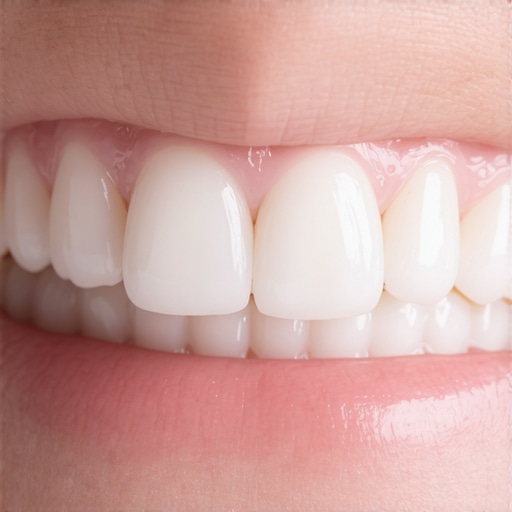
Optical coherence tomography (OCT) images highlighting soft tissue outcomes post-periodontal procedures.
The Role of Smart Materials in Achieving Long-Lasting, Virtually Undetectable Restorations
Recent developments in bioinspired, nanostructured composites have revolutionized the durability and translucency of restorative materials. Materials such as nano-hybrid resins with enhanced filler technology demonstrate increased resistance to staining and wear, ensuring longevity. Moreover, the development of color-adaptive ceramics that respond to ambient light conditions offers restorations that blend seamlessly with natural dentition. Such innovations demand a nuanced understanding of material science, enabling clinicians to select the optimal solutions for each unique case.
Tailoring Tooth Preparation with Ultraconservative Approaches
Minimally invasive dentistry hinges on ultrathin veneer fabrication and micro-preparation techniques that preserve maximum tooth structure without compromising strength. Digital analysis of enamel thickness via CBCT can guide ultraconservative preparations, ensuring adhesive bonding interfaces are optimized. This precision not only enhances structural integrity but also facilitates future revisions, aligning with the principles of sustainable, patient-centered care. Mastery of these techniques requires a commitment to continuous education in digital and adhesive dentistry innovations.
Optimizing Functional Occlusion in Aesthetic Cases to Prevent Future Complications
Esthetic enhancements should be complemented by meticulous occlusal analysis to prevent excessive forces that could jeopardize restorations and natural tissues. Utilizing digital occlusal analysis tools and dynamic simulation software allows for precise adjustments, ensuring harmonious interactions among teeth and occlusal guidance. Recognizing parafunctional habits early and incorporating protective strategies, such as customized occlusal splints, further prolongs treatment stability and patient comfort, emphasizing the need for comprehensive treatment planning.
How Will Emerging Bioceramic Technologies Transform Restorative Protocols?
Bioactive bioceramics, including calcium silicate-based cements, are poised to redefine the interface between restorative materials and biological tissues. Their capacity to promote mineralization and suppress inflammatory responses offers exciting possibilities for vital pulp therapy and peri-implant tissue health. Research from the International Journal of Dentistry (2023) underscores their potential for creating biologically harmonious restorations, seamlessly integrating mechanical function with tissue vitality. Embracing these materials could significantly elevate clinical success rates and patient outcomes in complex aesthetic cases.
To deepen your expertise in these advancements, engaging with specialized seminars and reviewing cutting-edge research can provide a competitive edge. For personalized guidance on implementing these innovations, contact our expert team through the contact page, and elevate your practice to the forefront of aesthetic dentistry.
Transform the Future of Smile Makeovers with Advanced Digital and Material Designs
For dental professionals committed to elevating patient care, embracing innovative digital workflows paired with next-generation restorative materials unlocks unprecedented aesthetic and functional results. Leveraging tools like 3D facial scanning and virtual smile design allows clinicians to craft highly personalized, predictable treatment plans that meet the complexities of modern aesthetic demands. The integration of resilient, bioinspired materials such as nanohybrid composites and multilayered ceramics further enhances restoration longevity and realism, redefining success in smile enhancement strategies.
Why Digital Precision Outperforms Traditional Approaches
Moving beyond the trial-and-error of conventional methods, digital planning offers accuracy that minimizes surprises during chairside procedures. With intraoral scanners and CAD/CAM solutions, practitioners can simulate outcomes, optimize tooth proportions, and achieve desired facial harmony before any preparation begins. This proactive approach not only streamlines workflows but also elevates patient confidence by demonstrating results upfront and aligning expectations through visualized planning.
Material Science Unlocks Durable, Natural-Looking Restorations
Advancements in ceramic translucency and nanohybrid resin formulations produce restorations that mirror the optical and physical properties of natural enamel. Lithium disilicate and multilayered porcelain systems exemplify this progress, delivering aesthetic restorations with remarkable strength. When bonded with cutting-edge adhesive systems, these materials ensure durable, life-like smiles capable of withstanding functional stresses while maintaining their beauty over years of wear, effectively setting new standards in cosmetic excellence.
Refining Tooth Preparation to Maximize Preservation
Traditional aggressive reductions are giving way to ultraconservative strategies. By utilizing digital enamel mapping and minimal prep designs, clinicians can preserve vital tooth structure without sacrificing aesthetic outcome. This approach facilitates easier future revisions and enhances bonding strength, embodying sustainable and patient-centric principles. Precision in preparation, combined with digital guides, ensures that each case benefits from optimal preservation and adaptability for future needs.
Addressing Complex Cases Through Multidisciplinary Integration
Sophisticated smile makeovers increasingly rely on synergy among orthodontists, periodontists, and restorative specialists. Digital tools like CBCT imaging and dynamic occlusal analysis enable comprehensive diagnosis and collaborative planning. This seamless integration allows for correction of skeletal discrepancies, soft tissue optimization, and precise restoration placement, resulting in stable, harmonious, and long-lasting outcomes—delivering confidence that transforms lives beyond aesthetics.
Select Your Resources Wisely for Continuous Mastery
Staying ahead demands access to authoritative knowledge. The Veneers Made Simple guide offers deep insights into cutting-edge layering techniques; the Invisalign innovations showcase the latest in discreet orthodontic solutions; and teeth whitening secrets reveal the most effective bleaching protocols. Engaging with these authoritative sources, combined with hands-on training, positions practitioners at the forefront of advanced aesthetic dentistry.
Your Next Success Is a Digital Masterpiece
Combine technical expertise with visionary application. In a landscape where aesthetic and structural excellence converge, staying informed about advanced digital workflows and resilient materials ensures your practice not only meets but exceeds patient expectations. Explore more, contribute your insights, and lead with confidence—your mastery over digital and material innovation defines the future of smile design. Dive deeper into these transformative strategies and elevate your clinical outcomes today.
Leave a Reply