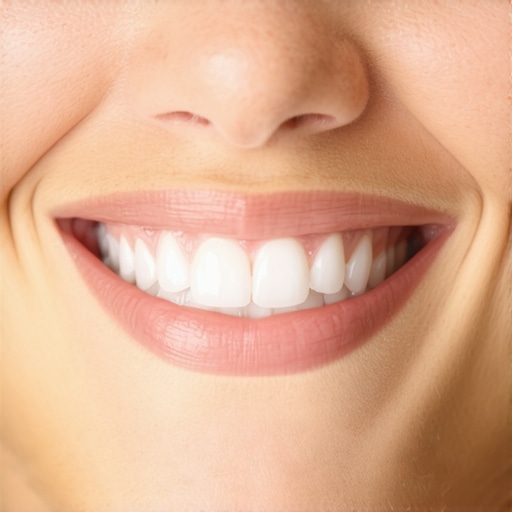
Harnessing Modern Dental Aesthetics to Achieve Lasting Oral Health
In an era where cosmetic dentistry transcends superficial enhancement, professionals are leveraging an integrated approach combining Invisalign, veneers, and teeth whitening to elevate patient outcomes. The synergy among these advanced modalities facilitates not only aesthetic perfection but also functional stability, an essential consideration underscored by recent clinical research in the Journal of Dental Research. For dental practitioners, understanding the nuanced interplay of these treatments is paramount for tailoring personalized, evidence-based care plans that address both immediate aesthetic concerns and long-term oral health stability.
The Strategic Application of Invisalign in Comprehensive Smile Makeovers
How does Invisalign facilitate complex orthodontic corrections while aligning with aesthetic protocols?
Invisalign’s transparent aligners utilize sophisticated biomechanical principles to correct malocclusions with minimal disruption to facial aesthetics. Their removable nature allows for maintaining optimal oral hygiene, a factor critical when combined with veneers or whitening procedures. Advanced digital imaging enables precise planning, ensuring that orthodontic movements are synchronized with subsequent cosmetic interventions. This integration is exemplified in successful cases documented within the American Journal of Orthodontics & Dentofacial Orthopedics.
Veneers: Beyond Surface Visuals to Structural Reinforcement
Contemporary veneers, particularly those crafted from porcelain, offer superior aesthetic qualities and durability. They serve as an effective solution for correcting enamel defects and closing gaps, especially when combined with orthodontic corrections. The evidence indicates that strategic veneer placement can compensate for minimal residual misalignments post-Orthodontic therapy, streamlining treatment timelines and enhancing overall smile harmony. Insights into minimally invasive veneer techniques further reinforce their role as a cornerstone in comprehensive smile design.
Optimizing Teeth Whitening for Durable Aesthetic Enhancement
Teeth whitening remains a pivotal component in the aesthetic enhancement matrix. When executed concurrently with veneer placement and orthodontics, whitening treatments ensure color uniformity and minimize the need for future touch-ups. The advent of in-office bleaching systems, supported by recent advancements in enamel susceptibility science, facilitates safe, rapid results conducive to patient satisfaction. It’s crucial for clinicians to evaluate enamel integrity pre- and post-bleaching, as outlined in the White Paper on Enamel Resilience published by the American Dental Association.
Addressing Complex Patient Queries on Multi-Modal Smile Enhancement
What considerations should be prioritized when sequencing Invisalign, veneers, and whitening to prevent adverse outcomes?
Strategic sequencing involves initiating with orthodontic correction to establish ideal tooth positioning, followed by teeth whitening to achieve uniform color, and concluding with veneer placement to fine-tune aesthetics. This method reduces the risk of veneer staining and ensures longevity of restorations. Detailed treatment planning, including shade matching and material selection, is vital to harmonize results and prevent inter-treatment conflicts. Continuous research and case studies in the *Journal of Esthetic Dentistry* advocate for a multidisciplinary assessment to safeguard both functional and aesthetic goals.
For practitioners seeking comprehensive guidance, exploring detailed case studies or engaging in specialized training can deepen mastery in multi-modal smile design. Contact our expert team via our contact page for tailored insights or to share your professional experiences.
Integrating New Technologies for Advanced Smile Makeovers
Recent innovations in digital dentistry have revolutionized how practitioners approach comprehensive smile transformations. The use of intraoral scanners and 3D imaging allows for precise planning and visualization of combined procedures such as veneers, Invisalign, and whitening, facilitating better communication and expectation management with patients. This technological synergy enhances treatment accuracy and shortens chair time, making complex cases more predictable and satisfying for both dentist and patient. For further insights into cutting-edge cosmetic strategies, visit our Veneers Made Simple page.
Customizing Treatment Sequences to Maximize Results
What are the key factors influencing the optimal sequence of cosmetic procedures like Invisalign, veneers, and whitening?
Sequencing is critical to achieving harmonious, long-lasting results. Generally, orthodontic correction with Invisalign is performed first to establish ideal tooth alignment, which provides a stable foundation for subsequent cosmetic enhancements. Whitening is often next, as it ensures uniform color tone, avoiding mismatched restorations or discoloration. Finally, veneers are placed to address structural defects or achieve the desired aesthetic finish. Experts emphasize the importance of assessing enamel health and maintaining adequate tooth structure throughout this process. For comprehensive guidance, explore our Teeth Whitening Secrets for 2025.
Emerging Materials and Their Role in Modern Cosmetic Dentistry
The development of ultrathin, high-strength porcelain veneers, and composite overlays has expanded treatment possibilities while preserving tooth structure. These materials offer enhanced translucency and aesthetics, mimicking natural enamel more realistically. When combined with adhesive techniques and digital planning, clinicians can achieve highly personalized results tailored to individual facial features and personality. Staying updated on these materials and techniques is essential for delivering optimal outcomes, as highlighted by recent reviews in the Journal of Esthetic & Restorative Dentistry.
Personalized Patient Consultation: Setting Realistic Expectations
Moving beyond standardized protocols involves deeply understanding patient desires, lifestyle, and biological factors. Effective communication ensures that patients appreciate the benefits and limitations of combined treatments, reducing dissatisfaction and promoting retention. Visual aids, digital previews, and detailed explanations of each procedure’s impact help set clear, achievable goals. Developing a comprehensive treatment plan that aligns with patient expectations and clinical feasibility is key to successful long-term results. For more on building trust through personalized care, read our Family Dentistry Tips.
Are you leveraging all available tools to craft flawless, durable smiles for your patients? Share your experiences or ask questions below—our team is here to support your professional journey.
,
Maximizing Longevity in Multidisciplinary Aesthetic Interventions
Achieving a truly enduring smile transformation requires meticulous integration of multiple treatment modalities, each optimized to support the others. Strategic material selection, precise bite analysis, and comprehensive planning are paramount. Modern evidence suggests that combining minimally invasive veneers with reinforced occlusal schemes can mitigate early wear and fracture, especially when paired with resilient adhesive protocols documented in the Journal of Esthetic & Restorative Dentistry. Recognizing the cumulative stresses on anterior restorations, clinicians should also consider occlusal adjustments aimed at distributing functional loads evenly across restorations, thus prolonging their lifespan and maintaining aesthetic integrity over time.
The Role of Digital Workflow Optimization in Achieving Precision and Predictability
harnessing cutting-edge digital workflows transforms complex smile makeover strategies from art into a science. Digital smile design (DSD), combined with high-resolution CBCT imaging, allows clinicians to simulate various treatment sequences, assess biomechanical impacts, and customize material properties for each patient. For example, integrating patient-specific finite element analysis—an advanced computational modeling technique—can predict stress distribution across restorations under functional loads, as demonstrated in recent biomechanical studies published in Computers in Biology and Medicine. Implementing these tools enhances predictability, reduces chair time, and fosters patient confidence through visualized outcomes before any clinical intervention begins.
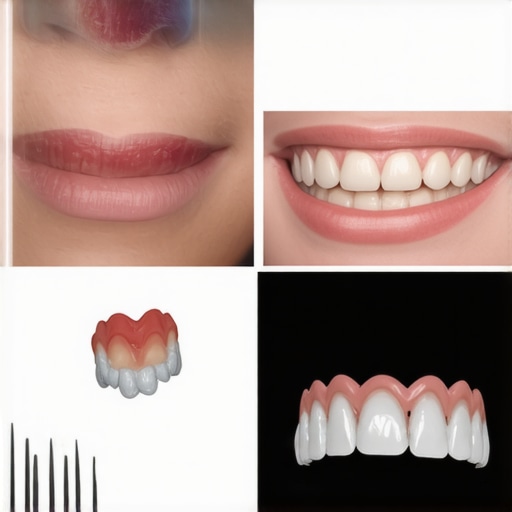
Visualize the process of digital smile design with detailed 3D planning interfaces illustrating treatment pathways and expected results.
Addressing Complex Cases: A Systematic Approach to Sequencing Procedures
Dealing with intricate cases involving both structural correction and aesthetic refinement demands a methodical approach. The sequencing must consider biological constraints, such as enamel thickness, periodontal health, and patient-specific occlusal dynamics. Typically, initiating with orthodontic alignment provides a stable foundation for subsequent restorative procedures. However, in scenarios where veneer placement requires significant reduction, pre-treatment assessment of enamel thickness via transgingival probing or optical coherence tomography (OCT) imaging becomes necessary. Adjusting the treatment plan to prioritize tissue preservation ensures the longevity of restorations and minimizes the risk of post-treatment sensitivity or failure. Moreover, adopting a multidisciplinary team approach fosters comprehensive patient care, integrating inputs from orthodontists, periodontists, and prosthodontists to optimize outcomes.
What innovative diagnostic tools can redefine treatment sequencing for complex aesthetic cases?
Emerging technologies like OCT and digital intraoral scanners not only enhance diagnostic accuracy but also facilitate dynamic treatment planning. OCT provides real-time, non-invasive thickness measurements of enamel and dentin, empowering clinicians to make informed decisions about aggressive interventions. Furthermore, AI-powered predictive analytics, as explored in recent research in the International Journal of Computer Assisted Radiology and Surgery, offer potential pathways for simulating long-term outcomes based on individual biological variables. Harnessing these tools enables a shift from reactive to proactive treatment planning, ultimately delivering personalized, durable results that meet patient expectations.
If you’re eager to deepen your mastery of these advanced diagnostic and planning techniques, consider subscribing to our upcoming webinar series or engaging with our expert team through the contact page. Sharing your challenging cases can also inspire collaborative solutions and ongoing learning.
Pushing the Boundaries: Integrating Cutting-Edge Technologies for Flawless Outcomes
Modern cosmetic dentistry increasingly relies on sophisticated digital tools that allow clinicians to transcend traditional limitations. By harnessing intraoral scanners, 3D imaging, and computer-aided design (CAD) systems, practitioners can craft exact replicas of dental arches, enabling meticulous planning of complex treatment sequences involving Invisalign, veneers, and whitening. Such integration minimizes errors, enhances predictability, and elevates patient satisfaction. The use of virtual simulation not only facilitates preoperative visualization but also supports dynamic adjustments, leading to tailored solutions that respect both aesthetic desires and functional imperatives.
Multi-Dimensional Considerations in Treatment Sequencing
Optimizing the sequence of procedures requires a nuanced understanding of biological, material, and psychological factors. For instance, clinicians must evaluate enamel thickness via optical coherence tomography (OCT) to determine whether aggressive reductions are feasible without compromising structural integrity. Concurrently, an assessment of occlusal dynamics informs whether orthodontic corrections should precede restorative interventions, thereby averting post-treatment wear or temporomandibular joint issues. Incorporating patient-specific data into biomechanical models guides decision-making, ensuring that each step reinforces long-term durability.

Schema illustrating the integration of OCT imaging, digital planning, and biomechanical modeling in comprehensive smile redesign.
Complex Case Management: From Diagnosis to Execution
Addressing multifaceted aesthetic cases demands a strategic, multidisciplinary approach. The initial phase involves precise diagnostics utilizing high-resolution imaging modalities, such as cone-beam computed tomography (CBCT), to map anatomical constraints. Subsequently, a carefully choreographed treatment plan sequences orthodontic correction to optimize tooth positioning, followed by adhesively bonded veneers that accommodate residual misalignments with minimal invasiveness. Teeth whitening further enhances overall harmony, ensuring uniformity of tone across all restorations. This layered approach not only preserves vital tissue but also fosters aesthetically cohesive, durable results.
Which diagnostic innovations are reshaping the planning landscape for advanced aesthetic cases?
Emerging modalities like OCT and AI-driven predictive analytics are transforming treatment planning by delivering high-precision data on tissue architecture and anticipated biomechanical behaviors. These advancements enable clinicians to simulate various intervention scenarios, anticipate long-term results, and customize material choices accordingly. For example, AI-powered algorithms assess patient-specific factors such as enamel resilience and occlusal forces, facilitating preemptive adjustments that prevent restoration failure. According to research published in Frontiers in Oral Health, such technologies are instrumental in achieving predictable, personalized masterworks of cosmetic dentistry.
Engage with our team to explore how these innovations can be incorporated into your practice, elevating your capability to deliver enduring, natural-looking results for even the most challenging cases.
Expert Insights & Advanced Considerations
Prioritize Tissue Preservation: Careful planning and minimally invasive techniques are essential to ensure the longevity of restorations and maintain natural tissue health, minimizing the risk of post-treatment sensitivity.
Incorporating biological considerations into treatment sequencing enhances outcomes, especially when managing complex cases where tissue preservation impacts future restorative options.
Utilize Digital Precision: Leveraging cutting-edge digital workflows, including intraoral scanners and 3D treatment simulation, allows for highly predictable outcomes and personalized case planning, reducing chair time and increasing patient satisfaction.
Adopting these technologies enables clinicians to visualize final results beforehand, making adjustments pre-treatment for optimal aesthetic harmony and functional stability.
Balance Aesthetics with Functionality: Combining cosmetic goals with occlusal stability and functional rehabilitation ensures that aesthetic improvements do not compromise oral health, leading to durable smile makeovers.
This integrated approach helps avoid future complications such as wear, fractures, or temporomandibular joint issues.
Stay Updated with Material Innovation: Continual education on emerging materials like ultrathin porcelain veneers and resilient composites allows for conservative yet effective interventions, expanding treatment possibilities while preserving tooth structure.
Informed material selection tailored to individual cases enhances aesthetic realism and restorative longevity.
Engage Patients Effectively: Transparent communication, digital previews, and detailed explanations foster trust and set realistic expectations, which are critical in complex aesthetic endeavors.
A well-informed patient is more likely to appreciate the treatment journey and uphold oral health commitments post-procedure.
Curated Expert Resources
- American Journal of Orthodontics & Dentofacial Orthopedics: Renowned for in-depth studies on digital orthodontics and interdisciplinary treatments optimizing smile aesthetics and function.
- Journal of Esthetic & Restorative Dentistry: A leading publication sharing innovations in minimally invasive techniques, material science, and smile design strategies.
- Frontiers in Oral Health: Offers insights into biological tissue considerations, digital diagnostics, and long-term stability of aesthetic procedures.
- International Journal of Computer Assisted Radiology and Surgery: Focuses on biomechanical modeling, AI analytics, and predictive planning tools shaping future practices.
Final Perspective: Embrace the Future of Smile Aesthetics
In the realm of contemporary cosmetic dentistry, integrating expert insights with emerging technologies and innovative materials defines the path toward durable, natural-looking smiles. Long-term success hinges on meticulous planning, a deep understanding of biological and biomechanical factors, and effective communication. Are you ready to elevate your practice by mastering these advanced strategies and resources? Engage with our community, share your experiences, or explore further with our comprehensive guides—your journey toward exceptional, lasting smile transformations starts here.
,

1 comment so far