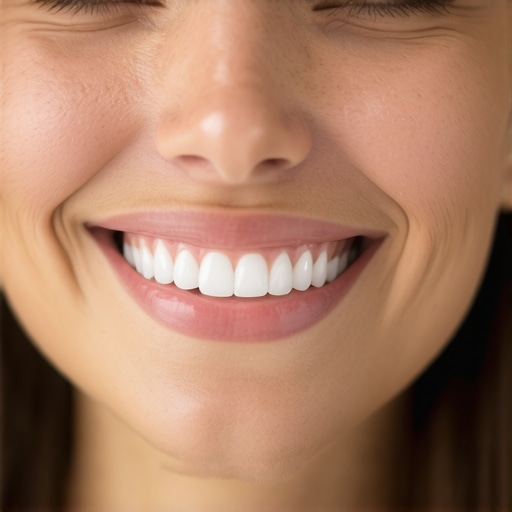
Harnessing the Synergy of Modern Cosmetic and Restorative Dentistry to Achieve a Dazzling Smile
In the rapidly evolving landscape of aesthetic and functional dental solutions, professionals and patients alike seek integrative approaches that blend cutting-edge technology with personalized care. The convergence of Invisalign, family dentistry techniques, veneers, and advanced teeth whitening methods offers a comprehensive pathway to optimize oral health and aesthetic appeal in 2024. Understanding the intricate interplay of these modalities enables a deeper grasp of their strategic applications and the nuances that define their efficacy.
Deciphering the Complex Interrelation between Invisalign and Family Dentistry in Contemporary Smile Makeovers
Invisalign has revolutionized orthodontic treatment by providing discreet, efficient alignment options that seamlessly integrate with routine family dental care. This synergy allows practitioners to address malocclusions while maintaining oral hygiene and soft tissue health, essential for long-term results. As outlined in the Journal of Clinical Orthodontics, the minimally invasive nature of clear aligners enhances patient compliance, especially within family contexts where multi-generational concerns necessitate adaptable treatment plans.
The Nuanced Aesthetics of Veneers and Their Role in Multistage Smile Enhancement
Veneers serve as a potent adjunct in cosmetic dentistry, capable of transforming dental aesthetics with minimal invasiveness. Their application extends beyond superficial correction to complex smile design strategies, when integrated with orthodontic and whitening procedures. Recent advances in porcelain laminate techniques allow for highly natural translucency and durability, aligning with the latest standards established by the American Academy of Cosmetic Dentistry. Tailoring veneer placement to complement underlying orthodontic adjustments underscores the importance of interdisciplinary planning.
Innovative Teeth Whitening: Beyond the Surface to Lasting Radiance
Teeth whitening remains a cornerstone of aesthetic enhancement, but recent innovations focus on enduring results and enamel preservation. In-office bleaching combined with personalized take-home regimens can lead to significant stain removal, while new formulations aim to strengthen enamel as a side effect. Consideration of individual tooth structure, as well as the impact of extrinsic and intrinsic staining, guides clinicians toward bespoke protocols that maximize efficacy. The integration of whitening with other aesthetic procedures ensures uniformity and natural appearance in the final outcome.
What Are the Embedded Challenges in Orchestrating Multi-Modal Smile Transformations?
How can clinicians optimize the sequencing of Invisalign, veneers, and whitening procedures to maximize aesthetic outcomes and structural integrity?
Expert practitioners must consider factors such as enamel integrity, the timing of orthodontic movements, and shade matching to prevent aesthetic discrepancies. Computational planning tools and digital smile design platforms facilitate precise sequencing, reducing risks of relapse or mismatched tones. As highlighted in the Journal of Esthetic and Restorative Dentistry, strategic planning reduces treatment time and enhances patient satisfaction—key metrics in contemporary dental practice.
For those interested in elevating their expertise, exploring advanced case studies and participating in interdisciplinary collaborations can provide deeper insights. Professionals are encouraged to engage with ongoing education resources and contribute to the collective knowledge base by sharing case success stories.
To discuss personalized treatment strategies or seek expert consultations, visit the contact us page. Maintaining an informed, evidence-based approach ensures optimal outcomes in the complex domain of smile optimization.
External Source: For a comprehensive review of contemporary aesthetic dental procedures, see the American Academy of Cosmetic Dentistry’s latest guidelines on smile design and material selection.
Maximizing Aesthetic Harmony: When to Choose Veneers Over Orthodontics and Vice Versa
In the realm of smile enhancements, determining the optimal sequence and combination of veneers and Invisalign can significantly influence final results. While veneers offer immediate aesthetic correction, Invisalign provides gradual alignment, allowing for subtle adjustments before applying restorative procedures. An evidence-based approach involves assessing factors like tooth structure, occlusion, and patient preferences. Experienced practitioners often recommend starting with Invisalign to correct underlying malocclusions, creating a harmonious foundation for subsequent veneer placement. This strategic sequencing reduces the risk of veneer failure due to unforeseen misalignments and enhances overall aesthetic integration, as emphasized by the American Academy of Cosmetic Dentistry’s guidelines on interdisciplinary treatment planning.
Applying a Dental Framework for Personalized Smile Design in 2024
Incorporating a structured yet flexible design framework is crucial for individualized aesthetic outcomes. Utilizing digital smile design tools allows clinicians to simulate various treatment pathways, evaluating how veneers, Invisalign, and whitening work together to meet unique patient goals. This technology enables precise planning of tooth proportions, color coordination, and functional occlusion, ensuring cohesive results. A key advantage is early visualization, which aligns patient expectations with achievable outcomes, thus improving satisfaction rates. For detailed guidance on implementing these digital strategies, visit top tips for trust-building in family dentistry.
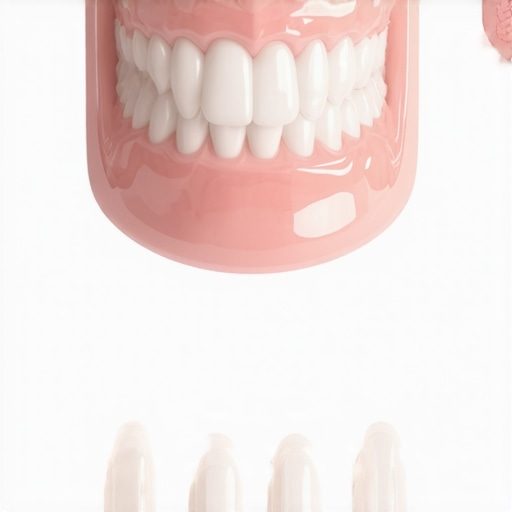
Challenging Assumptions: Is Complete Transformation Always the Goal?
Many believe that a full transformation requires significant structural changes; however, evidence suggests that minimally invasive procedures often yield the most natural feel and appearance. Combining conservative veneer placement with subtle Invisalign adjustments preserves enamel integrity, reduces patient discomfort, and shortens recovery times. This paradigm shift encourages clinicians to reevaluate the necessity of aggressive interventions, favoring tailored, stage-wise approaches that respect the patient’s biological and aesthetic balance. For insights into achieving this balance, the article best tips for smile makeovers with Invisalign and whitening offers valuable perspectives.
Are Your Smile Enhancement Techniques Keeping Up with 2024 Innovations?
To stay at the forefront, professionals should consider integrating emerging technologies like 3D imaging and predictive analytics into their treatment planning. Moreover, ongoing education and cross-disciplinary collaboration remain essential for refining expertise. Engaging with modern research, such as the American Academy of Cosmetic Dentistry’s latest publications, ensures practitioners deliver evidence-based, innovative care. Sharing your success stories and techniques in professional forums or social media can foster knowledge exchange and broader community growth. For a comprehensive review of contemporary aesthetic dental practices, see the expert guide to veneers and family dentistry strategies.
Synergizing Materials and Modalities: Precision in Multistage Smile Enhancement
Achieving outstanding cosmetic results hinges on meticulous sequencing and integration of diverse dental techniques. The interplay between orthodontics, restorative materials, and whitening protocols demands a comprehensive understanding of form, function, and biological principles. Digital smile design technology serves as an invaluable asset in this respect, enabling clinicians to simulate various treatment stages with high accuracy. By evaluating predicted tissue responses and shading transitions beforehand, practitioners can craft a tailored pathway that minimizes risks such as shade mismatches or structural compromise. Moreover, selecting the appropriate layering techniques with porcelain veneers—be it pressed ceramics or layered composites—further refines translucency and vitality, essential for a natural appearance within the overall aesthetic scheme.
How does digital simulation influence the predictability of complex smile makeovers?
Utilizing advanced computer-aided design (CAD) platforms allows for precise visualization of treatment outcomes, facilitating better patient engagement and alignment of expectations. These simulations incorporate current digital scanning and modeling technologies, which accurately predict soft tissue dynamics and wear patterns, thus enhancing the clinician’s confidence in procedure planning. Studies have demonstrated that digital integration reduces reappointment rates and shortens overall treatment duration, leading to higher patient satisfaction and better functional harmony. For example, a 2022 publication in the Journal of Esthetic Dentistry highlights how integrating CAD/CAM workflows streamlines multi-modal aesthetic procedures, which is crucial for cases requiring interdisciplinary precision.
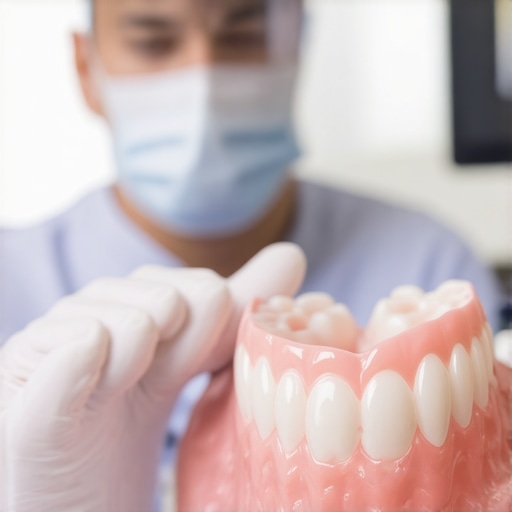
Beyond Aesthetics: Ensuring Durability in Combined Cosmetic Approaches
While cosmetic excellence remains paramount, longevity and resilience of restorations must not be compromised. Multimodal smile design initiatives necessitate a careful selection of materials that can withstand functional stresses while maintaining aesthetic integrity. Modern porcelains with reinforced frameworks, such as lithium disilicate or zirconia-based composites, offer exceptional strength; however, their optical properties must be harmonized with softer tissues and underlying natural dentition. Additionally, the integration of minimally invasive preparations respects the biological width and preserves remaining enamel, which is critical for long-term success. Incorporating adjunctive therapies like topical fluorides or desensitizers can mitigate postoperative sensitivity, enhancing patient comfort and adherence to maintenance protocols.
What role does patient-specific biology play in the success of integrated cosmetic treatments?
Understanding individual variations in enamel thickness, saliva composition, and periodontal health informs personalized treatment plans. For instance, patients with compromised enamel may benefit from conservative approaches emphasizing adhesive resin restorations, while those with high caries risk might require supplementary preventive strategies. Incorporating biomimetic principles ensures that restored structures interact harmoniously with natural tissues, preventing issues like marginal staining or debonding. Advanced diagnostics, including optical coherence tomography (OCT), enable clinicians to assess tissue health at a microscopic level and tailor interventions accordingly, increasing the durability of combined aesthetic procedures.
For practitioners eager to deepen their expertise, participating in continuing education focused on biomaterials science and interdisciplinary treatment planning is highly recommended. Engagement with research articles published in journals such as the International Journal of Esthetic Dentistry or the Journal of Prosthetic Dentistry will provide insights into innovative material developments and case-based evidence supporting integrated approaches.
Harnessing Material Science Innovations for Unmatched Durability
Advancements in biomaterials have transformed the landscape of aesthetic restorations, emphasizing not just appearance but resilience under functional stresses. High-performance ceramics like lithium disilicate and zirconia hybrids allow clinicians to craft restorations that mimic natural translucency while offering exceptional fracture resistance, vital for long-term success in combined orthodontic and restorative treatments. Integrating these materials with minimally invasive preparation techniques can preserve remaining enamel, thereby enhancing bond strength and reducing the likelihood of restoration failure.
Decoding the Influence of Gingival Architecture on Smile Perception
Emerging research underscores the pivotal role of soft tissue contours in aesthetic evaluation. Precise management of gingival levels, interdental papillae, and periodontal biotypes—especially when aligning veneers and orthodontic appliances—directly impacts the harmony of the final smile. Techniques such as crown lengthening or periodontal regenerative procedures may be strategically employed to optimize gingival display prior to restorative placement, ensuring that soft tissue dynamics complement the structural transformations achieved through orthodontics and whitening.
What Advanced Imaging Techniques Elevate Treatment Precision?
Incorporating technologies like cone-beam computed tomography (CBCT) and optical coherence tomography (OCT) empowers clinicians with unparalleled insights into hard and soft tissue morphology. These modalities facilitate meticulous planning—identifying alveolar bone contours before veneer placement or mapping irregularities in enamel thickness—thus enabling truly personalized, risk-averse intervention strategies. Such tools, when combined with digital smile design platforms, enable a comprehensive visualization of both functional and aesthetic outcomes, minimizing guesswork and optimizing patient satisfaction.
How does microtopography inform the design of natural-looking restorations?
Surface texture at the microscopic level influences light reflection and the perception of vitality in restorations. Utilizing profilometry data allows for the replication of natural enamel anomalies, micro-roughness, and translucency gradations, creating restorations that are virtually indistinguishable from native teeth. This attention to minute topographical details, supported by CAD/CAM milling strategies, enhances both aesthetic appeal and tactile harmony.
Fostering Biological Compatibility in Multimodal Treatment Plans
The biological interplay between restorative materials and periodontal tissues cannot be overstated. Selecting biocompatible adhesives and cements, coupled with conservative preparation that respects periodontal health, ensures harmonious integration. Optical sensors and diagnostic dyes help verify tissue health intraoperatively, guiding clinicians to avoid over-preparation or undue trauma, which could compromise long-term tissue stability and aesthetic consistency.
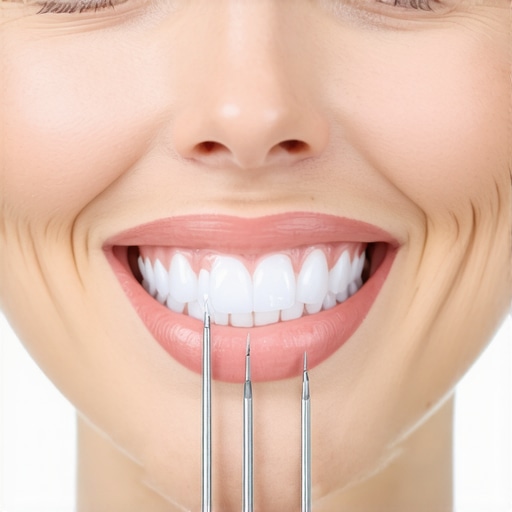
Master the Art of Multidisciplinary Smile Design
Honing your ability to seamlessly integrate orthodontics, restorative dentistry, and whitening techniques elevates patient outcomes to an elite level. Leveraging digital smile design tools not only fosters precise planning but also enhances patient engagement and satisfaction. Embrace the blueprinting of aesthetic harmony that aligns form and function through interdisciplinary mastery.
Prioritize Biological Harmony Over Cosmetic shortcuts
While visual perfection is tempting, innovation now emphasizes biological compatibility, preserving tissue health and structural integrity. Consider biomimetic materials and minimally invasive procedures that respect the biological framework, ensuring durability and harmony in the long run. This shift from superficial correction to biological respect redefines excellence in smile transformation.
Resources That Shape the Future of Aesthetic Dentistry
- American Academy of Cosmetic Dentistry’s Guidelines – The definitive resource for best practices in smile design, material selection, and interdisciplinary treatment planning. Its evidence-based standards serve as a foundation for advanced cases.
- International Journal of Esthetic Dentistry – Offers cutting-edge research, case studies, and clinical innovations guiding practitioners toward more predictable and natural results.
- Digital Smile Design Platforms – Industry leaders like DSDApp set the standard for visualizing and executing complex smile makeovers with unprecedented accuracy and client involvement.
Redefining Success in Smile Enhancement: The Bigger Picture
In 2024, the highest achievement isn’t just a bright smile but one that’s resilient, biologically compatible, and rooted in a comprehensive understanding of individual anatomy and physiology. Real mastery involves harmonizing material science, digital artistry, and biological insights to craft smiles that stand the test of time. Engage with ongoing research, push the envelope with innovative techniques, and share your journey to elevate the standard of excellence. Connect more deeply by visiting our contact page and let’s discuss how cutting-edge principles can transform your practice and patient satisfaction.


2 Comments