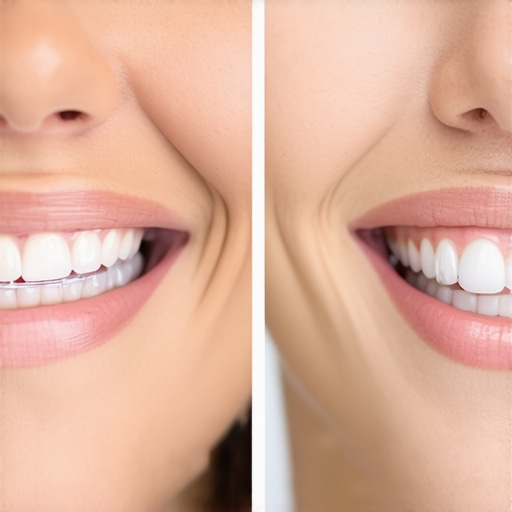
Revolutionizing Oral Care: An Expert Perspective on Modern Cosmetic and Restorative Dentistry
As the field of dentistry advances rapidly, professionals are increasingly challenged to integrate innovative solutions like teeth whitening, ceramic veneers, comprehensive family dental care, and Invisalign aligners into cohesive treatment plans. To achieve optimal patient outcomes, understanding the nuanced interplay of these modalities is essential for clinicians aiming to provide evidence-based, aesthetically pleasing, and functional results in 2026 and beyond.
Evaluating the Efficacy and Limitations of Contemporary Teeth Whitening Protocols
How can clinicians tailor whitening treatments to optimize enamel integrity while maximizing aesthetic outcomes?
Teeth whitening remains a cornerstone cosmetic procedure, with options ranging from in-office bleaching to customized at-home kits. Advances in peroxide formulations and adjunctive technologies have allowed for safer, faster results. Nonetheless, practitioners must balance the desire for a dazzling smile with the preservation of enamel health, citing recent studies published in the Journal of Esthetic and Restorative Dentistry.
Innovations in Veneer Technology and Their Role in Smile Makeovers
Porcelain and composite veneers have evolved with improved translucency, strength, and adhesive techniques. Modern veneer systems allow for minimal preparatory interventions, catering to patients seeking aesthetic enhancement without significant enamel removal. Strategic placement of veneers can correct malformations, discoloration, and minor malocclusions, becoming a vital component in comprehensive smile design modules.
Family Dentistry’s Expanding Role in Preventive and Functional Excellence
Holistic approaches in family dentistry emphasize early interventions, patient education, and maintenance protocols that extend beyond 2026. With the integration of digital scanning and personalized oral health plans, the emphasis shifts from reactive treatments to proactive, lifestyle-oriented care that fosters trust and loyalty over generations.
Invisalign vs Traditional Braces: Navigating the Paradigm Shift in Adult Orthodontics
In the context of adult orthodontics, the debate often revolves around efficacy, aesthetics, and treatment duration. Recent developments, such as the upcoming Invisalign innovations, demonstrate improved precision and faster outcomes compared to traditional brackets. Clinicians must consider individual cases holistically, integrating patient preferences, periodontal health, and long-term stability into their decision matrix.
Addressing Complex Cases: When to Combine Modalities for Optimal Outcomes
Multifaceted cases, involving crown lengthening, orthodontic movements, and veneer placement, exemplify the need for interdisciplinary collaboration. Optimal results demand meticulous planning and sequencing, often incorporating digital smile design techniques and 3D printing, ensuring the harmonization of function and aesthetics.
What emerging technologies are set to redefine how dental professionals approach comprehensive smile rehabilitation in the coming years?
As the frontier of dental technology evolves, tools such as AI-driven diagnostic platforms and bioactive restorative materials are poised to transform treatment planning and material selection, underscoring the importance of continuous professional development and research engagement in delivering cutting-edge patient care.
For a deeper understanding of how these advancements interrelate, explore smile makeover strategies with veneers and cosmetic enhancements. Your insights as a practicing professional can contribute to refining patient-centered treatment paradigms.
Integrating Digital Smile Design into Daily Practice for Precision and Personalization
One of the most transformative developments in contemporary dentistry is the adoption of digital smile design. This technology enables clinicians to craft highly individualized treatment plans, translating patient desires into precise digital models. By overlaying proposed restorations onto existing dentition, dentists can visualize outcome predictions, identify potential complications early, and facilitate patient understanding and trust. The seamless integration of CAD/CAM systems with digital workflows allows for efficient, accurate, and minimally invasive procedures, enhancing overall treatment quality.
Balancing Functional Integrity with Cosmetic Aspirations
While aesthetic improvements are vital, maintaining or enhancing functional stability remains paramount. Modern approaches advocate for a comprehensive assessment encompassing occlusion, periodontal health, and structural integrity before initiating cosmetic transformations. For instance, strategic veneer placement should preserve the natural biomechanics of the bite, preventing issues like temporomandibular joint discomfort. Incorporating occlusal analysis tools and pressure-mapping technologies can optimize outcomes, ensuring smile enhancements do not compromise long-term oral health.
Is the Promise of Bioactive Materials Changing the Game for Smile Restorations?
Advancements in bioactive restorative materials—such as glass ionomer cements infused with fluoride or bioactive zirconia—offer promising alternatives to traditional composites and ceramics. These materials can actively contribute to remineralization and reduce secondary caries, leading to more durable and health-promoting restorations. As research continues, clinicians are increasingly adopting these materials to create restorations that are not only aesthetically pleasing but also biologically interactive, aligning with the emerging paradigm of holistic dental care.
What criteria should clinicians use to determine when combining multiple smile enhancement modalities yields the best patient outcome?
Successful treatment often involves a tailored combination of modalities—veneers, whitening, orthodontics, and restorations—crafted through meticulous case analysis. Factors such as the degree of malocclusion, enamel quality, patient expectations, and systemic health influence modality selection and sequencing. For a comprehensive framework, consider implementing a multidisciplinary approach supported by digital diagnostics, ensuring each step reinforces the others for optimal harmony and longevity. For further insights into maximizing interdisciplinary strategies, visit this guide on smile makeover strategies.
Staying at the forefront of technological innovations and integrating evidence-based practices ensures that clinicians can deliver exceptional results. For those eager to explore emerging trends further, consult the latest peer-reviewed research focusing on cutting-edge biomaterials and digital dentistry advancements. Continuous education and embracing innovation are keys to elevating patient satisfaction and achieving predictable, lasting smile enhancements.
Adopting AI-Driven Diagnostic Platforms for Precise Treatment Planning
In today’s digital era, artificial intelligence (AI) tools are increasingly integral to complex smile makeover procedures. These platforms analyze vast datasets, including intraoral scans, photographs, and CBCT images, to generate comprehensive treatment plans that prioritize both aesthetics and function. By integrating AI with current CAD/CAM workflows, clinicians can simulate multiple scenarios, optimize restorative designs, and predict long-term outcomes with greater confidence, thereby reducing uncertainties that often characterize multifaceted treatments.
Leveraging Bioactive Materials to Achieve Long-Term Durability and Oral Health Benefits
Emerging bioactive restorative materials are redefining material selection criteria in complex rehabilitations. Glass ionomer cements, bioactive zirconia, and resin composites infused with remineralizing agents not only provide superior aesthetic outcomes but also support the biological environment. When strategically applied, these materials promote enamel regeneration, inhibit secondary caries, and enhance bond durability, thereby extending the lifespan of restorations while maintaining pulp vitality. Clinicians should stay abreast of ongoing research, such as the recent findings published in the Journal of Dentistry, to refine their material selection and application techniques.
Why Are Hybrid Approaches the Future of Smile Reconstructions?
Combining multiple disciplines—orthodontics, periodontics, prosthodontics, and even maxillofacial surgery—can be complex but rewarding when executed with meticulous planning. Hybrid approaches allow for targeted interventions, addressing specific functional deficiencies while simultaneously enhancing aesthetics. For example, integrating orthodontic movement with veneer placement ensures proper alignment and rim carpentry, leading to a harmonized smile along with improved occlusion. This holistic strategy minimizes invasive procedures, maximizes patient satisfaction, and fosters durable results over time.
What modern strategies enable seamless interdisciplinary collaboration in intricate smile cases?
Effective communication and shared digital platforms form the backbone of successful interdisciplinary cases. Digital smile design systems, combined with cloud-based case sharing, empower specialists to work collaboratively in real-time. Additionally, 3D printing of surgical guides and provisional restorations streamlines procedural sequencing, ensuring precision execution. This integration not only reduces chair-time and patient discomfort but also enhances predictability. For insights into implementing such strategies, review comprehensive case studies in the International Journal of Periodontics & Restorative Dentistry.
Emerging Paradigms in Patient-Centered, Minimally Invasive Rehabilitations
The shift towards patient-centered care emphasizes minimally invasive techniques, preserving as much natural tooth structure as possible. Innovations such as ultra-thin veneers, bioactive liners, and laser-assisted procedures facilitate conservative interventions. Moreover, digital previews increase patient engagement and consent, ensuring treatment acceptance and adherence. The integration of these advanced protocols fosters not only superior clinical outcomes but also improves patient confidence and compliance—crucial factors in the longevity of complex rehabilitations.
How does incorporating behavioral and motivational sciences impact the success rate of intricate smile reconstructions?
Understanding patient psychology and behavioral motivations enhances communication, aligns treatment expectations, and encourages adherence to post-operative care. Techniques rooted in motivational interviewing can uncover underlying concerns or anxieties, enabling clinicians to tailor interventions that foster trust and cooperation. Studies by the Journal of Dental Education illustrate that a holistic approach encompassing emotional intelligence and patient education significantly improves treatment outcomes and satisfaction levels. Embracing these principles ensures that advanced technological interventions are complemented by effective patient engagement, forming the bedrock of successful complex smile rehabilitations.
Harnessing the Power of 3D Printing to Personalize Smile Makeovers
Incorporating additive manufacturing technologies such as 3D printing has revolutionized the customization process in complex dental restorations. Custom surgical guides, provisional crowns, and even final prostheses can now be fabricated with unprecedented precision, reducing chairside time and improving aesthetic outcomes. By utilizing high-resolution digital scans and biomimetic materials, clinicians can achieve a level of personalization that was previously unattainable, aligning restorations perfectly with the patient’s unique anatomy and functional needs.
Can Artificial Intelligence Transform Diagnostic Accuracy in Complex Cases?
AI-driven diagnostic platforms analyze an array of data—from intraoral scans and radiographs to patient-specific health history—offering predictive insights and risk assessments. These systems aid clinicians in identifying subtle occlusal discrepancies, bone density variations, or early carious lesions that may influence the treatment plan. For instance, recent studies in the Journal of Dental Research suggest AI can improve diagnostic sensitivity and specificity, reducing the likelihood of postoperative complications and re-treatment.
What Role Do Bioactive Restoratives Play in Enhancing Long-Term Tooth Health?
Bioactive materials, such as resin-modified bioactive glass composites, not only restore structural integrity but also actively promote remineralization and antimicrobial activity. These innovations are particularly beneficial in patients with high caries risk or in restoring minimal invasive preparations, contributing to better pulp vitality and reducing secondary caries incidence. As ongoing research validates their efficacy, adopting bioactive restoratives aligns with the paradigm shift towards biologically oriented dentistry, emphasizing preservation and active tissue healing.
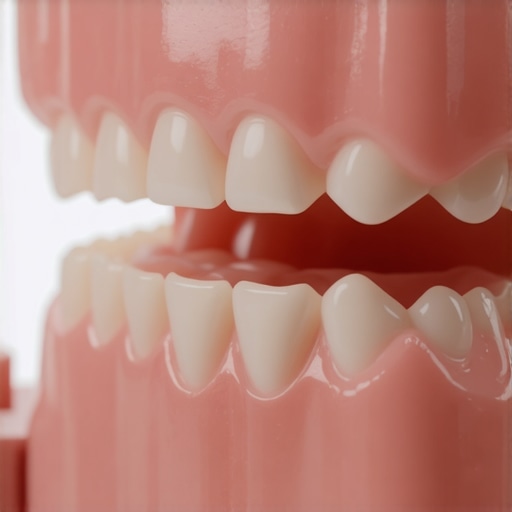
Why Multi-Disciplinary Collaboration Fortifies Complex Rehabilitations
Addressing multifaceted cases often necessitates seamless integration across various specialist domains. Digital workflows facilitate a shared platform allowing orthodontists, periodontists, and prosthodontists to strategize collaboratively, reducing treatment time and enhancing predictability. Implementing multidisciplinary case planning sessions, utilizing virtual articulators, and verifying digital wax-ups collectively improve the final outcome, ensuring both functional stability and aesthetic harmony.
How Evolution of Materials Is Elevating Smile Stability
Next-generation biomaterials, such as nanostructured ceramics and biointegrative polymers, exhibit enhanced mechanical properties and bioactivity. These materials enable durable restorations capable of mimicking natural tissue behavior, reducing fracture risk under functional loads. Integrating these advancements with minimally invasive techniques optimizes the longevity of esthetic interventions, extending the lifespan of restorations and supporting overall oral health.
Unlocking the Potential of Functional Occlusion to Secure Aesthetic Gains
Meticulous occlusal analysis, leveraging dynamic occlusion evaluation tools, ensures that aesthetic enhancements do not compromise functional harmony. Achieving a balanced occlusion reduces strain on restorations and temporomandibular joints, thereby curbing long-term complications. Incorporating individualized occlusal schemes during restorative planning is essential for long-lasting success, emphasizing that beauty without function risks future instability.
What cutting-edge diagnostic tools are emerging to detect early signs of occlusal disharmony before aesthetic interventions?
Innovations such as digital bite analysis systems, combined with pressure-mapped occlusal contacts, enable clinicians to visualize and quantify occlusal forces in real-time. These technologies can identify maladaptive patterns early, allowing for preemptive corrections that preserve both function and aesthetics. Staying updated on these tools, supported by authoritative sources like the National Institutes of Health, empowers practitioners to refine their diagnostic acumen and treatment precision, ensuring optimal patient outcomes. Engage with these emerging solutions to elevate your practice and lead the forefront of dentistry innovation.
Expert Insights That Elevate Dental Practice
Personalized Treatment Plans Are Non-Negotiable
With technological advancements, tailoring each smile makeover to the individual’s unique anatomy, aesthetic goals, and functional needs is essential. Leveraging digital diagnostics and patient-specific data ensures predictable outcomes and enhances patient satisfaction.
Embracing Bioactivity for Longevity
Integrating bioactive restorative materials that promote remineralization and tissue health isn’t just a trend — it’s redefining restorative success. Strategic use of these materials can significantly extend the lifespan of restorations while supporting overall oral health.
The Power of Digital Workflow in Complex Cases
Digital smile design, combined with 3D printing and CAD/CAM systems, streamlines interdisciplinary collaboration. This integrated approach minimizes errors, optimizes treatment sequencing, and delivers precise, personalized results efficiently.
Prioritizing Functional Harmony Alongside Aesthetics
Achieving a radiant smile is meaningless if occlusion and temporomandibular health are compromised. Advanced occlusal analysis and stain-proofing techniques are indispensable for durable, harmonious outcomes.
Innovation in Material Science Sets New Standards
Bioactive zirconia and nanostructured ceramics provide superior strength, aesthetics, and biological interaction. Staying current with ongoing research ensures clinicians can select materials that match the complex demands of modern restorations.
Valuable Resources to Deepen Your Mastery
- Journal of Esthetic and Restorative Dentistry: A primary source for the latest clinical studies on material science and aesthetic techniques.
- International Journal of Periodontics & Restorative Dentistry: Insights into interdisciplinary planning and biological considerations for lasting restorations.
- ScienceDirect Articles on Bioactive Dental Materials: Cutting-edge research supporting evidence-based material choices.
- Digital Dentistry Resources on PubMed: Peer-reviewed studies on clinical applications of AI, 3D printing, and digital workflows.
The Big Picture for Future-Ready Dentistry
This evolving landscape underscores the importance of continual education, embracing innovation, and integrating evidence-based approaches to push the boundaries of what’s possible in cosmetic and restorative dentistry. Staying ahead means not only understanding emerging technologies but also applying them thoughtfully to serve your patients better. For professionals eager to lead in this dynamic field, engaging with trusted resources like comprehensive smile makeover guides and peer-reviewed studies is vital. Keep refining your skills, question the status quo, and contribute your insights to shape the future of dental excellence.
Leave a Reply