
In the realm of contemporary dentistry, achieving optimal smile aesthetics demands a nuanced understanding of the interrelated cosmetic and functional procedures, notably veneers, teeth whitening, Invisalign, and core family dentistry. These modalities, rooted in evidence-based protocols, serve as sophisticated tools to design personalized smile transformations that balance aesthetic allure with long-term oral health.
Reevaluating the Efficacy of Veneers in Contemporary Smile Makeovers
Porcelain and composite veneers stand as hallmark solutions in cosmetic dentistry, providing a rapid route to correcting discoloration, chips, or minor misalignments. However, the clinician’s decision to employ veneers must extend beyond superficial concerns, integrating considerations of tooth vitality, biocompatibility, and the potential for irreversible change. Recent advancements demonstrate that quality veneer application can result in augmented durability and natural translucency, elevating patient satisfaction.
The Synergy Between Teeth Whitening and the Digital Smile Design Process
Teeth whitening, particularly with innovative whitening agents and laser technologies, remains a cornerstone of aesthetic enhancement. When synchronized with digital smile design software, clinicians can simulate outcomes preoperatively, setting realistic expectations. Importantly, the selection of whitening protocols must be personalized, considering enamel thickness, existing restorations, and patient lifestyle factors. Evidence suggests that integrating whitening with ongoing home care regimens sustains the brightness achieved in-office (see top tips for 2024).
Invisalign and the Dynamics of Adult Orthodontics
The rise of Invisalign reflects a paradigm shift in orthodontic treatment, particularly among adult patients who desire discreet aligner solutions. The nuanced application involves meticulous planning, attention to periodontal health, and monitoring for compliance. Notably, the latest innovations have expanded indications for complex cases, blending clear aligners with adjunctive whitening or veneers to realize comprehensive smile makeovers (Invisalign advancements for 2025).
What Are the Limitations and Risks of Combining Veneers, Whitening, and Invisalign?
This critical question underscores the importance of interdisciplinary collaboration. Overly aggressive whitening can weaken enamel, compromising veneer bonding efficacy, while misaligned teeth may require orthodontic correction prior to cosmetic procedures. Comprehensive treatment planning should entail detailed diagnostics and consultations to avert adverse outcomes, bolstered by ongoing patient education and informed consent (expert strategies for confidence building).
For professionals seeking to refine their approach, exploring advanced case studies and emerging technologies remains essential. Engaging with peer-reviewed publications, such as the Journal of Esthetic and Restorative Dentistry, can deepen understanding of material science and treatment algorithms.
To elevate your mastery in smile design, consider contributing insights or consulting with multidisciplinary specialists. Visit our contact page to join our expert community and stay at the forefront of cosmetic dental innovations.
Personalized Smile Design: Where Art Meets Science
Incorporating digital technologies, such as 3D imaging and computer-aided design, allows clinicians to craft highly individualized smile aesthetics that align with each patient’s facial features and personality. This approach not only improves predictability but also fosters patient engagement and satisfaction. Advanced digital smile design integration enables professionals to visualize potential outcomes, facilitating informed decision-making and collaborative planning (see innovations shaping smile design in 2025).
Balancing Aesthetic Goals with Functional Health
While aesthetic outcomes are paramount, they must not compromise functional integrity. Proper occlusion, periodontal health, and temporomandibular joint stability are critical factors that influence the longevity and success of cosmetic interventions. For example, placing veneers on misaligned teeth without addressing underlying occlusal issues may lead to accelerated wear or fractures. A comprehensive treatment plan should therefore harmonize aesthetic objectives with oral health preservation, ensuring durable and healthful results.
Emerging Materials and Techniques in Veneer Fabrication
The evolution of ceramic materials, such as lithium disilicate and zirconia composites, has revolutionized veneer strength and translucency. Moreover, techniques like CAD/CAM milling and chairside veneer fabrication enable same-day restorations, reducing patient visits and streamlining workflow. Staying abreast of these technological advances empowers practitioners to deliver evidence-based, minimally invasive solutions that meet the rising expectations for natural appearance and durability in cosmetic dentistry (comprehensive guide to veneer innovations).
How Can Practitioners Optimize Interdisciplinary Collaboration for Complex Smile Makeovers?
This pivotal question emphasizes the necessity of a team-based approach in advanced aesthetic cases. When combining veneers, whitening, and orthodontics, seamless coordination among prosthodontists, periodontists, orthodontists, and dental technicians is essential to prevent adverse interactions and ensure cohesive results. Establishing standardized protocols, using shared digital platforms, and fostering open communication channels are strategies that enhance treatment synergy. Recognizing the interconnectedness of these disciplines aligns with current best practices in delivering holistic, patient-centered care (see expert collaboration strategies).
For clinicians seeking to elevate their interdisciplinary approach, participating in specialized workshops, attending industry conferences, and engaging with peer-reviewed literature can provide invaluable insights into emerging best practices. As the industry continues to evolve, integrating latest research and technology will remain key to achieving exemplary smile esthetics and functional harmony. To explore comprehensive case studies and innovative tools, visit our contact page and connect with industry leaders shaping the future of smile design.
Harnessing Cutting-Edge Materials for Superior Veneer Performance
The advent of nanoceramic technologies has significantly elevated the durability and esthetic qualities of dental veneers. These materials, characterized by their high translucency and exceptional strength, enable clinicians to craft restorations that seamlessly mimic natural enamel, restoring confidence and function simultaneously. Notably, lithium disilicate and zirconia-based composites are at the forefront, offering not only robust performance but also compatibility with minimally invasive preparation techniques. Incorporating such advanced materials requires meticulous understanding of their adhesion protocols and long-term behavior under masticatory forces, emphasizing the importance of continuous education in material science for aesthetic practitioners.
Optimizing Digital Workflow for Precise Smile Design
Digital smile design (DSD) revolutionizes the way clinicians plan and execute aesthetic transformations. Implementing high-resolution 3D imaging and CAD/CAM fabrication algorithms allows for unprecedented precision and predictability. The integration of intraoral scanners with virtual articulation provides a comprehensive representation of occlusal relationships, facilitating the development of balanced and harmonious outcomes. Moreover, patient engagement is elevated through visualization tools, fostering transparent communication and informed consent. As the technology evolves, embracing artificial intelligence-driven predictive modeling will further refine treatment planning, reducing errors and expediting workflows—pushing the boundaries of what is achievable in contemporary cosmetic dentistry.
What are the key considerations when integrating AI into smile design workflows?
Artificial intelligence (AI) integration into smile design workflows presents opportunities for enhanced customization and efficiency. However, it requires careful calibration to ensure that algorithms account for individual patient variability, including facial morphology, soft tissue dynamics, and functional parameters. High-quality training datasets and validation against clinical outcomes are essential to minimize biases and inaccuracies. Additionally, ethical considerations surrounding patient data privacy and decision-making transparency must be addressed. Engaging with AI experts and ongoing research can help practitioners leverage these tools responsibly, ultimately leading to more consistent, personalized, and predictable results. For further insights into AI applications, consult specialized publications such as the Journal of Dental Technology and Artificial Intelligence in Dentistry.
Strategies for Achieving Contextualized Orthodontic Corrections
In adult smile rehab, aligning orthodontic correction with personalized esthetic goals demands a nuanced approach. Digital diagnostics, including CBCT imaging and facial scans, enable clinicians to plan modifications that respect soft tissue contours and functional harmony. The use of clear aligners, combined with adjunctive procedures like enamel recontouring or even temporary anchorage devices (TADs), allows for targeted adjustments that preserve periodontal health. Staying abreast of emerging techniques, such as حککشئ جراشی (surgical-orthodontic procedures), can provide options for complex cases where traditional methods fall short. The success of these interventions hinges on interdisciplinary coordination, meticulous case analysis, and a patient-centered focus—transforming orthodontic therapy from mere alignment to a comprehensive facial esthetic enhancement.
How does the integration of multidisciplinary expertise impact long-term stability of aesthetic outcomes?
The synergy between prosthodontists, orthodontists, periodontists, and restorative dentists fosters a holistic approach that addresses both soft and hard tissue health, crucial for long-term stability. For instance, optimizing periodontal conditions prior to veneer placement ensures a support structure that maintains esthetic results, while orthodontic repositioning minimizes undue stress on restorations. Detailed occlusal analysis combined with strategic retention protocols prevents relapse and functional discrepancies over time. Studies have demonstrated that cases managed collaboratively exhibit higher stability and patient satisfaction, highlighting the importance of ongoing interdisciplinary dialogue and comprehensive treatment planning. To deepen your expertise, exploring recent consensus guidelines published by the American Academy of Esthetic Dentistry offers valuable insights into best practices for multidisciplinary coordination.
The Art of Integrating Multiple Aesthetic Modalities for Holistic Results
Achieving a harmonious smile often necessitates a multidimensional approach that synthesizes veneers, whitening, orthodontics, and periodontal therapy. Transitioning from isolated procedures to an integrated treatment plan requires an in-depth understanding of the interplay between soft tissue dynamics, enamel preservation, and occlusal balance. Advanced digital simulation tools enable clinicians to visualize complex interactions beforehand, reducing the margin for error and aligning treatment objectives with patient expectations. Implementing such comprehensive strategies mandates a collaborative team effort, emphasizing continuous interdisciplinary communication and tailored patient education, thereby elevating the standard of aesthetic and functional outcomes.
Harnessing Biomechanical Principles to Enhance Veneer Longevity
While material advancements have significantly upgraded veneer durability, embracing biomechanical principles remains crucial in designing restorations that withstand functional stresses over time. Reinforcing marginal integrity through optimized preparation angles and utilizing full-coverage techniques in cases of compromised enamel can mitigate fracture risks. Moreover, understanding the role of occlusal force distribution—especially in patients with parafunctional habits—allows practitioners to incorporate protective measures such as night guards or selective enamel reduction to preserve both the restoration and natural dentition. Staying abreast of load simulation studies and evidence-based protocols ensures that veneer applications are not only cosmetically pleasing but also resilient in the long-term.
The Critical Role of Enamel Microstructure in Shade Selection
At the microscopic level, enamel’s unique prism architecture influences light transmission and, consequently, the perceived color and translucency of restorations. Recognizing variations in enamel mineralization, porosity, and the presence of perikymata can inform the clinician’s choice of ceramic translucency and characterization techniques. Utilizing spectrophotometers to quantify shade parameters—coupled with digital smile design software—enables more precise matching and reduces postoperative color discrepancies. This nuanced understanding underscores the importance of individualized shade selection protocols tailored to each patient’s enamel microstructure, ultimately achieving more natural and enduring esthetic results.
Advanced Periodontal Integration for Stable Aesthetic Outcomes
Soft tissue health is the foundation upon which aesthetic restorations rest. Employing minimally invasive periodontal therapies—such as papilla preservation techniques and connective tissue grafts—can optimize tissue contours before veneer placement. Such interventions not only improve the visual integration of restorations but also enhance periodontal stability, reducing recession risks and gingival inflammation over time. Leveraging digital soft tissue modeling and 3D imaging facilitates precise surgical planning, ensuring that esthetic enhancements do not compromise periodontal health. Embracing this synergy enhances not only immediate esthetic appeal but also the longevity of the overall smile design.
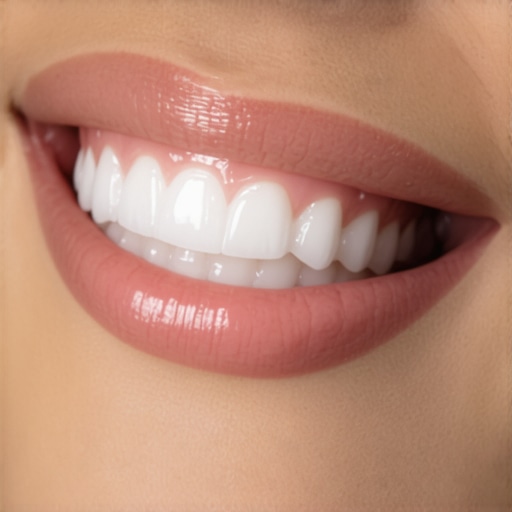
Expert Insights & Advanced Considerations
Leverage Minimally Invasive Techniques for Optimal Results
Adopting minimally invasive procedures ensures preservation of natural tooth structure while achieving aesthetic goals, aligning with evidence-based best practices in modern cosmetic dentistry. This approach not only enhances patient comfort but also supports long-term oral health.
Prioritize Interdisciplinary Collaboration to Avoid Pitfalls
Effective coordination among specialists such as prosthodontists, orthodontists, and periodontists prevents adverse interactions, streamlining complex smile makeovers and safeguarding treatment stability.
Integrate Digital Technology for Predictable Outcomes
Utilizing advanced digital workflows—including 3D imaging, CAD/CAM systems, and AI-driven planning—allows clinicians to visualize and refine treatment plans, reducing surprises and ensuring personalized, natural results.
Stay Ahead with Innovative Materials
Emerging ceramic and composite materials, such as lithium disilicate and nanoceramics, deliver superior translucency and strength, enabling restorations that closely mimic natural enamel and outperform traditional options.
Balance Esthetic and Functional Objectives
Maintaining harmonious occlusion and periodontal health during cosmetic procedures is critical, as neglecting these aspects compromises longevity and functional stability of restorations.
Curated Expert Resources
- Journal of Esthetic and Restorative Dentistry: Offers cutting-edge research and clinical techniques in smile design and restorative materials.
- American Academy of Cosmetic Dentistry (AACD): Provides guidelines, courses, and case studies on comprehensive smile makeovers.
- Dental Materials Science Publications: Keeps practitioners informed about the latest innovations in esthetic and functional materials for veneers and restorations.
Final Expert Perspective
In the realm of veneer, teeth whitening, Invisalign, and family dentistry, the synergy of cutting-edge technology, material science, and interdisciplinary collaboration stands as the cornerstone of successful smile transformations. By continuously embracing innovations and refining skills through reputable resources, professionals can elevate patient outcomes from ordinary to exceptional. To deepen your expertise, consider sharing your insights or engaging with fellow specialists on our contact page. Remember, mastery in cosmetic dentistry is an ongoing journey—commit to excellence, and your patients will thank you with confident smiles.


2 Comments