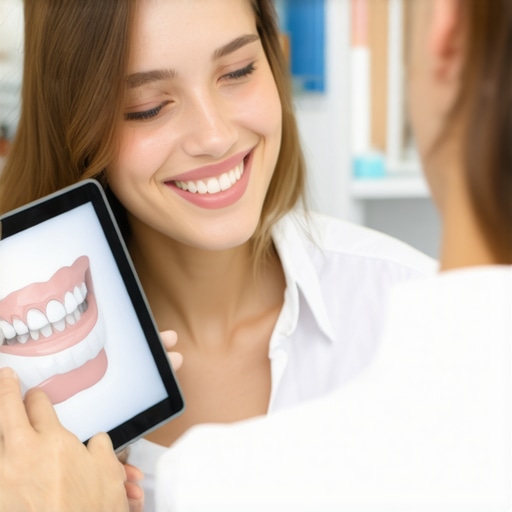
Redefining Orthodontic Efficiency Through Cutting-Edge Intraoral Technologies
In the realm of contemporary orthodontics, the convergence of digital imaging, accelerated aligner materials, and AI-driven treatment planning exemplifies the industry’s shift towards precision and speed. Experts are now leveraging innovations like smart tracking systems and real-time monitoring to identify and mitigate treatment bottlenecks early, thereby reducing overall treatment durations. Research published in the Journal of Dental Research highlights the impact of these technologies on compressing Invisalign timelines—sometimes by as much as 30%—without compromising aesthetic outcomes or dental health.
Optimizing Adhesive and Material Selection for Accelerated Results
Selection of orthodontic materials plays a pivotal role in treatment efficiency. For instance, utilizing high-adhesion composites reduces the need for frequent re-bonding, while newer thermoplastic aligners with enhanced elasticity facilitate quicker tooth movements. Such advancements, detailed in recent clinical studies, serve to streamline application procedures and enhance patient comfort—further expediting progress.
The Role of Patient Compliance in Treatment Duration Reduction
While technological innovations accelerate physical tooth movements, patient engagement remains a critical determinant of overall treatment times. Employing smart aligners equipped with embedded sensors enables clinicians to monitor wear-time adherence remotely, fostering accountability and allowing real-time adjustments. Analyzing compliance data informs personalized strategies, ensuring the prescribed treatment milestones are met effectively.
What Are the Real Limitations of Speeding Up Invisalign Treatments?
Despite these advancements, inherent biological constraints, such as periodontal ligament response and bone remodeling rates, impose natural limits on treatment acceleration. Moreover, aggressive movement protocols risk adverse effects like root resorption or tissue damage if not carefully managed. Discussions within leading orthodontic circles emphasize a balanced approach—prioritizing safety alongside efficiency—highlighting the importance of ongoing research to refine protocols.
How Can Orthodontists Balance Speed and Safety in Accelerated Invisalign Protocols?
Achieving this equilibrium necessitates comprehensive case assessments, advanced imaging, and adherence to evidence-based guidelines. Continuous professional development and utilizing adjunct therapies like micro-osteoperforation can enhance bone remodeling, permitting faster movements without risking tissue health. Networking with peers through platforms such as American Association of Orthodontists encourages adoption of validated strategies that optimize outcomes.
For deeper insights into innovative orthodontic techniques, explore our latest Invisalign innovations or consider consulting a qualified specialist to customize your treatment plan.
Transform Your Dental Aesthetics with Latest Cosmetic Innovations
In recent years, cosmetic dentistry has experienced a significant evolution, offering patients a plethora of options to achieve their ideal smile. Whether it’s through minimally invasive procedures or advanced aesthetic enhancements, the goal remains the same: natural-looking results with improved confidence. Techniques like porcelain veneers, teeth whitening, and orthodontic solutions such as Invisalign have become more accessible and effective, allowing for tailored treatments that suit individual needs.
The Art of Customizing Smile Makeovers for Lasting Beauty
Each smile is unique, and successful cosmetic procedures require a personalized approach. Digital smile design tools enable practitioners to simulate potential results, facilitating informed decisions and aligning expectations. Combining artistry with science, these tools help craft a harmonious balance between facial features and dental structures, maximising both functionality and aesthetics. For comprehensive guidance on smile transformations, consider exploring our Veneers section—a cornerstone in cosmetic enhancement techniques.
Is There a Limit to What Cosmetic Dental Procedures Can Achieve?
This question prompts a nuanced discussion about the capabilities and boundaries of modern cosmetic dentistry. Advances like composite bonding, porcelain veneers, and laser-assisted procedures have dramatically expanded potential outcomes, often providing dramatic improvements in a single session. However, factors such as the condition of underlying dental structures, periodontal health, and patient expectations play critical roles in determining feasible results. Ultimately, realistic planning and consultation with an experienced cosmetic dentist are essential to optimize outcomes without risking oral health.
How Can Dental Professionals Stay Ahead in the Rapidly Evolving Field of Cosmetic Dentistry?
Continued education and embracing emerging technologies are vital for practitioners aiming to deliver state-of-the-art treatments. Attending specialized courses, such as those offered by reputable institutions or associations like the American Academy of Esthetic Dentistry, allows clinicians to stay informed about breakthroughs like digital workflows, new material sciences, and minimally invasive techniques. Additionally, collaborating with multidisciplinary teams ensures comprehensive care tailored to each patient’s aesthetic and functional needs. Discover the latest innovations in smile enhancement by reviewing our smile makeover strategies for 2024, designed to inspire and inform both clinicians and patients alike.
Harnessing Digital Smile Design for Precision Aesthetic Planning
In the realm of advanced cosmetic dentistry, digital smile design (DSD) acts as a transformative tool, enabling practitioners to visualize and refine treatment goals with unparalleled accuracy. Utilizing high-resolution imaging, 3D modeling, and software simulations, clinicians can craft highly customized smile transformations tailored to individual facial features and anatomy. This process not only improves patient communication and satisfaction but also minimizes the risk of over- or under-treatment by setting realistic expectations upfront.
How Does Digital Smile Design Influence Treatment Success Rates?
Evidence from peer-reviewed research indicates that incorporating DSD into treatment planning enhances procedural predictability and reduces the need for adjustments post-procedure. A notable study published in the Journal of Contemporary Dental Practice reveals that practices using digital visualization reported higher patient approval and fewer revision procedures, translating into more streamlined workflows and improved overall outcomes.
Innovative Bioceramic Materials Elevate Longevity and Compatibility
The evolution of bioceramic materials, exemplified by calcium silicate-based cements, introduces new standards in restorative and endodontic applications. Their bioactive properties facilitate favorable tissue responses, promote healing, and ensure long-lasting adhesion. Moreover, their thermal stability and chemical inertness align with the stringent demands of aesthetic restorations, reducing the risk of discoloration or breakdown over time. Integrating these materials requires a nuanced understanding of their setting properties and interaction mechanisms, which, when optimized, significantly enhance restoration durability and biocompatibility.
What Advanced Material Science Unlocks in Cosmetic Restoration?
Recent advancements, including nanotechnology integration, have led to the development of ultrafine bioceramic particles that improve strength, polishability, and mimick natural enamel translucency. According to a comprehensive review in the Dental Materials Journal, these innovations open new horizons for minimally invasive procedures, allowing for conservative restorations that seamlessly blend durability with aesthetics.
For clinicians committed to pushing the boundaries of cosmetic dentistry, staying abreast of these material sciences and incorporating them responsibly into practice is essential. As the field continues to evolve, ongoing education and experimentation with emerging bioceramic composites will define those who lead rather than follow.
Addressing the Challenge of Aging Dental Structures in Cosmetic Enhancements
Age-related changes to dental tissues, such as enamel thinning, dentin sclerosis, and gingival recession, pose significant hurdles to achieving ideal aesthetic results. Tailoring restorative techniques to accommodate these alterations involves a strategic combination of conservative preparations, adhesive innovations, and tissue preservation protocols. For instance, leveraging minimally invasive bonding techniques and laser-assisted gingival contouring can reconcile structural limitations with aesthetic aspirations.
Moreover, understanding the biological remodeling processes that occur with aging can inform better material selection and procedural timing. Collaborating with periodontists and prosthodontists enhances holistic care, ensuring that cosmetic improvements complement and reinforce oral health rather than compromise it. The key is to view aging not solely as a challenge but as an integral factor to be thoughtfully integrated into comprehensive treatment planning.
How Can Practitioners Predict and Adapt to Age-Related Changes in Smile Design?
Predictive analytics, underpinned by advanced imaging and machine learning, are emerging as powerful tools in forecasting tissue response and skeletal alterations over time. Incorporating these insights enables practitioners to design solutions that maintain aesthetic integrity years down the line, reducing the need for retreatments. Engaging in specialized training and researching cutting-edge developments in predictive modeling will be imperative for clinicians aiming to deliver truly durable and personalized smile makeovers.
Pushing Boundaries in Aesthetic Dentistry with Multidisciplinary Integration
Harnessing the synergy between digital aesthetics, biomimetic materials, and biological restoration techniques offers unprecedented potential for personalized smile enhancements. By integrating digital smile design (DSD) with emerging nanostructured bioceramics, clinicians can craft restorations that not only mimic natural dentition but also promote subtle tissue regeneration. Expert insights from the Journal of Contemporary Dental Practice affirm that such convergence facilitates unprecedented control over both functional and aesthetic outcomes, thereby elevating patient satisfaction to new heights.
How does the convergence of digital imaging and bioactive materials redefine restorative success?
This integration allows for highly precise planning and execution, ensuring that restorations work harmoniously with biological tissues. The use of bioactive, nanostructured materials fosters seamless integration with existing tissues, reducing complications and enhancing long-term stability. By leveraging comprehensive digital workflows, clinicians can simulate biological responses, thereby minimizing uncertainties and optimizing the longevity of aesthetic results.
Harnessing Micro-innovations for Micro-innovative Results
Beyond macro-scale advancements, micro-innovations like laser-assisted micro-osteoperforation and ultrafine nanocoatings dramatically influence the efficiency and safety of cosmetic procedures. These techniques accelerate tissue healing, promote cellular regeneration, and refine surface aesthetics, culminating in restorations that are both durable and harmonious with surrounding tissues. Embracing such innovations requires an in-depth understanding of cellular biology, material science, and precise clinical application—a hallmark of a truly expert cosmetic dentist.
Why are miniaturized procedural enhancements critical for advancing cosmetic outcomes?
They allow practitioners to achieve delicate tissue interactions and faster healing timelines, reducing chair time and patient discomfort. Moreover, these micro-scale improvements facilitate conservative approaches, preserving maximum tooth structure while delivering dramatic aesthetic transformations. As research in nanotechnology and molecular biology progresses, these tiny innovations promise to redefine what’s technically feasible in aesthetic restorations.
To stay at the forefront, practitioners should continuously engage with multidisciplinary research and participate in specialized training programs, fostering a culture of innovation that benefits both practitioners and patients.
Future-Forward Strategies for Lasting Smile Perfection
The next frontier lies in predictive analytics powered by artificial intelligence and machine learning, which can forecast tissue responses, wear patterns, and aging trajectories with remarkable accuracy. Combining these insights with real-time intraoral scanners and personalized biomaterials creates a dynamic feedback loop—adaptable, anticipatory, and meticulously tailored to each individual’s biological rhythm. Moreover, integrating patient genetics and microbiome analyses cryptographically individualizes treatment plans, ensuring not just aesthetic excellence but also resilience against aging and environmental factors.
How might AI-driven predictive modeling transform patient-specific aesthetic planning?
By assimilating vast datasets, AI can identify subtle patterns and predict long-term outcomes, enabling clinicians to customize interventions that are both conservative and durable. This approach minimizes guesswork, enhances precision, and fosters proactive maintenance strategies—shifting the paradigm from reactive to predictive, thereby safeguarding the investment in aesthetic enhancements over a lifetime.
Engage with cutting-edge research and consider collaborating with data scientists and biomaterial engineers to pioneer personalized, resilient smile solutions that will set new standards in aesthetic dentistry.
Expert Insights & Advanced Considerations
Harnessing Digital Precision
Future-proofing smile makeovers involves integrating cutting-edge digital workflows, enabling clinicians to visualize, plan, and execute treatments with unprecedented accuracy, reducing guesswork and enhancing predictability.
Material Innovation as a Game Changer
Advancements in nanostructured bioceramics and bioactive materials are revolutionizing restorative procedures, offering not only aesthetic excellence but also promoting tissue regeneration and longevity.
Personalized Care Through Predictive Analytics
Leveraging AI and machine learning to forecast tissue responses and aging patterns allows for truly tailored treatment plans that evolve with patient needs, maximizing durability and satisfaction.
Micro-innovations Amplify Outcomes
Integrating micro-scale techniques, such as laser micro-osteoperforation, accelerates healing and results in less invasive procedures, setting new standards for patient comfort and efficiency.
Collaborative Multidisciplinary Strategies
Synergizing digital design, material science, and biological understanding fosters comprehensive solutions that push the boundaries of what aesthetic and restorative dentistry can achieve.
Curated Expert Resources
- Journal of Contemporary Dental Practice: Offers peer-reviewed studies on digital workflows and material sciences, essential for staying at the forefront of innovation.
- American Academy of Esthetic Dentistry: Provides continuous education resources, workshops, and the latest research trends in aesthetic dentistry.
- Dental Materials Journal: Features in-depth reviews of emerging biomaterials and nanotechnology applications relevant to advanced restorative techniques.
- Smilegum Care Blog: A trusted platform offering insights into cutting-edge procedures, case studies, and practical tips for clinicians pushing the boundaries.
- AI in Dentistry Publications: Explores the integration of predictive analytics and machine learning to personalize and optimize treatment planning.
The Value of Embracing Innovation in Smile Design
In the rapidly evolving landscape of aesthetic and restorative dentistry, staying informed about technological and material advances isn’t just beneficial—it’s essential for delivering exceptional results that stand the test of time. By integrating expert insights and leveraging proven resources, dental professionals can redefine excellence in patient care. Engage actively with ongoing education, contribute your developments, and champion innovation in your practice to set new industry standards.
Leave a Reply