Elevating Your Smile Transformation: The Intersection of Invisalign, Veneers, and Professional Whitening
In the evolving landscape of cosmetic dentistry, a nuanced understanding of how orthodontic solutions such as Invisalign integrate seamlessly with aesthetic enhancements like veneers and teeth whitening is essential for optimizing patient outcomes and long-term oral health. As a dental professional, leveraging the latest insights into these modalities enables a comprehensive approach that addresses functional alignment and aesthetic perfection simultaneously.
Synergy Between Orthodontic Precision and Cosmetic Refinement
Invisalign’s clear aligner technology has revolutionized adult orthodontics by offering discreet, efficient, and minimally invasive treatment options. When combined with cosmetic procedures such as porcelain veneers, practitioners can sculpt ideal smiles that not only straighten misaligned teeth but also correct shape, size, and discoloration issues. This integrated approach facilitates a more predictable and satisfying patient experience, reducing treatment duration and enhancing self-confidence.
The Nuances of Teeth Whitening Within a Multimodal Smile Makeover
Strategically incorporating professional teeth whitening ensures that natural teeth and restorations harmonize, avoiding mismatched shades that compromise aesthetic results. Recent studies underscore the importance of in-office whitening treatments over over-the-counter products, citing superior safety and efficacy. For instance, the latest white paper from the American Academy of Cosmetic Dentistry emphasizes professional bleaching’s role in achieving predictable and durable brightness, especially when combined with veneers and orthodontics.
What Are the Potential Risks of Combining Veneers and Whitening?
While synergy exists, improper sequencing or overuse of bleaching agents can impact veneer longevity and natural tooth integrity. Over-bleaching may lead to sensitivity, or cause restorations to appear mismatched if veneers are not color-matched appropriately after whitening. Expertise in treatment sequencing and shade selection becomes paramount for ensuring harmonious, durable results.
How Can Providers Tailor Smile Makeover Plans for Patients with Complex Aesthetic Needs?
Customized treatment planning necessitates a detailed assessment of functional occlusion, aesthetic desires, and biological factors. Incorporating digital smile design software and diagnostic wax-ups allows clinicians to previsualize outcomes, refine shade matching, and coordinate timing of orthodontic and cosmetic procedures. Continuous professional development in these advanced technologies enhances the precision and predictability of comprehensive smile enhancement strategies.
Exploring the latest research and case studies on combined orthodontic and cosmetic treatments can significantly elevate clinical success. Engage with authoritative resources such as the Journal of Cosmetic Dentistry for evidence-based insights and emerging trends.
For a deeper dive into innovative family dentistry strategies that support comprehensive smile health, visit Family Dentistry Tips for Creating a Healthy Smile.
Personalized Strategies for Sophisticated Smile Makeovers
Designing a smile that seamlessly combines orthodontic correction with cosmetic enhancement requires a tailored approach rooted in comprehensive diagnostics and patient-specific goals. Utilizing digital smile design tools enables clinicians to visualize potential outcomes with precision, ensuring that each aspect—from alignment to shade harmony—is meticulously planned. Such technology not only elevates predictability but also fosters transparent patient communication, setting realistic expectations from the outset.
Can Orthodontic and Cosmetic Procedures Be Coordinated Without Compromising Durability?
Achieving balance between functional stability and aesthetic allure hinges on understanding the biological and material interactions involved. Proper sequencing—starting with orthodontic alignment, followed by whitening and veneers—helps prevent potential adverse effects like staining of restorations or compromised bonding strength. Moreover, selecting veneering materials compatible with whitening agents ensures long-lasting results, making interdisciplinary collaboration essential for cohesive treatment planning.
The Role of Material Science in Enhancing Smile Outcomes
Advancements in restorative materials have significantly expanded the possibilities for delicate aesthetics combined with resilience. High-strength porcelain veneers with minimal thickness provide natural translucency while resisting staining and chipping. When combined with modern whitening protocols—such as laser-assisted in-office bleaching—these materials maintain their shade stability longer. For insights into these innovations, reviewing studies like those published by the International Journal of Esthetic Dentistry offers valuable guidance.
What Are the Most Effective Techniques for Preventing Discoloration Post-Veneer Placement?
One of the key concerns following veneer rehabilitation is maintaining shade harmony over time. Expert strategies include advising patients on avoiding staining foods and beverages, using custom whitening touch-up kits, and scheduling regular dental hygiene appointments. Additionally, employing low-abrasion polishing compounds during routine cleanings helps preserve the veneers’ surface integrity. Seeking ongoing continuing education ensures clinicians stay updated on the latest preventive approaches and material options.
For clinicians aiming to refine their aesthetic protocols, exploring comprehensive courses on smile design and material selection is invaluable. Consider consulting resources like the American Academy of Cosmetic Dentistry for evidence-based practices and emerging trends.
Interested in expanding your knowledge about comprehensive smile enhancement? Visit Veneers and Cosmetic Enhancements for a Flawless Smile.
Harnessing Digital Smile Design for Precise Aesthetic Outcomes
In recent years, digital smile design (DSD) has emerged as an indispensable tool for clinicians aiming to craft harmonious and personalized smile transformations. By leveraging high-resolution virtual simulations, practitioners can analyze facial proportions, lip dynamics, and dental features to create a detailed blueprint that aligns with each patient’s unique characteristics. This technology fosters collaborative decision-making, reduces surprises, and elevates patient satisfaction, all while streamlining the planning process.
Integrating Orthodontic Tools with Material Science to Maximize Durability
Advances in orthodontic appliances, such as lingual aligners and customized brackets, allow for precise tooth movements that complement restorative strategies. When coupled with cutting-edge restorative materials—like zirconia-based ceramics with enhanced translucency and fracture resistance—clinicians can develop comprehensive treatments that withstand functional stresses over time. Understanding the interplay between biomechanical forces and material fatigue is critical to designing long-lasting smile makeovers that do not compromise aesthetic goals.
What sophisticated considerations come into play when selecting adhesives for veneering on minimally prepared teeth?
Choosing the ideal adhesive system involves evaluating factors like bonding strength, biocompatibility, and compatibility with both tooth substrates and veneering materials. Recent developments emphasize the importance of dual-cure resin cements with adhesive promoters that optimize bond durability, especially when dealing with conservative preparations. Proper technique, including meticulous moisture control and microscale surface treatments, enhances the interface’s resilience against microleakage and debonding risks. Consulting manufacturer data and peer-reviewed studies, such as those by the European Journal of Esthetic Dentistry, ensures adherence to evidence-based protocols.
For practitioners committed to pushing the boundaries of aesthetic dentistry, staying informed on emerging adhesive technologies and clinical techniques is essential. Participation in specialized workshops and continuous education courses can provide the latest insights into material handling and application nuances.
Pushing the Limits with Custom-Contoured Restorations and Biological Considerations
In cases where conventional veneers or crowns fall short, custom-contoured restorations—often fabricated through CAD/CAM milling or 3D printing—offer unparalleled precision. These restorations can be tailored to replicate natural translucency, texture, and anatomy, ensuring seamless integration with existing tissues and soft structures. Moreover, understanding the biological responses of periodontal tissues and pulp health guides clinicians in minimizing invasive procedures and preserving biological vitality during extensive rehabilitations.
To achieve this delicate balance, interdisciplinary collaboration with periodontists, endodontists, and laboratory technicians becomes vital. Emphasizing biological parameters alongside aesthetic priorities results in resilient, health-centered smile makeovers that withstand the test of time.
How Can Material Innovations Address Age-Related Changes in Smile Design?
As patients age, variations in gingival contours, bone density, and enamel thickness influence aesthetic outcomes. Innovative materials such as ultrathin veneers with improved optical properties can address these challenges by providing aesthetic enhancement with minimal invasiveness. Similarly, employing bioactive restorative materials that promote remineralization or periodontal tissue regeneration can support the longevity of aesthetic interventions, particularly in areas affected by recession or wear.
Implementing these strategies requires clinicians to evaluate age-specific biological factors meticulously and select materials that adapt dynamically to changing oral environments. Continuous research in bioactive ceramics and nanocomposite resins, highlighted in journals like the Journal of Dental Research, continues to expand the toolkit available for age-sensitive smile restorations.
Interested in further exploring the latest innovations in material science and their clinical applications? Visit Advanced Materials for Aesthetic Dentistry for comprehensive insights and case studies.
Unlocking the Art of Multimodal Smile Makeovers
Integrating Invisalign, veneers, and professional whitening demands not only technical proficiency but also an artistic vision that aligns with each patient’s unique facial features and aesthetic goals. Advanced digital smile design software enables clinicians to simulate complex transformations, offering a tangible preview that aids in precise planning and enhances patient communication. This multidimensional approach ensures that functional correction harmonizes with natural aesthetics, producing results that exceed expectations.
Are there Hidden Risks When Combining Orthodontics and Cosmetic Restorations?
While synergistic benefits are immense, the timing and sequencing of treatments are critical to prevent adverse outcomes such as shade mismatches, compromised bonding, or tissue trauma. Overzealous whitening before veneer placement can lead to unpredictable shade matching, and insufficient periodontal management may result in recession or inflammation. Professional guidelines emphasize staged procedures, with thorough evaluation of tissue health, occlusion, and material compatibility to mitigate these risks.
What Advanced Materials and Techniques Elevate Long-Term Durability?
Innovations such as ultra-thin zirconia veneers with enhanced translucency and high-strength composite resins allow for conservative preparations without sacrificing resilience. When combined with nanoceramic adhesives formulated for maximum bond strength, practitioners can achieve durable restorations capable of withstanding functional loads and staining challenges. Incorporating bioactive glass ionomer cements in select cases further promotes tissue remineralization, supporting overall oral health.
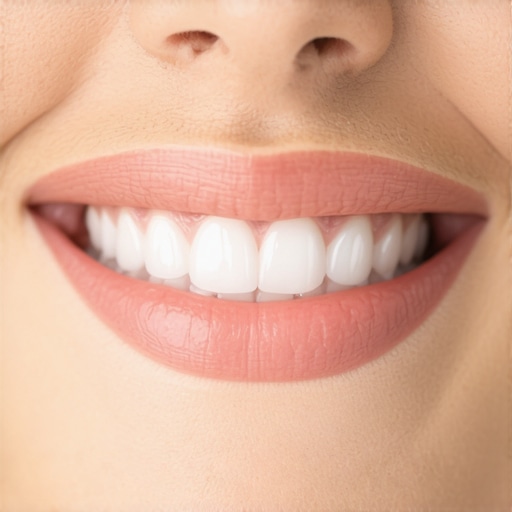
Visual representation of a digitally designed smile integrating orthodontic and restorative elements, highlighting alignment and shade harmony.
Quantifying Success Through Objective Aesthetic Metrics
Emerging tools utilizing 3D facial scanning and machine learning algorithms enable practitioners to quantify aesthetic improvements with statistical precision. These metrics assess parameters like smile line, buccal corridor, and midline symmetry, providing a data-driven foundation for treatment refinement. Such objective evaluation not only enhances clinical outcomes but also bolsters patient confidence through transparent progress tracking.
Innovative Methods to Blend Natural and Restored Tissues Seamlessly
In complex cases, combining advanced gingival management techniques with minimally invasive restorations creates a harmonious transition between natural tissues and prosthetic elements. Laser-assisted crown lengthening can optimize soft tissue contours, while custom-fabricated minimal-prep veneers ensure tissue preservation. Emphasizing biological width and periodontal health during design fosters stable, aesthetic results that endure over time.
How Do Material Choices Influence Aesthetic Compatibility in Diverse Biological Environments?
Selecting materials with optical properties that mimic natural dentin and enamel—such as feldspathic porcelain or multilayer zirconia—ensures translucency and color stability across varying oral conditions. Understanding the interaction of these materials with saliva, pH fluctuations, and light exposure guides clinicians toward restorations that remain aesthetically consistent long-term. Recent studies published in the Journal of Esthetic and Restorative Dentistry provide comprehensive analyses of material performance in diverse biological settings.
Stay ahead in the art and science of aesthetic dentistry by engaging with cutting-edge research, continuing education, and embracing innovative technologies that elevate patient care to a new echelon of excellence.
Expert Insights That Elevate Your Practice
Leverage Digital Technologies for Precision Outcomes
Integrating advanced digital smile design software enables clinicians to previsualize transformations comprehensively, minimizing surprises and aligning patient expectations with achievable results. This technology enhances communication, reduces planning errors, and streamlines multi-modal treatments, ensuring that aesthetic and functional goals are met harmoniously.
Prioritize Biological Compatibility in Material Selection
Choosing restorations and aesthetic materials that mimic natural tissues’ optical and mechanical properties is essential. The latest bioactive ceramics and nanocomposite resins promote tissue health and longevity of restorations, reducing complications such as staining, debonding, or soft tissue irritation, especially when combined with orthodontic adjustments or whitening protocols.
Customize Treatment Sequencing to Maximize Longevity
Strategic planning—starting from orthodontic alignment with Invisalign, proceeding to whitening, and concluding with veneers—prevents shade mismatches and preserves material integrity. Maintaining a patient-centered approach while considering biological responses and material interactions ensures durable, seamless results that stand the test of time.
Observe Material Science Advancements for Superior Results
Staying informed about innovations such as ultrathin translucency-enhanced zirconia and adhesive systems improves bonding strength and aesthetic harmony. Employing these cutting-edge options allows for conservative preparations without sacrificing durability, aligning with modern minimally invasive philosophies.
Engage with Specialized Resources for Cutting-Edge Knowledge
– American Academy of Cosmetic Dentistry: Offers the latest research, clinical guidelines, and case studies for advanced aesthetic procedures.
– International Journal of Esthetic Dentistry: Provides peer-reviewed articles on restorative materials, digital planning, and interdisciplinary strategies.
– Dental Materials Journal: Narrows down on innovations in biomaterials, adhesion technology, and long-term performance insights.
Reflections on the Art and Science of Smile Makeovers
Modern aesthetic dentistry mandates a harmonious blend of cutting-edge technology, biological understanding, and artistic vision. Embracing innovations in digital design and material science transforms the delivery of comprehensive smile enhancements, making exceptional, durable results accessible and predictable. Your role as a practitioner extends beyond techniques—becoming an architect of confidence and well-being for your patients.
Explore further how these insights can redefine your approach by engaging with leading publications and advanced courses—your next breakthrough awaits.

2 Comments