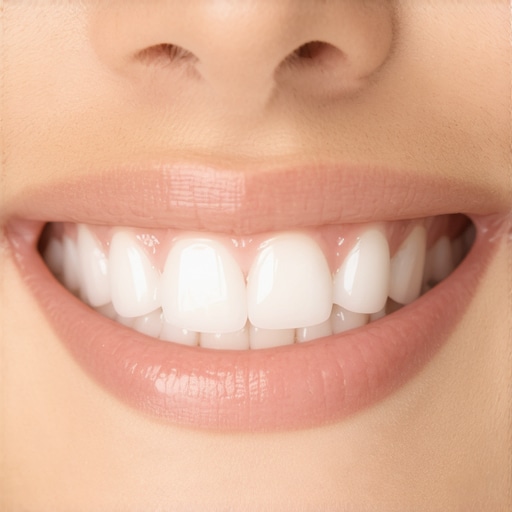
Precise Aesthetic Enhancement: The Intersection of Innovative Solutions and Patient Expectations
As we advance into 2026, the realm of cosmetic and family dentistry witnesses unprecedented strides. The integration of cutting-edge technologies such as Invisalign and innovative teeth whitening modalities exemplifies a paradigm shift. Expert practitioners now harness precise digital diagnostics and minimally invasive interventions to tailor treatments that meet nuanced aesthetic and functional demands, emphasizing durability, safety, and naturalness.
Understanding the Deep Dynamics of Enamel Preservation in Cosmetic Procedures
How can clinicians balance aggressive whitening with enamel integrity—particularly with the rising popularity of at-home strips?
Achieving radiant smiles without compromising enamel health remains a crucial challenge. Contemporary research highlights that overuse of over-the-counter whitening strips, despite their convenience, may lead to enamel erosion and heightened sensitivity (source). Specialists advocate for customized in-office treatments leveraging laser-assisted systems and custom-fitted whitening trays that optimize efficacy while protecting enamel integrity. This approach necessitates an understanding of individual acid resistance and mineralization status, demanding a sophisticated diagnostic process.
Facilitating Smile Harmonization Through Veneers and Invasive Alternatives
Modern veneer techniques harness durable porcelain layers that emulate the translucency of natural enamel, ensuring longevity and aesthetic harmony. Recent advances in CAD/CAM technology accelerate fabrication times, enabling clinicians to deliver predictable outcomes with minimal chairside visits. Strategic consideration of tissue compatibility and occlusal dynamics ensures that veneers do not merely camouflage imperfections but rather integrate seamlessly into the patient’s overall dental architecture. For cases where tooth structure preservation is critical, less invasive options like Invisalign-oriented aligners may serve as preliminary measures, creating optimal conditions for subsequent cosmetic interventions.
Bridging the Gap in Family Dental Care for Diverse Age Groups
Creating a comprehensive family dentistry plan in 2026 necessitates accommodating the unique biological and behavioral aspects of pediatric and geriatric patients. Incorporating tele-dentistry consultations and digital monitoring enhances preventive care adherence. Moreover, educating families about the importance of early orthodontic interventions and routine cosmetic assessments fosters a culture of proactive oral health management. This holistic approach not only elevates aesthetic standards but also strengthens trust between practitioners and families, leading to sustained oral health outcomes.
The Evolution of Conservative Smile Makeovers in the Context of Technological Convergence
Integrating multiple modalities—such as veneers, Invisalign, and whitening—has become the cornerstone of personalized smile design. Material science innovations have introduced ultra-thin, stain-resistant veneers that require less removal of natural tooth structure, aligning with principles of minimally invasive dentistry. Concurrently, digital smile simulations allow patients to visualize expected results, improving satisfaction and treatment adherence.
What nuances distinguish successful veneers application from transient cosmetic fixes, considering the latest advancements?
Success hinges on meticulous case selection, material choice, and adherence to biologic principles. Regular maintenance, coupled with lifestyle modifications restricting staining agents, prolongs aesthetic results. Understanding the long-term implications of material wear and the potential need for future touch-ups is vital. Hence, continuous professional development and a patient-centric approach are essential, with dedicated resources like Journals of Cosmetic Dentistry providing ongoing insights.
For practitioners eager to refine their expertise in these domains, exploring Invisalign innovations and smile makeover strategies can provide practical guidance. Engaging with peer-reviewed research and contributing insights fosters a collaborative environment that continually elevates patient care standards.
Crafting Harmonious Smiles with Advanced Cosmetic Solutions
As technological innovations continue to refine the field of dentistry, practitioners are now equipped to deliver unparalleled aesthetic outcomes. The fusion of digital design tools with precision fabrication enables highly personalized smile makeovers that align with each patient’s unique facial features and personality traits. Notably, virtual smile simulations facilitate patient engagement, ensuring treatment plans are both realistic and satisfying, ultimately elevating confidence and trust.
Preserving Enamel While Achieving Dazzling Results
One common misconception is that achieving a brighter smile inevitably leads to enamel compromise. However, emerging evidence suggests that carefully selected in-office bleaching combined with enamel-friendly protocols can preserve structural integrity. For example, employing low-concentration whitening agents with controlled durations minimizes sensitivity and enamel demineralization (source). Additionally, integrating remineralization agents post-treatment reinforces enamel resilience and long-term aesthetics.
How can clinicians optimize treatment protocols to balance rapid whitening with enamel conservation?
Optimizing protocols involves a comprehensive understanding of individual enamel susceptibility, dietary influences, and the timing of touch-up sessions. Incorporating remineralizing toothpastes and fluoride varnishes post-treatment can support enamel health. Moreover, patient education about maintaining oral hygiene and avoiding stain-causing foods ensures longevity of results and reduces retreatment frequency, aligning with best practices highlighted in authoritative studies (source).
Innovative Materials Redefining Smile Makeovers
The development of ultra-thin, translucent veneers fabricated from nanoceramic composites now offers an alternative to traditional porcelain, enabling conservative tooth reduction and natural appearance. These materials exhibit exceptional stain resistance and minimal wear, critical for the longevity of the smile transformation. When combined with digital workflows—like CAD/CAM and 3D printing—dentists can execute complex restorations with remarkable accuracy, reducing chair time and enhancing predictability.
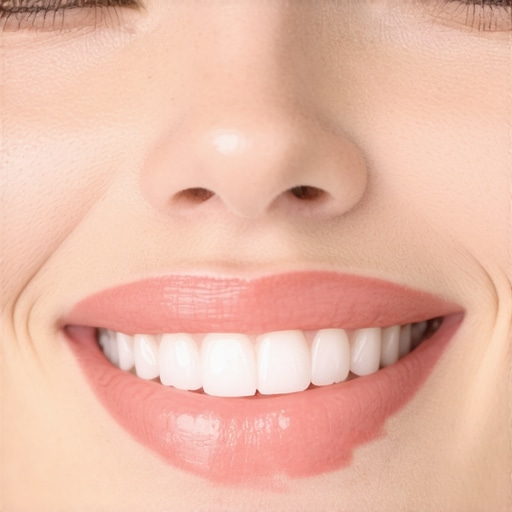
Aligners Beyond Straightening: Enhancing Aesthetics with Digital Precision
Invisalign and similar aligner systems have evolved beyond mere orthodontic correction. Today, they incorporate features like enamel contouring and minor additions that improve the overall smile arc and proportion. The integration of digital smile design with virtual staging allows patients to visualize potential enhancements, fostering informed decision-making and satisfaction.
What are the key considerations when combining orthodontics with cosmetic procedures to prevent compromises in aesthetics or function?
Successful integration requires a multidisciplinary approach, assessing occlusion, periodontal health, and tissue management. A comprehensive treatment plan entails sequencing procedures—addressing alignment first, followed by cosmetic adjustments—ensuring stability and harmony. Regular monitoring and patient compliance are critical, as neglecting these factors can lead to suboptimal outcomes, as emphasized in recent peer-reviewed research (source).
If you’re interested in expanding your expertise, exploring the latest innovations in smile design and minimally invasive materials can be transformative. Engaging with educational platforms or peer-reviewed journals will provide the insights needed to stay ahead in this competitive landscape.
Transform Your Approach: Navigating Multi-Dimensional Smile Makeovers
Successful complex smile transformations require a nuanced understanding of occlusion, soft tissue management, and patient psychology. Clinicians must cultivate a holistic approach that not only achieves aesthetic excellence but also ensures functional harmony and long-term stability. Integrating digital smile design with biomechanical analysis allows precise planning, anticipating potential setbacks and customizing interventions accordingly. Embracing this multifaceted methodology elevates clinician expertise and patient satisfaction alike.
Harnessing the Power of Digital Workflow for Seamless Integration
The evolution of CAD/CAM technologies and 3D imaging has revolutionized treatment planning. By utilizing intraoral scanners and virtual articulation, practitioners can simulate occlusal dynamics and aesthetic outcomes before initiating physical procedures. This ensures alignment between patient expectations and achievable results, minimizing costly adjustments. Moreover, digital workflows facilitate accurate fabrication of restorations, reducing chair time and enhancing predictability—hallmarks of modern cosmetic dentistry’s precision.
What strategies can clinicians employ to mitigate risks in minimally invasive veneers placement for high-stakes cases?
Meticulous case selection is paramount, involving thorough diagnostic analysis and patient education about realistic outcomes. Utilizing ultrathin veneer materials with advanced bonding protocols preserves maximal tooth structure while ensuring durability. Incorporating temporary restorations to evaluate aesthetics and function prior to final cementation allows adjustments based on patient feedback. Staying abreast of the latest adhesive technologies, as documented in recent peer-reviewed studies like those published in the Journal of Esthetic and Restorative Dentistry, ensures optimal clinical outcomes.
Additionally, continuous professional development through workshops specializing in minimally invasive techniques and digital design enhances procedural confidence and mastery. Engaging with research peers and industry leaders encourages innovation and refinement of your approach.
Minimally Invasive Solutions for Patients with Enamel Fragility
Addressing enamel fragility in aesthetic procedures demands tailored protocols that prioritize enamel preservation. Techniques include employing conservative preparations, utilizing adhesion-promoting materials, and incorporating remineralization agents during and after treatment. For instance, the use of bioactive glass composite resins can provide a dual benefit of aesthetic restoration and enamel reinforcement. Integrating digital diagnostics for precise measurements helps in planning conservative interventions that respect the natural tooth structure.
Emerging research emphasizes the importance of personalized remineralization strategies, especially for patients prone to erosion or hypersensitivity, as highlighted in latest findings published in the Journal of Dental Research. These insights guide clinicians in developing holistic management plans that extend beyond immediate aesthetic repair, ensuring durability and patient comfort over time.
Customizing Patient Communication to Foster Long-Term Engagement
Effective communication is vital for ensuring patient understanding and commitment, especially in complex cases. Utilizing visual aids like digital smile previews and 3D animations enables patients to grasp the scope and impact of proposed procedures. Educating patients on maintenance, lifestyle modifications, and the importance of follow-up appointments cultivates a proactive attitude toward oral health.
Incorporating motivational interviewing techniques can uncover patient preferences and concerns, facilitating tailored treatment options. This personalized engagement, supported by evidence from communication science research, boosts satisfaction and adherence, ultimately leading to more successful and enduring outcomes.
Stay Ahead: Embrace Continuous Learning and Collaborative Practice
As cosmetic dentistry advances rapidly, staying current with innovative materials, digital tools, and clinical techniques is essential. Participating in specialized courses, attending industry conferences, and contributing to professional forums foster a culture of lifelong learning. Collaborating with multidisciplinary teams—orthodontists, periodontists, prosthodontists—ensures comprehensive care that addresses all facets of complex cases.
By combining technical skill with strategic planning and patient-centered communication, clinicians can ascend to new heights of excellence. Dive deeper into the latest research, tools, and case studies to refine your mastery and deliver transformative smiles that truly stand the test of time.
Innovating Smile Aesthetics Through Personalized Digital Customization
As digital workflows become more sophisticated, the integration of artificial intelligence in smile design offers unprecedented personalization, enabling clinicians to craft smiles that authentically align with each patient’s facial anatomy and emotional expression. Utilizing advanced virtual simulations helps predict dynamic interactions such as speech and laughter, fostering a more holistic approach. These tools facilitate an iterative collaboration process, ensuring patient satisfaction and reducing unforeseen recalibrations.
Overcoming Enamel Vulnerabilities with Smart Material Technologies
Recent breakthroughs in bioactive restorative materials show promise in actively promoting remineralization while providing aesthetic restoration. Nanostructured composites infused with calcium phosphate or fluoroapatite ions mimic natural enamel’s microarchitecture, bolstering resistance against demineralization. Incorporating these materials into conservative veneer or bonding strategies is revolutionizing approaches for patients with inherent enamel fragility or erosion susceptibility.
How Can Advanced Diagnostic Tools Enable Micro-Invasive Procedures?
High-resolution 3D intraoral scanners combined with optical coherence tomography empower clinicians to detect demineralization or early carious lesions at the nanolevel, allowing interventions even before visible decay appears. This capability enables a shift from traditional invasive protocols to targeted, micro-invasive treatments that preserve maximum natural tissue. Implementing such diagnostics demands a nuanced understanding of tissue-bonding interfaces and skillful application of minimally abrasive techniques, representing a frontier for professionals committed to enzyme-free, low-impact care.
Reimagining Enchanting Smiles with Dynamic Soft Tissue Management
The aesthetic harmony of a smile hinges on not just teeth but also soft tissue balance. Innovations in laser-assisted crown lengthening and tissue sculpting allow for rapid, minimally traumatic adjustments that optimize gingival contours. These procedures create a more symmetrical, natural-looking smile line and improve the longevity of restorative work by properly establishing biologic width. Embracing these techniques requires mastering the delicate interplay between biology, tissue biomechanics, and patient-specific aesthetic goals.
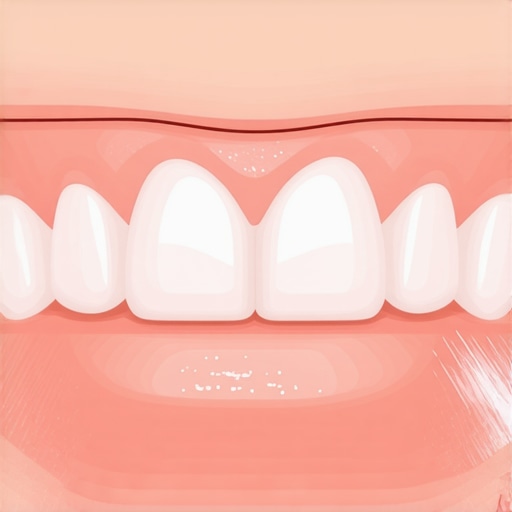
Synergizing Multiple Modalities with Multi-Layered Design Planning
Executing complex smile makeovers hinges on meticulous integration of veneers, orthodontic aligners, and soft tissue contouring. Multi-layered digital planning enables clinicians to visualize each phase and adjust parameters preoperatively. For instance, combining minimal-prep veneers with strategic orthodontics can produce harmonious, balanced outcomes that respect biological constraints while maximizing aesthetic impact. This layered approach demands an in-depth grasp of material science, biomechanics, and facial aesthetics to avoid pitfalls such as over-contouring or tissue impingement.
How to Leverage Emerging Technologies for Future-Proof Restorations?
Adopting blockchain-enabled treatment records and cloud-based simulation platforms ensures transparency, traceability, and ongoing refinement of restorative outcomes. These tools facilitate remote consultations, predictive analytics, and real-time adjustments, enabling adaptive modifications aligned with evolving patient needs or biological changes. An investment in continuous education on digital integration and cross-disciplinary collaboration becomes essential for practitioners aspiring to remain at the forefront of innovation.
Elevating Patient Engagement Through Augmented Reality Impression Techniques
Augmented reality (AR) applications in dentistry now allow patients to virtually preview prospective smile enhancements with striking realism, fostering informed consent and enthusiasm. Utilizing AR impression systems also streamlines workflows by capturing precise data while enhancing patient understanding. Developing proficiency with such cutting-edge tools demands an understanding of both digital imaging algorithms and the psychological impact of immersive visualization, positioning practitioners as leaders in patient-centered care.
What’s Next for Material Science in Minimally Invasive Dentistry?
The horizon includes smart composites capable of responding to oral environment changes—such as pH fluctuations—by releasing therapeutic agents like fluoride or antimicrobial substances. These materials support ongoing tissue health and prevent secondary decay, extending the lifespan of restorations. Such innovations require clinicians to adapt protocols that utilize these responsive materials effectively, integrating them seamlessly into minimally invasive workflows to achieve durable, natural-looking results.
Expert Insights That Shape Tomorrow’s Smile Design
Prioritize Long-Term Enamel Health Through Innovative Protocols
Implementing minimally invasive techniques and utilizing bioactive materials not only enhances aesthetic outcomes but also preserves the natural tooth structure, ensuring durability and patient satisfaction. Staying abreast of emerging research paves the way for protocols that marry beauty with biological integrity.
Leverage Digital Technologies to Personalize Restorations
From intraoral scanners to AI-driven smile simulations, harnessing digital tools allows clinicians to craft highly individualized plans. This precision translates into restorations that harmonize seamlessly with facial features, reducing chair time and enhancing predictability.
Integrate Soft Tissue Management for Harmonious Aesthetics
Achieving a balanced and natural smile involves meticulous soft tissue contouring. Laser-induced techniques and strategic tissue sculpting ensure optimal gingival architecture, elevating the overall aesthetic result and patient confidence.
Balance Orthodontics and Restorative Procedures for Complete Transformations
Combining aligners like Invisalign with veneer and whitening strategies creates synergy, maximizing both functional stability and visual appeal. An interdisciplinary approach fosters comprehensive smile makeovers that stand the test of time.
Embrace Continuous Education to Stay at the Forefront
Engaging with peer-reviewed journals, advanced courses, and industry conferences keeps practitioners equipped with the latest insights and techniques, fostering a culture of excellence and innovation in cosmetic dentistry.
Trusted Resources Harnessed by Leading Experts
- Journal of Esthetic and Restorative Dentistry: A premier journal offering high-impact research and clinical innovations vital for evidence-based practice.
- Academy of Cosmetic Dentistry (ACD): Provides comprehensive professional development, case studies, and consensus on best practices.
- DentalXP and Spear Education: Online platforms that deliver expert-led courses on digital workflows, biomaterials, and complex case planning.
- Materials Science Reviews: Keeps clinicians informed about breakthroughs in bioactive and nanostructured restorative materials.
- American Academy of Esthetic Dentistry (AAED): A network fostering collaboration and knowledge exchange among top-tier esthetic dentists.
The Pinnacle of Precision and Personalization
In the rapidly evolving landscape of advanced cosmetic dentistry, integrating innovative protocols, cutting-edge technologies, and ongoing professional growth is paramount. As we refine our approaches, the potential to transform smiles goes beyond mere aesthetics—it embodies long-term oral health, function, and patient trust. Embrace these insights, explore reputable resources, and lead your practice into a future where excellence is standard. Engage with us to share your insights, ask questions, or discover how to elevate your mastery in this specialized field. Your journey toward mastery starts here.
Leave a Reply