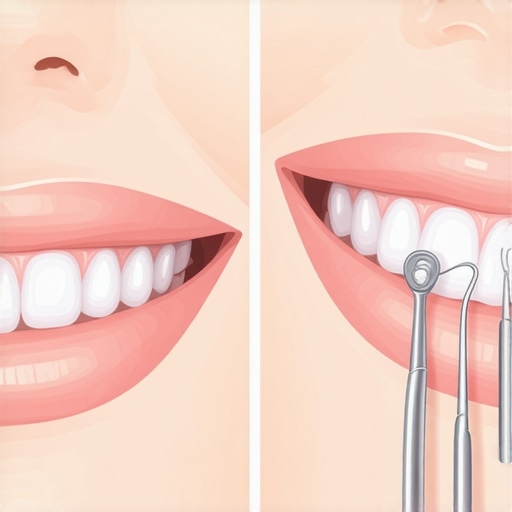
Reconsidering Smile Enhancement: The Strategic Role of Veneers and Bonding in Modern Dentistry
In the rapidly evolving landscape of cosmetic dentistry, clinicians and patients alike grapple with complex choices that balance aesthetic outcomes, longevity, and cost-effectiveness. As we approach 2026, understanding the nuanced differences between veneers and bonding is essential for making informed decisions rooted in current technological advancements and evidence-based practices. This exploration synthesizes expert insights and latest research to clarify these options beyond superficial comparisons.
From Material Science to Clinical Precision: Decoding the Cost Dynamics of Veneers and Bonding
Historically, the cost differential between porcelain veneers and direct composite bonding has hinged on material quality, laboratory involvement, and chairside time. Veneers usually command a higher initial expense—often 2-3 times that of bonding—due to their fabrication complexity and material costs, as detailed in recent industry reports (see here). However, emerging CAD/CAM technologies and digital workflows are gradually mitigating these disparities, allowing for faster, more affordable veneer production without sacrificing quality.
The Battle of Longevity Versus Adaptability: Navigating Practical Outcomes
While veneers offer superior resistance to staining and wear, their application is inherently invasive, often requiring enamel removal, which raises questions about reversibility and tooth vitality. Conversely, bonding—a minimally invasive, reversible technique—serves well for small corrections but may necessitate maintenance or replacement every 5-8 years, impacting cumulative cost over time. The choice becomes a strategic consideration, especially when factoring in patients’ ongoing oral health management, including [family dentistry procedures](https://smilegumcare.com/family-dentistry-tips-creating-a-healthy-smile-for-your-kids-at-0915).
Technology-Driven Transformations Redefining Material Efficacy and Cost
Recent advances, such as high-strength composite resins and layered ceramic materials, have expanded the functional and aesthetic capabilities of bonding and veneers. Notably, innovations depicted in latest Invisalign enhancements exemplify how digital innovations aid in precise, less invasive restorations, potentially reducing the need for complex veneer procedures.
What Are the Latest Cost-Effectiveness Strategies for Comparing Veneers and Bonding in 2026?
Expert forums reveal that integrating predictive analytics and patient-specific modeling can optimize treatment plans, balancing upfront costs against long-term value. For instance, strategic use of bonding as a temporary or semi-permanent solution might serve as a cost-efficient approach while assessing longevity expectations. Simultaneously, technological advancements are enabling practitioners to customize restorations with unprecedented precision, ultimately impacting cost and durability—an area ripe for further research.
For those eager to master the intricacies of smile design, exploring comprehensive cosmetic dentistry strategies is recommended. Sharing field experiences and insights can significantly influence patient outcomes and procedural cost management in this dynamic domain.
As the boundary between traditional restorative techniques and cutting-edge digital solutions blurs, continuous education and technological adoption become vital. For more detailed insights, consider consulting authoritative sources such as the Journal of the American Dental Association, which regularly publishes research on material science and cost assessments in modern dentistry.
Leveraging Digital Diagnostics for Personalized Smile Makeovers
Advancements in digital diagnostics, including 3D imaging and predictive modeling, have revolutionized how clinicians evaluate the suitability of veneers versus bonding for individual patients. These technologies enable practitioners to simulate outcomes, assess enamel thickness, and project long-term durability, facilitating more precise, customized treatment plans. As these tools become more integrated into everyday practice, they significantly enhance decision-making efficiency, aligning aesthetic goals with functional longevity and cost considerations.
Can Combining Veneers and Bonding Maximize Both Cost and Aesthetic Goals?
Emerging evidence suggests that hybrid approaches—employing veneers for critical aesthetic zones and bonding for less visible areas—can optimize resources, reduce overall costs, and maintain natural appearance. This stratified method not only preserves tooth structure but also offers flexibility in managing patient expectations and long-term maintenance schedules. Integrating these techniques necessitates a nuanced understanding of material compatibility and procedural sequencing, underscoring the need for comprehensive training and ongoing education in the latest materials and technologies.
How Might Future Material Innovations Further Reduce Costs While Enhancing Durability?
Research into nanocomposite resins and bioactive ceramics indicates a future where dental materials could replicate natural tooth properties more closely, offering enhanced wear resistance and stain resistance at lower costs. These innovations potentially diminish the need for frequent replacements and reduce chairside time, making high-quality restorations more accessible. Staying abreast of these developments through authoritative sources like the Journal of the American Dental Association can empower clinicians to adopt cutting-edge solutions that benefit both practice economics and patient satisfaction.
If you’re passionate about integrating digital technology and innovative materials into your restorative procedures, consider exploring specialized seminars and workshops that focus on 2026 breakthroughs in cosmetic and restorative dentistry. Sharing your experiences and insights with colleagues fosters a collaborative environment that accelerates overall treatment excellence and cost efficiency.
Revolutionizing Material Selection: The Bright Future of Hybrid Restorations
As digital dentistry propels forward, the fusion of veneering and bonding techniques opens doors to multifaceted treatment plans that are both economically viable and aesthetically superior. By harnessing layered composites and ultra-fine ceramics, clinicians can tailor restorations to specific patient needs, balancing durability with minimally invasive approaches. This nuanced customization minimizes material waste and reduces chair time, translating into tangible cost savings. The ongoing evolution in nanotechnology further enhances the precision of these materials, enabling practitioners to achieve seamless integration with natural dentition while keeping expenditure in check.
Could Artificial Intelligence Transform Cost Predictions in Cosmetic Dentistry?
One tantalizing frontier involves integrating AI-driven predictive analytics into treatment planning. These systems analyze vast datasets—incorporating patient-specific variables such as occlusal forces, age, and oral habits—to forecast restoration longevity and maintenance costs with remarkable accuracy. This insight empowers dentists to preemptively adjust strategies, perhaps opting for less invasive bonding in cases where veneers might incur higher long-term expenses due to increased fracture risks. Recent studies, like those published in the Journal of Dental Research, validate the potential of AI to refine economic models and optimize resource allocation, thereby fostering more sustainable practices.
**Image prompt:** High-tech dental lab showcasing AI-assisted design software creating custom veneer and bonding restorations, emphasizing technological integration in modern dentistry.
Balancing Invasiveness and Preservation: The Art of Strategic Enamel Conservation
In the quest to maximize cost-effectiveness without compromising quality, the concept of minimally invasive dentistry gains prominence. Precise enamel analysis steered by 3D imaging allows clinicians to determine the minimal thickness of restorative materials required. This data-driven approach not only reduces material costs but also preserves more natural tissue, aiding in reversibility and future treatment options. For example, selective use of ultrathin veneers combined with supportive bonding can yield durable results that mimic natural translucency, all while conserving tooth vitality and minimizing post-operative adjustments. Moreover, adopting layered, monolithic ceramic systems has been shown to cut material wastage and streamline insertion procedures, further enhancing economic efficiency.
Why Choosing the Right Material Matters More Than Ever in 2026
Material science breakthroughs have shifted the paradigm from one-size-fits-all to highly individualized restorative solutions. High-impact, stain-resistant composites, infused with bioactive elements like calcium phosphate, combine cost efficiency with biological compatibility, actively promoting remineralization. Such materials, supported by evidence from authoritative sources like the Journal of the American Dental Association, underscore the importance of selecting composites that adapt to patient-specific demands—be it aesthetic longevity or structural resilience. Staying updated on these innovations allows clinicians to deliver restorations that stand the test of time without inflating costs, ultimately enhancing patient satisfaction and loyalty.
Are Digital Workflow Innovations Making Custom Restorations More Accessible Than Ever?
Indeed, advances such as chairside milling, intraoral scanners, and virtual treatment simulations are democratizing access to high-quality, personalized restorations. Customization no longer necessitates prolonged lab work or sky-high fees; instead, digital batching significantly reduces turnaround times and material wastage. This technological shift minimizes overhead costs, enabling practices to offer more competitive pricing while maintaining profit margins. Furthermore, the ability to visualize outcomes pre-operatively assists in setting clear patient expectations, reducing the risk of costly revisions or dissatisfaction, which are common hidden expenses in cosmetic procedures.
For practitioners eager to capitalize on these trends, engaging in continuous education focused on digital workflow integration remains essential. Participating in seminars hosted by leading dental technology firms or collaborating with digital labs can forge pathways to more innovative, cost-efficient treatment strategies that benefit both practices and patients alike, especially in the rapidly shifting landscape of 2026 and beyond.
Pioneering Material Enhancement Techniques Elevating Restorative Outcomes
Recent developments in nanotechnology and bioactive materials have revolutionized the landscape of restorative dentistry, allowing clinicians to achieve unparalleled aesthetic and functional results. The integration of nanocomposites not only enhances durability but also reduces material wastage, thereby diminishing overall costs. Incorporating bioactive ceramics facilitates remineralization, extending the lifespan of both veneers and bonded restorations while maintaining cost-effectiveness. An understanding of these sophisticated materials enables practitioners to craft personalized solutions that balance longevity with economic viability.
Advanced Digital Tools Revolutionizing Cost Prediction and Customization
In the quest for precision and efficiency, digital diagnostics such as intraoral scanners and AI-powered predictive models have become invaluable. These tools facilitate detailed enamel analysis and simulate long-term wear, empowering clinicians to preemptively address potential failures and optimize material choices. By leveraging such technology, practitioners can tailor treatment plans to individual patient profiles, minimizing unnecessary procedures and associated expenses. Furthermore, digital workflows streamline fabrication processes, drastically reducing chairside time and laboratory costs—factors that significantly impact the overall financial aspect of restorative treatments.
How Do Cutting-Edge Digital Technologies Influence Cost-Effectiveness in Modern Restorative Dentistry?
Expert analyses suggest that integrating digital solutions like virtual treatment planning, layered design software, and machine learning algorithms enhances both predictability and resource management. These innovations allow clinicians to evaluate multiple scenarios rapidly, identifying the most cost-efficient approach without compromising quality. The adoption of such technologies not only shortens treatment timelines but also mitigates risks of remakes or adjustments, leading to substantial long-term savings. To stay competitive and deliver high-value care, embracing these tools is becoming an essential strategy for advanced dental practices.
To deepen your expertise in this dynamic field, consult authoritative sources such as the Journal of the American Dental Association, which publishes peer-reviewed research on emerging materials and digital innovations shaping practice economics.
Harnessing Material Optimization to Minimize Expenses and Maximize Durability
Strategic selection and application of innovative materials like layered composites and glass ceramics are critical in achieving cost savings. Utilizing ultrathin, high-strength ceramics allows for minimal tooth reduction while delivering superior aesthetics, reducing both material costs and invasive procedures. Furthermore, employing layered restorative techniques enhances resistance to chipping and staining, prolonging restoration lifespan and decreasing replacement frequency. These approaches exemplify how a nuanced understanding of material science directly translates into economic benefits for both clinician and patient.
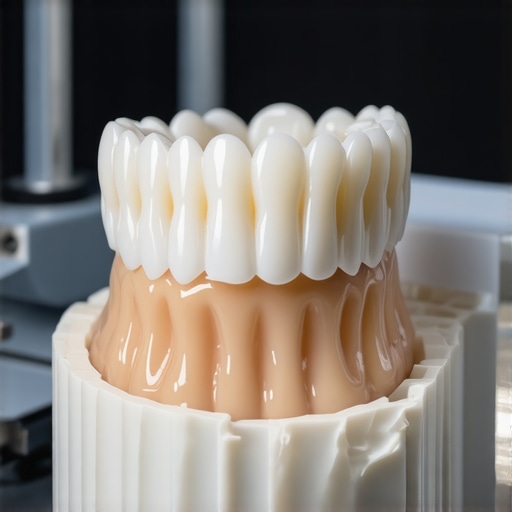
**Image prompt:** High-resolution digital representation of layered ceramic and composite restorations demonstrating material efficiency and aesthetic integration in modern dentistry.
Strategic Enamel Preservation as a Cost-Effective Practice
One of the most impactful methods to reduce restorative expenses involves conservative enamel removal, achieved through meticulous planning with digital imaging. Techniques such as ultrathin porcelain veneers and minimally invasive bonding preserve natural tooth structure, which not only enhances aesthetic outcomes but also eliminates the need for extensive preparatory work. This conservation approach translates into lower material and labor costs, while maintaining reversibility for future treatments—a vital consideration in long-term dental health management.
Personalizing Restorations to Enhance Value and Minimize Waste
Customized restorations that precisely match individual patient anatomy and occlusion minimize adjustments and remakes, leading to cost reductions. Incorporating CAD/CAM technologies enables high-precision fabrication, ensuring optimal fit and function from the outset. Moreover, selecting materials that mirror natural tissue properties reduces the need for supplementary procedures, thereby cutting overall expenses. Emphasizing personalization and accuracy supports a value-driven approach to aesthetic dentistry that benefits all stakeholders.
Can Emerging Nanotechnologies Redefine Cost-Effective Longevity in Restorations?
Innovations at the nanoscale, such as bioinspired nanostructured composites, promise enhanced wear resistance and stain resistance at reduced costs. These materials can mimic the natural hierarchy of enamel and dentin, leading to longer-lasting restorations that require fewer replacements. As research progresses, adopting such nanotechnologies could drastically alter cost paradigms, making durable, high-quality restorations more accessible to diverse patient populations. Staying informed via peer-reviewed journals like the Journal of the American Dental Association ensures practitioners remain at the forefront of these transformative breakthroughs.
Expert Insights & Advanced Considerations
Prioritize Minimally Invasive Techniques
Emphasizing enamel preservation through digital planning and ultrathin materials enhances both longevity and patient satisfaction, making conservative approaches the gold standard in modern veneer and bonding procedures.
Leverage Digital Technology for Precision
Utilizing intraoral scanners, 3D imaging, and predictive analytics ensures bespoke restorations, reducing chairside adjustments and minimizing costly remakes, thereby optimizing cost-efficiency.
Integrate Hybrid Restorations for Flexibility
A strategic combination of veneers and bonding can adapt to varying aesthetic and functional demands, balancing durability with invasiveness and long-term expense.
Stay Abreast of Material Innovations
Nanocomposites, bioactive ceramics, and layered ceramics are reshaping material resilience and aesthetics—staying Updated on these developments enables clinicians to maximize result quality without inflating costs.
Adopt AI and Machine Learning for Cost Prediction
Emerging AI tools analyze patient-specific data to forecast restoration durability and maintenance needs, supporting informed decisions that align with both clinical and economic objectives.
Curated Expert Resources
- American Dental Association Journals: A premier source for peer-reviewed evidence on material sciences and cost-benefit analyses.
- Dental Digital Innovation Conferences: Platforms showcasing the latest in digital workflows, predictive analytics, and material advancements.
- Industry Whitepapers on Nanotechnology in Dentistry: In-depth explorations of cutting-edge nanomaterials promising durability and cost savings.
- Specialized Seminars on Hybrid Restorations: Focused training on combining veneers and bonding for versatile, cost-effective smile makeovers.
Final Expert Perspective
In an era where aesthetic excellence meets economic prudence, the mastery of veneers and bonding strategies is crucial for delivering sustainable smile enhancements. Leveraging technology, embracing innovation, and maintaining a commitment to minimally invasive principles allow professionals to elevate patient care while managing costs effectively. For practitioners dedicated to staying at the forefront of this rapidly evolving field, engaging with authoritative sources and peer networks is indispensable. You’re encouraged to share your insights or inquire further—meaningful collaboration drives ongoing progress in advanced cosmetic dentistry.
Leave a Reply