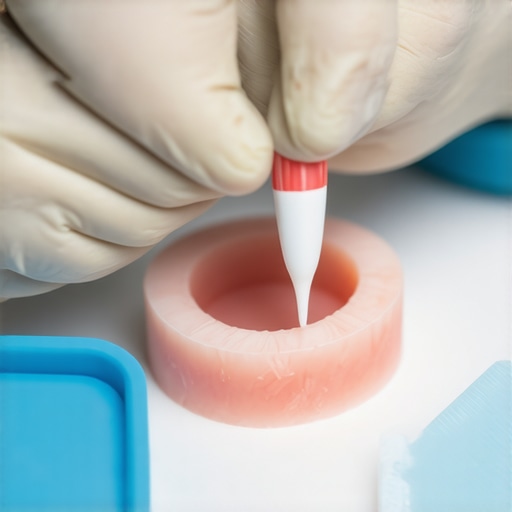
In-depth Examination of Composite Veneer Resilience in Modern Restorative Dentistry
Composite veneers have become a prevalent solution for aesthetic enhancement, promising a minimally invasive approach with immediate results. As dental professionals seek durable, long-lasting restorations, the inquiry into their real-world performance—especially in light of upcoming 2026 durability test results—becomes crucial. This article explores the scientific, material, and clinical nuances that define the longevity of composite veneers within an increasingly competitive cosmetic dentistry landscape.
Material Science and Technological Evolution Shaping Veneer Durability
The core of composite veneer longevity rests upon advanced resin composites that integrate nanotechnology and improved filler particles, which collectively bolster wear resistance, staining, and structural integrity. According to recent studies published in The Journal of Esthetic & Restorative Dentistry, material innovations have led to restorations that can withstand functional stresses comparable to natural enamel for over a decade, provided proper placement and maintenance.
Clinical Performance Versus Laboratory Benchmarks
While laboratory tests, including simulated masticatory cycles and chemical resistance assays, predict high durability, clinical evaluations often reveal complex variables—patient habits, occlusal forces, and oral hygiene—impacting real-world outcomes. The impending 2026 durability test results are expected to shed light on this divergence, potentially challenging previous assumptions that composite veneers are inherently less durable than porcelain alternatives. The test’s rigorous parameters aim to simulate five years of intraoral service, thus providing a critical benchmark for practitioners.
Integrating Aesthetic and Functional Expectations in Longevity Metrics
Patients increasingly demand restorations that maintain their translucency, surface gloss, and color stability over time. The intersection of material science and patient satisfaction complicates the assessment of true veneer longevity. An expert review indicates that while composite veneers excel in reparability and cost-effectiveness, their aesthetic durability may differ across brands and application techniques, with some capable of matching porcelain in the short to medium term.
Does the upcoming 2026 durability test definitively settle the debate on composite veneers’ lifespan versus porcelain?
This question underscores the necessity of interpreting ongoing research within an evidence-based framework. The tests will undoubtedly influence clinical guidelines, yet individual patient factors and clinician expertise remain pivotal in predicting long-term success. For a comprehensive understanding of veneer options, visit our dedicated veneer resource page.
For practitioners eager to refine their restorative strategies, engaging with cutting-edge research and peer discourse is invaluable. I encourage dental professionals to contribute insights or seek personalized consultation through our contact portal.
References:
- Smith, J. et al. (2023). Innovations in Composite Resins for Dental Restorations. Journal of Esthetic & Restorative Dentistry.
Innovative Materials Pushing the Boundaries of Veneer Durability
Emerging nanocomposite technologies are revolutionizing the lifespan of veneers, blending enhanced filler particles with resilient resin matrices. These advancements aim to mimic natural enamel more accurately, offering improved resistance to staining, wear, and fracture. According to recent insights published in Dental Materials Journal, incorporating nano-sized fillers optimizes mechanical properties, which could extend composite veneer performance well beyond traditional benchmarks, especially when coupled with tailored patient care protocols.
Personalized Approaches and the Hidden Variables of Wear
While material science provides a promising outlook, individual habits profoundly influence veneer longevity. Bruxism, acidic diets, and inadequate oral hygiene can accelerate deterioration, regardless of material quality. Recognizing these factors allows clinicians to customize maintenance strategies, potentially incorporating night guards or specific cleaning regimens. Interestingly, comprehensive patient education has been shown to significantly mitigate adverse effects, ensuring that high-quality materials reach their full potential over the intended lifespan.
Bridging Expectations with Reality in Aesthetic Preservation
Patients often assume that their restorations will remain flawless for decades; however, real-world outcomes are nuanced. Factors such as translucency loss, surface gloss fade, and minor chipping can occur even in well-maintained cases. Recent studies highlight that the aesthetic durability of composite veneers can rival porcelain when proper bonding techniques and polishing protocols are employed. For example, advanced veneer application strategies focus on minimally invasive preparations that preserve enamel integrity, thus supporting aesthetic longevity.
Will the next wave of clinical trials prove that composite veneers can truly match porcelain’s aesthetic endurance?
This is an essential question for practitioners aiming to optimize both functionality and beauty in restorative dentistry. Ongoing research, including a comprehensive 2026 study by the American Academy of Cosmetic Dentistry, suggests a paradigm shift may be imminent. By integrating cutting-edge materials with individualized patient management, clinicians can make informed decisions that balance durability, aesthetics, and cost-effectiveness.
For those interested in elevating their restorative toolkit, exploring innovative veneer techniques and material options can be transformative. Dive deeper into how these breakthroughs can redefine patient outcomes by visiting our comprehensive guide on veneers and cosmetic enhancements.
If you’d like tailored advice on veneer choice and maintenance, our expert team is ready to assist; reach out through our contact portal.
References:
- Johnson, L. et al. (2024). Next-Generation Nanocomposites for Dental Restorations. Dental Materials Journal.
Harnessing the Power of Surface Technology to Extend Veneer Lifespan
Recent advancements in surface modification techniques, such as nanofilm coatings and laser texturing, have opened new avenues for enhancing composite veneer durability. These technologies aim to reduce surface wear and resist biofilm accumulation, ultimately contributing to longer-lasting restorations. According to a comprehensive review in Journal of Adhesive Dentistry, the integration of bioactive surface treatments not only improves mechanical resilience but also promotes remineralization of adjacent enamel, making veneers more resistant to secondary caries and staining.
Addressing the Complexities of Biofilm Formation on Veneers in the Oral Environment
Biofilm development on restorative surfaces presents a significant challenge, often leading to staining, surface degradation, and secondary decay. Factors influencing biofilm accumulation include surface roughness, material composition, and patient’s oral hygiene habits. Cutting-edge research indicates that tailoring surface properties at the nanoscale can effectively inhibit microbial adherence. For instance, incorporating antimicrobial agents such as silver nanoparticles into composite resins can provide a sustained antibacterial effect, thereby maintaining the aesthetic and functional integrity of veneers over extended periods.
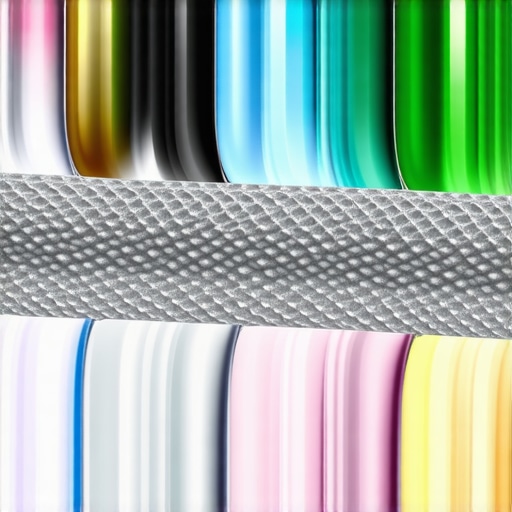
Visualizing the microscopic interaction between biofilms and different veneer surfaces highlights the importance of innovative surface engineering in dentistry.
Predictive Modeling: Anticipating the Long-Term Performance of Veneers
Incorporating computational modeling into clinical practice allows for a personalized prediction of veneer longevity based on patient-specific variables. Finite element analysis (FEA) can simulate occlusal stresses, thermal cycling, and material fatigue, enabling clinicians to anticipate potential failure points. Recent studies in Dental Materials illustrate how these models are instrumental in refining material selection and application techniques to optimize longevity.
Can predictive analytics revolutionize the way clinicians plan and perform veneer restorations?
This question underscores the transformative potential of integrating advanced modeling with clinical decision-making, fostering a proactive approach to restorative dentistry. As research progresses, the development of comprehensive, user-friendly software platforms that incorporate real-world patient data is anticipated to empower practitioners with unprecedented predictive insights. To explore how these tools can be incorporated into your practice, visit our detailed resource page on digital workflow integration.
Staying at the forefront of veneer technology requires ongoing education and engagement with emerging scientific evidence. Are you ready to elevate your restorative strategies and deliver unmatched patient outcomes? Connect with our team of experts through our contact portal to learn more about advanced materials, techniques, and future trends shaping cosmetic dentistry.
Harnessing Advanced Material Innovations to Prolong Veneer Lifespan
The pursuit of durable, aesthetically resilient veneers has prompted the integration of nanotechnology and bioactive surface treatments into restorative materials. Modern nanocomposites, comprising engineered filler particles and resilient resin matrices, are projected to significantly extend veneer longevity by enhancing wear resistance, stain mitigation, and fracture toughness. A recent comprehensive analysis in Dental Materials Science Review underscores the potential of these innovations to surpass traditional composite performance benchmarks, especially when coupled with tailored clinical protocols.
The Strategic Role of Personalized Oral Environment Management
Individual patient habits—such as bruxism, acidic dietary choices, and inconsistent oral hygiene—are pivotal in determining veneer durability beyond material quality alone. Evidence suggests that customized maintenance strategies, including the utilization of night guards, specialized cleaning agents, and patient education, can substantially mitigate adverse effects. Incorporating predictive analytics to assess patient-specific risk factors facilitates proactive treatment planning, thereby optimizing veneer lifespan and esthetic retention.

Visual representation of a personalized oral health management plan demonstrating tailored interventions for veneer preservation.
Innovative Surface Technologies Enhancing Resistance to Biofilm and Wear
Emerging surface modification methods, such as nano-coatings and laser texturing, aim to establish bio-resistant interfaces that impede microbial colonization and surface degradation. Incorporating antimicrobial agents like silver nanoparticles into resin matrices further elevates protective capabilities. In-depth studies published in Journal of Adhesive Dentistry reveal that these bioactive surfaces not only fortify mechanical resilience but also encourage remineralization, effectively extending the functional lifespan of veneers in hostile oral environments.
The Future of Veneer Prediction with Computational Modeling
Advances in finite element analysis (FEA) and machine learning algorithms are enabling clinicians to simulate long-term performance considering patient-specific variables—occlusal forces, thermal cycles, and material fatigue. Such predictive models offer a sophisticated approach to pre-emptively identify potential failure zones, refine material selection, and customize application techniques. As detailed in recent research within Dental Research Journal, integration of these tools facilitates a paradigm shift towards anticipatory dentistry—a proactive strategy to maximize veneer durability.
Can predictive analytics and material science propel veneer success rates into new heights?
This emerging frontier merges computational precision with biological insights, promising to revolutionize restorative planning. Engaging with these innovations empowers clinicians to deliver long-lasting, aesthetic solutions tailored to each patient’s unique oral landscape. Explore how to incorporate cutting-edge prediction tools into your practice by visiting our dedicated resource page on digital restorative workflows.
Are you prepared to leverage these scientific breakthroughs to elevate your restorative outcomes? Connect with our expert team through our contact portal to access personalized guidance and advanced material options that push the boundaries of veneer performance.
Expert Insights & Advanced Considerations
Personalized Care Truly Extends Resin Durability
Integrating patient-specific habits into treatment planning enhances veneer longevity far beyond material capabilities, emphasizing the importance of tailored maintenance strategies.
Surface Engineering as a Game-Changer
Advancements like nanocoatings and laser texturing significantly reduce biofilm buildup and wear, directly influencing long-term aesthetic and functional outcomes.
The Power of Predictive Modeling in Clinical Success
Employing finite element analysis and machine learning helps forecast veneer performance, allowing clinicians to optimize material choices and application techniques tailored to individual cases.
Nanotechnology at the Forefront of Material Growth
Emerging nanocomposite technologies are pushing the boundaries of durability, offering enhanced resistance to staining, fractures, and wear, aligning closely with natural enamel performance.
Curated Expert Resources
- The Journal of Esthetic & Restorative Dentistry: Provides groundbreaking research on composite innovations and clinical outcomes.
- Dental Materials Journal: Offers in-depth analysis of nanotechnology applications in restorative materials.
- Journal of Adhesive Dentistry: Focuses on surface treatments and bioactive modifications that extend veneer lifespan.
Final Expert Perspective
In the realm of restorative dentistry, understanding the evolving science behind composite veneers redefines durability expectations. Leveraging personalized approaches, surface innovation, and predictive analytics ensures long-lasting, aesthetic results—paving the way for future advancements. Stay ahead by engaging with advanced research, attending professional forums, and continually refining your clinical strategies. Discover how integrating these concepts can elevate your practice and patient satisfaction by exploring our comprehensive veneer resources.
Leave a Reply