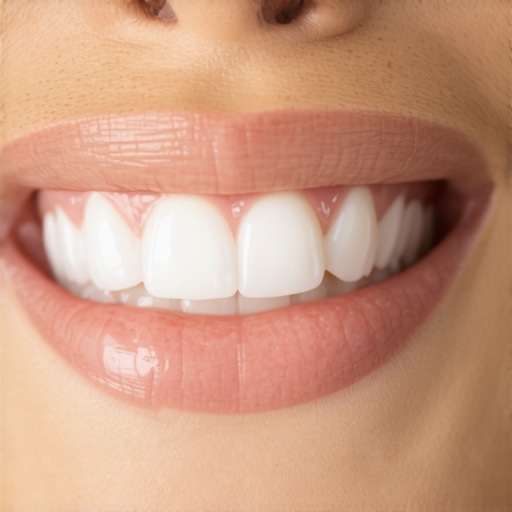
Deconstructing the Myth: How Veneers Mimic Natural Tooth Anatomy for Authentic Results
In the realm of cosmetic dentistry, achieving a seamless blend between veneers and natural dentition hinges on meticulous shade matching, precise fabrication, and a nuanced understanding of light interaction with different materials. Modern veneer technology leverages high-resolution digital imaging and shade mapping, enabling clinicians to tailor restorations that mirror individuals’ unique enamel translucency and color. As practice evolves, the integration of CAD/CAM systems with ceramic layering techniques has substantially mitigated the risk of an artificial appearance, elevating patient satisfaction and trust in aesthetic outcomes.
Evaluating the Limitations of Traditional Shading Methods in 2026
Historically, the skepticism surrounding veneers’ authenticity stemmed from rudimentary shade guides and subjective assessment. Despite advances, some practitioners relied heavily on visual matching, which could lead to discordant outcomes, especially in cases where ambient lighting and patient-specific factors skew perception. Recent studies, such as those published in the Journal of Esthetic & Restorative Dentistry, underline the importance of spectrophotometric analysis combined with clinician expertise to fine-tune shade selection, ensuring the restoration’s harmony with the patient’s surrounding tissues.
The Role of Material Science and Innovative Shading Tactics in Perception Management
Emerging ceramic compositions incorporate optical properties like opalescence and diffuse translucency, closely mimicking natural enamel. Strategically layering these materials, guided by sophisticated shading algorithms, allows for a gradation effect that emulates the enamel-dentin complex. Additionally, surface texture and light refraction are manipulated to prevent the telltale glossiness that betrays a prosthetic veneer, a phenomenon often cited by aesthetic-focused patients and scrutinized in professional forums. This converges with recent studies indicating that the optical complexity of layered ceramics best approximates real teeth, thereby reducing the perception of fakery.
Can Advanced Digital Imaging Guarantee Spotless Natural Aesthetics?
While digital tools like intraoral scanners and shade-matching software have nuanced the process, they are not infallible. Factors such as operator proficiency, ambient lighting, and patient-specific variables—like enamel thickness and underlying pigmentation—still influence final results. Experts advocate a hybrid approach: utilizing digital assessments complemented by traditional, tactile validation. Continuous training and calibration are vital to maintain consistency, especially as patients become increasingly discerning about authenticity and natural feeling in their restorations.
The Significance of Patient-Centered Consultation in Veneer Design
Transparent communication about aesthetic expectations, potential limitations, and material properties fosters realistic perceptions. Experienced clinicians emphasize the importance of viewing case studies, such as those shared in professional publications, to clarify the achievable outcomes and set correct anticipations. Customizing veneers to align with facial proportions, lip dynamics, and individual preferences not only enhances the illusion of natural dentition but also reinforces patient confidence in the obsolescence of ‘fake’ veneer appearances.
What are the top technical adjustments to prevent veneers from appearing unnatural as innovations in shading and materials evolve?
Staying at the forefront of veneer fabrication requires integrating cutting-edge material science, leveraging digital shade-matching precision, and ensuring comprehensive patient communication. Contributions from leading dental research, such as the American Academy of Cosmetic Dentistry, highlight ongoing developments like multi-layered ceramics and AI-assisted shade selection, which collectively diminish the artificial appearance. To explore these innovations further, consult the latest articles like top smile makeover tips for veneers.
Achieving undetectable veneers remains a nuanced craft, where scientific precision meets artistic mastery. For practitioners eager to refine their techniques, continuous professional development and collaborative case review are imperative to push beyond conventional boundaries and ensure natural results.
Synergy Between Material Innovation and Artistic Precision
Recent breakthroughs in ceramic compositions, such as translucent lithium disilicate and multilayered zirconia, empower clinicians to craft veneers that seamlessly replicate the complex optical properties of natural enamel. These materials allow for more nuanced shading and layering, facilitating a tailored approach that respects individual variations in translucency and color. Combining these advancements with artistic craftsmanship—adjusting veneer thickness, translucency gradients, and surface texture—enables practitioners to forge restorations indistinguishable from real teeth, fostering patient confidence and social comfort. According to a comprehensive review in the Journal of Esthetic Dental Practice, such technological integration significantly enhances the predictability of natural aesthetics in veneer therapy.
Questioning the Limits of Light Reflection and Absorption
How can understanding the interplay of light within layered ceramic structures help clinicians prevent the dreaded ‘‘fake’’ look that sometimes plagues veneer cases? Mastering the physics behind light transmission, reflection, and absorption is essential. Subtle shading to include deflective properties like opalescence and diffuse translucency creates depth, mimicking natural enamel’s microstructure. Recent innovations such as AI-driven shade mapping and spectrophotometry further refine this process, ensuring the final restoration interacts with light as a genuine tooth would. For clinicians seeking to deepen their knowledge, resources like invisalign technology in 2025 provide insights into how digital tools impact aesthetic outcomes beyond orthodontics.
Are you leveraging the latest in digital diagnostics to perfect veneer aesthetics?
Incorporating digital smile design platforms, intraoral scanners, and shade-matching software improves communication with patients and enhances clinical accuracy. These tools allow for detailed visualization of expected outcomes, facilitating informed consent and alignment of expectations. Moreover, their use assists in customizing veneers that complement facial features, lip line, and lip dynamics, which are critical for convincing results. To stay abreast of emerging equipment and techniques, consider exploring new professional developments detailed in top cosmetic tips for veneers in 2024.
Harnessing Light Dynamics to Elevate Veneer Authenticity
Understanding the intricate play of light within layered ceramic systems is paramount for achieving a truly natural veneer appearance. As researchers delve deeper into the optical properties of modern materials, clinicians are empowered to manipulate translucency, opacity, and surface texture to emulate the microstructural complexity of natural enamel. For instance, leveraging diffuse light scattering through specific ceramic layering can mitigate the so-called ‘plastic look,’ instead fostering depth and vitality. This scientific approach, complemented by artistic judgment, ensures restorations interact with ambient lighting just as real teeth do—an aspect critical for patient satisfaction and social confidence.
Can strategic light management surpass traditional shading techniques in concealment of imperfections?
Indeed, by employing advanced light optimization strategies—such as selective layering of translucency gradients and surface treatments—practitioners can conceal minor imperfections, discolorations, or underlying restorations that might otherwise compromise aesthetic harmony. Studies in the Journal of Dental Research highlight that employing micro-structured enamel-mimicking layers results in a more forgiving aesthetic, reducing the visibility of residual imperfections. To explore these techniques further, engaging with peer-reviewed resources and specialized training allows clinicians to refine their mastery over complex optical behaviors in veneer fabrication.
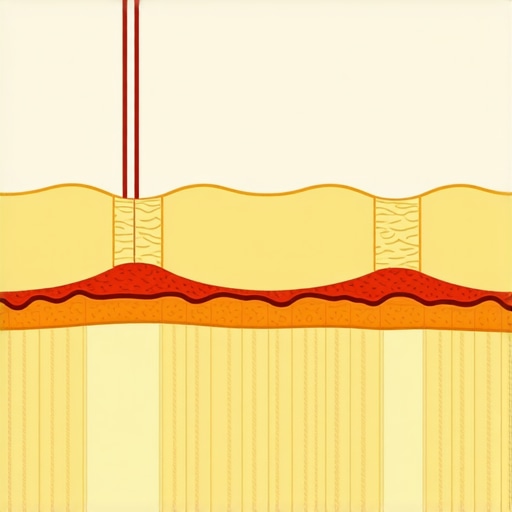
**Image Prompt:** Cross-sectional diagram showcasing layered ceramic veneer with detailed light interaction annotations.
Image Alt: Layered ceramic veneer demonstrating light reflection and transmission properties.
Image Title: Light Dynamics in Ceramic Veneer Layering
Harnessing the Full Spectrum of Light for Masterful Veneer Integration
The interaction of light with dental restorations extends beyond simple translucency, encompassing complex phenomena such as subsurface scattering and angular-dependent reflectance. Recent advancements in optical engineering, borrowed from biomedical imaging, facilitate the design of multi-layered ceramic systems that manipulate light to emulate the depth and vitality inherent in natural enamel. By mastering these principles, clinicians can craft veneers that not only match color but also respond to ambient lighting dynamically, creating an irreplicable sense of authenticity in various environments.
Can High-Precision Digital Technologies Revolutionize Shade Harmony?
Emerging digital solutions—like multi-spectral spectrophotometers integrated with artificial intelligence—are transforming shade matching from an art into a science. These technologies analyze enamel translucency gradients and underlying dentin hue with unprecedented accuracy, enabling the fabrication of restorations that seamlessly blend without the need for iterative manual adjustments. A comprehensive review by the Journal of Prosthetic Dentistry emphasizes that such systems reduce subjective variability, elevating predictability in achieving the ideal esthetic outcome.
Why Material Microstructure Holds the Key to Authenticity
The microarchitecture of ceramic veneers influences light propagation profoundly. Innovations in nano-engineered ceramics provide tightly controlled pore sizes and crystal orientations, optimizing translucency and opalescence. These modifications ensure that light interacts with the material similar to natural enamel’s micro-porous structure, thereby diminishing the telltale signs of prosthetic intervention. Integrating these materials into layered fabrication, guided by digital shade mapping, facilitates natural depth and movement in the final restoration—elements critical for discerning observers and the patient alike.
How can clinicians leverage nanotechnology to enhance veneer mimicry?
By incorporating nano-structured ceramics with tailored optical properties, practitioners can fine-tune translucency and surface gloss to meet patient-specific expectations. Such materials respond more favorably to subtle light cues, making veneers virtually indistinguishable from real teeth. Staying updated through specialized seminars and peer-reviewed literature, such as the latest in the Dental Materials journal, ensures that dental professionals remain at the forefront of these transformative innovations.
Elevating Aesthetic Outcomes Through Multi-Disciplinary Collaboration
Integrating insights from optical physics, materials science, and artistic dental craftsmanship allows for holistic solutions that surpass conventional approaches. For instance, interdisciplinary teams working in digital smile design and advanced prosthetic layering develop veneers with optimized light behavior tailored to facial features and individual aesthetic desires. This synergy not only enhances the natural look but also expedites the clinical process, reducing chair time and enhancing patient satisfaction.
Are Your Techniques Compatible with the Latest in Optical Simulation?
Incorporating virtual reality-based simulation tools and finite element analysis can predict how veneers will interact with environmental light sources—whether daylight or artificial illumination. These predictive models guide material selection and layering strategies, ensuring that the final restorations uphold their aesthetic integrity across different settings. Professionals seeking to upscale their practice should explore cutting-edge software solutions, such as those reviewed comprehensively in the Journal of Esthetic Dentistry, for integrating optical behavior into the planning phase.
Expert Insights & Advanced Considerations
Tailoring Light Manipulation Techniques
Utilizing layered ceramics with precise translucency gradients allows clinicians to emulate the natural microstructure of enamel, making veneers virtually indistinguishable from real teeth and enhancing patient satisfaction.
Integrating Digital Innovation with Artistic Vision
The fusion of advanced digital shade-matching tools with hands-on artistic craftsmanship streamlines the process of creating restorations that respond dynamically to ambient lighting and facial features, resulting in superior aesthetic harmony.
Prioritizing Material Microstructure Optimization
Nano-engineered ceramics and micro-structured layers contribute significantly to light interaction, reducing the telltale signs of fabrication and promoting a seamless integration with natural dentition.
Shaping a Collaborative Approach to Aesthetic Excellence
Interdisciplinary teams combining optics, materials science, and artistry foster innovations that push beyond traditional boundaries, setting new standards for natural-looking veneer outcomes.
Anticipating Future Aesthetic Advancements
Emerging AI-driven shade algorithms, nanotechnology, and virtual reality simulation tools will further refine the precision of veneer fabrication, closing the gap between prosthetic and natural aesthetics.
Curated Expert Resources
- Journal of Esthetic & Restorative Dentistry – Cutting-edge research on optical properties and layering techniques to achieve authentic aesthetics.
- American Academy of Cosmetic Dentistry Publications – Guidelines and case studies on integrating new materials and digital tools into clinical practice.
- Digital Smile Design Platforms – Innovative software that aids in visualizing, planning, and customizing restorations to meet individual facial characteristics.
- Nanotechnology in Dentistry Journals – Latest developments in nano-engineered ceramics enhancing translucency and natural light response.
- Professional Workshops and Congresses – Hands-on training sessions focusing on multilayered layering techniques and light management strategies.
Final Expert Perspective
In the evolving landscape of family dentistry and smile aesthetics, mastering light manipulation within layered ceramic systems stands as a cornerstone of achieving natural veneers. Embracing material innovations and digital integration allows clinicians to craft restorations that both transcend traditional limitations and elevate patient confidence. To remain at the forefront, engaging with peer-reviewed research and specialized training is essential—urging professionals to push beyond conventional boundaries and refine their craft continually. For those committed to excellence, exploring resources such as Veneers Made Simple can serve as a gateway to elevating your aesthetic dentistry practice.


2 Comments