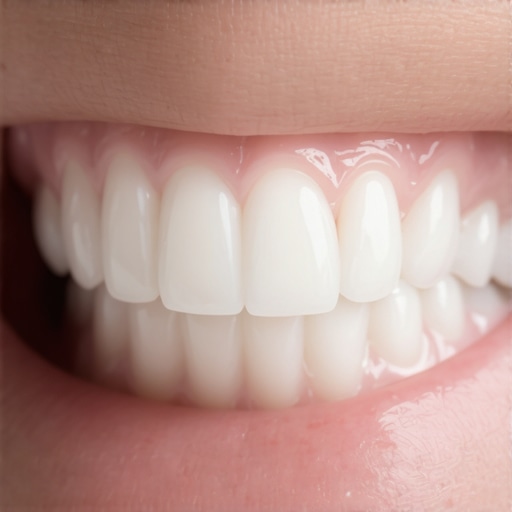
The Evolving Landscape of Cosmetic and Restorative Dentistry in 2026
In the rapidly advancing realm of dental aesthetics, professionals now confront a complex intersection of innovative materials, digital workflows, and patient-specific considerations. The convergence of Invisalign, family dentistry, veneers, and teeth whitening highlights a paradigm shift rooted in technological integration and personalized treatment strategies. Analyzing this evolution offers clinicians a blueprint for optimizing outcomes while maintaining long-term oral health.
Harnessing Digital Transformation for Predictive Smile Design
Digital smile planning and 3D imaging have revolutionized the way practitioners approach comprehensive cases involving veneers and orthodontics with Invisalign. These tools facilitate precision in treatment planning, enabling clinicians to simulate aesthetic outcomes and anticipate potential challenges such as enamel preservation or gum health impact. Embracing this technology not only enhances patient communication but also mitigates risks associated with over- or under-treatment.
The Art and Science of Material Selection: Achieving Natural Aesthetics
In 2026, the choice of veneer materials, whether porcelain or composite, is driven by a nuanced understanding of biomechanical properties and aesthetic longevity. Advances in nano-ceramic composites and ceramic layering techniques have expanded possibilities for achieving translucency and translucence, closely mimicking natural dentition. This progress underscores the importance of clinicians being well-versed in material science to align treatment with patient expectations and functional demands.
Integrating Orthodontics and Restorative Procedures for Optimal Outcomes
The synergy between Invisalign and veneers is a testament to personalized dentistry. When harmonizing orthodontic movement with cosmetic enhancements, practitioners must consider the impact on enamel integrity and periodontal support. Strategic sequencing—aligning teeth prior to veneer placement—reduces the risk of future complications and enhances overall smile harmony, especially in cases involving complex malocclusions or occlusal adjustments.
Addressing Enamel Preservation and the Risks of Over-Whitening
Teeth whitening remains a cornerstone of aesthetic dentistry but requires a nuanced approach to prevent unintended enamel damage. Overly aggressive bleaching protocols not only jeopardize enamel microstructure but may also compromise veneer adhesion longevity. Emerging experimental treatments such as diode laser-assisted whitening, validated by academic research like the study published in the Journal of Dental Research, indicate that controlled light-activated procedures can optimize results while safeguarding enamel integrity.
How can practitioners ensure that the combination of veneers, whitening, and orthodontics maintains enamel health over the long term?
Integrating fluoride-reinforced bonding agents, advising patients on post-treatment oral hygiene, and scheduling regular monitoring are vital. Furthermore, leveraging biomimetic remineralization techniques, as discussed in recent scientific literature, can bolster enamel resilience against abrasive or chemical insults.
For those eager to elevate their clinical expertise, exploring advanced topics such as how AI-driven diagnostics influence treatment planning can be enlightening. Visit our Invisalign advancements page to stay ahead of these transformative trends.
Maintaining Smile Perfection: The Role of Lifestyle and Habit Management
Achieving a stunning, durable smile transcends procedural excellence; it demands consistent lifestyle choices that support oral health. Dental professionals now emphasize educating patients on habits such as avoiding staining foods and beverages, limiting tobacco use, and minimizing acidic intake—factors that could undermine cosmetic outcomes. Incorporating personalized dietary advice, aligned with recent research on staining agents, ensures that the longevity of smile enhancements remains a priority, reinforcing the importance of holistic care.
Innovative Bonding Agents and Sealants for Enamel Preservation
Advancements in adhesive dentistry have led to the development of bio-compatible, fluoride-releasing bonding agents that provide extra protection against demineralization—a crucial factor in maintaining aesthetic restorations. Utilizing these materials during veneer cementation or whitening protocols can reduce enamel wear and enhance resistance to acid attacks. Such innovations exemplify how science-driven material selection directly influences the durability of cosmetic results and overall oral health integrity.
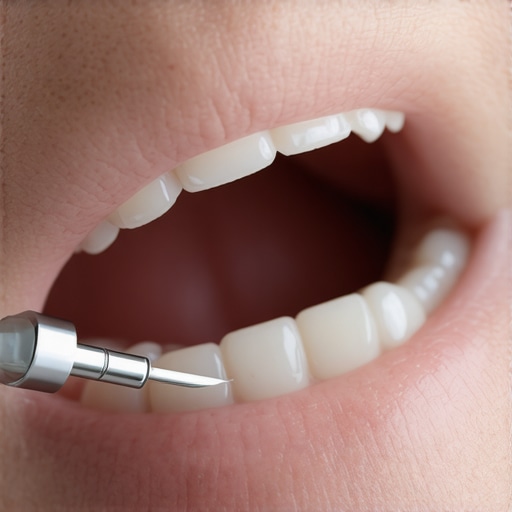
What are the latest evidence-based techniques that ensure the durability of veneers and whitening results amidst daily functional forces?
Experts recommend combining biomimetic remineralization protocols with patient-specific fluoride regimens, along with regular reinforcement of proper oral hygiene. Recent clinical guidelines advocate for integrating minimally invasive sealing strategies to protect restored enamel, thereby extending restorative longevity while safeguarding natural tissue. For comprehensive insights, refer to the authoritative review published in the Journal of Esthetic and Restorative Dentistry.
If you’re aiming to refine your expertise in veneer longevity and whitening durability, exploring cutting-edge digital tools that simulate long-term outcomes can be transformative. Discover more about innovative diagnostic technologies on our Invisalign advancements page and stay at the forefront of aesthetic dentistry.
,
Harnessing Biomimetic Strategies for Long-Term Enamel Integrity
Recent developments in biomimetic dentistry have opened avenues for protecting and restoring enamel with treatments that emulate the natural mineralization processes. These strategies involve the application of nanoscale peptides and bioactive materials designed to promote remineralization, effectively repairing microscopic fissures and micro-defects caused by etching, abrasion, or external acids. Incorporating these techniques into everyday clinical practice can significantly extend the lifespan of veneers, whitening results, and orthodontic restorations, ensuring aesthetic longevity without compromising enamel health.
The Science Behind Advanced Sealants and Their Role in Preventive Aesthetic Care
Modern sealants transcend traditional resin-based barriers by integrating fluoride and silane molecules, creating a chemically active interface that continuously releases remineralizing ions. When strategically applied to enamel surfaces post-bleaching or veneer cementation, these bioactive sealants act as a defensive layer against cariogenic bacteria and acid attacks. This dual function—protection and reinforcement—serves as a cornerstone of minimally invasive aesthetic dentistry, enabling clinicians to preserve natural tissue while delivering durable, beautiful outcomes.
How Do Emerging Light-Activated Technologies Impact Enamel Preservation?
The advent of laser-assisted and LED-based light therapies in whitening and curing procedures presents a paradigm shift in enamel management. These technologies allow for controlled activation of bleaching agents, reducing the risk of thermal and oxidative damage that traditionally plagued aggressive whitening protocols. For example, diode lasers can facilitate in-office whitening with lower peroxide concentrations, thereby limiting demineralization. Additionally, light-enhanced bonding resins exhibit improved penetration and adhesion, leading to more resilient restorations that withstand functional stresses over time.
Can tailored remineralization protocols adapt to individual patient biochemistry for optimal enamel health?
Absolutely. Personalized remineralization regimens, guided by salivary diagnostics and mineral ion profiling, can identify specific deficiencies or susceptibilities. By customizing fluoride concentrations, the inclusion of casein phosphopeptide-amorphous calcium phosphate (CPP-ACP), or other remineralizing agents, practitioners can create targeted treatment plans that bolster enamel resilience against daily chemical and mechanical insults. Ongoing research in this field underscores the potential of integrating point-of-care diagnostic tools with evidence-based remineralization strategies to foster proactive enamel preservation.
To deepen your understanding of these cutting-edge methodologies, exploring the latest clinical trials published in the Journal of Dental Materials and Biomaterials can offer invaluable insights into their efficacy and integration into routine practice. By leveraging these innovations, clinicians can not only refine aesthetic outcomes but also elevate the standard of patient care through science-backed, minimally invasive techniques.
Revolutionizing Smile Makeovers with Protocols That Last a Decade
In the rapidly evolving realm of aesthetic dentistry, practitioners are adopting multi-modal protocols that combine minimally invasive veneers, advanced bleaching techniques, and digital planning to achieve durable results exceeding ten years. Employing ultrathin porcelain veneers with optimized adhesive systems, integrated with biomimetic remineralization, ensures the preservation of natural enamel while delivering stunning, long-lasting smiles. The incorporation of long-term maintenance schedules rooted in scientific evidence amplifies the longevity of aesthetic outcomes substantially.
How Digital Innovations Are Redefining Customization in Smile Design
State-of-the-art digital workflows now enable clinicians to craft hyper-personalized treatments that consider individual biochemistry, occlusal dynamics, and facial harmony. Utilizing artificial intelligence-driven predictive models and 3D virtual simulations facilitates a preoperative visualization that surpasses traditional planning methods, reducing uncertainties and tailoring interventions precisely. This technological leap ensures that complex cases involving combined orthodontic and restorative therapies yield predictable and enduring results, aligning with patient expectations.
What are the cutting-edge tools that allow for precise virtual planning and their impact on clinical success?
Platforms that integrate cone-beam computed tomography (CBCT), 3D facial scanning, and customized digital smile design softwares empower practitioners to simulate various treatment outcomes with exceptional accuracy. These tools allow for meticulous planning of veneer contouring, shade matching, and occlusal adjustments, significantly decreasing the margin for error. Furthermore, leveraging these systems facilitates interdisciplinary collaboration, promoting cohesive treatment strategies that optimize aesthetic harmony and functional stability in the long term. An authoritative review by the American Academy of Cosmetic Dentistry underscores the importance of such technologies in elevating clinical standards.Read more here.
Advanced Material Science Unlocks Natural-Looking Restoration Freedom
Progress in nano-engineered ceramics and composite resins now offers clinicians the ability to fabricate restorations that seamlessly mimic natural translucency and vitality. Employing multi-layered porcelain layering techniques combined with digital shade matching results in restorations indistinguishable from adjacent teeth. Simultaneously, bioactive materials that promote remineralization have become integral to veneer and bonding procedures, actively protecting remaining enamel and shifting the paradigm towards preventive aesthetic dentistry.
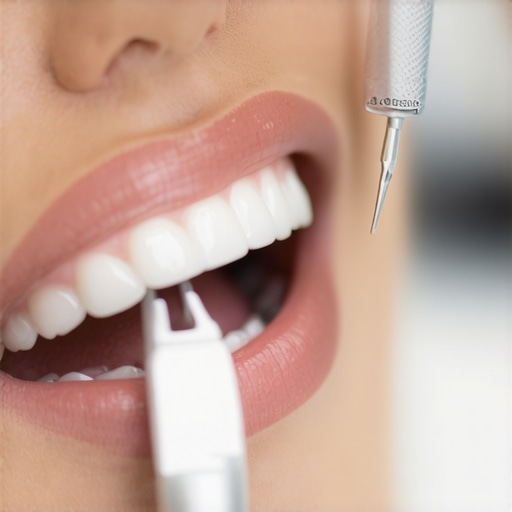
How can bioactive materials and nano-ceramics be combined to create restorations that are both durable and biologically harmonious?
Integration of bioactive glass components with nano-ceramic matrices enhances remineralization potential while providing superior mechanical properties. This synergy facilitates restorations capable of withstanding masticatory forces over decades, while also curbing demineralization around margins. Incorporating these materials into customized CAD/CAM workflows allows for precise fabrication of restorations that function and look like natural dentition, aligning with contemporary bio-mimetic principles.
Clinical success hinges on a comprehensive understanding of these cutting-edge materials—staying abreast of the latest evidence published in esteemed journals such as the Journal of Esthetic Restorative Dentistry—and their meticulous application in practice. Elevate your skills by exploring tutorials on integrating bioactive ceramics into your restorative protocols and refine your mastery in crafting resilient, natural-looking smiles.
Expert Insights and Advanced Considerations
Precision is the New Standard
The integration of digital technologies like AI-driven diagnostics and virtual planning tools has elevated treatment accuracy, reducing misalignments and optimizing aesthetic harmony. Clinicians should leverage these advancements to craft individualized treatment plans that anticipate future needs and potential complications.
Material Science as a Catalyst for Natural Outcomes
Emerging nano-ceramic composites and bioactive materials are transforming veneer and restoration fabrication, allowing for restorations that not only mimic natural translucency but also promote remineralization, thus ensuring long-term oral health alongside aesthetic excellence.
Holistic Strategies Enhance Longevity
Combining lifestyle counseling, such as dietary modifications and habit management, with clinical interventions creates a synergistic effect that preserves enhancements and sustains oral health over decades. Emphasizing patient education remains paramount for durable results.
Minimally Invasive Techniques Lead the Way
Utilizing ultrathin veneers, bioactive sealants, and non-destructive whitening protocols aligns with bio-mimetic principles, enabling preservation of natural tissue while achieving stunning results. Continual innovation in these areas keeps practitioners at the forefront of aesthetic dentistry.
Curated Expert Resources
- American Academy of Cosmetic Dentistry (AACD) – Offers comprehensive research and consensus guidelines on digital smile design, material science, and minimally invasive procedures, serving as a cornerstone for evidence-based practice.
- Journal of Esthetic and Restorative Dentistry – Publishes cutting-edge studies on bioactive materials, biomimetic strategies, and new adhesive technologies that inform clinical decision-making.
- Dental Materials and Biomaterials Journal – A vital resource for clinicians seeking in-depth reviews of nano-engineering progress and bioactive component integration in restorations.
Final Perspective from the Experts
In the evolving landscape of cosmetic dentistry, embracing innovative technologies, advanced materials, and a holistic approach is essential for achieving results that stand the test of time. Long-term success hinges on a commitment to continuous education and responsible application of science-driven methods. To deepen your expertise, consider exploring specialists’ insights on how AI diagnostics are shaping treatment planning or stay updated through dedicated professional resources. Your dedication to mastery not only elevates patient care but also sets new benchmarks in aesthetic excellence. For ongoing learning, visit our Invisalign advancements page and explore the latest in digital orthodontic innovations.


2 Comments