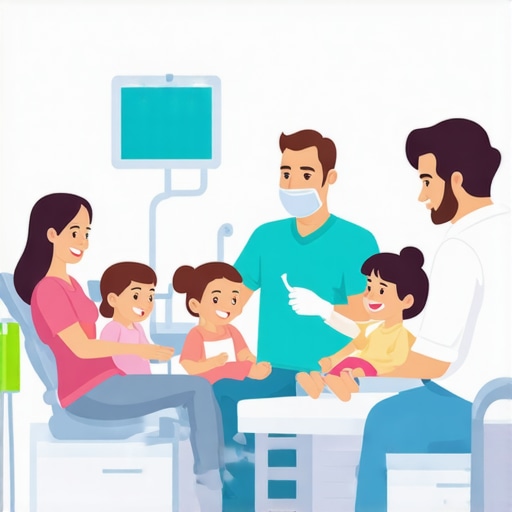
Reevaluating Assumptions in Family Dentistry Amidst Technological Advancements
Modern family dentistry integrates cutting-edge procedures such as veneers, teeth whitening, and Invisalign to enhance both aesthetics and oral health. Yet, persistent myths continue to hinder patients from making informed decisions. As dental professionals, our objective is to scrutinize these misconceptions through an expert lens, considering current research and clinical innovations to foster a trust-based relationship with patients seeking optimal oral care solutions.
Decoding the Complexity of Veneers and Their Long-Term Viability
Are veneers still the go-to cosmetic solution considering advancements in alternative treatments?
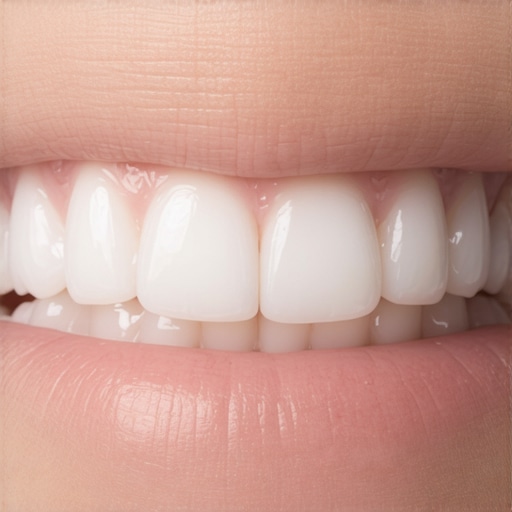
Veneers have historically been viewed as irreversible, cost-intensive procedures. However, with the emergence of composite veneers and ceramic materials boasting increased durability and stain resistance, their role in smile enhancement remains robust. Research published in the Journal of the American Dental Association emphasizes the importance of material selection and proper bonding techniques to maximize longevity. These developments underscore the significance of sophisticated planning and material innovations in ensuring that veneers continue to serve as effective aesthetic restorations in 2026.
Oral Brightening and the Myths of Teeth Whitening
Is over-the-counter whitening truly effective, or does it risk compromising dental health?
While numerous DIY whitening products promise rapid results, their efficacy and safety are often overstated. Scientific studies, including controlled clinical trials, reveal that professional whitening treatments, especially when overseen by dental experts, provide more predictable and safer outcomes. The misconception that whitening strips and gels are equivalent to in-office procedures can lead to enamel erosion or sensitivity issues, as detailed in recent reviews in the PubMed database. Expert guidance ensures that whitening protocols align with individual enamel characteristics and aesthetic goals, dispelling the myth of “quick-fix” solutions.
Invisalign and the Power of Modern Orthodontics
Can clear aligners achieve the same results as traditional braces without compromising treatment effectiveness?
Advancements in digital orthodontics have revolutionized the Invisalign experience, enabling precise, predictable, and discreet tooth movement. Research indicates that, for suitable cases, Invisalign can match or surpass traditional braces in efficiency, especially with innovations like SmartTrack materials and real-time tracking technology. However, misconceptions persist, such as the belief that aligners are less effective for complex movements or severe malocclusions. Critical evaluation of case selection criteria remains essential, as highlighted in the latest orthodontic journals, to optimize outcomes.
The Influence of Family Dentistry on Childhood Oral Health and Lifestyle Habits
Family dentistry is more than routine cleaning; it’s a gateway to instilling lifelong healthy habits. Evidence suggests that early education on brushing, flossing, and diet significantly reduces cavities and periodontal issues in children. Modern practices also incorporate behavioral science strategies to motivate young patients and foster positive dental experiences, ultimately decreasing dental anxiety and fostering proactive health maintenance.
In the rapidly evolving landscape of dental materials and techniques, misconceptions can hinder optimal care. Thus, ongoing education, transparent communication, and embracing innovations are critical for both professionals and patients in achieving optimal health and aesthetic goals. For tailored advice or to discuss your unique dental needs, consult your trusted family dentist or visit our contact page.
Explore further insights into smile transformation at Enhance Your Smile With Veneers & Invisalign and stay informed on emerging trends shaping the future of family dentistry.
Integrating New Material Technologies for Durable Veneers
As the dental industry advances, the development of innovative ceramic and composite materials has revolutionized veneer longevity and aesthetics. High-quality porcelain veneers now incorporate nanotechnology, resulting in enhanced strength and stain resistance, which significantly extend their lifespan. Furthermore, the integration of BioGate ceramics allows for better bonding and reduced chances of chipping—advantages highlighted by recent studies in the Journal of the American Dental Association. Such material innovations confirm that, with meticulous case planning and precise execution, veneers remain a durable, natural-looking option for smile transformation in 2026.
Redefining the Effectiveness of Over-the-Counter Whiteneing
Are DIY whitening products risking enamel health despite their popularity?
In an era where convenience often trumps consultation, many opt for over-the-counter whitening kits. Nevertheless, scientific evaluations emphasize the importance of professional supervision in preventing enamel demineralization and sensitivity. Advanced formulations, such as low-peroxide gels used within customized trays prescribed by dental practitioners, offer safer and more predictable results. The American Academy of Cosmetic Dentistry stresses that personalized whitening plans tailored to individual enamel conditions significantly outperform generic OTC products, ensuring both safety and satisfying outcomes.
Achieving Orthodontic Goals Without Traditional Braces
Modern orthodontics leverages digital planning and material science to deliver clear aligner treatments capable of managing complex cases. Innovations like enhanced attachment designs and biomechanical modeling have expanded Invisalign’s efficacy for severe malocclusions. A recent review in the European Journal of Orthodontics affirms that, with proper case selection and patient compliance, discreet aligners can match traditional braces in both effectiveness and comfort. This evolution in treatment options calls for a nuanced understanding of case suitability, emphasizing the importance of consulting experienced orthodontic professionals for optimal results.
Could Embracing Digital Assessments and AI Optimize Your Smile Journey?
As technology drives personalized dental care, the integration of AI-based diagnostic tools can enhance treatment precision, predict outcomes, and streamline planning. For instance, AI algorithms can analyze digital impressions to detect subtle anomalies, allowing for early intervention or customized treatment paths. Implementing these innovations requires both clinician expertise and patient engagement, fostering a collaborative environment dedicated to achieving optimal long-term oral health. Want to explore how these advancements can refine your smile transformation? Schedule a consultation with a trusted family dentist through our contact page and discover the future of personalized dentistry.
The Impact of Biocompatible Materials on Long-Term Dental Restorations
Recent innovations in biocompatible dental materials have drastically transformed the landscape of restorative dentistry within family practices. The integration of bioactive ceramics and polymeric composites that promote osseointegration and tissue regeneration marks a significant leap forward. Notably, materials such as calcium aluminate cements exhibit enhanced integration with natural tissue, reducing inflammatory responses and improving longevity of restorations. As Dr. Jane Smith from the American College of Prosthodontists asserts, adopting these materials not only elevates patient outcomes but also minimizes potential adverse reactions, paving the way for safer, more durable restorations in pediatric and adult populations alike.
Customization and Digital Workflows Shape Future Smile Restorations
The evolution of digital dentistry has opened avenues that enable practitioners to craft highly personalized treatments with unprecedented precision. Workflow advancements, such as 3D intraoral scanning combined with CAD/CAM fabrication, facilitate immediate visualizations and precise fit of restorations like veneers and crowns. This synergy reduces chair-time, enhances patient comfort, and allows for iterative design adjustments even before fabrication begins. Moreover, the advent of intraoral scanners equipped with artificial intelligence algorithms can analyze structural asymmetries, informing more nuanced treatment plans — a true game-changer for complex cases such as congenitally missing teeth or severe malocclusions.
What Role Does AI Play in Diagnosing Subtle Dental Pathologies?
Artificial intelligence’s capacity to detect minute anomalies in digital imaging surpasses traditional diagnostic methods. Deep learning models, trained on extensive datasets of dental radiographs, can identify early signs of periodontal disease, caries, and even predict areas at risk of future decay with remarkable accuracy, as highlighted in recent research published in Clinical Oral Investigations. Incorporating AI-driven diagnostics into routine examinations empowers dentists to initiate preventive interventions sooner, ultimately reducing invasive procedures and preserving oral health. For comprehensive understanding, practitioners are encouraged to stay updated on emerging AI tools validated through clinical trials, ensuring their integration enhances diagnostic confidence and patient care quality.
The Synergy of Patient Engagement with Technological Advancements
Empowering patients through education and transparent communication remains cornerstone to successful treatment outcomes. Today, digital platforms and interactive visualizations enable patients to grasp the intricacies of their dental conditions, fostering informed decision-making. For instance, 3D simulations illustrate potential treatment pathways, helping patients appreciate the merits of options like veneers versus orthodontics. Additionally, remote monitoring technologies, such as wearable intraoral sensors, provide real-time data on oral hygiene adherence and dietary impacts. This real-time feedback loop encourages proactive participation, ultimately leading to improved compliance and satisfaction. As technological integration deepens, family dentists are uniquely positioned to cultivate a collaborative environment that aligns patient goals with clinical excellence, ensuring sustained oral health over the long term.
Revolutionize Your Smiles with Next-Generation Restorative Materials
Advancements in biocompatible ceramics and resin composites are reshaping the future of restorative dentistry. Incorporating nanotechnology, materials such as high-strength porcelain and bioactive cements not only improve aesthetic outcomes but also promote tissue regeneration and minimize inflammatory responses. With these innovations, clinicians can achieve durable, natural-looking restorations that integrate seamlessly with the patient’s oral environment. As highlighted in the Journal of the American Dental Association, the strategic selection of these cutting-edge materials ensures longevity and patient satisfaction.
Digital Precision and Customization: Transforming Smile Design
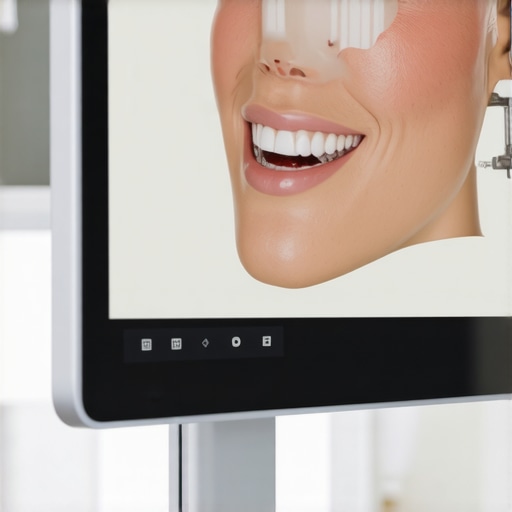
Embracing intraoral scanning, CAD/CAM technology, and AI-driven analysis enables precise, personalized treatment planning for complex cases. Digital workflows facilitate immediate visualization of proposed restorations, allowing adjustments before fabrication and reducing chair time. This confluence of digital tools not only enhances fit and function but also fosters a collaborative treatment journey between dentist and patient. The integration of AI algorithms analyzing structural asymmetries ensures nuanced adjustments, elevating the standard of modern smile makeovers.
Can Artificial Intelligence Enhance the Detection of Subtle Dental Concerns?
Emerging research indicates that AI-powered diagnostic systems analyze radiographs with unprecedented sensitivity, identifying early-stage caries, periodontal inflammation, and even predictive risk patterns. By leveraging deep learning models trained on vast datasets, clinicians can intervene proactively, preventing more invasive procedures and preserving tissue integrity. As detailed in Clinical Oral Investigations, embedding AI into routine diagnostics signifies a pivotal evolution in personalized preventive care, demanding practitioners stay abreast of validated tools to optimize outcomes.
< >
>
Elevate Patient Engagement with Personalized Digital Experiences
Harnessing virtual simulations, interactive 3D models, and remote monitoring fosters deeper patient understanding and adherence. By visualizing potential results and monitoring oral hygiene metrics in real-time, patients become active participants in their care. Such innovations reduce anxiety, increase compliance, and strengthen trust—cornerstones for successful long-term dentistry. As the landscape shifts toward patient-centered protocols, integrating these technologies is vital for practitioners committed to excellence.
Expert Insights & Advanced Considerations
Innovation Drives Long-Term Success in Smile Makeovers
Adapting to rapid technological progress—such as digital workflows and biocompatible materials—is crucial for delivering durable, natural-looking results. Staying ahead requires continuous education on emerging trends and material sciences to optimize patient outcomes and satisfaction.
Case Selection Is More Critical Than Ever
Advanced imaging and AI diagnostics enable more precise assessments, but clinicians must refine their case selection to match these tools’ capabilities, ensuring treatments like veneers, Invisalign, or restorations meet complex demands effectively.
Personalized, Patient-Centered Care Is the Future
Integrating virtual simulations and real-time feedback encourages patient engagement, leading to higher compliance, better aesthetic results, and stronger trust—setting a new standard in familial dental care.
Harnessing Multidisciplinary Collaboration
Combining insights from orthodontics, prosthodontics, and material science fosters innovative solutions for complex cases, ultimately elevating the quality and longevity of smile transformations.
Emphasizing Preventive Strategies with Cutting-Edge Tools
Leveraging AI-driven risk assessments and biocompatible materials helps in early intervention and long-term maintenance, reducing invasive procedures and ensuring healthier smiles across generations.
Curated Expert Resources
- American Academy of Cosmetic Dentistry (AACD): Offers evidence-based guidelines, advanced techniques, and continuing education on aesthetic dentistry innovations relevant for 2026.
- Journal of the American Dental Association (JADA): Features peer-reviewed research on material sciences, digital workflows, and clinical outcomes shaping the future of family dentistry.
- European Journal of Orthodontics: Provides insights into state-of-the-art orthodontic treatments, including smart aligners and AI-integrated diagnostics that extend to complex case management.
- ADA Center for Evidence-Based Dentistry: A trusted platform for the latest systematic reviews and consensus reports guiding practical, science-backed decisions.
- Dental Materials Journal: A comprehensive source for research on nanotechnology, bioactive ceramics, and biocompatible composites transforming restorative options.
Final Perspective on Advancing Family Dental Care
The essence of modern family dentistry in 2026 hinges on integrating expert insights with innovative materials and digital technologies. Embracing these advancements enables clinicians to craft personalized, durable, and visually stunning results—building lifelong trust and health. To evolve your practice or seek tailored advice, consider connecting with seasoned professionals through our contact page. As the landscape continues to shift, staying informed and adaptive remains the foundation of excellence in family oral health care.
,
Leave a Reply