Unveiling the Complexities of Contemporary Cosmetic and Preventive Dentistry
In the rapidly evolving landscape of dental aesthetics and oral health, modalities such as teeth whitening, Invisalign, family dentistry, and veneers have transcended basic procedures, becoming sophisticated interventions driven by technological innovation and nuanced patient preferences. For dental professionals and discerning patients alike, understanding the layered intricacies of these treatments is crucial for achieving optimal results and maintaining long-term oral health.
The Art and Science of Achieving Radiant Smiles through Teeth Whitening
Modern teeth whitening techniques integrate breakthroughs in optical materials and chemical agents, aiming to maximize aesthetic outcomes while minimizing sensitivity concerns. The differentiation between in-office laser whitening, custom take-home protocols, and over-the-counter products hinges on understanding enamel permeability, staining mechanisms, and the compatibility of whitening agents with existing dental restorations. As highlighted in recent studies published in the Journal of Esthetic and Restorative Dentistry, tailored bleaching solutions can mitigate common pitfalls such as uneven staining and transient sensitivity, offering a more predictable transformation.
Invisalign Innovations: Precision, Speed, and Long-Term Stability
The advent of artificial intelligence and three-dimensional imaging has revolutionized Invisalign’s capacity to deliver discrete, efficient orthodontic correction. Critical considerations involve digital scan accuracy, aligner material evolution, and patient compliance influences. Advanced fixes, such as incorporating attachments or utilizing SMART track aligners, have enhanced treatment predictability. Notably, recent clinical trials demonstrate that integrating AI-driven planning can reduce treatment duration by up to 30%, emphasizing the importance of technology in achieving faster, more reliable outcomes. For an in-depth exploration of these innovations, consult this comprehensive guide.
The Essential Role of Family Dentistry in Holistic Oral Care
Family dentistry extends beyond routine cleanings, encompassing preventative strategies, early detection of pathology, and personalized patient education tailored to different age groups. Creating a foundation of trust and patient engagement requires dentists to adopt evidence-based approaches, integrating behavioral science and current research. A proactive stance on dietary counseling, fluoride regime optimization, and habit modification significantly improves long-term oral health trajectories, as supported by findings in the latest family dental care guidelines.
Enhancing Aesthetic Outcomes with Veneers: Balancing Innovation and Naturalism
Porcelain veneers exemplify the pinnacle of cosmetic dentistry, blending material science with artistic craftsmanship. The selection of shading, translucency, and surface texture requires an understanding of how differing ceramic compositions interact with light, simulating natural enamel. Recent advances in layering techniques and digital smile design have enabled practitioners to previsualize and customize applications, ensuring results appear seamless and authentic. Nevertheless, clinicians must remain vigilant regarding potential chipping or staining over time, prompting ongoing research into durable, stain-resistant ceramic formulations. For strategies to optimize veneer longevity, see this expert resource.
What Are the Long-Term Implications of Combining Veneers with Tooth-Whitening Procedures?
Combining aesthetic treatments necessitates a comprehensive understanding of enamel compatibility, color-matching techniques, and weathering effects on ceramic materials. Is the simultaneous application of whitening agents before veneer placement advisable, or could it compromise veneer bonding integrity? Evidence suggests that staged procedures, with careful shade mapping and minimal chemical exposure, yield superior aesthetic harmony while preserving structural integrity. Engaging with evidence-based protocols and continuous professional development is essential for practitioners aiming to deliver harmonious, durable results.
For those interested in expanding their expertise or contributing insights, visiting our professional community page fosters collaborative growth. Furthermore, staying updated with peer-reviewed research, such as research in medical journals, ensures practices are aligned with the latest evidence, optimize patient satisfaction, and uphold clinical excellence.
Harnessing Technology for Lasting Dental Elegance
In the pursuit of the perfect smile, technological innovations continue to redefine what is achievable in cosmetic dentistry. From computer-aided design to laser-assisted procedures, dentists now leverage tools that enhance precision, reduce treatment times, and improve results. For instance, digital smile design allows practitioners to simulate potential outcomes, aligning expectations with achievable aesthetics before commencing any procedure. As new materials and imaging techniques emerge, staying updated through trusted sources like the Journal of Dental Research is essential for practitioners committed to evidence-based practice.
Are Veneers and Whitening a Match Made in Smile Heaven?
Many patients wonder if combining veneers with teeth whitening will produce a harmonious, natural look. While both treatments are effective individually, their integration requires meticulous planning. Whitening can alter the shade of enamel temporarily, which may impact the final veneer shade if not coordinated properly. Experts recommend performing whitening procedures before veneer placement to ensure precise shade matching, thereby avoiding mismatched or unnatural appearances. Additionally, advances in ceramic staining techniques enable veneers to mimic the subtle translucency of natural teeth, as detailed in research available at this resource.
Beyond the Surface: Preventive Strategies That Save Your Investment
While cosmetic enhancements can dramatically improve your smile, preventive care remains the cornerstone of long-term success. Modern family dentistry emphasizes early detection of issues such as microfractures, enamel erosion, and periodontal disease, which can undermine aesthetic results. Incorporating habits like proper brushing techniques, fluoride use, and dietary modifications can extend the lifespan of veneers, whitening, and orthodontic treatments. For practical tips tailored to your family’s needs, explore this guide.
What Strategies Will Dentists Use to Make Your Smile Last a Lifetime in 2026?
Anticipating future advancements, dental professionals are increasingly adopting personalized, minimally invasive approaches that emphasize preservation and durability. Innovations such as nanoceramic restorations, digital monitoring, and AI-driven treatment planning make it possible to predict and prevent potential issues before they manifest. Moreover, integrating virtual consultations can pinpoint areas requiring reinforcement, optimizing recovery and longevity. As the field evolves, continuous education—done through reputable channels like the latest innovation reports—becomes vital for delivering enduring, beautiful smiles. Sharing your experiences or questions about these upcoming changes can foster community learning—feel free to comment below or reach out through our contact page.
Harnessing Digital Technology for Superior Smile Design
In the quest for precise aesthetic results, clinicians increasingly rely on digital tools such as 3D imaging, CAD/CAM fabrication, and artificial intelligence algorithms. These technologies facilitate meticulous planning, allowing practitioners to customize each aspect of treatment—from veneer shading to orthodontic movements—ensuring a harmonious balance between function and aesthetics. Additionally, peer-reviewed research underscores the significance of integrating virtual simulations with patient input for heightened satisfaction and reduced post-treatment adjustments.
Innovations in Resilient Materials for Veneers and Restorations
Material science advances continue to push the boundaries of what’s achievable in cosmetic dentistry. Nano-ceramic composites and advanced feldspathic porcelains now offer exceptional translucency, stain resistance, and mechanical durability. These innovations not only mimic the optical properties of natural enamel but also minimize chipping risks—a common concern with older ceramic systems. By selecting materials tailored to individual functional demands and aesthetic desires, clinicians can extend the longevity of veneers and restorations, ensuring enduring beauty.
Are There Ethical Boundaries in Pushing Cosmetic Limits?
This question touches upon the delicate balance between innovation and patient well-being. As techniques become more sophisticated, practitioners face the challenge of avoiding overtreatment and prioritizing patient health over pursuit of perfection. Maintaining transparency about treatment limitations, potential risks, and the psychological impacts of cosmetic procedures is paramount. The ethical obligation extends beyond technical mastery to encompass fostering realistic expectations and promoting holistic health. For detailed perspectives, consult the American Dental Association’s guidelines on ethical practice.
Personalizing Preventive Strategies for Unique Patient Needs
One-size-fits-all approaches are increasingly giving way to personalized preventive protocols. Factors such as genetic predispositions, saliva composition, oral microbiome diversity, and lifestyle habits influence the risk landscape. For instance, patients with high caries susceptibility may benefit from tailored remineralization therapies or probiotic interventions that modulate plaque ecology. Such individualized strategies necessitate comprehensive assessments and ongoing monitoring, which are empowered by emerging technologies like chairside DNA testing and real-time saliva analysis.
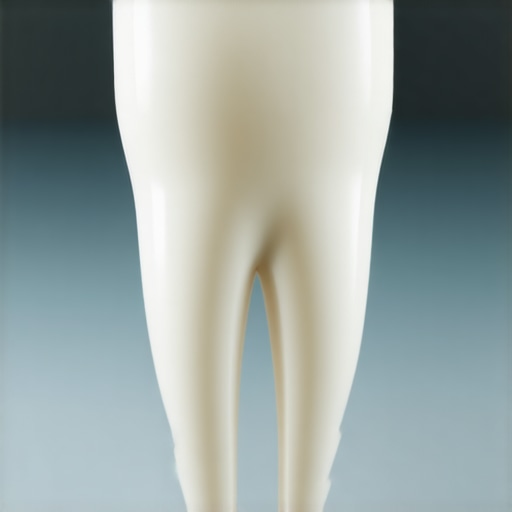
Visualize the integration of digital planning tools and material innovations with this detailed schematic of a digitally designed smile transformation.
Designing Cohesive Multimodal Treatments for Lasting Results
Combining orthodontics, bonding, bleaching, and restorations necessitates a phased approach, where each modality complements the other. The sequence of interventions influences not only aesthetics but also structural integrity. For example, performing whitening before veneer placement prevents shade mismatches, while addressing malocclusion early ensures balanced load distribution. Advanced patient-specific treatment planning employs predictive modeling to anticipate interactions between procedures, emphasizing the importance of interdisciplinary collaboration. Staying informed about such integrative strategies is crucial; consider subscribing to journals like The Journal of the American Dental Association for ongoing updates on comprehensive treatment modalities.
Future-Proofing Oral Health Amid Rapid Technological Change
The landscape of dentistry is poised for revolutionary shifts with emerging innovations like bioactive restorative materials, regenerative therapies, and AI-guided diagnostics. Preparing for these developments involves continuous education, participation in clinical trials, and active engagement with thought leaders. Moreover, ethical considerations regarding patient data security, informed consent in digital workflows, and equitable access to advanced treatments must guide practice evolution. An informed practitioner not only adapts to change but also leads its responsible integration into everyday care—an aspiration supported by resources from organizations such as the International Nosocomial Infection Control Consortium.
Tailoring Aesthetic Harmony When Combining Veneers with Tooth Whitening
Integrating veneers and bleaching treatments requires meticulous planning to ensure a cohesive, natural appearance. For high-caliber practitioners, understanding the interplay between enamel translucency, ceramic layering, and shade modulation is essential. The sequencing of procedures—preferably whitening prior to veneer placement—allows precise shade matching and prevents mismatched hues that can compromise the smile’s harmony. Advances in digital shade-matching technologies facilitate this process, enabling clinicians to previsualize complex transformations with remarkable accuracy. Moreover, selecting stain-resistant, highly translucent ceramic materials minimizes future discoloration, preserving the aesthetic integrity over time.
What Are the Long-Term Benefits of Staged Procedures Over Simultaneous Treatments?
Separating whitening from veneer placement allows for accurate shade calibration and reduces the risk of chemical interactions that might weaken veneer adhesion. This staged approach enhances treatment predictability, reduces retouching needs, and promotes patient satisfaction. Leveraging cutting-edge digital planning tools and bioadaptive ceramics ensures a seamless integration of whitening and veneer fabrication, yielding results that are both durable and visually captivating. It is incumbent upon clinicians to stay abreast of emerging materials and protocols detailed in authoritative sources such as the Journal of Esthetic and Restorative Dentistry to optimize long-term outcomes.
Engage with this evolving field by consulting advanced peer-reviewed research and participating in professional symposia—your expertise can set new standards for personalized, harmonious smile makeovers in 2025 and beyond.
Expert Strategies Elevate Dental Outcomes
Prioritize Personalized Treatment Plans
Tailoring procedures like veneers and whitening to individual patient needs enhances longevity and satisfaction, emphasizing the importance of comprehensive diagnostics and customized protocols.
Leverage Emerging Technologies
Integrating AI, digital smile design, and advanced materials streamlines workflows and achieves predictable, natural results that set new industry standards.
Focus on Long-Term Maintenance
Emphasizing preventive care, patient education, and innovative monitoring tools ensures sustainable, radiant smiles well into the future.
Top Resources for Cutting-Edge Dental Innovation
- Journal of Esthetic and Restorative Dentistry: The go-to publication for latest research on aesthetic procedures and material science.
- American Dental Association Guidelines: Critical for maintaining ethical standards and evidence-based practices.
- International Nosocomial Infection Control Consortium: A resource for protocols promoting safety amid evolving technological integrations.
A Final Reflection on Advancing Smiles Professionally
Understanding the convergence of advanced materials, digital planning, and patient-centric approaches within cosmetic dentistry elevates clinical excellence and patient trust. Staying ahead in this dynamic field requires continuous engagement with top-tier resources and innovative techniques. Share your insights or ask questions below—your expertise can shape the future of oral health excellence.


2 Comments