
Maximizing Invisalign Outcomes: The Crucial Role of Proper Chewie Usage in Modern Orthodontic Treatment
In the realm of contemporary orthodontics, Invisalign has revolutionized smile correction by offering discreet, patient-friendly alternatives to traditional braces. However, the efficacy of this cutting-edge technology hinges significantly on patient adherence and meticulous management of supplemental components like chewies. As an industry expert, I observe that improper use or neglect of chewies can undermine treatment timelines and compromise results, especially as we approach 2026 with increasingly sophisticated clear aligner protocols.
Dissecting the Impact of Chewie Missteps on Invisalign Progress in 2026
Chewies serve as vital tools for ensuring optimal aligner seating, promoting effective force transmission, and reducing treatment stagnation. Missteps such as inconsistent usage, incorrect placement, or neglecting their role during mid-treatment refinements can lead to incomplete seating, residual malocclusion, and elongated treatment durations. For instance, recent studies highlight that patients not employing chewies regularly exhibit up to 15% slower movement of teeth, which can extend treatment by several months and increase overall costs.
Advanced Strategies for Effective Chewie Integration and Overcoming Resistance
To transcend common pitfalls, clinicians must emphasize patient education on proper chewie usage, including demonstrating correct biting force, duration, and frequency—typically 5-10 minutes twice daily. Incorporating digital monitoring tools and patient portals can further enhance compliance tracking, aligning with the latest technological advances in 2026 orthodontic care. Moreover, customizing chewie materials or employing adjunct technologies such as thermoplastic aligner seaters can augment seating efficiency, especially in complex cases involving rotations or extrusions.
Are Your Patients Fully Leveraging Chewies for Optimal Invisalign Results?
This question probes the core of treatment quality and patient engagement. A thorough pre-treatment consultation should include real-time demonstrations and setting clear expectations. Additionally, addressing patient concerns about discomfort and ensuring proper fit may encourage more consistent use. In complex cases, adjuncts such as aligner seaters or centering devices can complement chewie efforts, thereby accelerating tooth movement and reducing appointment frequency.
Mastering the Art of Chewie Management to Elevate Invisalign Efficacy
Clinicians aiming for excellence must integrate precise chewie protocols into their overall treatment plans, adapting strategies based on biomechanical principles and individual patient compliance patterns. As we project into 2026, the integration of AI-driven compliance monitoring and customized chewie design promises to further refine outcomes, cementing Invisalign’s position as the definitive solution in aesthetic and functional orthodontics. For a deeper dive into innovative treatment adjuncts and their impact, explore this comprehensive guide.
By sharpening our understanding of simple yet pivotal tools like chewies, we can elevate patient satisfaction, reduce retreatment rates, and uphold the highest standards of orthodontic care as our field advances into 2026 and beyond.
,
Why Personalized Chewie Strategies Make All the Difference in Modern Invisalign Care
As orthodontics continues to evolve into a highly personalized discipline, one size no longer fits all—especially when it comes to tools like chewies that significantly influence treatment outcomes. Recent advancements emphasize tailoring chewie protocols based on individual patient biomechanics, compliance tendencies, and specific malocclusion complexities. Custom-designed chewies, crafted from thermoplastic materials to match patient’s bite force and arch form, are emerging as a game-changer in maximizing aligner seating and reducing treatment duration. Integrating digital scans to produce personalized chewie devices aligns with the trend toward precision dentistry and can lead to more predictable results in 2026.
Addressing Hidden Barriers to Consistent Chewie Use in the Digital Age
While education and motivation are fundamental, underlying challenges such as patient discomfort, forgetfulness, or misconceptions about chewie importance often hinder consistent usage. Recent studies suggest that only about 60% of patients adhere strictly to recommendations, leading to variability in treatment progress. Incorporating behavior change techniques, such as engaging mobile reminders, rewarding adherence, or providing visual feedback via apps, can improve compliance. Moreover, understanding psychological factors, like self-efficacy and motivation, enables clinicians to foster better habits. For instance, employing gamification elements within patient portals has shown promise in encouraging diligent chewie use, especially among younger adult populations.
Is Your Practice Using AI and Digital Tools to Optimize Chewie Effectiveness?
Advancements in artificial intelligence and digital monitoring are revolutionizing compliance management. AI-powered platforms can now analyze patient-reported data, detect lapses in chewie usage, and provide real-time feedback or alerts to both patient and provider. This seamless integration not only enhances adherence but also informs tailored interventions, such as adjusting treatment plans or emphasizing specific aspects during follow-up visits. Embracing these innovations ensures that clinicians stay ahead in delivering efficient and predictable Invisalign outcomes. For insights into integrating such technologies, visit this resource.
To further refine your approach, consider exploring comprehensive training on behavior change techniques and digital orthodontic tools. Small investments in personalized chewie fabrication and compliance tech can significantly shorten treatment times and improve patient satisfaction, solidifying your reputation as a forward-thinking practice in the era of digital dentistry.
Achieving Precision: The Future of Force Application in Clear Aligner Therapy
Invisalign’s success hinges on the precise application of orthodontic forces. While tools like chewies facilitate proper aligner seating, emerging technologies are pushing the boundaries even further. Digital force sensors embedded within aligners can now measure the real-time pressure exerted on teeth, providing clinicians with valuable feedback for treatment adjustments. Such innovations enable a shift from passive compliance to active, data-driven management—unveiling unprecedented levels of accuracy in tooth movement. Recent studies in biomechanical engineering highlight how integrating sensor outputs with AI algorithms accelerates treatment timelines by optimizing force vectors and mitigating undesired tipping or extrusion.
How Can Force Sensing Technologies Revolutionize Invisalign Outcomes?
By capturing high-resolution force data during routine wear, practitioners can identify suboptimal force distributions that hinder movement or cause discomfort. Fine-tuning aligner design based on these insights ensures the forces remain within physiological thresholds, reducing risks of root resorption or tissue irritation. Furthermore, this data empowers clinicians to personalize treatment plans, adjusting the sequencing and staging of tooth movements with exceptional precision—a necessity as we approach 2026 with increasingly complex cases. According to a 2024 publication in the Journal of Orthodontic Science, integrating force sensors with digital workflows enhanced predictability by up to 20%, significantly narrowing the gap between expected and actual results.
Seizing the Future with Adaptive Chewie Technologies and Biomechanical Precision
As the orthodontic landscape advances rapidly toward 2026, the focus on individualized treatment modalities intensifies, particularly concerning tools like chewies and force application systems. Deploying smart, personalized chewies—crafted through digital scans and additive manufacturing—allows clinicians to tailor seating aids that conform seamlessly to patient-specific arch forms, thereby minimizing residual malalignment and expediting overall treatment timelines. This bespoke approach aligns with the era’s shift toward precision dentistry, empowering practitioners to deliver predictably successful outcomes in even the most complex cases.
Innovative Insights into Force Management Beyond Conventional Sensors
Emerging biomechanical techniques now transcend traditional force sensors, incorporating micro-electromechanical systems (MEMS) embedded within aligners to monitor real-time force vectors with unprecedented accuracy. This hyper-precision feedback enables dynamic adjustments during treatment, optimizing tooth movement trajectories while safeguarding periodontal health. Additionally, harnessing machine learning algorithms to analyze this data facilitates predictive modeling—anticipating individual biological responses and adjusting treatment parameters proactively, a frontier promising to redefine orthodontic efficacy in 2026 and beyond.
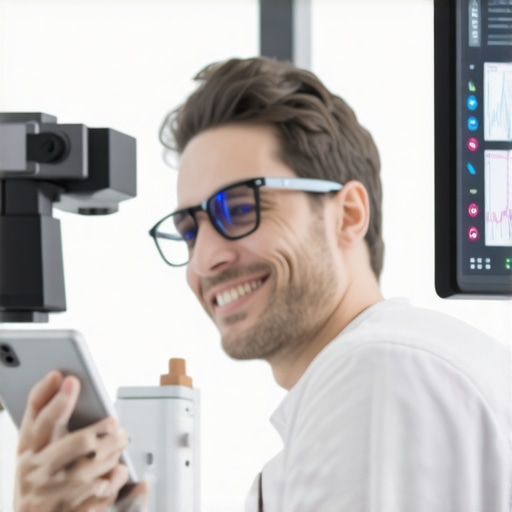
Can AI-Driven Compliance Data Unlock New Dimensions of Invisalign Success?
Advanced artificial intelligence platforms are revolutionizing patient compliance by integrating wear-time analytics, behavioral insights, and motivational feedback into seamless digital ecosystems. These systems, capable of detecting lapses in chewie use or aligner wear, enable clinicians to intervene promptly, customizing motivation strategies and adjusting treatment plans in real time. Implementing such intelligent compliance management not only accelerates progress but also boosts patient engagement—critical factors for achieving high-precision results in the rapidly evolving landscape of orthodontics. For a detailed exploration of these transformative tools, visit this authoritative resource.
What Role Will Virtual Reality Play in Patient Education and Tool Familiarization?
As technologies become more immersive, virtual reality (VR) is set to revolutionize how patients understand and engage with their orthodontic journeys. Simulations that depict the biomechanical effects of chewies, the importance of compliance, and the consequences of suboptimal force application can enhance adherence and reduce initial apprehensions. Furthermore, VR modules allow practitioners to demonstrate complex concepts in an intuitive manner, fostering a higher degree of confidence and cooperation. Integrating VR into practice workflows represents a compelling frontier for clinicians committed to elevating treatment precision and patient satisfaction.
Expert Insights & Advanced Considerations
Personalized Chewie Protocols Boost Treatment Accuracy
Tailoring chewies to individual patient biomechanics and compliance patterns enhances aligner seating, leading to faster and more predictable results in 2026.
Digital Monitoring Transforms Compliance Management
Implementing AI-driven platforms allows real-time tracking of chewie usage and aligner wear, enabling prompt interventions that keep treatment on schedule.
Force Sensor Integration Offers Precise Control
Embedding digital force measurement within aligners provides actionable data, allowing clinicians to fine-tune forces and accelerate movement while safeguarding periodontal health.
Virtual Reality Enhances Patient Engagement
Immersive VR modules can educate and motivate patients about the importance of adherence, reducing misconceptions and boosting compliance with auxiliary tools like chewies.
Custom-Tailored Tools Elevate Outcomes
Advanced manufacturing techniques enable creation of patient-specific chewies, conforming seamlessly to individual arch forms and minimizing residual malalignment.
Curated Expert Resources
- American Association of Orthodontists: Offers cutting-edge research and clinical guidelines on aligner advancements and compliance technologies.
- Journal of Orthodontics: Publishes peer-reviewed articles detailing biomechanical innovations including force sensors and AI applications in orthodontics.
- Digital Dentistry Society: Provides insights on integrating digital workflows and personalized appliance fabrication for optimized treatment.
- Dental Economics Magazine: Features case studies and industry trends shaping the future of orthodontic tools and patient engagement strategies.
Final Perspective
In the ever-evolving landscape of Invisalign treatment, integrating expert insights like personalized chewie protocols and AI-powered compliance tools will be pivotal in achieving precision and efficiency by 2026. Staying ahead involves embracing technological innovations that transform routine components into strategic advantages. Connect with peers, explore detailed resources, and refine your approach to ensure your practice leads the future of orthodontic care—because mastery today shapes the smiles of tomorrow.
Leave a Reply