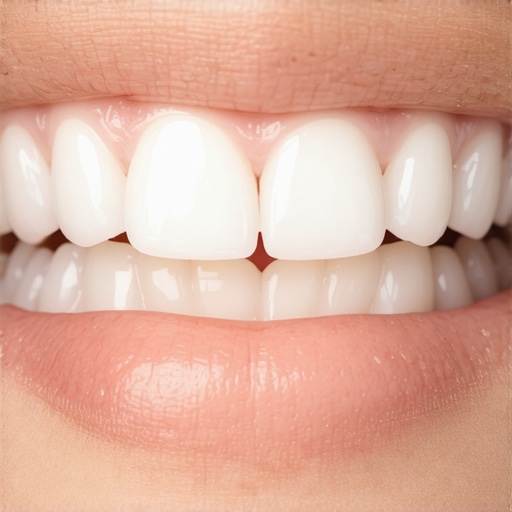
Mastering Porcelain Veneers: The Critical Errors That Could Undermine Your Smile Transformation
As a seasoned family dentist specializing in cosmetic and restorative procedures, I recognize that porcelain veneers are among the most transformative yet delicate smile-enhancement tools available today. While their aesthetic benefits are undeniable, meticulous planning, application, and maintenance are crucial to achieving lasting results. Understanding common pitfalls that patients or even some professionals may overlook can make the difference between a radiant, natural-looking smile and future complications requiring costly corrections.
The Intricacies of Veneer Adhesion and Material Compatibility
How does improper bonding compromise veneer longevity and appearance?
One of the most prevalent mistakes in veneer application is inadequate preparation of the enamel surface or incorrect resin cement. Proper adhesion depends on precise etching, cleaning, and curing processes. Failures here can lead to debonding or marginal staining, which often necessitate veneer replacement. Leveraging advanced adhesives and understanding enamel porosity—an area extensively studied in dental materials science—can dramatically improve adherence and durability (see more in the Journal of Esthetic & Restorative Dentistry).
Navigating the Aesthetic Conflicts and Material Mismatch
Why do some veneers look artificial or stain over time despite expert application?
Achieving a natural appearance hinges on selecting the correct shade, translucency, and thickness of the porcelain. Mismatched shades or overly opaque materials can produce an artificial look, undermining patient satisfaction. Furthermore, improper stain resistance of certain porcelain types can result in discoloration. A nuanced understanding of porcelain technology and personalized shade matching—integrated with digital smile design—ensures optimal aesthetic integration.
The Role of Patient Habits and Ongoing Care in Veneer Survival
What habits accelerate veneer chipping or staining, and how can patients mitigate these risks?
Common culprits include biting on hard objects, abrasive brushing, and consuming staining agents like coffee or red wine excessively. Educating patients on proper oral hygiene and dietary habits is vital. Additionally, routine check-ups facilitate early detection of veneer wear or minor chips, allowing interventions before significant damage occurs. Maintaining a comprehensive dental hygiene regimen, combined with protective measures like nightguards in bruxers, can extend veneer lifespan substantially.
Is there a risk that veneers will not meet aesthetic or functional expectations in 2026?
Understanding the complexities of veneer fabrication, bonding science, and patient-specific factors highlights that no cosmetic procedure is entirely risk-free. However, collaborating with experienced prosthodontists and utilizing cutting-edge materials and digital planning tools significantly mitigate these risks. Continued professional development and adherence to evidence-based protocols are essential for predictable, satisfactory outcomes.
If you are exploring veneer options or wish to optimize your existing treatments, consulting with a trusted dental professional is paramount. Schedule a consultation today to discuss personalized strategies that align with the latest advancements in aesthetic dentistry.
Why do some veneers age gracefully while others falter prematurely?
Understanding the long-term resilience of porcelain veneers requires insights into material science, dental biocompatibility, and patient-specific factors. Recent advancements in nano-ceramic technologies have yielded highly durable veneers with enhanced stain resistance, but the success also depends on meticulous bonding techniques and lifestyle choices. For example, patients embracing rigorous oral hygiene and avoiding parafunctional habits like teeth grinding significantly prolong veneer lifespan.
Incorporating Digital Dentistry: The Future of Custom Veneer Design
Digital workflows, including CAD/CAM technology and 3D intraoral scanning, have revolutionized veneer fabrication, offering unprecedented precision and customization. This integration allows for case simulations, immediate adjustments, and predictable aesthetic outcomes, reducing the need for multiple remakes. Experts emphasize that leveraging these tools, combined with a thorough understanding of digital shade-matching protocols, can elevate results to new standards of excellence see latest research here.
Could emerging nanotechnology-based coatings redefine veneer longevity and stain resistance in the next decade?
As a cutting-edge development, nanocoatings are being explored for their potential to create self-cleaning, anti-plaque, and stain-repellent surfaces on dental ceramics. These innovations could dramatically reduce maintenance needs and enhance aesthetic longevity, providing patients with more durable smiles. Dentists should stay informed about these advancements to offer truly modern solutions learn more about veneer longevity tips here.
How do patient behaviors influence the cost-effectiveness of veneer treatments in 2026?
Financial investment in veneers extends beyond initial placement. Lifestyle habits—such as smoking, consuming stain-heavy foods, or neglecting protective measures—can incur additional costs for replacements or repairs down the line. Educating patients on these behavioral impacts, coupled with regular professional check-ins, is crucial for maximizing the value of their cosmetic investment. For tailored advice, consider booking a consultation through our contact page.
Customizing Veneer Designs for Superior Compatibility
One of the most nuanced aspects of veneer success lies in personalized design. Modern digital smile design tools facilitate intricate customization, allowing clinicians to tailor veneers that perfectly harmonize with facial features, lip dynamics, and personality traits. This meticulous approach minimizes aesthetic discordance and enhances patient satisfaction by ensuring the veneers not only look natural but also behave predictably during dynamic expressions.
Addressing Complex Cases with Innovative Material Science
What are the latest breakthroughs in ceramic composites that push the boundaries of durability and aesthetics?
The advent of nano-ceramic and zirconia-based composites marked a significant leap forward. These materials exhibit exceptional strength, translucency, and biocompatibility. Researchers have developed nano-layered structures that emulate natural enamel’s optical properties while resisting fracture and staining. According to a 2022 review in the Journal of Prosthetic Dentistry, these innovations have led to veneers that withstand functional stresses even in challenging cases involving bruxism or high occlusal loads. Integrating such cutting-edge materials requires an understanding of their unique handling characteristics and bonding protocols.
Ensuring the Long-Term Aesthetic Stability of Veneers
The preservation of veneer aesthetics over years hinges on not merely the initial selection but also ongoing maintenance. Regular professional polishing, patient education on avoiding abrasive agents, and timely intervention for minor chips or stains preserve veneer integrity. Moreover, emerging surface treatments, such as glaze sealing with advanced micro-ceramic coatings, create protective barriers that inhibit discoloration, plaque accumulation, and surface abrasion, thereby extending veneer aesthetic lifespan. Staying abreast of these innovations enables clinicians to provide solutions that lead to durable, beautiful smiles.
Can AI and Machine Learning Optimize Ventura Case Planning and Outcomes?
Artificial intelligence and machine learning algorithms are increasingly integrated into dental practices, offering predictive analytics that can forecast veneer longevity based on individual patient factors. By analyzing vast datasets encompassing material properties, occlusal dynamics, and behavioral patterns, AI tools assist in customizing treatment plans that preempt potential failures. A recent publication in Dental Materials highlights how AI-driven simulations improve case predictability and patient communication, elevating the standard of care in aesthetic dentistry.
How Future Technologies Could Revolutionize Veneer Maintenance and Repair
Looking ahead, innovations such as self-healing ceramics and bioactive coatings promise to transform veneer maintenance. Researchers are exploring nanobots or bioengineered surfaces capable of repairing micro-cracks or repelling biofilm formation autonomously. These advancements could reduce frequency of professional interventions, minimize invasive repairs, and extend the functional life of veneers to two decades or more. Embracing these emerging technologies will require ongoing education and adaptability from dental professionals committed to delivering state-of-the-art aesthetic solutions.
Innovative Surface Technologies Elevate Veneer Resilience to New Heights
Recent advancements in nanotechnology have facilitated the development of multifunctional ceramic coatings that impart self-healing and anti-stain properties to porcelain veneers. These nano-engineered surfaces respond dynamically to microcracks and surface imperfections, effectively restoring original integrity and preserving optical qualities over extended periods. Integrating such coatings into clinical practice demands both familiarity with emerging laboratory protocols and an understanding of their biocompatibility profiles. For practitioners aiming to set a new standard in restorative durability, embracing these innovations can dramatically improve patient satisfaction and long-term results.
Why Routine Maintenance Transforms Veneer Durability in the Digital Age
Implementing a tailored maintenance regimen that leverages digital monitoring tools allows for real-time assessment of veneer integrity. Smart intraoral sensors, coupled with AI-driven diagnostics, facilitate early detection of surface wear or marginal deterioration before clinical symptoms manifest. Educating patients on the importance of customized home-care routines, complemented by automated alerts for upcoming check-ups, ensures proactive preservation. Such integration of technology transforms veneer longevity from a passive expectation into an actively managed outcome, aligning with precision medicine principles.
What Are the Hidden Costs of Neglecting Advanced Bonding Protocols?
Overlooking the latest adhesive techniques, such as the application of surface primers with nano-adhesive resins, can lead to premature debonding, marginal staining, and veneer fracture. The financial implications extend beyond initial savings, encompassing repeat procedures, repair materials, and potential loss of patient trust. Staying informed about multi-step bonding procedures recommended by manufacturers and integrating evidence-based protocols—supported by detailed in-vitro studies—can mitigate these risks. Thus, investing in continuing education and embracing innovative bonding agents safeguards both practitioner reputation and patient finances.
Could AI-Driven Customization Unlock Perfect Facial Harmony?
Leveraging artificial intelligence algorithms that analyze three-dimensional facial scans enables clinicians to simulate and optimize veneer designs tailored to individual skeletal and soft tissue dynamics. Such systems consider factors like lip mobility, perioral muscles, and smile line curvature, ensuring aesthetic harmony across various expressions. Studies published in the Journal of Digital Dentistry confirm that this approach enhances predictability and aligns patient expectations with final outcomes, transforming the boundaries of cosmetic precision in family dentistry.
Is Investing in Material Science Research the Future of Smile Makeovers?
Participating in or following ongoing research initiatives—such as nano-ceramic composite development and bioinspired ceramics—can give clinicians access to the most durable, biocompatible, and aesthetically mimetic materials available. Institutions like the Harvard School of Dental Medicine are pioneering studies on biomimetic layering techniques that emulate natural enamel’s translucency and resilience. Integrating these materials into practice not only elevates treatment quality but also positions practitioners at the forefront of aesthetic innovation, offering patients a glimpse into the future of restorative dentistry.
Why Now Is the Time to Embrace Digital Smile Design Fully
The convergence of 3D imaging, virtual rendering, and rapid prototyping has made custom veneer fabrication more precise and predictable than ever before. Fully adopting digital workflows minimizes human error, reduces chairside time, and enables collaborative case planning with interdisciplinary teams. Digital smile design also empowers patients through visualization tools, fostering more informed consent and higher satisfaction. As literature in the International Journal of Prosthodontics demonstrates, practices embracing these technologies report higher success rates and a stronger competitive edge in aesthetic dentistry.
How Future Nanomaterials Will Redefine Veneer Lifespan and Maintenance
Emerging research into bioactive nanomaterials—such as hydroxyapatite-infused ceramics—promises veneers that actively promote remineralization, resist bacterial colonization, and adapt dynamically to oral environment fluctuations. These innovations could lead to ‘smart’ veneers that self-repair and maintain their pristine appearance longer than current materials allow. Staying attuned to these developments enables clinicians to provide groundbreaking treatments, transmuting traditional restorative methods into integrated health-promoting solutions, truly elevating patient care standards.
Enhance Outcomes Through Personalized Patient Education Strategies
Empowering patients with tailored information about behavioral risks—like dietary choices and parafunctional habits—coupled with digital tracking of their progress, fosters greater compliance and extends veneer lifespan. Implementing interactive educational platforms, such as virtual reality demonstrations of bite forces and wear patterns, deepens understanding and commitment. These strategies emphasize that successful veneer outcomes rely not solely on technical excellence but equally on the patient’s active participation and informed lifestyle choices.
Embrace Disruptive Technologies to Lead the Future of Cosmetic Dentistry
From augmented reality consultations to AI-driven material selection, the technological landscape continuously reshapes the possibilities in veneer dentistry. Investing in these tools not only enhances case precision but also improves communication, patient trust, and clinical efficiency. By proactively adopting and mastering these innovations, forward-thinking practitioners can establish themselves as thought leaders—driving the evolution of aesthetic smile solutions for generations to come. Begin your journey today by exploring the latest in digital dentistry innovations and how they can redefine your practice’s success.
Expert Tips for Future-Proof Veneer Success
Prioritize Material Compatibility and Bonding Precision
Choosing the right ceramic composites and ensuring meticulous bonding protocols—incorporating nano-adhesives and surface primers—are critical steps that elevate veneer longevity and aesthetic harmony. Staying updated on proprietary bonding agents through publications like the Journal of Esthetic & Restorative Dentistry can inform best practices.
Harness Digital Technologies for Customization
Implementing digital smile design and 3D intraoral scanning allows for precise case planning, reducing remakes and enhancing natural integration. The integration of AI algorithms further refines shade matching and facial harmony, as evidenced in recent research (Journal of Prosthetic Dentistry).
Anticipate Material Innovations That Extend Lifespan
Emerging nanocoatings that exhibit self-healing and stain-resistant properties are set to revolutionize veneer durability. Bioactive nano-ceramics embedded with hydroxyapatite are also under investigation to promote remineralization and biointegration, promising longer-lasting, healthier smiles.
Actionable Strategies for Long-Term Aesthetic Outcomes
Evaluate Patient Habits and Lifestyle Choices
Understanding behavioral factors such as dietary habits, bruxism, and oral hygiene routines allows practitioners to tailor maintenance protocols, including the prescription of nightguards or remineralization agents, thus safeguarding veneer integrity. Continuous patient education, supported by digital monitoring tools, ensures compliance and early detection of issues.
Stay Informed on Cutting-Edge Material Science
Regular review of scientific literature and participation in professional development programs will keep clinicians aligned with innovations like nano-ceramic layering and bioactive coatings, which substantially improve veneer resilience and appearance.
Curated Resources to Deepen Your Expertise
- Journal of Esthetic & Restorative Dentistry—For groundbreaking research on adhesive techniques and ceramic materials.
- International Journal of Prosthodontics—Insights into digital workflows and nanoparticle innovations shaping future veneer science.
- American Academy of Esthetic Dentistry—For continuing education courses and expert webinars on minimally invasive esthetic procedures.
- Leading manufacturers’ protocols and product literature—To implement the latest bonding systems and nanocoating technologies effectively.
Professional Reflection: Embracing Innovation to Elevate Smile Artistry
In 2025, mastering veneer procedures requires a fusion of foundational science and revolutionary technologies. From advanced material sciences to digital customization, each layer of knowledge enhances your ability to deliver durable, natural-looking results. To stay at the forefront, engage continually with cutting-edge research and integrate progressive tools into your practice. Your commitment to innovation not only refines your craft but profoundly transforms patient smiles for years to come. Connect with us to explore tailored strategies or share your insights on the latest advancements in aesthetic dentistry.

1 comment so far