![Why Your 2026 Invisalign Trays Won’t Snap In [5-Step Fix]](https://smilegumcare.com/wp-content/uploads/2026/03/Why-Your-2026-Invisalign-Trays-Wont-Snap-In-5-Step-Fix.jpeg)
Ever had that moment when you’re about to snap in your Invisalign trays, only to find they just won’t click into place? It’s frustrating. I remember feeling a rush of disappointment, especially when I thought everything was going perfectly. One day, after weeks of diligent work, I tried to seat my trays and… nothing. They were stubborn. That lightbulb moment made me realize I wasn’t alone in this struggle. Many Invisalign wearers hit this snag, and it can shake your confidence in your entire smile journey.
How I Realized I Was Doing It Wrong
Initially, I blamed my trays—thinking they might be damaged or misplaced. But after some digging, I discovered a common mistake: I wasn’t aligning my trays properly. Plus, I overlooked the importance of checking my bite and ensuring my teeth were clean before snapping them in. It sounds simple, yet these small oversights make a world of difference. If your trays won’t snap in in 2026, don’t worry—you’re not cursed. I’ll share what worked for me and what you can do today to get those trays seated comfortably and correctly.
Could Your Expectations Be Too High?
One thing I often hear is, “Shouldn’t these trays just fit?” And honestly, yes—ideally. But the reality is, Invisalign trays are precision-fit, and a tiny misstep can cause stubbornness. My early mistake? I thought I could force the trays in. Nope. That only made things worse. Remember, patience and proper technique are key. If you’ve faced similar issues, you’re not alone, and there are effective fixes waiting for you. For more tips on smile transformations, check out the latest Invisalign innovations.
Now, let’s dive into step-by-step solutions to get your trays snapping in smoothly—and keep your Invisalign treatment on track.
,
Master the Proper Alignment Technique
When trays resist, I recall gently tilting the tray slightly forward and pressing down firmly with my thumbs, mimicking the process described in Invisalign’s official guides. This action ensures the tray aligns smoothly with your teeth’s contours. Once, I tried forcing the tray in straight, but it only caused discomfort. Instead, I leaned into a gentle, controlled pressure, applying even force across the tray’s length—this often made a noticeable difference, and I recommend practicing this to get your trays seated correctly the first time.
Ensure Teeth and Tray Are Clean
Dirty or sticky teeth can hinder tray placement—think of trying to snap in a puzzle piece caked with dust. I made it a habit to rinse my mouth thoroughly and brush before snapping trays in, reducing resistance. When I skipped this step, I felt the trays stubbornly resisting; after cleaning, they snapped into place with ease. Regular cleaning not only helps with fit but also maintains oral hygiene, crucial during treatment. Learning this simple step saved me from unnecessary frustration and potential tray damage.
Use a Gentle Wrapping Technique for Snapping
Instead of forcing, I found that wrapping the tray gently with my fingers and applying downward pressure, much like a precise push, helped seat it properly without risking damage. At times, I used a mirror to check that the tray was aligned symmetrically—this visual confirmation prevents uneven pressure that could cause cracking or discomfort. Remember, patience and precision are your allies; forcing the tray might seem faster but can lead to setbacks.
Addressing Bite and Tray Fit
Sometimes, your bite might be slightly off, causing trays to feel resistant. I checked my bite by lightly biting down and observing if the trays sat comfortably. If not, I gently moved my jaw to find the best fit, similar to aligning puzzle pieces. For persistent issues, temporarily increasing the tray’s seating time using the tips in these advanced fixes can help. Remember, a proper bite prevents unnecessary pressure that might lead to tray cracks or discomfort.
When to Seek Professional Advice
If despite all efforts, trays still refuse to snap in, consult your orthodontist rather than forcing them. Sometimes, minor tray adjustments or replacements are needed, and avoiding self-repair can save you from bigger issues. Visiting your dental professional ensures your treatment stays on track, maintaining the integrity of your progress.
By applying these precise, gentle steps—much like meticulously adjusting a delicate instrument—you’ll find the trays seat with minimal resistance. With patience and proper technique, you’ll keep your smile journey smooth and effective, avoiding unnecessary delays or damage. Ready to see more ways to optimize your Invisalign experience? Keep exploring reliable tips and tricks that make your smile transformation seamless.
Many patients assume they understand the basics of cosmetic and restorative dental treatments, but misconceptions often persist beneath the surface. Let’s dig deeper into common myths, advanced pitfalls, and the nuances that even seasoned dental patients might overlook, ensuring your smile journey is truly informed.
Are Veneers Always a Quick Fix or Do They Hide Hidden Risks?
While veneers are celebrated for transforming smiles efficiently, many overlook that not all veneers are created equal. Some presume that veneers are universally stain-proof or maintenance-free, but research indicates certain materials, like porcelain veneers, can discolor over time if proper care isn’t taken. Moreover, aggressive preparation or choosing an overly whitening shade can lead to a less natural appearance, especially if the veneers don’t match the surrounding teeth. Many overlook the importance of discussing long-term maintenance and potential replacement costs upfront; failing to do so can lead to unexpected expenses. For a comprehensive understanding, check out this guide on veneers.
What Many Misjudge About Family Dentistry’s Role in Preventive Care
People often see family dentistry as merely routine checkups but underestimate its role in early diagnosis of systemic health issues. Studies reveal that dental professionals can identify signs of conditions like diabetes, heart disease, and even certain vitamin deficiencies during regular exams. A common trap is neglecting the importance of personalized prevention plans that go beyond cleaning and polishing. For example, aligning dietary advice and oral hygiene habits with your unique health profile can dramatically improve outcomes. Many fall into the misconception that once their teeth look good, they no longer need regular visits; this neglects the proactive nature of family dentistry. For trusted strategies, explore this article on family dental tips.
Advanced Teeth Whitening: Why One-Size Doesn’t Fit All
While over-the-counter whitening strips and gels are popular, they often fail to address underlying issues like staining from medication or intrinsic discoloration. Professional whitening treatments are tailored, offering options like laser or in-office bleaching, which can achieve more predictable results. A common misconception is that whitening is permanent; in reality, lifestyle choices such as coffee or smoking can cause quick re-staining. Additionally, some forget that certain tooth restorations, including composite fillings and crowns, won’t whiten like natural enamel, leading to mismatched shades post-treatment. For expert procedures, visit this overview of whitening secrets. Considering these nuances ensures your investment yields a natural, lasting brilliance.
Invisaligns: The Subtlety That Masks Complexity
Many believe Invisalign aligners are a simple and quick fix for misaligned teeth, but the reality involves meticulous planning and compliance. Some patients underestimate the importance of rigorous tray wear and neglect auxiliary steps such as proper cleaning, leading to issues like tray discoloration, odors, or even treatment delays. There’s also a misconception that all Invisalign providers use equally advanced technology. In fact, practitioners employing the latest AI-driven scanning and treatment planning, like those discussed in this recent innovation update, can tailor more efficient, comfortable, and predictable results. For those considering Invisalign, understanding these advanced nuances helps optimize your experience. Have you ever fallen into this trap? Let me know in the comments.
How do I maintain my dental enhancements over time?
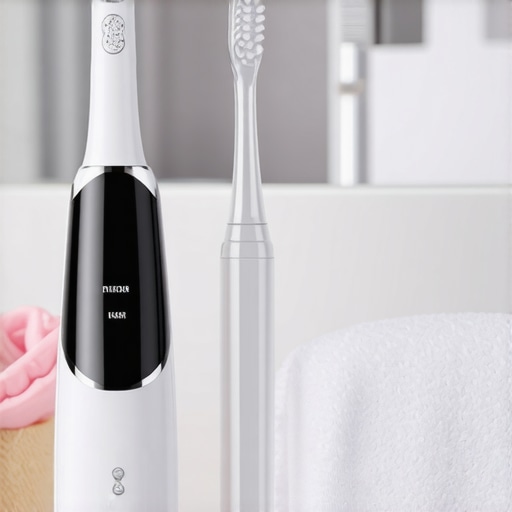
Staying consistent with your dental treatments like veneers, teeth whitening, or Invisalign requires the right tools and habits. One of my top recommendations is investing in an ultrasonic toothbrush, such as the Sonicare DiamondClean. I personally use this model because its sonic technology effectively removes plaque and surface stains without harming your restorations. Regularly replacing brush heads—every three months—is crucial to maintain optimal cleanliness and prevent bacteria buildup that could compromise your treatment results.
In addition to brushing, incorporating a high-quality water flosser, like the Waterpik Aquarius, has dramatically improved my oral hygiene routine. It reaches deep between teeth and along the gumline, ensuring every corner of your mouth is clean, especially if you have braces or veneers that require gentle yet thorough cleaning. These tools help prolong the lifespan and appearance of your dental work, keeping your investment looking great for years.
By using professional-grade whitening gels, such as those offered in-office or through recommended take-home kits, you can maintain a bright smile without over-relying on cheaper, less effective products. However, it’s essential to follow your dentist’s guidance on frequency and application to avoid damage or uneven whitening. I find that a periodic touch-up every six months, combined with proper home care, guarantees long-term results and prevents stain re-accumulation.
Future trends in dental maintenance tools
The future of home dental care is leaning towards AI-enabled toothbrushes equipped with sensors that monitor brushing habits and provide real-time feedback. Imagine a device that can detect early signs of plaque buildup or enamel erosion — I believe integrating such smart technology will become a game-changer, helping patients catch issues before requiring complex procedures. Staying ahead of these innovations can save you time and money, ensuring your smile stays healthy and radiant.
Reliable methods to maintain your dental work
Consistent visits to your family dentist are vital. During these check-ups, your dentist can identify early signs of wear or complications. For ongoing at-home care, I recommend a gentle, non-abrasive toothpaste to preserve veneers and enamel, coupled with routine flossing using waxed, shred-resistant floss. Don’t neglect routine cleaning—professional scaling every six months can remove tartar that your tools might miss. Remember, maintaining your dental enhancements is a proactive process, not a one-time effort.
Try incorporating an ultrasonic toothbrush into your daily routine today. Its superior cleaning ability and gentle operation will help keep your smile’s sparkle intact and ensure your treatments last longer. Discover more about boosting your whitening results with expert tips in this article. Proper maintenance is ultimately about consistency and leveraging the right tools, so start today and enjoy a radiant, healthy smile for years to come.
Lessions from the Front Lines of Smile Makeovers
- Early on, I believed that perfecting my smile was just about following instructions; the real breakthrough came when I realized that paying attention to small details—like the exact way I snapped in my trays—accelerated results significantly.
- Sometimes, overconfidence can lead us to overlook simple steps, such as cleaning teeth thoroughly before tray insertion, which can cause unnecessary frustration and delay progress.
- The misconception that all veneers or whitening treatments are maintenance-free almost caused me to neglect regular care, risking streaks or damage that could have been avoided with proper habits.
- Investing in the right tools—like a sonic toothbrush—can make a world of difference in maintaining these cosmetic improvements long-term, a lesson I learned after months of inconsistent results.
- Patience and adaptability are key; what works for one person’s smile transformation might not be ideal for yours. Listening to your trusted dental professional and staying proactive can save you time and costly adjustments.
My Chosen Resources for My Smile Journey
I’ve found that credible, research-backed sources provide invaluable guidance. For instance, this resource on Invisalign innovations helped me understand the latest tech that can shorten treatment time. The veneer guide offered practical advice on material selection and long-term care. Also, subscribing to newsletters from trusted dental professionals kept me updated on emerging trends and techniques, ensuring my journey remained aligned with the best practices.
Your Smile Transformation Is Within Reach
Remember, achieving your ideal smile is a personal journey that combines knowledge, patience, and consistent care. Embrace the process, stay curious, and don’t hesitate to seek expert advice whenever needed. Your future self will thank you for taking these proactive steps toward confidence and health. What new tip or insight are you planning to implement in your smile journey today? Let me know below.
Leave a Reply