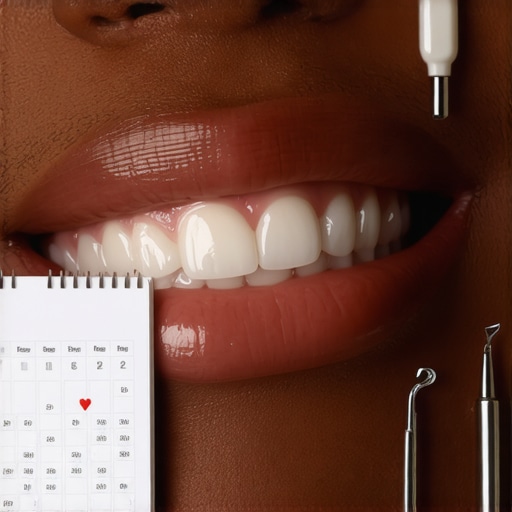
I remember the moment vividly. I was staring into my bathroom mirror, frustration creeping in as I noticed my Invisalign trays no longer fit as comfortably as they once did. After months of diligent wear, I thought my treatment was on track—until this unexpected hiccup made me question everything. It was a real lightbulb moment that even the best-laid plans need re-evaluation. If you’re like I was, caught off guard by your Invisalign journey suddenly hitting a snag, you’re not alone. Many patients jump into a treatment plan expecting smooth sailing, only to realize somewhere down the line that a mid-course correction is essential.
Why Skipping the Mid-Treatment Check Could Cost You
What many don’t realize is that your initial Invisalign plan is just a roadmap—not a fixed course carved in stone. Over the course of treatment, your teeth can shift unexpectedly, or external factors like diet, habits, and even oral health issues can slow down progress. I learned this the hard way early in my journey when I overlooked the importance of regular check-ins with my dentist. Skipping those critical mid-treatment assessments can lead to prolonged treatment times, increased costs, and even compromised results. Experts emphasize that periodic evaluations ensure your teeth are moving as planned and that any unforeseen issues are addressed promptly (source: American Association of Orthodontists).
Are you experiencing unexpected discomfort, stubborn stains, or maybe your trays don’t seem to fit quite right anymore? If so, your orthodontic plan might benefit from a thoughtful ‘mid-course’ fix. Let’s explore why this step isn’t just recommended—it’s vital for achieving the smile you envisioned.
But first, you might be wondering—”Is it really worth adjusting my plan now?” Well, I made the mistake of thinking I could power through without consulting my dentist, only to end up with longer treatment and some unexpected setbacks. Trust me, catching these issues early can save you a lot of frustration and money in the long run.
In the next sections, I’ll share practical insights and expert advice on how to spot the signs that your Invisalign plan needs a mid-treatment adjustment—and what you can do about it.
Schedule a Comprehensive Evaluation Immediately
First, contact your orthodontist or dentist to schedule an in-depth assessment. During the appointment, they will examine your current tray fit, teeth movement progress, and overall oral health. Think of this step like consulting a mechanic when your car starts making strange noises—timely diagnosis prevents further damage and costly repairs.
Identify Specific Issues with Your Trays
Check for indicators such as trays not snapping on properly, persistent discomfort, or visible stains and warping. For example, I once noticed my trays felt looser than usual. Document these observations—note if the trays smell bad or if there’s food debris—these details help your provider pinpoint problem areas quickly.
Follow Your Dentist’s Guidance for Adjustments
Based on their evaluation, your provider may recommend a mid-course correction, such as switching to new trays, adjusting your wear schedule, or adding auxiliary appliances. It’s like upgrading your phone’s software to fix bugs—necessary to keep everything running smoothly.
Implement Proper Tray Cleaning and Maintenance
Ensure your aligners are thoroughly cleaned daily. Use a soft brush and mild soap, avoiding abrasive toothpaste that can scratch the surface. Regular cleaning prevents stains and bacteria buildup, which could impede teeth movement. For stubborn stains, consider professional whitening fixes for a sparkling smile—check out these tips.
Adopt Better Habits to Prevent Future Setbacks
Prevent unintended delays by avoiding common mistakes: don’t eat or drink brightly colored foods while wearing aligners, don’t skip tray wear time, and refrain from smoking. These habits can stain or warp your trays, similar to how certain foods damage veneers—explore this guide.
Monitor Progress Regularly
Set periodic check-ins with your dental professional to ensure your teeth are moving as planned. Use a mirror to observe changes and report any discomfort or issues immediately. Think of it as tracking your fitness progress—consistent review helps you stay on course toward a perfect smile.
Adjust Diet and Oral Hygiene Routines
Limit foods that could stain or damage your trays and veneers, such as coffee or hard candies. Maintain excellent oral hygiene by brushing twice daily, flossing, and using antimicrobial rinses if recommended. This proactive approach keeps your oral environment healthy and fosters optimal teeth movement.
Many people assume that family dentistry and cosmetic procedures like teeth whitening, Invisalign, and veneers are straightforward processes, but that’s a common misconception. One of the most overlooked nuances is that these treatments involve more than just aesthetics; they require a strategic understanding of materials, longevity, and patient-specific factors. For example, popular beliefs suggest that veneers will never stain, but in reality, the types of porcelain and surface treatments significantly impact their stain resistance. According to a study published in the Journal of Esthetic and Restorative Dentistry, some veneer materials are more prone to discoloration over time due to surface porosity, contradicting the myth that all veneers are stain-proof.
Another advanced mistake is thinking that whitening procedures deliver permanent results; in fact, the longevity of whitening depends heavily on lifestyle habits, oral hygiene, and staining foods or drinks. Properly maintaining whitened teeth involves a tailored routine, including avoiding certain foods and using touch-up treatments as needed. Many neglect this ongoing care, which leads to their teeth returning to a yellowed state faster than expected. For detailed strategies, check out the [Teeth Whitening Secrets in 2025](https://smilegumcare.com/teeth-whitening-secrets-for-a-sparkling-smile-in-2025-at-1248).
In the realm of Invisalign, a frequent mistake is relying solely on the initial treatment plan without periodic evaluations. Some believe that once aligners are fitted and the process begins, no further adjustments are necessary; this couldn’t be further from the truth. External factors, patient habits, or minor biological variations can cause teeth to shift differently than anticipated, making mid-treatment checkups vital. Skipping these can lead to prolonged treatment or suboptimal results, which is why experienced orthodontists emphasize regular progress assessments. Want to see how recent innovations improve Invisalign success? Visit [Invisalign Innovation in 2025](https://smilegumcare.com/invisalign-innovation-invisible-braces-changing-smiles-in-2025-at-1537).
When it comes to family dentistry, a misunderstanding is that preventive care is only about cleaning and cavities. However, modern advancements highlight the importance of digital diagnostics, genetic testing, and personalized oral health plans. For example, some family practices incorporate AI scans to detect early signs of oral diseases, but many patients remain unaware of these tools. Falling behind on these innovations increases the risk of overlooking early-stage issues, which could lead to complex procedures later. For more on this, see [Family Dentistry Tips for a Healthy Smile in 2024](https://smilegumcare.com/family-dentistry-tips-creating-a-healthy-smile-for-your-kids-at-0915).
A hidden trap across all these areas is overestimating the durability of cosmetic materials without considering the patient’s habits. For instance, veneers can last decades, but habits like teeth grinding or biting hard foods dramatically shorten their lifespan. Recognizing these nuances can save you costly replacements and disappointments. Remember, as with any medical or cosmetic procedure, individual factors and ongoing maintenance are key. Have you ever fallen into this trap? Let me know in the comments.Maintaining a perfect smile requires not just discipline but also the right tools and techniques. I personally recommend investing in a high-quality ultrasonic toothbrush like the Philips Sonicare DiamondClean Smart. Its oscillating-rotating technology effectively removes plaque and keeps veneers, whitening trays, and Invisalign aligners clean, prolonging their lifespan. Complement this with a good antimicrobial rinse, such as a tongue scraper, to prevent bacteria buildup that can stain veneers or cause gum issues. For digital tracking of oral health progress, I use the Dental Monitoring app, which allows me to conduct remote check-ins with my dentist and catch potential problems early. Looking ahead, the trend is moving toward AI-powered dental diagnostics and smart devices that can give real-time feedback, making long-term maintenance more accessible and precise.
### How do I maintain my dental tools and routines over time?
First, replace your ultrasonic brush heads every three months to ensure maximum cleaning efficacy. Regularly disinfect your trays or veneers with the manufacturer-approved cleaning solutions, avoiding abrasive cleaners that can damage their surface. Schedule bi-annual dental check-ups and cleanings—these professional evaluations can catch early signs of wear or decay. Additionally, keep a log of any changes or discomfort you notice; early intervention often prevents expensive repairs or replacements. Personal experiences have taught me that these small but consistent habits preserve the quality of my cosmetic enhancements and overall oral health.
Investing in specialized tools like the Sonicare DiamondClean Smart has made a tangible difference in maintaining my veneers and whitening results. Make it a point to use these tools daily, stay vigilant about your routines, and stay connected with your dental professional for advice tailored to your unique needs. As technology advances, I predict we’ll see even smarter devices, like toothbrushes integrated with AI that analyze your brushing habits and give personalized tips, helping you keep your smile brilliant for years to come.
Ready to elevate your dental maintenance game? Try integrating an ultrasonic toothbrush with app connectivity today and experience the difference firsthand. For more tips on preserving your cosmetic investment, feel free to reach out via our contact page.
What I Wish I Knew About Mid-Treatment Adjustments
One of the most valuable lessons I learned was the importance of listening to my body and my dental provider. Skipping mid-treatment checkups felt convenient at the time, but it often led to surprises down the line, including prolonged treatment and unexpected discomfort. Embracing regular evaluations allowed me to catch small issues before they became big problems, saving time and money.
Why Overlooking Small Signs Can Cost You More
Paying attention to minor discomforts or tray fit issues can seem trivial, but they often signal underlying problems that could derail your whole process. I discovered that early intervention, like adjusting trays or changing my habits, made a noticeable difference in my final smile. Recognizing these signs early is a game-changer that many overlook.
Personal Hacks That Made a Difference
From using specialized cleaning tools to adjusting my diet, small daily habits significantly impacted my results. For example, avoiding staining foods during treatment and maintaining impeccable oral hygiene kept my trays clear and effective. These personal tweaks reinforced my progress and kept my motivation high.
The Power of Consistency and Open Communication
Staying consistent with tray wear, cleaning routines, and regular check-ins fostered trust with my orthodontist. Open communication was key; sharing my concerns promptly helped tailor the treatment to my needs. This proactive approach transformed my Invisalign experience from a chore into an empowering journey toward a confident smile.
My Top Picks for Dental Success
– Ultrasonic toothbrushes like the Philips Sonicare DiamondClean Smart keep veneers and aligners pristine, extending their lifespan.
– Digital monitoring apps enable remote check-ins, making ongoing care more accessible.
– Professional whitening treatments paired with proper maintenance keep results bright and lasting.
– Regular professional evaluations ensure everything stays on track, avoiding costly corrections later.
The Joy of Taking Control of Your Smile
Understanding that my smile’s health and beauty depend on ongoing care reshaped my perspective. By staying informed, being proactive, and embracing continuous learning, I now view my dental journey as a lifelong investment in confidence and well-being. If you’re on a similar path, remember—your dedication makes all the difference.
What unexpected challenge have you faced during your dental treatments? Share your experience below—I’d love to hear your story!
Leave a Reply