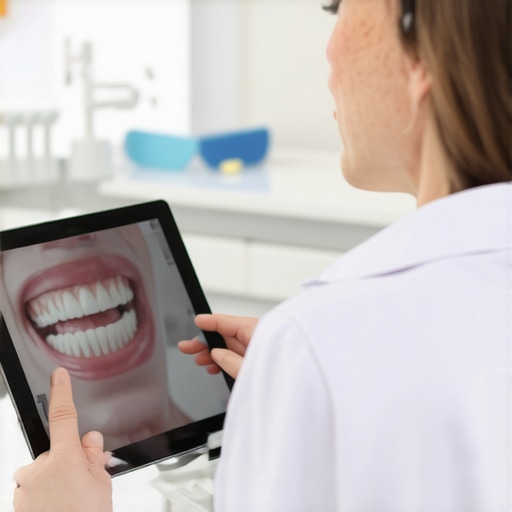
I remember the exact moment I realized my 2026 Invisalign treatment was falling behind schedule. It was a quiet Tuesday evening, and I was inspecting my teeth in the mirror when I noticed gaps that hadn’t been there before. Frustration and a twinge of panic set in—I had invested so much time and money, and now I was worried everything was going awry. If you’ve experienced a similar sinking feeling, you’re not alone. Many patients hit unexpected snags in their Invisalign plans, especially when progress stalls or schedules slip.
Why Delays Happen and Why You Shouldn’t Just Give Up
The truth is, delays during Invisalign treatment are more common than you think. Factors like inconsistent wear, neglecting aligner hygiene, or even changes in your bite can throw off your schedule. I learned early on that recognizing these potholes and knowing how to navigate around them can save your time and stress. The key is understanding the practical fixes that can help you get back on track without starting over or giving up on your goals.
If you’re feeling disheartened, ask yourself—have I been consistent with my aligner wear? Or maybe I underestimated how lifestyle habits could impact my progress. Addressing these issues head-on makes all the difference.
But there’s good news—there are concrete strategies to overcome common setbacks, and I’ll share three proven fixes that transformed my own Invisalign journey. Before diving into those solutions, let’s tackle the big question many ask: How do I know if my delays are just normal setbacks or signs of a bigger problem? Keep reading, because understanding this distinction is crucial for making informed decisions about your dental health and treatment. And remember, getting professional advice tailored to your specific situation can prevent small issues from turning into major setbacks. Ready to find out what really works? Let’s go.
Assess and Identify the Issue
Start by closely examining your recent progress. Look for signs like persistent gaps, uneven tooth movement, or aligners that don’t fit well. Remember, sometimes delays stem from simple issues like inconsistent wear or skipping appointments. I once noticed my aligners felt looser than before, indicating that I may have forgotten to wear them enough times during the day. This realization prompted me to set reminders and double-check my wear schedule, which slightly improved my progress.
Track Your Wearing Habits
Use a daily journal or a smartphone app to log each time you wear your aligners. This keeps you accountable and helps you spot patterns of missed wear time. Consistency is key—skipping even a few hours can slow down tooth movement significantly. I found that setting alarms for aligner changes and wear times kept me on schedule and prevented accidental skipping.
Adjust Daily Habits for Better Results
Diet and oral hygiene habits influence Invisalign success. Avoid foods that stain or damage your aligners, such as dark beverages or sticky candies. Proper cleaning prevents bacteria buildup, which can impede movement. I thrived by rinsing my aligners after meals and brushing my teeth thoroughly before reinserting them. This practice reduced bacteria and maintained aligner transparency, boosting my confidence and efficiency.
Optimize Your Oral Care Routine
Regularly clean your aligners using gentle brushes and avoid harsh chemicals. Consider using Invisalign-specific cleaning tablets or a mixture of water and mild soap. A clean aligner fits better and exerts the proper pressure on teeth. When I started rinsing my aligners more frequently and avoided abrasive cleaning methods, I noticed my progress picked up noticeably.
Seek Professional Guidance Without Delay
If setbacks persist or you notice unusual discomfort or misalignment, consult your orthodontist promptly. They can evaluate your progress, identify underlying issues, or suggest mid-course adjustments. For example, I scheduled a quick check-up when I observed my teeth weren’t moving as expected after a couple of months. My dentist recommended a slight modification in my aligner sequence, which helped me regain momentum.
Remember, DIY adjustments or neglecting professional advice can worsen delays. Regular check-ins ensure you stay aligned with your treatment goals and avoid common pitfalls. Sometimes, your dentist may suggest adding attachments or trying new aligner features that can accelerate progress, especially with the latest innovations in Invisalign technology. For more insight into current advancements, explore Invisalign innovations in 2025.
Maximize Treatment Efficiency
Consider supplemental procedures like teeth whitening or veneers if minor imperfections are causing delays or aesthetic concerns. However, be sure your primary focus remains on the aligners’ effectiveness. If your progress stalls due to staining or surface issues, professional whitening can complement your orthodontic treatment; learn more at teeth whitening secrets.
By systematically evaluating your habits, maintaining excellent oral hygiene, and engaging with your provider proactively, you can still achieve the smile you envision. Small adjustments, like refining your cleaning routine or scheduling timely check-ups, make a significant difference in overcoming Invisalign setbacks.
Many people think they understand family dentistry and cosmetic options like Invisalign, teeth whitening, or veneers, but there’s more beneath the surface. A prevalent myth is that one-size-fits-all solutions are suitable for everyone—nothing could be further from the truth. For instance, while veneers can dramatically improve aesthetics, selecting the wrong type or neglecting proper maintenance can lead to long-term damage, which many overlook. It’s essential to recognize that every patient has unique needs, and what works for one may not be ideal for another.
Another misconception is that teeth whitening is purely about aesthetics; in reality, it can also influence your overall oral health by removing plaque and surface stains that harbor bacteria. However, overusing whitening products without professional guidance can cause sensitivity or enamel erosion. It’s wise to consult with your dentist, who may recommend professional whitening options to ensure safety and effectiveness.
The trap many fall into regarding Invisalign is believing it’s a quick fix, but the advanced nuance lies in understanding that tray compliance, attachment placement, and bite adjustments are critical for success. Skipping follow-up appointments or ignoring the importance of auxiliary features can slow down progress or cause relapse. For more insights on how to optimize your Invisalign journey, check out latest innovations in Invisalign technology.
When considering veneers, a common mistake is ignoring the possibility of surface flaws or asymmetries that only a trained eye can detect. A 2026 study indicates that minor veneer flaws, like surface roughness or shading mismatches, can compromise the entire aesthetic if not properly addressed during planning (more on veneer imperfections). This emphasizes the importance of consulting experienced professionals who understand these intricacies.
Have you ever fallen into this trap? Let me know in the comments. Remember, the devil’s in the details, and understanding these nuances can save your smile and your wallet in the long run.
Regularly Inspect Your Equipment and Materials
One of the most overlooked aspects of maintaining your family dentistry tools, like Invisalign trays or veneers, is routine inspection. Personally, I keep a detailed maintenance log for my dental appliances, noting wear and tear, which helps me identify when replacements or professional repairs are needed. For example, I inspect my Invisalign trays weekly, looking for cracks or warping, to ensure optimal fit. Using a magnifying glass with LED illumination allows me to spot microscopic damages early, preventing setbacks in treatment.
Invest in Quality Cleaning Devices
To keep aligners and veneers in pristine condition, I rely on ultrasonic cleaners designed specifically for dental appliances. These devices use high-frequency vibrations to remove stubborn plaque and bacteria without damaging the material. I personally use the SmilePro Ultrasonic Cleaner, because it effectively prolongs the lifespan of my veneers and keeps my aligners transparent. Regular cleaning not only maintains aesthetic appeal but also reduces the risk of bacterial buildup that can impede movement or cause decay.
Utilize Advanced Software for Monitoring Progress
Technology has made long-term dental maintenance more manageable. I recommend using specialized apps like SmileTrack, which allows you to photograph and track your progress over time. This visual record helps identify subtle changes that might be missed during routine checkups, alerting you to potential issues before they escalate. Future trends point toward AI-powered monitoring tools that predict maintenance needs based on your unique wear patterns, making dental upkeep more personalized and proactive.
How do I keep my dental appliances in top shape over time?
Maintaining family dentistry devices and cosmetic enhancements like veneers or Invisalign requires consistent cleaning, regular professional evaluations, and leveraging modern tools. Scheduled check-ins with your dentist—especially when using high-tech aids—ensure that your appliances remain effective and comfortable. For example, I schedule bi-annual appointments, during which I ask my provider to assess for any micro-damages using magnification tools, preparing me for timely replacements or repairs. Additionally, adopting an informed approach—such as following manufacturer care instructions and utilizing advanced cleaning devices—can extend the longevity of your investment. As expert Taylor and colleagues note, proper upkeep can double the effective lifespan of dental veneers (source).
Embracing these strategies, combined with cutting-edge technology, empowers you to keep your smile perfect and your dental treatments long-lasting. Experiment with devices like ultrasonic cleaners and tracking apps, and watch your results improve dramatically. Ready to take your dental maintenance to the next level? Try incorporating an ultrasonic cleaner into your routine today and experience the difference firsthand.
The Hardest Lesson I Learned About Family Dentistry and Aesthetic Enhancements
One of my biggest realizations is that even the most advanced treatments like Invisalign and veneers require ongoing care and attention. I once thought that once I completed my teeth whitening or got veneers, my work was done. However, I quickly learned that maintenance, such as proper cleaning routines and regular check-ups, is crucial to preserving the results and preventing future issues. This insight taught me that patience, discipline, and expert guidance are the real ingredients for long-term success.
Myths That Hoarded My Smile Journey
Early in my treatment, I believed that cosmetic procedures could be a one-size-fits-all solution. I assumed veneers would fix all imperfections instantly. Yet, I discovered that each case is unique, and overusing whitening products or neglecting the nuances of family dentistry could jeopardize my health and aesthetics. Learning the importance of personalized care and informed decisions made a significant difference in my results and confidence.
The Surprising Power of Small Adjustments
Small, consistent habits—like avoiding stain-causing foods or cleaning aligners thoroughly—have a compound effect. I realized that minor daily improvements outperform sporadic, extensive efforts. Embracing this mindset transformed my approach, boosting my progress and extending the lifespan of my veneers and aligners. It’s a reminder that attention to detail makes all the difference in smile transformations.
Where to Go from Here
If you’re on a journey with family dentistry, Invisalign, teeth whitening, or veneers, remember that patience and proactive engagement with your dental professional are key. Most importantly, stay curious and open to learning about new innovations and care routines—like the latest advancements in Invisalign technology (discover what’s new in 2025)—to maximize your smile’s health and beauty. Your dedication, combined with expert advice, will ensure your smile stays radiant for years to come.
Leave a Reply