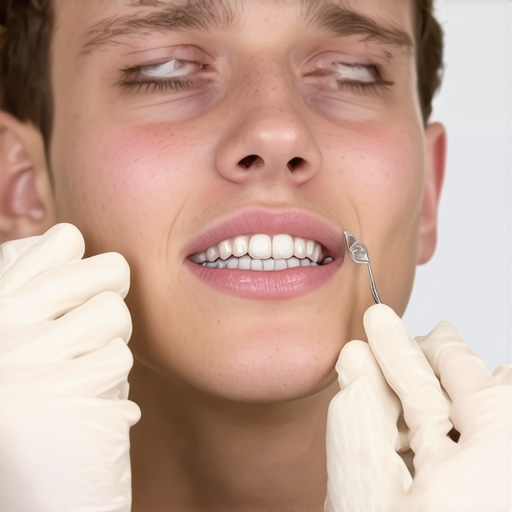
I remember the day I first looked in the mirror and noticed something odd — my smile felt different, almost a bit loose, but I kept telling myself it was just my imagination. Little did I realize, I was rushing my Invisalign treatment and unknowingly risking bone loss. That lightbulb moment taught me a hard lesson: moving too fast with orthodontic adjustments can have serious consequences.
Why Patience Matters in Invisalign Treatments
If you’ve embarked on a journey to perfect your smile with Invisalign, you already know the excitement of seeing progress. But what if I told you that pushing for rapid results might backfire? The truth is, our teeth and bones need time to adapt. Accelerating the process can lead to unintended damage, including bone resorption, which weakens your jawbone — and that’s a real concern. Scientific studies confirm that aggressive tooth movement without proper planning can cause bone loss, making your treatment not just longer but riskier.
Have You Faced This Problem Before?
If you’ve experienced discomfort, loosening of teeth, or unexpected setbacks during your Invisalign journey, you’re not alone. These signs can imply you’re moving too quickly and need to reassess your approach. Recognizing these early signals is crucial — it could save you from more complex issues down the line. Remember, a cautious, well-paced plan is more effective and safer in the long run. To explore safer strategies for your smile, check out the latest Invisalign innovations.
In the next sections, I’ll guide you through four clear signs that indicate you might be rushing your treatment and how to prevent bone loss. Trust me, patience in orthodontics isn’t just a virtue; it’s a necessity.
Track Your Teeth Movement Carefully
Regularly monitor how your teeth are shifting by scheduling check-ins with your orthodontist. During my own treatment, I made it a habit to document any changes with photos each week, which helped me notice that some teeth were moving too quickly. This micro-recording enabled me to discuss concerns promptly, preventing potential bone loss. Use your smartphone or a mirror to observe signs like gaps forming unexpectedly or teeth feeling loose, and share these details in your appointments.
Use Properly Fitted Aligners
Ensure your Invisalign trays fit snugly over your teeth. A poor fit can cause uneven pressure, leading to accelerated movement and bone stress. When I noticed my trays sat loosely, I revisited my dentist for adjustments. Never force a tray onto your teeth if it doesn’t seat correctly; this can increase risks. Trust the fit of your aligners and avoid skipping or prolonging wear time, as this can compromise bone health.
Follow a Conservatively Scheduled Treatment Plan
Adhere strictly to your orthodontist’s suggested timeline. Rushing by wearing trays longer than recommended or skipping appointments increases the chance of over-movement. I once attempted to accelerate my plan by wearing my aligners 20 hours a day instead of 22, thinking it would speed things up—this backfired, causing discomfort and misalignment. Sticking to schedule ensures gradual tooth movement, allowing your jawbone and surrounding tissues to adapt safely.
Avoid Excessive Force and Self-Adjustments
Resist the temptation to modify or physically adjust your aligners or teeth yourself. Applying extra force can cause uneven movement, risking bone resorption. During my treatment, I avoided cutting or resizing my trays, as tempting as it was to ‘speed up’ the process. Always consult your orthodontist if you think adjustments are needed. Remember, professional guidance is essential for safe progression.
Support Bone Health Through Nutrition and Lifestyle
A nutrient-rich diet supports bone density. Incorporate foods high in calcium, vitamin D, and magnesium—like leafy greens, dairy, and fish—to promote healthy bone remodeling. I added a supplement regimen recommended by my dentist, which contributed to stronger bone response during my treatment. Avoid smoking and excessive alcohol, as these habits impair bone healing and can negatively impact your Invisalign progress.
Stay Hydrated and Practice Good Oral Hygiene
Proper oral hygiene prevents inflammation that can interfere with bone integrity. Brushing twice daily and flossing helps avoid periodontal issues that can compromise the supporting bone. During my Invisalign journey, I intensified my oral hygiene routine, and it paid off—no inflammation or setbacks. Using a fluoride rinse can further bolster resistance against decay, which is critical when your bones are being actively moved.
Recognize Warning Signs Early
Be alert to indicators such as persistent discomfort, increased mobility, or uneven teeth. These may suggest too rapid movement and risking bone resorption. In my case, noticing loosened teeth prompted an immediate consultation; my orthodontist slowed the treatment, preventing more severe issues. If in doubt, check out latest Invisalign innovations for safer adjustment options and tips.
Applying these practical steps with discipline ensures a balanced approach—progressing effectively while safeguarding your jawbone. Consistency and close monitoring are your best tools to avoid unwanted complications like bone loss and keep your smile transformation on track.
Many assume that teeth whitening, veneers, Invisalign, and family dentistry are straightforward solutions, but in reality, the nuances are often overlooked. For example, a common myth is that whitening gels work instantly and permanently; however, they often only improve surface stains temporarily and can cause sensitivity if misused.
Why Do Sometimes Treatments Fail Despite Popular Beliefs?
One hidden nuance is that aggressive whitening or rapid veneer placement can compromise enamel integrity, leading to increased sensitivity or even damage. Experts highlight that accelerated cosmetic procedures often overlook the importance of listening to the body’s response. According to a study by the American Academy of Cosmetic Dentistry, improper timing and forceful interventions increase the risk of structural issues and staining recurrence, which many patients don’t realize.
Similarly, there’s a misconception that Invisalign aligns teeth faster than traditional braces. Yet, pushing for speed—such as wearing aligners longer than prescribed—can result in incomplete movement or root stress. Patience and adherence to a conservative schedule promote better long-term results.
How Can You Spot Advanced Mistakes Before They Happen?
One advanced mistake is neglecting the importance of supporting oral health during cosmetic procedures. For instance, neglecting family dental health can lead to untreated cavities or gum issues that undermine aesthetic results. Being proactive by consulting comprehensive resources like proper veneer planning or discussing the latest innovations in invisalign can help avoid costly corrections later.
Another point often ignored is the importance of maintaining proper oral hygiene during treatments. Using subpar products or skipping routine checkups can hamper outcomes and cause unforeseen setbacks. Remember, interventions like veneers or whitening are not just cosmetic—they impact the underlying structure and health. Therefore, integrating knowledge about advanced techniques and compatibility is essential for sustainable results.
In essence, truly understanding these nuances empowers you to make informed decisions and avoid basic pitfalls. Are you aware of these often-overlooked details? It might just save your smile. Have you ever fallen into this trap? Let me know in the comments.
Invest in High-Quality Monitoring Devices
To ensure your teeth stay healthy and your cosmetic results last, I rely heavily on digital intraoral scanners like the iTero Element. These devices allow me to create precise 3D models of my teeth, enabling me to track subtle changes over time with incredible accuracy. Unlike traditional impressions, digital scanning is quick, comfortable, and provides detailed data that helps prevent unnoticed shifts that could compromise treatments like veneers or aligners. Regularly updating these scans, especially before and after long-term procedures, allows me to identify early signs of issues—saving time and avoiding costly corrections.
Utilize Advanced Software for Treatment Planning and Maintenance
Effective maintenance isn’t just about manual checks; it involves sophisticated software tools that analyze my dental data. I use programs like DentalMonitoring, which integrate with my scanner data to simulate future tooth positions—kind of like a crystal ball for my smile. These simulations help me plan specific interventions if adjustments are needed, whether that’s re-aligning Invisalign trays or planning veneer touch-ups. As technology advances, these AI-driven platforms are becoming more intuitive, predicting potential problems months before they manifest physically. Staying ahead with these tools ensures I maintain my smile’s integrity over the years.
Recommended Home Care Devices for Longevity
Beyond professional tools, I swear by ultrasonic water flossers such as Waterpik. They provide a gentler yet more effective clean, especially around delicate veneers or orthodontic attachments. Regular use reduces plaque buildup, which is vital for long-term success in family dentistry and cosmetic procedures. Additionally, using a high-frequency sonic toothbrush—like the Philips Sonicare DiamondClean—ensures thorough cleaning, preserving enamel health and preventing staining. These devices are a must-have in my routine because they complement professional cleanings by maintaining a high standard of oral hygiene daily.
Prediction: The Future of Dental Maintenance
Looking ahead, I predict that minimally invasive home diagnostics will revolutionize how we maintain dental health. Wearable sensors integrated into smart toothbrushes could monitor enamel wear or gum health in real time, alerting us to issues immediately. AI-powered apps will analyze these data streams, providing personalized advice and triggering early professional interventions. This proactive approach will drastically reduce the occurrence of long-term complications and enhance the durability of treatments like Invisalign and veneers.
How do I keep my treatment working over time?
The key is consistency and utilizing the right tools. Regularly scheduling check-ins with your dentist ensures any emerging issues are caught early, and leveraging advanced scanning or monitoring devices helps you stay in control of your oral health. Incorporate high-quality home care technology and stay informed about emerging innovations. By combining professional oversight with smart gadgets, you can significantly extend the lifespan of your cosmetic and orthodontic treatments. Want to explore the latest digital tools? Consider trying a high-precision intraoral scanner or AI-based treatment tracking—your future self will thank you. And for more tips on maintaining your smile, visit our contact page.
What I Would Do Differently Next Time: Overcoming the Temptation to Rush
One of the biggest lessons I learned was the importance of patience—pushing my Invisalign trays beyond recommended wear time only caused setbacks. If I had trusted my orthodontist’s plan more, I could have avoided discomfort and potential bone loss. Remember, rapid results in teeth whitening or veneers often come at the expense of your long-term oral health. My experience taught me that gentle, consistent progress builds a stronger, more resilient smile.
Tools That Transformed My Understanding of Smile Care
Digital intraoral scanners like the latest Invisalign tech provided me with precise visuals, helping me catch early signs of over-movement. I also relied on AI-driven software to plan and maintain my treatment, which was an eye-opening step towards proactive oral health management. These tools are game-changers for anyone serious about maintaining their smile beyond the treatment room.
Lightbulb Moments We All Need to Embrace
- Don’t overlook the subtle signs of bone stress, like loosened teeth or unusual discomfort. Trust me, early detection saves a lot of trouble later.
- Prioritize your oral hygiene with high-quality devices—ultrasonic flossers and sonic toothbrushes—because healthy gums support healthy bones.
- Stay committed to your schedule—every skipped appointment or prolonged tray wear can undo months of progress and risk costly corrections.
- Listen to your body. If something feels off, consult your dentist immediately instead of pushing through the pain.
Keep Your Smile Strong: My Personal Reflection
Taking control of my orthodontic journey wasn’t just about aesthetic results; it was about respecting my body’s safeguards. I now see how crucial patience, proper tools, and early warning signs are in protecting my bones and ensuring lasting success. If you’re considering Invisalign, Veneers, or Teeth Whitening, remember that quality and mindful progress trump quick fixes. To deepen your understanding, check out more innovative techniques [here](https://smilegumcare.com/veneer-regrets-5-questions-to-ask-your-dentist-in-2026-at-1822) and plan your path wisely.
What’s Your Next Step Toward a Healthy Smile?
Getting results that last requires dedication and understanding. Have you ever pushed your dental treatments too far? Share your experiences below—I’d love to hear your story and guide you through safer, smarter choices for your smile!
Leave a Reply