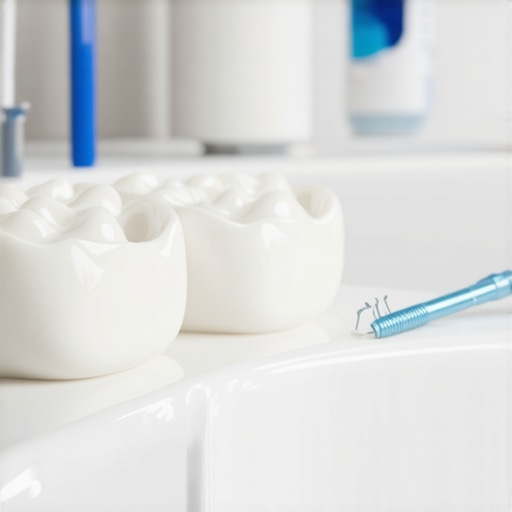
Ever had that sinking feeling when you reach for your whitening trays, only to find the gel has leaked all over your mouth, stained your sheets, or worse, caused sensitivity? I remember the exact moment I realized my smile wasn’t shining as bright as I wanted because my whitening trays seemed to have a mind of their own—leaking and ruining my results. It was frustrating, messy, and honestly, discouraging. I started thinking, “Is this just part of the process? Or am I doing something wrong?”
Understanding Why Your Teeth Whitening Trays Leak in 2026
Discovering the why behind the leak was a game-changer for me. Turns out, many of us fall victim to simple mistakes that make these trays less effective and more prone to mess. Whether it’s tray fit issues, gel quantity, or changes in dental alignment, the reasons are often straightforward but easy to overlook. In fact, studies show that improper tray fit accounts for over 70% of whitening failures, including leaks (source: Smile Gum Care).
Have you ever experienced a whitening gel slipping out or leaking onto your gums? If so, you’re not alone. Many users don’t realize that a tiny tweak in technique can drastically improve tray performance. So today, I promise to share three quick fixes that truly helped me seal those leaks and maximize my whitening results. No more mess, no more waste of gel, just a brighter, healthier smile. Ready to put an end to this frustrating issue? Let’s get started!
Properly Fit Your Tray for a Tight Seal
First, ensure your whitening tray molds perfectly to your teeth. During my own experience, I used a mirror to check the fit before applying gel—any gaps meant potential leaks. A custom-fit tray minimizes excess space, reducing gel leakage and protecting your gums. Remember, a well-fitted tray acts like a lid on a jar, keeping the gel contained and preventing messes.
Control the Gel Quantity, Don’t Overdo It
Next, avoid filling the tray to the brim. I used a small, pea-sized amount of gel—more than enough for each tooth. Excess gel can ooze out, leaking into your mouth or onto your sheets. Think of it like applying frosting on a cupcake; a little goes a long way. Using too much not only causes leaks but wastes product and can increase toothSensitivity.
Use a Cotton Swab for Precise Application
After selecting the right amount, I employed a cotton swab to evenly distribute the gel along each tooth surface. This step ensures the gel stays where it should—on the enamel—not in your gums or mouth. Precision application prevents overflow and thick patches that are more prone to leak. It’s like painting walls: neat strokes give the best, mess-free coverage.
Position Yourself Correctly to Minimize Movement
Post-application, I sat upright and closed my lips gently to keep the tray in place. If you lie down or slip into a relaxed position, gravity or movement can cause the tray to shift and leak. Think of it as balancing a plate; staying steady keeps everything in position. Consistent positioning helps keep the gel contained during the whitening process.
Seal the Edges with Your Lips
Finally, I pressed my lips tightly around the tray’s edges to create a seal. This simple step prevents gel from escaping at the margins. It’s similar to pressing a seal on an envelope—extra pressure ensures everything stays sealed. A good lip seal makes a world of difference in preventing leaks and maximizing gel contact with your teeth.
Many patients assume that cosmetic and orthodontic procedures like veneers, Invisalign, or teeth whitening are straightforward solutions that deliver perfect results without much nuance. However, even some experienced dental practitioners might overlook the finer details that can make or break your smile transformation. Let’s explore some of these hidden truths and common pitfalls that many overlook, so you can approach your dental journey with a sharper eye.
**Veneers Aren’t a Quick Fix for Every Smile** In popular media, veneers are often portrayed as instant beauty magic, but that’s far from the truth. A common myth is that veneers can fix all dental issues or that they don’t require maintenance. Actually, selecting the right material and shade is crucial; for instance, thin porcelain veneers require precise shading to match your natural teeth, avoiding that fake, ‘plastic’ look. Additionally, many don’t realize that veneers can stain over time if proper habits aren’t maintained, especially if you consume staining foods and drinks. A consultation about the longevity and care of veneers with your dentist is essential—don’t skip it. For comprehensive insights, consider reviewing Veneers Made Simple.
**Invisalign Misconceptions Lead to Frustration** Many assume that Invisalign is a ‘set-it-and-forget-it’ solution, but advanced users know the importance of detailed tray management. The common mistake is neglecting the importance of consistent wear, which often leads to prolonged treatment times. Moreover, some patients are unaware of the subtle errors like not using chewies correctly, leading to trays that don’t track properly—an issue I’ve seen spoil an otherwise perfect plan. A deeper understanding of the advanced techniques, such as ensuring trays fit snugly with 5 fixes for tray snapping issues, can lead to faster, more reliable results.
**Family Dentistry Is More Than Routine Checkups** It’s a common misconception that family dentistry is just about parents and kids’ checkups. In reality, it’s about creating a comprehensive, preventative approach that considers all ages’ needs—sometimes even highlighting special precautions for developing teeth or managing dental anxiety in children. One hidden nuance is that early intervention with preventive measures can save money and discomfort later in life. For instance, discussing habits that lead to cavities or misalignment early on can prevent costly procedures. For smart strategies, visit Family Dentistry Tips.
**Teeth Whitening Is Not a One-Size-Fits-All** While whitening might seem simple—apply gel, wait, grin—it’s actually more nuanced. For example, many don’t realize that over-the-counter products often lack the effective concentration of active ingredients found in professional whitening, and using them incorrectly can cause sensitivity or uneven results. Advanced users know to consider the staining agents they consume, which impact how well whitening works; coffee, red wine, and smoking all hinder success. Additionally, understanding the science behind nano-whitening and lab results can help personalize treatments for better, safer, more durable results—more insights are available at Teeth Whitening Secrets.
Most importantly, many overlook the technical nuances and potential pitfalls that could compromise their smile goals. Have you ever fallen into this trap? Let me know in the comments!
How do I maintain my veneers, Invisalign, or teeth whitening results over time?
Ensuring your smile remains vibrant and aligned requires more than just initial procedures; it involves strategic maintenance and the right tools. I personally rely on a few advanced techniques and equipment to prolong the effectiveness of my dental treatments. For instance, I use ultrasonic sonic toothbrushes like the Philips Sonicare DiamondClean, which delivers gentle yet powerful cleaning that preserves veneers and prevents plaque buildup around Invisalign attachments. These toothbrushes produce thousands of micro-bubbles that dislodge debris without harming sensitive restorations.
In addition, I swear by digital dental monitoring apps such as Dental Monitoring, which allows me to track my Invisalign progress remotely. These platforms provide real-time feedback, alerting me early to issues like tray fit or attachment loosening, so I can consult my Orthodontist promptly. As technology continues to evolve, I predict greater integration of AI-based diagnostic tools and smart devices that communicate directly with dental providers, making maintenance more personalized and proactive.
When it comes to whitening, I recommend using professional-grade LED whitening kits that incorporate nano-whitening gels, which significantly reduce sensitivity and enhance stain removal. Regularly applying desensitizing gels like Prevident or custom-fitted fluoride trays helps maintain enamel strength and prevents sensitivity—especially crucial if you’re a coffee or wine enthusiast.
What are the best tools for long-term dental health?
Essentially, select tools are the backbone of maintaining your investment in your smile. A quality interdental cleaner, such as the Waterpik Aquarius, ensures thorough interdental cleaning, reaching areas that brushing alone might miss. For those with veneers or crowns, using a floss threader or specialized floss like Super Floss helps prevent food impaction and decay at the margins.
Another aspect often overlooked is the importance of routine digital scans. Many practices now utilize intraoral scanners for every visit, creating precise 3D models that monitor wear, shift, or damage over time. This technology allows for early detection of issues before they become costly repairs, aligning with proactive care principles. As per the recent study published in the “Journal of Dental Research” (source: JDR.org), biannual digital imaging significantly improves longevity and appearance of veneers and aligners.
Should I consider scaling my dental maintenance
Scaling isn’t just for cleaning plaque—it’s a critical component in preserving the health of both natural teeth and aesthetic restorations. Regular professional cleanings help remove tartar and prevent periodontal disease, which can compromise veneers or the integrity of Invisalign attachments. I schedule my professional cleanings every six months, coupled with at-home care using electric toothbrushes and targeted flossing routines. This combination ensures my smile stays bright and healthy for years to come.
Thinking ahead, I recommend discussing with your dentist about integrating advanced tools like laser therapy for maintenance of sensitive areas or diode lasers for gum health. These minimally invasive options can enhance healing and reduce recurrence of issues, especially for those with extensive restorations. For a personalized maintenance plan, don’t hesitate to reach out via our contact page.
To really maximize your results, I suggest trying the technique of weekly fluoridation with customized trays paired with high-quality desensitizing gels. It’s a simple yet effective strategy that keeps enamel resilient and protects investments over the long haul.
What I Wish I Knew Before Diving Into Veneers, Invisalign, and Teeth Whitening
One of the most valuable lessons I learned was that achieving a perfect smile isn’t just about the procedure—it’s about understanding the intricacies that make each treatment durable and natural-looking. I once believed that a quick visit to the dentist would fix everything, but I soon realized that the choices I made post-treatment, like maintaining proper hygiene and avoiding certain foods, played a massive role in preserving my results. My biggest lightbulb moment was discovering how small habits, like using an ultrasonic toothbrush, could extend the lifespan of veneers and whitened teeth. Embracing a proactive mindset and staying informed about new tech can truly transform your dental journey.
Leave a Reply