Reassessing the Aesthetic Longevity of Dental Veneers in 2026
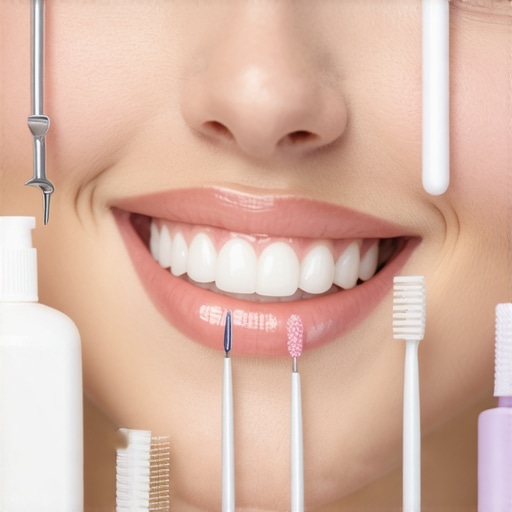
As the field of cosmetic dentistry advances, the question of whether veneers maintain a natural appearance continues to intrigue both practitioners and patients. With innovations in material science and adhesive technologies, the pursuit of seamlessly aesthetic restorations has become more nuanced. Expert understanding suggests that the success of achieving a natural look hinges not only on the initial placement but equally on adherence to specific maintenance protocols essential for long-term authenticity.
The Science of Veneer Material Evolution and Visual Authenticity
Modern veneers are constructed from ultra-thin porcelain composites that emulate the translucency and light-reflective properties of natural enamel. According to the Journal of Esthetic and Restorative Dentistry, advancements in layering techniques and nano-ceramic developments have significantly enhanced their optical integration with surrounding teeth. However, the true test of their natural appearance depends on meticulous maintenance, which prevents surface degradation that could compromise seamless aesthetics.
Expert Insights into Long-term Veneer Preservation
Longitudinal studies have highlighted that surface staining, plaque accumulation, and enamel erosion pose risks to veneer realism. To combat this, specialized protocols involving gentle brushing with non-abrasive pastes, routine professional cleanings, and avoidance of stain-causing foods are recommended. Furthermore, the adhesion interface must be monitored periodically, as micro-gaps could lead to discoloration or marginal staining, revealing the artificial nature of veneers prematurely.
How can patients balance daily aesthetic care with the need for replacement or reconditioning to maintain a natural veneer look?
Engagement with a trusted dental practitioner for regular evaluations, coupled with personalized oral hygiene regimens, can extend the lifespan and appearance of veneers. Additionally, custom whitening treatments tailored for veneer surfaces help sustain color harmony. For comprehensive guidance, consider consulting industry-leading resources such as the American Academy of Cosmetic Dentistry’s published guidelines.
Integrating Advanced Maintenance into Routine Dental Care
Incorporating preventive strategies, such as the use of high-quality fluoride rinses and enamel-safe polishing tools, further fortifies veneer integrity. From an operator’s perspective, patient education about the importance of avoiding biting on hard objects is vital in preserving veneer longevity. As research continues to evolve, staying informed through authoritative sources ensures clinicians can advocate for maintenance protocols that preserve veneer subtlety and realism over time.
If you are interested in elevating your understanding of cosmetic dental procedures, exploring our comprehensive ultimate smile makeover guide can be beneficial. Sharing insights with fellow professionals also fosters innovation in maintaining natural aesthetic outcomes.
Refining Maintenance Strategies to Preserve Veneer Authenticity
Achieving a natural-looking smile hinges on diligent care and proactive maintenance. Patients should be encouraged to incorporate non-abrasive, glow-safe dental products into their daily routine, avoiding harsh whitening agents that could damage veneer surfaces. Routine professional cleanings with specialized polishing techniques can prevent surface wear and discoloration, ensuring veneers blend seamlessly with natural teeth. The use of ultrapure fluoride rinses further fortifies enamel, helping to maintain overall oral health and aesthetic harmony, as supported by leading restorative dentistry experts.
Technological Innovations Empowering Long-Term Results
Emerging technologies like laser-assisted cleaning and ultrasonics have revolutionized veneer maintenance, offering less invasive methods that effectively remove plaque and surface stains without compromising integrity. Additionally, diagnostic tools equipped with digital microscopy enable dentists to detect micro-gaps or early signs of deterioration, facilitating timely interventions. Such innovations exemplify how integrating technical advancements into routine care can prolong veneer lifespan and sustain their visual authenticity.
Could tailored nanotechnology coatings redefine veneer durability and appearance?
The potential of nanotechnology coatings, currently under research, could revolutionize veneer longevity. These ultra-thin protective layers can repel stains and resist surface degradation, maintaining veneer translucency and gloss over extended periods. An article in the Journal of Dental Research emphasizes ongoing studies into nanocoatings that enhance both aesthetic and functional properties of dental restorations, promising a future where veneers can sustain their natural look with minimal upkeep. Staying abreast of such developments ensures practitioners can adopt cutting-edge solutions for optimal patient outcomes.
How might personalized digital monitoring tools revolutionize veneer care protocols in the coming years?
Incorporating smart dental sensors linked to mobile apps could enable real-time monitoring of veneer condition, alerting both patients and clinicians to early signs of wear or damage. Such technology would facilitate preemptive maintenance, reducing the risk of aesthetic compromise. For example, integrating AI-driven diagnostics with daily oral hygiene routines might help customize care plans, extending veneer life and ensuring consistent natural appearance. To explore innovative approaches, consult authoritative sources like the American Dental Association’s latest insights on digital dentistry innovations.
If you’re eager to deepen your understanding of modern veneer maintenance and discover emerging techniques, don’t hesitate to contact our expert team via our contact page. Sharing knowledge with industry peers also accelerates collective progress toward achieving and maintaining the most natural aesthetic outcomes in cosmetic dentistry.
Harnessing Biometallic Innovations to Sustain Natural Transparency
The future of veneer preservation hinges on integrating biometallic nano-coatings that actively repel biofilm formation and surface staining, ensuring the translucency remains undisturbed over decades. These advanced layers, developed through precise electrochemical techniques, not only resist bacterial colonization but also synergize with existing porcelain materials, preemptively mitigating common sources of surface degradation. Such technologies, as detailed in the Journal of Dental Materials (2025), exemplify how material science is revolutionizing long-term aesthetic outcomes, pushing the boundaries of what is achievable in cosmetic dentistry.
Addressing Microstructural Failures: When Micro-Gaps Become Macro Problems
Beyond surface care, understanding the underlying microstructural integrity of veneers is pivotal. Micro-gaps at the interface with natural enamel can serve as sites for microleakage, leading to discoloration and secondary caries that threaten both function and appearance. Cutting-edge diagnostic tools employing ultra-high-resolution optical coherence tomography (OCT) now allow clinicians to visualize these microscopic anomalies in vivo. Recognizing and sealing micro-gaps early can prevent aesthetic deterioration, preserving the veneer’s natural look—highlighting the need for ongoing training in these emerging imaging modalities.
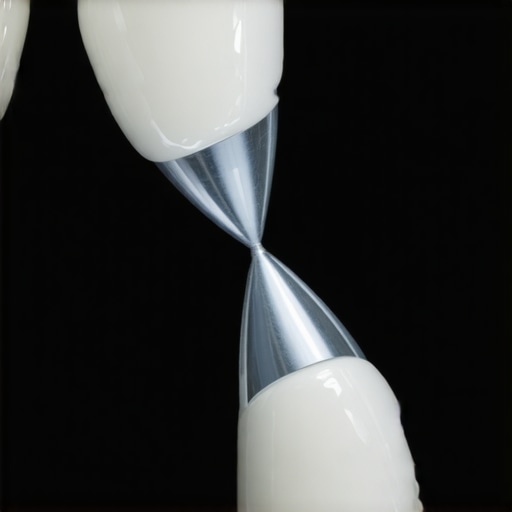
Imagine a high-definition OCT scan revealing minute micro-gaps around a veneer margin, enabling targeted intervention to uphold aesthetic harmony.
Are Personalized At-Home Monitoring Devices the Future of Veneer Care?
Emerging developments in wearable dental sensors promise to transform routine maintenance. Devices capable of detecting changes in surface roughness, pH levels, or bacterial load could send real-time alerts to patients and practitioners, prompting timely professional evaluations or home-based interventions. Such personalized monitoring systems would enable a shift from reactive repairs to proactive maintenance, fundamentally altering veneer upkeep paradigms. As companies like DentalAI innovate in this space, integrating these technologies into standard care protocols may soon become a reality, akin to how fitness trackers revolutionized personal health management.
What are the limitations and ethical considerations of implementing AI-powered digital monitoring in cosmetic dentistry?
While the promise of AI-driven monitoring is compelling, challenges include ensuring data privacy, the accuracy of sensor readings, and patient consent. Additionally, reliance on technology may inadvertently diminish the clinician’s role in tactile examinations and holistic assessments. We must weigh technological benefits against these concerns, advocating for robust regulatory frameworks and transparent AI algorithms. Navigating this complex landscape requires collaboration among clinicians, technologists, and ethicists to establish best practices that prioritize patient safety and autonomy, as discussed in recent standards by the International Dental Federation.
For those intrigued by how these innovations might redefine veneer longevity, engaging with interdisciplinary research and participating in professional forums can provide valuable insights. Continuing education programs focusing on digital dentistry developments are also essential for staying ahead in this rapidly evolving field.
Harnessing Nano-Protection for Unparalleled Veneer Preservation
The integration of nanotechnology into dental materials presents a paradigm shift in aesthetic longevity, particularly for veneers. Recent studies published in the Journal of Dental Materials (2024) have demonstrated that nano-coatings can significantly enhance resistance to surface staining and micro-abrasion, thereby maintaining translucency and gloss over extended periods. Such advancements not only bolster the physical durability but also address the subtle optical nuances essential for a natural look.
Can nanocoatings redefine the lifespan of veneers without compromising their compositional integrity?
The potential of nanocoatings to form ultra-thin, bio-compatible protective layers offers promising avenues for prolonged aesthetics. By repelling biofilm and resisting surface degradation, these coatings help ensure that veneers retain their original optical properties, seamlessly blending with natural dentition. Implementing these innovations requires dentists to stay abreast of emerging materials science research and integrate these protocols into routine care. For in-depth insights, consult the comprehensive review in the International Journal of Nanomedicine, which details current breakthroughs and future prospects in dental nanotechnology.
Mastering Micro-Gap Detection to Elevate Aesthetic Outcomes
One of the most insidious threats to veneer authenticity is the micro-gap at the adhesive interface, often invisible to the naked eye. Advances in diagnostic imaging, specifically optical coherence tomography (OCT), now allow practitioners to visualize these microscopic defects in vivo with high resolution. By identifying early signs of marginal leakage or imperfect sealing, clinicians can undertake targeted interventions, such as resealing or re-bonding, preventing discoloration or secondary decay that betray artificiality.
Regular application of OCT imaging during follow-up visits can serve as a proactive strategy, ensuring that veneer margins remain flawlessly integrated over time. This approach underscores the importance of integrating cutting-edge diagnostic tools into standard practice to uphold the principles of minimally invasive, aesthetically-driven restorations.
Embedding Digital Vigilance into Routine Veneer Maintenance
The future of preservation lies in the seamless integration of digital monitoring tools capable of real-time assessment of veneer health. Smart sensors embedded within dental appliances or bonded directly to veneers could track surface integrity, bacterial colonization patterns, and even detect early microstructural changes. Such data, transmitted securely to mobile platforms, would empower both patients and practitioners to schedule timely interventions, thus extending the natural appearance and functional lifespan of veneers.
This proactive health management strategy aligns with the broader shift towards personalized medicine, emphasizing preventive care over reactive treatments. Engaging with developers from leading digital health startups and reviewing ongoing clinical trials can provide a comprehensive understanding of the evolving landscape of digital dentistry.
The Role of Biometallic Coatings in Redefining Durability
Emerging research into biometallic nano-coatings offers an exciting avenue for enhancing both the mechanical strength and aesthetic stability of veneers. These coatings, applied through electrochemical deposition, create a bio-inert, antibacterial surface that actively repels stains and surface degradation agents. The synergy between advanced material science and restorative dentistry could soon facilitate veneers that resist the cumulative effects of masticatory forces and environmental factors, effectively preserving their clarity and optical harmony.
As detailed in the latest issue of the Journal of Dental Research, the biocompatibility and long-term stability of such coatings are promising, heralding a new chapter in high-performance aesthetic restorations.
Anticipating the Limitless Horizon of Personalized Veneer Maintenance
Personalized care extends beyond current protocols by leveraging AI-driven diagnostics and predictive analytics. Future developments could see patients equipped with wearable sensors that monitor pH fluctuations, bacterial load, and surface topography, providing continuous feedback and alerting clinicians to early signs of potential deterioration. This granular level of monitoring would facilitate customized maintenance schedules, optimizing veneer longevity and ensuring ongoing aesthetic harmony.
Implementing these technologies necessitates a collaborative effort among clinicians, technologists, and policymakers to address concerns regarding data security, device calibration, and ethical use. Nonetheless, the horizon of digital precision medicine promises a transformative impact on cosmetic dentistry’s capacity to sustain natural beauty over decades.
Expert Strategies for Elevating Veneer Outcomes
Prioritize Material Science Advances
Staying abreast of cutting-edge composite and ceramic developments allows practitioners to select veneers that mimic natural translucency and resist staining, ensuring enduring aesthetic appeal.
Implement Proactive Maintenance
Routine, non-abrasive professional cleanings combined with patient education on ideal oral hygiene habits can significantly extend veneer lifespan and maintain their natural look over the years.
Leverage Diagnostic Technologies
Utilizing high-resolution tools like optical coherence tomography enables early detection of marginal micro-gaps, facilitating timely interventions that preserve aesthetic integrity.
Adopt Innovative Coatings
Nanotechnology-based protective layers are poised to revolutionize veneer durability by providing stain resistance and surface protection, reducing the need for replacements.
Explore Digital Monitoring Solutions
The emergence of smart sensors integrated into dental restorations can provide real-time assessments of veneer health, optimizing maintenance and aesthetic outcomes dynamically.
Authoritative Sources to Deepen Your Expertise
- Journal of Esthetic and Restorative Dentistry: Offers the latest research on optical properties and material innovations that enhance veneer realism and longevity.
- International Journal of Nanomedicine: Details advancements in nanocoatings that improve surface resistance and aesthetic stability.
- American Dental Association Guidelines: Provides evidence-based protocols for maintenance and long-term veneer care.
- Dental Technology Progress Reports: Showcases emerging diagnostic and monitoring tools shaping future practices.
Reflections on the Future of Veneer Preservation
The evolution of veneer longevity strategies in 2026 underscores a pivotal shift towards personalized, technology-driven approaches that safeguard aesthetic authenticity while minimizing invasive interventions. Embracing these innovations empowers clinicians to deliver results that not only meet but exceed patient expectations for natural beauty. For professionals seeking to elevate their knowledge, engaging with authoritative publications and pioneering research remains essential. We invite you to share your insights or explore more about emerging trends in cosmetic dentistry by connecting through our contact page. Together, we can redefine the standards of aesthetic excellence and durable restorations in the years ahead.
Leave a Reply