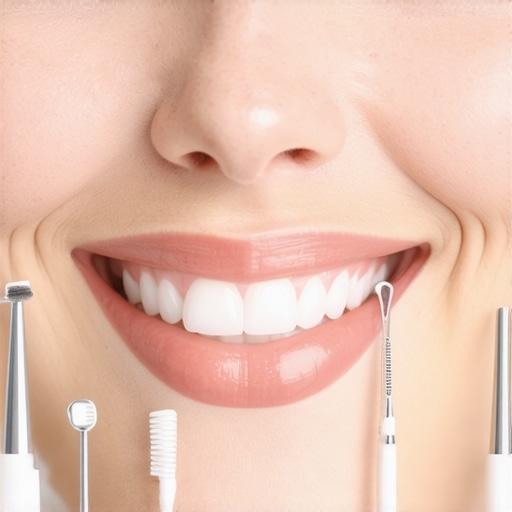
Understanding the Nuances of Veneers and Cosmetic Dental Enhancements in 2024
In the rapidly evolving landscape of aesthetic dentistry, 2024 marks a pivotal year where technological advancements and nuanced clinical techniques converge to redefine smile makeovers. As an expert in dental aesthetics, I recognize that the integration of digital smile design and biocompatible materials has significantly elevated the predictability and longevity of veneer restorations and cosmetic procedures.
Innovative Materials and Their Impact on Smile Longevity
Recent developments in porcelain and composite resins, such as ultra-thin lithium disilicate veneers, offer enhanced translucency and durability. These materials are designed to mimic natural enamel more closely, providing patients with a seamless blend of function and aesthetics. Furthermore, the advent of nanohybrid composites enables minimally invasive enhancements that preserve tooth structure while achieving remarkable visual results.
The Role of Digital Dentistry in Customizing Smile Enhancements
Digital smile design (DSD) has become a cornerstone in planning and executing complex smile transformations. By employing 3D imaging and computer-aided design, practitioners can simulate outcomes with precision, reducing chairside guesswork and ensuring patient satisfaction. This technology also facilitates interdisciplinary collaboration, integrating orthodontic, periodontal, and restorative strategies for comprehensive results.
Balancing Functionality and Aesthetics: The Art of Smile Design
Effective veneers and cosmetic enhancements must harmonize with the patient’s functional dynamics. Incorporating occlusal analysis and temporization techniques ensures that aesthetic improvements do not compromise long-term oral health. Advanced occlusal guards and neuromuscular assessments inform the optimal positioning of veneers, preventing premature wear or failure.
What Are the Most Complex Considerations When Planning Cosmetic Veneers for Patients with Extensive Restorations?
In cases where patients present with extensive previous restorations or compromised tooth structure, clinicians face challenges in achieving durable and natural-looking results. Meticulous planning, including thorough diagnostic workups and material selection, is essential. The use of mock-up testing and provisional restorations allows for iterative adjustments, ensuring the final outcome aligns with both aesthetic and functional requisites.
For those seeking to deepen their understanding of advanced smile enhancement techniques, exploring resources like smile makeover strategies can be invaluable. Additionally, sharing insights and experiences within professional communities enhances collective expertise and drives innovation.
Incorporating the latest evidence-based practices and cutting-edge materials ensures that your aesthetic dentistry remains at the forefront. As the field continues to evolve, continuous education and interdisciplinary collaboration will be vital in delivering predictable, long-lasting, and stunning smile results in 2024 and beyond.
Harnessing the Power of Digital Customization for Complex Smile Restorations
In the realm of advanced aesthetic dentistry, digital smile design (DSD) continues to revolutionize how clinicians approach complex cases, especially for patients with extensive restorations or structural compromises. By integrating high-resolution 3D imaging, digital mock-ups, and CAD/CAM fabrication, practitioners can craft highly personalized treatment plans that anticipate outcomes with remarkable precision. This technology enables a stepwise approach—beginning with digital simulations, followed by provisional restorations—that allows for iterative adjustments, ensuring both aesthetic harmony and functional integrity before final restorations are placed. For detailed insights into leveraging digital tools for comprehensive smile design, visit our complete smile makeover guide.
Material Innovations for Restoring Natural Aesthetics in Challenging Cases
The advent of ultra-strong, highly translucent materials like lithium disilicate and zirconia allows clinicians to restore extensive damage while maintaining natural light reflection and translucency. When dealing with compromised structures, the choice of material becomes critical, as it must withstand functional forces while seamlessly blending with remaining tooth tissue. Nanohybrid composites also offer minimally invasive options for repairs, especially in situations where preservation of tooth structure is paramount. Understanding these material properties and their clinical applications helps elevate outcomes in complex cases.
The Art and Science of Occlusal Harmony in Restorative Success
Achieving a durable and beautiful result extends beyond aesthetics; occlusal harmony is fundamental. Advanced occlusal analysis tools, including digital bite registration and neuromuscular assessments, inform the precise positioning of restorations. This approach minimizes risks like premature wear, fracture, or temporomandibular joint issues. Experts also emphasize the importance of provisional restorations to test functional and aesthetic parameters, making necessary adjustments in real-time. Integrating these techniques ensures that final restorations are not only stunning but also long-lasting and healthy.
How can clinicians optimize the balance between aesthetic perfection and functional stability in highly compromised cases?
This challenge is at the core of complex smile makeovers. It requires a nuanced understanding of biomechanics, material science, and patient-specific occlusal dynamics. Employing a multidisciplinary approach—collaborating with orthodontists, periodontists, and prosthodontists—can lead to more predictable outcomes. Additionally, ongoing education through trusted resources like smile makeover strategies ensures clinicians stay updated on innovative techniques and materials.
If you’re interested in exploring further, consider sharing your questions or success stories in the comments below, or browse more expert insights on comprehensive smile transformation tips.
Integrating 3D Printing and CAD/CAM Technologies for Precise Veneer Fabrication
The evolution of digital dentistry has ushered in unprecedented levels of precision in veneer fabrication, especially for complex cases involving extensive restorations. Utilizing high-resolution 3D printing in conjunction with CAD/CAM systems allows clinicians to produce highly accurate provisional and final restorations that conform perfectly to the patient’s unique anatomy. This integration facilitates a seamless workflow, from digital impression to laboratory communication, reducing errors and enhancing predictability.
By employing digital workflows, practitioners can simulate multiple design iterations, adjusting parameters for optimal aesthetics and function before committing to final fabrication. This iterative process not only improves patient satisfaction but also minimizes chairside adjustments, ultimately saving time and resources. For an in-depth understanding of implementing these technologies, consult authoritative sources such as the Journal of Prosthetic Dentistry, which discusses case studies demonstrating the clinical benefits of digital fabrication.
Biomimetic Materials: Unlocking Natural Aesthetic and Functional Outcomes
In challenging restorative scenarios, selecting biomimetic materials that replicate the physical and optical properties of natural enamel is crucial. Innovations such as translucent zirconia and layered lithium disilicate ceramics enable the creation of restorations that reflect light similarly to natural teeth, providing an authentic aesthetic appearance. These materials also exhibit high fracture toughness and wear resistance, essential for long-term durability in complex cases.
Furthermore, nanohybrid composites, with their superior polishability and color stability, offer minimally invasive repair options that preserve residual tooth structure. Understanding the material science behind these options allows clinicians to customize treatments based on functional demands and aesthetic goals, ensuring restorations withstand occlusal forces while maintaining natural translucency.
What are the key considerations when choosing restorative materials for patients with parafunctional habits?
Patients with bruxism or other parafunctional habits pose unique challenges, as their restorations must withstand increased occlusal loads. Selecting materials with high fracture toughness, such as monolithic zirconia, is advisable. Additionally, occlusal design must incorporate protective measures like night guards to mitigate wear. Integrating these strategies ensures the longevity of the restorations and preserves oral health in the long term. For a comprehensive review, see the Journal of Prosthodontics.
Advanced Occlusal Management: Techniques for Achieving Functional Harmony in Complex Restorations
Achieving occlusal harmony in extensive veneer cases requires meticulous analysis and adjustment. Digital bite registration devices and neuromuscular assessment tools facilitate precise mapping of occlusal contacts and jaw dynamics. Incorporating these data into virtual articulators allows for dynamic simulations, predicting potential interferences or premature contacts well before final placement.
Provisional restorations serve as a testing ground to evaluate functional comfort and aesthetic harmony. Adjustments based on feedback from patients and functional assessments can be made iteratively, ensuring that final restorations distribute occlusal forces evenly and prevent parafunctional damage. This meticulous approach is supported by evidence from contemporary research, such as the work published in Dental Materials Journal.
How can digital occlusal analysis improve outcomes in full-mouth rehabilitations?
Digital occlusal analysis enhances the clinician’s ability to quantify and visualize occlusal forces, identify high-pressure contacts, and plan adjustments with precision. This technology reduces subjective guesswork, minimizes the risk of post-treatment complications, and ensures that restorations are functionally harmonious with the patient’s mandibular movements. For further insights, explore resources such as the International Journal of Prosthodontics.
If you’re eager to refine your expertise or share complex case experiences, consider engaging with professional communities or attending specialized workshops available through leading dental educational platforms. Deepening your understanding of these advanced techniques empowers you to deliver exceptional, long-lasting results for your patients.
Unveiling the Future of Smile Makeovers: Cutting-Edge Approaches in 2024
As the realm of aesthetic dentistry continues to evolve at an unprecedented pace, 2024 stands out as a year marked by groundbreaking technological integrations and sophisticated clinical methodologies. Dental professionals now leverage digital workflows and biomimetic materials that not only enhance aesthetic outcomes but also promote long-term oral health, transforming patient experiences and expectations.
Next-Generation Materials: Translucency and Strength Redefined
The development of ultra-thin lithium disilicate and high-strength zirconia ceramics has revolutionized restorative options for complex cases. These materials offer a remarkable balance of translucency, mimicking natural enamel’s optical properties, and durability to withstand functional stresses. Additionally, nanohybrid composites are gaining popularity for minimally invasive repairs, providing clinicians with versatile solutions that preserve healthy tooth structure while delivering superior aesthetic results.
How Digital Dentistry Elevates Customization and Predictability
Utilizing digital smile design (DSD), clinicians can simulate and refine smile transformations with unmatched precision. The integration of 3D imaging, CAD/CAM fabrication, and virtual articulators enables meticulous planning, reducing chairside adjustments and enhancing patient satisfaction. This approach fosters a collaborative environment, where interdisciplinary planning ensures functional harmony alongside aesthetic excellence.
Addressing Complex Restorations: Strategic Planning and Material Selection
Managing patients with extensive restorations or compromised dentitions demands meticulous diagnostic protocols. Employing diagnostic wax-ups, mock-ups, and provisional restorations facilitates iterative adjustments aligned with both aesthetic ideals and occlusal stability. Selecting appropriate biomimetic materials, such as layered lithium disilicate or monolithic zirconia, ensures restorations can endure occlusal forces while maintaining natural translucency.
What Are the Critical Factors for Achieving Long-Lasting Results in Cases with Severe Structural Damage?
Achieving durable outcomes in severely compromised cases hinges on comprehensive diagnostic analysis, precise material choice, and meticulous occlusal management. Techniques like digital bite registration and neuromuscular assessments inform the optimal positioning of restorations, preventing premature wear and failure. Furthermore, interdisciplinary collaboration—especially with orthodontists and periodontists—ensures that structural, functional, and aesthetic parameters are holistically addressed. For further insights, consult the detailed guidelines published by the American Academy of Cosmetic Dentistry (AACD Clinical Guidelines).
Engage with these advanced strategies and elevate your practice to deliver exceptional, predictable results that stand the test of time—embrace the future of aesthetic dentistry today.
Expert Insights & Advanced Considerations
Technological Integration Enhances Longevity
In 2024, the convergence of digital workflows and biomimetic materials is revolutionizing aesthetic dentistry. Experts emphasize that leveraging high-precision CAD/CAM systems coupled with ultra-translucent ceramics significantly improves the durability and aesthetic harmony of veneers, setting new standards in long-term patient satisfaction.
Holistic Occlusal Management Is Critical
Achieving seamless functional harmony remains paramount. Advanced digital bite analysis and neuromuscular assessments enable clinicians to optimize occlusal contacts meticulously, thereby preventing premature failures and ensuring the longevity of cosmetic restorations.
Material Science Continues to Evolve
Emerging materials like layered lithium disilicate and high-strength zirconia are offering unmatched translucency and resilience. Recognizing their appropriate application is vital for handling complex cases with extensive structural compromise, ensuring restorations withstand functional demands while maintaining natural aesthetics.
Interdisciplinary Collaboration Drives Success
Integrating orthodontics, periodontics, and restorative strategies through digital planning tools enables comprehensive smile design. This collaborative approach enhances predictability and aligns aesthetic goals with functional stability, particularly in intricate cases involving extensive restorations.
Curated Expert Resources
- Journal of Prosthetic Dentistry: Provides in-depth case studies and evidence-based advancements in digital fabrication and material science, essential for staying at the forefront of cosmetic dentistry.
- American Academy of Cosmetic Dentistry (AACD) Guidelines: Offers comprehensive protocols for occlusal management, material selection, and interdisciplinary planning, critical for complex smile makeovers.
- Dental Materials Journal: Features cutting-edge research on biomimetic materials, informing clinical choices for durable and natural-looking restorations.
Final Expert Perspective
Mastering the latest innovations in cosmetic dentistry, from digital smile design to biomimetic materials, empowers professionals to deliver results that are both aesthetically stunning and functionally durable. Embracing interdisciplinary collaboration and continuous education will be pivotal in shaping the future of smile makeovers. Engage actively with these resources and share your insights to contribute to the evolving landscape of aesthetic dentistry. For more in-depth guidance, explore our comprehensive guide to veneers in 2025 and stay ahead in delivering exceptional patient care.


3 Comments