
How to clean plaque off a permanent retainer wire
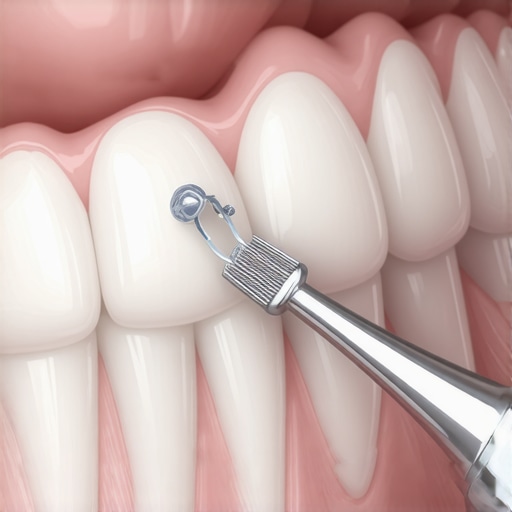
I’ll never forget the morning I caught a glimpse of my lower teeth in one of those 10x magnifying mirrors. I had spent months following the latest invisalign innovation to get my smile straight, only to see a crusty, yellowish ridge forming along the base of my permanent wire. I felt like a total failure. I was brushing twice a day, yet there it was—that annoying “fuzzy” feeling that just wouldn’t go away. I even tried to scrape it off with a metal tool once and ended up with bleeding gums and a scratched wire. If you have ever felt that rough texture with your tongue and wondered why your toothbrush isn’t doing its job, you are definitely not alone. Today, I’m sharing the exact routine I use to keep that wire as clean as the day it was bonded, because your family dentistry visits shouldn’t feel like a lecture on hygiene every six months. [image placeholder]
Stop Treating Your Bonded Wire Like a Normal Tooth
The biggest mistake I made—and maybe you’re making it too—was thinking my high-end electric toothbrush could reach the “blind spot” directly behind the metal wire. It simply cannot. According to the American Dental Association, plaque can start hardening into tartar (calculus) in as little as 24 to 72 hours, and once it is calcified, no amount of regular brushing will budge it. This is exactly why your teeth feel gritty after a professional cleaning session even if you think you have been diligent. I learned the hard way that knowing how to remove plaque buildup from your retainer requires a completely different strategy than just a standard brush and paste. We are going to dive into the specialized tools and the “thread-and-pull” technique that actually gets results without damaging your enamel.
Wait, is this permanent wire actually doing more harm than good?
I get the skepticism. You are likely worried that the wire is just a trap for bacteria that will eventually cause a cavity or gum disease. I have been there, staring at the mirror and wondering if I should just ask my dentist to rip the thing out and take my chances. But after seeing how to stop teeth from shifting without a retainer, I realized the wire is a necessary anchor for a lifelong smile. The trick isn’t getting rid of the wire; it is mastering the best method for flossing under a permanent lingual retainer. Have you ever looked at your retainer and felt like you were fighting a losing battle against the “gunk”? I would love to hear if you have found a specific tool that actually makes the process less of a chore.Standard floss is useless here; it’s like trying to thread a needle with a wet noodle. You need specialized reinforcements. I remember my first attempt with a stiff-ended floss threader. I stood in front of the bathroom mirror for twenty minutes, sweating and accidentally poking my gums until they bled. It felt ridiculous, but that’s the learning curve. Eventually, I discovered that interdental brushes—those tiny ‘Christmas tree’ shaped tools—are the real MVPs for clearing out the ‘gunk’ that accumulates in the tight gaps. If you have kids with similar hardware, checking out family dentistry tips creating a healthy smile for your kids at 0915 can help you set them up for success early on.
Grab These Three Tools Before You Start
The first thing you need is a ‘superfloss’ or a dedicated floss threader. This isn’t just a suggestion; it’s the only way to bypass the wire. Think of the wire as a bridge—you can’t go through it, so you have to go under it. While you’re at it, consider a water flosser. It’s like a power washer for your mouth. While it doesn’t replace physical flossing, it’s incredible for dislodging food particles that invisalign innovation or traditional wires often trap. I also keep a stash of interdental brushes in my car for post-lunch emergencies. 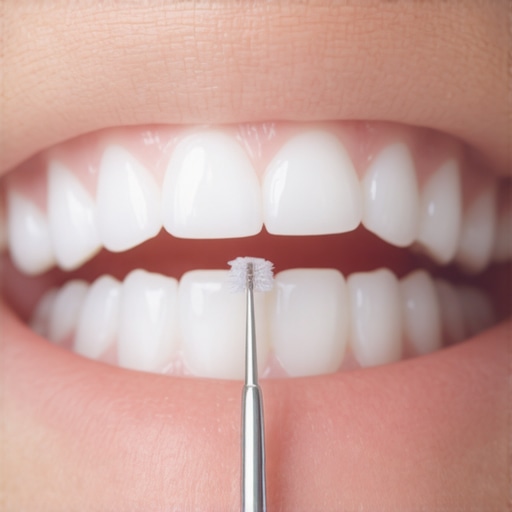
Navigate the Wire Without Losing Your Mind
Start by threading the stiff end of your floss between two teeth, right at the gum line but beneath the wire. Once the floss is through, don’t just pull it back and forth. You need to form a ‘C’ shape around each tooth. Slide the floss up and down against the side of the tooth, venturing slightly beneath the gum line. This is where the best method for flossing under a permanent lingual retainer pays off. If you skip this, plaque hardens, and you’ll eventually need to know why your teeth feel gritty after a professional cleaning session when the hygienist has to chip away at the stone-like calculus.
Don’t Panic If Your Gums Protest
The first time I actually got the floss under the wire, my gums bled so much I thought I’d sliced something open. It turns out, that’s just localized gingivitis from the weeks I’d spent ignoring that area. It’s a sign you need to keep going, not stop. If you notice the simple reason your gums bleed only when you floss one specific tooth, it’s usually because that’s the spot where the most bacteria has set up camp. Within a week of consistent cleaning, the bleeding stopped, and that ‘fuzzy’ feeling was replaced by smooth enamel.
Keep the Surface Bright for the Long Term
Cleaning the wire isn’t just about health; it’s about aesthetics. Tartar buildup around a retainer looks yellow and can ruin the look of a bright smile. If you’ve invested in the ultimate guide to teeth whitening options in 2025, don’t let a dirty wire sabotage the results. I found that even when my teeth were pearly white, the yellowish ridge at the bottom made my whole mouth look ‘off.’ Maintaining the area behind the wire ensures that your veneers or natural teeth stay looking professional and clean.Let’s dig deeper into a nuance that even the most diligent patients miss. There is a common belief that a high-powered water flosser is a total replacement for manual threading. In my experience, relying solely on water is a dangerous trap. While it is great for knocking loose a stray piece of food, it often fails to disrupt the sticky biofilm that glues itself to the back of your teeth and the bonding resin. According to research published in the Journal of Clinical Periodontology, mechanical friction—the actual scrubbing motion of floss or a brush—is significantly more effective at removing mature plaque than pressurized water alone. If you skip the physical contact, you are essentially just rinsing a dirty plate without using a sponge. This is a common hurdle when learning invisalign secrets achieving a perfect smile discreetly; you cannot just wash the problem away. 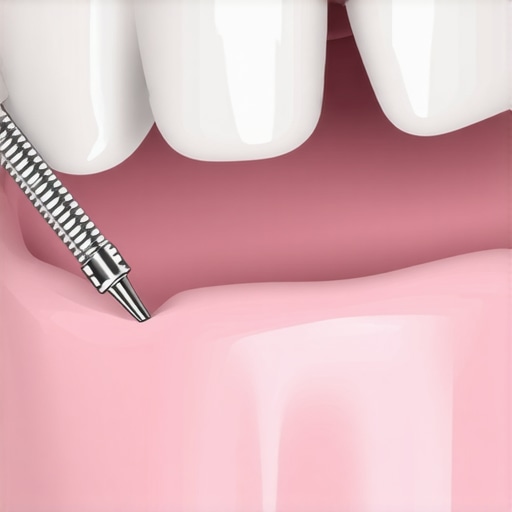
The Water Flosser Trap Most People Fall Into
Another common mistake I see is the urge to use abrasive DIY whitening methods to clean around the wire. I have seen people try charcoal pastes thinking they are getting a deeper clean, but the truth about the charcoal whitening trend and your enamel is that it can actually roughen the surface of your bonding material. Once that resin is scratched, it becomes a magnet for stains and bacteria, making your job twice as hard. If you have moved on to cosmetic upgrades, you must stop brushing your veneers like they are real teeth because the junction where the porcelain meets your gum is just as vulnerable as the area around your retainer wire.
Why does my breath smell like vinegar even after I brush?
This is a sophisticated question that points to a hidden buildup. Often, why your breath smells like vinegar after wearing aligners all night or even with a permanent wire is due to anaerobic bacteria hiding in the microscopic gaps between the metal and the tooth. These bacteria produce volatile sulfur compounds that standard mouthwash only masks. The only way out is precise, manual debridement with a threader or an interdental brush. Have you ever fallen into the trap of thinking your routine was good enough only to be surprised at your next check-up? Let me know in the comments. If you are struggling with a specific stubborn spot, don’t hesitate to contact us for a professional demonstration that can save you years of dental headaches.
Upgrade Your Kit with Silicon Interdental Picks
I used to use those metal-core brushes, but they kept clicking against my wire and making me flinch. Now, I exclusively use soft-picks—the silicon ones with the tiny rubber bristles. They are much gentler on the gums and don’t scratch the bonding material. If you are managing your kids’ oral health too, checking out ensuring family dental care what parents need to know in 2025 will give you more ideas on which tools are age-appropriate. These picks allow me to ‘scrub’ the sides of the teeth where the wire meets the enamel, a spot that most people miss even when they use a water flosser. 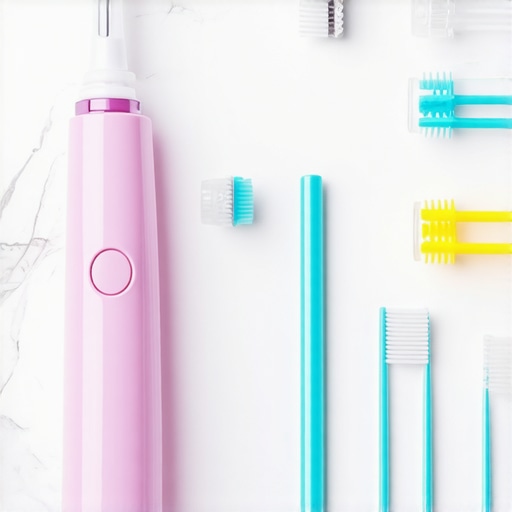
How do I maintain my dental work over the long haul?
The reality of orthodontic work is that teeth have a ‘memory’ and they want to move back. Dr. Simon Littlewood, a leading consultant orthodontist and niche expert, noted in the Journal of Orthodontics that ‘retention should be considered a lifelong phase of orthodontic treatment.’ This is why I advocate for the ‘Double-Lock’ method: having a permanent wire and wearing a clear removable retainer at night. It sounds like overkill, but it is one of those invisalign secrets achieving a perfect smile discreetly that pros use to ensure their alignment never slips. If your wire ever breaks, you need to know how to stop your bottom teeth from shifting after your retainer breaks immediately to avoid a costly redo.
Stop Thinking of Whitening as a One-Time Event
If you have explored brighten your life top teeth whitening strategies today, you know that maintenance is where the real work happens. I keep my smile bright by being hyper-vigilant about staining agents. For example, knowing how to keep your teeth white without giving up black tea involves using a reusable straw and rinsing with water immediately after drinking. This same logic applies if you have invested in veneers made simple transform your tooth aesthetics in 2025 at 1822; you must learn how to prevent coffee stains on your new veneers because while the porcelain doesn’t stain easily, the cement at the edges definitely does. Looking ahead, I predict we are about to enter an era of ‘smart retention,’ where our retainers will have embedded sensors to alert us to shifts before they are visible to the naked eye. For now, the best tool is your own consistency. My challenge to you: Try the ‘Two-Minute Thread’ tonight—take two full minutes just for the teeth behind that wire. You will be shocked at the difference it makes by your next check-up.
The Hardest Lesson I Learned While Navigating My Permanent Wire
After years of managing my own dental hardware, I realized that the wire isn’t the enemy—complacency is. One of the biggest shifts in my mindset occurred when I stopped seeing flossing as a task to check off and started seeing it as protecting a lifelong investment. I once ignored a small ‘rough’ patch for a month, only to find out it had caused a minor gum infection that required a deep cleaning. I also learned that you can’t rely on luck; you have to be your own advocate. If you ever feel that something is off, like you need to fix the small gap that appeared between your front teeth despite the wire, call your orthodontist immediately. My lightbulb moment was realizing that teeth whitening secrets for a sparkling smile in 2025 at 1248 mean nothing if the foundation—your gum health—is crumbling under the weight of plaque.
[image placeholder]
My Go-To Toolkit for a Flawless Smile
To keep everything in top shape, I rely on a curated selection of essentials that have never let me down. First, a high-quality water flosser is non-negotiable for pre-cleaning, especially if you also have to properly clean a night guard to prevent bacterial buildup every morning. I also swear by silicon interdental picks because they reach the tightest corners where standard brushes fail. Finally, I trust the experts in family dentistry building healthy smiles for every generation to catch the microscopic issues I might miss. Having these specific resources at your fingertips turns a potentially stressful routine into a simple, five-minute habit.
The Future of Your Perfectly Aligned Smile
You have already done the heavy lifting by getting your teeth into position. Whether you used traditional braces or followed the latest invisalign secrets achieving a perfect smile discreetly, the finish line is actually just the start of your maintenance journey. By dedicating just a few minutes each night to your lingual retainer, you ensure that your smile remains a source of confidence rather than a source of dental anxiety. Consistency is the true bridge between a temporary fix and a permanent result. Once you master the ‘Two-Minute Thread,’ you are well on your way to knowing the secret to keeping your smile white after a professional treatment for decades to come. Have you ever struggled with getting the threader through a particularly tight space between your teeth? Let me know below!