
How to clean the stubborn gunk out of your night guard
I’ll never forget the morning I realized my night guard looked less like a medical device and more like something you’d find at the bottom of a neglected aquarium. I had just finished my morning coffee, went to give my guard its usual quick rinse, and stopped dead. There it was: a stubborn, chalky white crust that seemed to have bonded with the plastic on a molecular level. It was gross. It was embarrassing. And honestly, it made me wonder if I was just putting a petri dish in my mouth every night. If you’ve ever felt that same wave of ‘ick’ looking at your dental gear, trust me, you are not alone. We invest hundreds of dollars into these things—whether it’s for grinding or as part of protecting our family’s dental health—so seeing them turn yellow and crusty feels like a personal failure. But here’s the good news: that gunk isn’t permanent, and you don’t need a chemistry degree to fix it. Today, I’m going to show you exactly how I reclaimed my night guard from the brink of the trash can.
Why Your Night Guard Is Growing a Crusty Coral Reef
That white stuff isn’t just ‘dirt.’ It’s actually a combination of hardened plaque and calcium deposits from your saliva. Over time, these minerals calcify, creating a rough surface where even more bacteria can hide. It’s a vicious cycle. I learned the hard way that a quick splash of water under the tap isn’t enough to properly clean a night guard. In fact, my biggest early mistake was thinking I could just scrub it with my regular gritty toothpaste. Big mistake. It created tiny microscratches that acted like ‘luxury condos’ for bacteria. This buildup is why you might notice your dental appliance has a persistent odor or even why your breath smells like vinegar after a long night of wear. According to the American Dental Association, oral appliances can harbor significant amounts of biofilm and pathogens like Candida albicans if not disinfected regularly.
Is it really worth the effort to deep clean it every day?
Look, I get it. Life is busy. You’re trying to manage the kids’ schedules and maybe keep their smiles healthy too, so cleaning a piece of plastic feels low on the priority list. But think about it this way: you wouldn’t wear the same pair of socks for six months without a wash, right? Your mouth is a warm, wet environment—the perfect breeding ground. Have you ever reached the point where you were too disgusted to even put your guard in? Tell me I’m not the only one who has considered just buying a new one every month! Before you go spending another $400, let’s talk about the techniques that actually dissolve that stubborn calcification without ruining the material.
Dissolve Mineral Buildup Using This Simple Kitchen Hack
To get that crusty, white calcification off your night guard, you need to think like a scientist, not a janitor. Since that buildup is essentially mineralized saliva, you need an acid to break those bonds. The most effective—and cheapest—method I’ve found is a simple distilled white vinegar soak. Fill a clean glass with enough vinegar to fully submerge your guard and let it sit for about 15 to 30 minutes. The acetic acid in the vinegar gently dissolves the calcium without warping the plastic. I remember the first time I tried this; I was skeptical that a salad dressing ingredient could outperform expensive dental cleaners. But after 20 minutes, I watched the white flakes literally drift away from the guard’s surface. It’s a game-changer, especially if you’re trying to figure out why your breath smells like vinegar in the morning—sometimes, the solution to the smell is actually using the substance itself to deep clean! 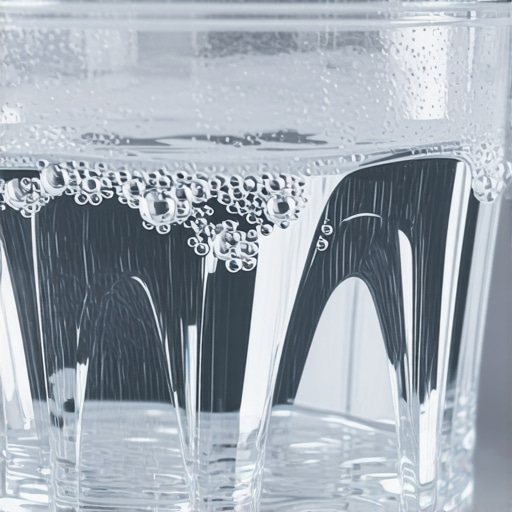
Stop Using Abrasive Pastes on Your Expensive Hardware
Once you’ve finished the soak, you need to brush away the loosened debris, but here is where most people go wrong. I once made the mistake of using a stiff-bristled brush and whitening toothpaste on my $400 guard. I thought I was being thorough, but I actually created millions of microscopic scratches. These tiny grooves became a magnet for new bacteria, making the guard get dirty even faster. Instead, you must learn how to clean your dentures without scratching the surface—the same rules apply to night guards and retainers. Use a very soft-bristled toothbrush and a non-abrasive dish soap or specialized cleaning foam. This ensures you’re removing the biofilm without compromising the smooth finish of the appliance. If you’re also managing healthy smiles for your kids, teaching them this gentle-cleaning habit early on will save their future retainers from a similar fate.
Daily Habits That Keep Your Breath Fresh
The best way to handle calcium buildup is to prevent it from ever hardening. This means a strict ‘rinse and dry’ routine. Every single morning, the moment that guard comes out of your mouth, rinse it under cool water to remove the wet saliva before it has a chance to dry and calcify. But don’t just leave it in a puddle in the case. Knowing the best way to store your clear aligners when you aren’t wearing them is crucial; they need airflow to prevent mold growth, but they also need to be protected from dust. If you use Invisalign, following these steps is the only way to master how to stop your clear aligners from turning yellow over time. I’ve found that a small, ventilated case kept on a high shelf (away from the dog!) is the perfect balance. By keeping the surface smooth and dry when not in use, you deny bacteria the environment they need to thrive, ensuring your gear stays as clear as the day you got it.
Stop Brushing Your Veneers Like They Are Real Teeth
Most people assume that once they get a stunning new set of porcelain shells, they can just treat them like the enamel they were born with. In reality, that’s the fastest way to ruin your investment. I’ve seen so many people diligently scrubbing away with whitening toothpaste, only to find their porcelain veneers look dull after five years. The ‘Oops’ factor here is the abrasive nature of standard toothpaste; it creates microscopic scratches on the porcelain that eventually trap stains, defeating the purpose of the treatment. You have to stop brushing your veneers like they are real teeth and switch to a gel-based, non-abrasive formula. If you’ve noticed they feel slightly ‘off’ or bulky, it’s often because your temporary veneers feel way thicker than the real ones, but if that pressure persists with the permanents, you need to address the fit immediately to prevent gum recession. 
The Uncomfortable Truth About Why Whitening Fails
Everyone wants a Hollywood glow, but there is a common myth that any tooth can be bleached to a brilliant white. In my experience, if your teeth have a gray or blue undertone rather than yellow, standard peroxide treatments will barely make a dent. This is often why your professional whitening didn’t work as well as last time or why you feel like you’re wasting money on kits. According to a study published in the Journal of the American Dental Association (JADA), over-bleaching can actually lead to ‘translucency,’ where the tooth looks gray because the enamel has become too thin to reflect light. If you find yourself in this boat, you might need to look into top teeth whitening strategies that involve microabrasion rather than just chemical bleaching. Have you ever spent a fortune on whitening only to see zero results? Let me know in the comments!
Does Invisalign actually cause your teeth to feel loose permanently?
It’s a terrifying sensation when you take your trays out and feel a slight wiggle in your front teeth. This is a common point of anxiety for those looking into Invisalign secrets. While it is normal to feel like your teeth feel loose during the second month of Invisalign, the trap is assuming this mobility is permanent. The ‘wiggle’ is actually the periodontal ligament stretching to allow movement. However, the real danger is poor hygiene during this phase. If you aren’t meticulous, bacteria can settle into those widened ligament spaces, leading to actual bone loss. This is why ensuring family dental care includes teaching everyone—from teens to adults—that orthodontic hardware requires twice the effort in cleaning. Whether you are managing healthy smiles for every generation or just trying to perfect your own, remember that the tools you use are only as good as the technique behind them.
Technique is half the battle, but having the right arsenal makes the difference between a smile that lasts five years and one that stays brilliant for twenty. After years of trial and error with my own Invisalign trays and night guards, I finally invested in a professional-grade ultrasonic cleaner. If you aren’t using one, you’re missing out on the only way to reach those microscopic crevices where calcification hides. These devices use high-frequency sound waves to create cavitation bubbles that literally blast away biofilm. According to a 2020 study published in the Journal of Prosthetic Dentistry, ultrasonic cleaning is significantly more effective at reducing microbial counts on oral appliances compared to manual brushing, all without the risk of creating those nasty micro-scratches. It’s the gold standard for cleaning plaque off a permanent retainer wire or keeping your trays crystal clear.
Why You Need an Ultrasonic Pod on Your Vanity
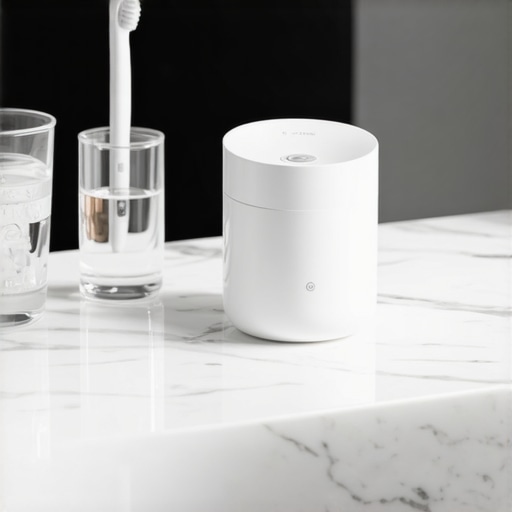
I personally use my ultrasonic pod every morning while I’m making coffee. It’s a passive way to ensure I’m not just rinsing, but actually disinfecting. This is especially critical if you are navigating Invisalign innovation and invisible braces. When the trays are perfectly clear, they remain truly ‘invisible.’ If you let them yellow, the secret is out. Beyond the pod, the tool I never skip is a high-quality water flosser. While traditional floss is great for tight gaps, the water flosser is king for flushing out debris from under the gumline where family dental care often falls short. It’s also the safest way to maintain your gum health if you’ve recently invested in veneers to transform your tooth aesthetics.
How do I keep my smile looking new for years?
Maintenance is about consistency and choosing the right chemistry. For those of us who love coffee but want to keep our teeth whitening results, I recommend a two-pronged approach: use a straw for dark liquids and keep a stash of pH-balancing oral mists. Acidic environments soften your enamel, making it easier for stains to latch on. By neutralizing your mouth’s pH after a meal, you’re essentially hardening your ‘shield’ before the staining can occur. This is also a fantastic habit for the little ones; teaching healthy smiles for your kids starts with managing the acidity of their snacks.
The Future of Dental Care Is Moving Into Your Bathroom Mirror
Looking ahead, I predict we are going to see a massive shift toward AI-integrated home monitoring. We are already seeing toothbrushes that map your mouth in 3D, but soon, we’ll have sensors that can detect early-stage demineralization before a cavity even forms. This tech will make building healthy smiles for every generation much more proactive rather than reactive. If you want to stay ahead of the curve, my best tip is to stop looking at dental care as a twice-a-year event and start treating it like a high-performance skincare routine. Try adding an alkaline mouth rinse to your nightly ritual this week—it’s a small tweak that yields massive long-term results for your enamel strength.
Lessons Learned the Hard Way in My Quest for the Perfect Smile
After years of trial and error, I realized that the secret to longevity isn’t in expensive products but in the micro-habits. For instance, never underestimate the power of saliva; it’s your body’s natural defense, but only if you aren’t constantly feeding it sugar. I also learned that how to stop your clear aligners from turning yellow over time is less about scrubbing and more about timing your rinses correctly. I spent far too long believing that more pressure with a toothbrush meant more cleanliness, when in reality, I was just inviting sensitivity and damaging the material of my appliances.
Another major shift for me was understanding that gum health determines the ‘frame’ of your smile. If you are looking into top teeth whitening strategies, remember that no amount of bleaching can fix a smile if the gums are inflamed and receding. Consistency beats intensity every single time, especially when you’re ensuring family dental care for your loved ones who are likely mirroring your own oral habits.
Tools That Actually Work
I don’t recommend things lightly, but these tools changed the game for me. First, an ultrasonic pod is non-negotiable for anyone with Invisalign or night guards. It provides a level of cleanliness that manual brushing simply cannot match by reaching microscopic pits in the plastic. Second, I swear by the American Dental Association’s ‘Seal of Acceptance’ list whenever I’m trying a new toothpaste or rinse; it’s the only way to cut through the marketing noise and find products that won’t erode your enamel.
Lastly, for those looking for Invisalign secrets, I always suggest keeping a set of silicone ‘chewies’ and a specialized removal tool in every bag you own. These small additions make the transition into orthodontic life so much more manageable, keeping your fingers out of your mouth and ensuring your trays are always seated perfectly for the best results.
Make Your Smile a Lifetime Investment
At the end of the day, your dentist only sees you for about two hours a year. The other 8,758 hours are entirely up to you. Whether you are focusing on family dentistry building healthy smiles for every generation or just trying to keep your own veneers looking fresh, remember that small, intentional actions build a legacy of health. Don’t let a bad morning of skipping your routine turn into a week of neglect. Your smile is a living part of you—treat it with the respect it deserves, and it will serve you for decades to come.
What is the biggest hurdle you face when it comes to cleaning your dental gear or staying consistent with your routine? Let me know in the comments below!