
How to Clean the White Buildup Inside Your Clear Aligner Case
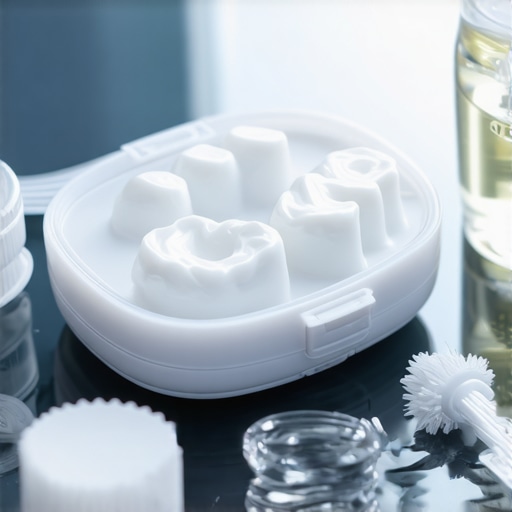
I remember the first time I peeked into my clear aligner case and was greeted by a strange, stubborn white film clinging to its interior. It was a lightbulb moment for me—realizing that this seemingly small detail could turn into a bigger problem if ignored. That white buildup isn’t just unsightly; it can harbor bacteria, lead to unpleasant odors, and compromise the hygiene of your aligners and your overall oral health.
Why Keeping Your Aligner Case Clean Matters More Than You Think
Maintaining a clean aligner case is often overlooked, yet it’s crucial. Imagine going through the trouble of whitening, straightening, or perfecting your smile, only to let bacteria and residue accumulate in the very place you store your most expensive investments—your aligners. Over time, this buildup can lead to discoloration, bad breath, and even infections. Plus, it can stain or damage your aligners, making them less effective and more difficult to clean later on. As someone who has faced this issue firsthand, I can tell you that a clean case is the unsung hero of orthodontic care. Regularly cleaning your aligner case doesn’t just keep things fresh—it protects your investment and maintains your oral health.
Is All Cleaning Created Equal? Why Not Just Soap and Water?
Early on, I made the mistake of just rinsing my case with plain water, assuming that was enough. Big mistake. Proper cleaning involves more than just a quick rinse. Harsh residues and stubborn deposits can hide in the tiny crevices of your case. In fact, using the wrong cleaning methods can sometimes cause more harm than good, such as scratching the plastic or leaving behind residues that contribute to bacterial growth. To truly tackle the white buildup, you’ll want to incorporate specific cleaning practices that are safe for your case and effective against buildup. Ready to learn the proven methods to keep your aligner case spotless and bacteria-free? Let’s dive into the easy steps I swear by, including the tricks that make all the difference. And if you’re curious about enhancing your smile, check out my tips on [teeth whitening secrets](https://smilegumcare.com/teeth-whitening-secrets-for-a-sparkling-smile-in-2025-at-1248) for a brighter, healthier look.
Mastering the Routine: Cleaning Your Aligners and Case
To keep your aligners sparkling and your mouth healthy, start by removing your trays and rinsing them with lukewarm water immediately after removal. Avoid hot water, which can warp the plastic. Use a soft toothbrush and a gentle, non-abrasive toothpaste or a specialized Invisalign cleaning tablet to scrub all surfaces, especially around attachments and edges. I remember a time I ignored this step and tried brushing my aligners quickly with regular toothpaste—resulting in a rough surface that felt uncomfortable and stained faster. Once brushed, rinse thoroughly to remove any residue.
Deep Clean Your Aligners Weekly
Every week, soak your trays in a mixture of equal parts water and vinegar for 15 minutes. Follow this by gently brushing to eliminate stubborn deposits. This method effectively breaks down calcium buildup and white film buildup. For a more thorough clean, I once combined this process with a baking soda paste, creating a fizzy reaction that cleaned even the toughest spots. Always rinse well afterward to prevent residual taste or chemicals from lingering. Additionally, avoid using harsh chemicals like bleach, which can damage your trays and harm your oral tissues.
Keep Your Case Spotless
Regularly clean your aligner case to inhibit bacteria growth. Use warm water and mild dish soap, scrubbing with a soft brush or cloth. For stubborn residue, occasionally wipe with a mixture of water and baking soda, then rinse thoroughly. I learned the hard way that neglecting this step can turn your case into a breeding ground for bacteria, which can cause bad odors and stains on your aligners. Remember, an unclean case can undo your diligent cleaning routine, so make it a weekly habit.
Prevent White Film and Odors
White buildup is often caused by mineral deposits and bacteria, which thrive in moist, unclean environments. To prevent this, after cleaning, dry your aligners and case completely. Using a clean, dry cloth or paper towel can help. For persistent odor, placing a few drops of rubbing alcohol in your case temporarily disinfects it, but avoid frequent use to prevent plastic degradation. Implementing these habits has drastically reduced my own white film and kept my smile bright.
Additional Tips for Optimal Hygiene
Avoid eating or drinking sugary beverages while wearing aligners, as sugars foster bacteria growth. Rinse your mouth with water before reinserting your trays to minimize food debris. When traveling or unable to clean immediately, keep your trays in a sealed container with a cleaning wipe or soak in a cleaning solution. Combining these practices ensures your aligners remain clear, odor-free, and hygienic.
For further insights on teeth whitening techniques that complement your orthodontic journey, check out these whitening secrets.
While many patients believe they understand the basics of cosmetic and family dental treatments, numerous misconceptions persist that can undermine their results and overall oral health. As experts, it’s vital to clarify these nuances and dispel widespread myths. One common myth is that teeth whitening is solely about using over-the-counter products; however, professional whitening offers more controlled, effective outcomes and minimizes risks like enamel damage, especially when combined with tailored oral care routines.
Can DIY Whitening Actually Damage Your Teeth Long-Term?
In fact, some believe that frequent use of whitening strips enhances results, but overuse can lead to increased tooth sensitivity and weakening of enamel, as highlighted by the American Dental Association. It’s a trap that many fall into, thinking more is better—which isn’t true. When it comes to Invisalign, there’s a misconception that these aligners are just for mild cases. In reality, advanced versions are capable of complex tooth movements, and the treatment’s success depends heavily on proper usage and supervision. Ignoring this delicate process can result in prolonged treatment or subpar results, so understanding the intricacies helps ensure optimal outcomes. For up-to-date insights on innovations in invisible braces, check out my comprehensive review of Invisalign advancements in 2025.
Are Avoiding Regular Checkups a Hidden Risk in Family Dentistry?
Many assume that if their children aren’t showing symptoms, routine visits can be skipped. Conversely, family dentistry emphasizes the importance of early detection of issues like cavities or orthodontic problems that are asymptomatic initially. Overlooking regular checkups can allow small issues to develop into costly or complex treatments later. This is a key nuance many overlook, and maintaining a proactive schedule is vital for long-term dental health. When considering veneers, some believe they are solely aesthetic, ignoring their potential to protect fragile teeth or improve function when properly placed. In fact, modern veneers can serve both practical and aesthetic purposes, but improper placement or choosing the wrong material can lead to issues like increased sensitivity or uneven wear. To learn how veneers can be a durable solution, see my guide on transparent veneer options.Maintaining your dental appliances and treatments over the long term requires more than just routine brushing and flossing. Investing in the right tools can make all the difference in preserving your smile’s health and appearance. One essential device I personally swear by is the Sonicare DiamondClean electric toothbrush. Its multiple brushing modes and adaptive pressure sensors ensure thorough cleaning without damaging delicate veneers or enamel. Its timer helps me keep my brushing routine within the recommended two minutes, which is crucial for effective plaque removal. For those with Invisalign, I recommend using Air Sense interdental brushes—they fit perfectly between trays and teeth, allowing you to clean hard-to-reach areas that a regular brush can miss. Regular use of these brushes prevents plaque buildup and white film formation, which can compromise your treatment progress.
What I Wish I Knew Before Diving Into Invisalign and Veneers
One of the biggest lessons I learned is the importance of understanding the long-term impact of dental treatments. Jumping into whitening or veneers without proper research can lead to unexpected sensitivity or uneven results. Taking the time to consult with professionals and asking the right questions can save you headaches later.
The Surprising Power of Routine and Attention to Detail
Consistency in cleaning aligners and maintaining your dental appointments can dramatically influence the success of your smile transformation. Simple habits like thoroughly cleaning your aligner case and avoiding habits like biting nails or grinding can make a noticeable difference in preserving your investment.
How Small Habits Can Save You Big Troubles
From avoiding sugary drinks with aligners to dry brushing your veneers, small daily actions accumulate into significant benefits. I found that paying attention to these details helps prevent issues like white buildup, staining, or discomfort, ensuring your smile remains vibrant and healthy.
My Go-To Resources for Staying Informed
Over time, I’ve relied on trusted sources to keep my dental routine effective. The comprehensive guides on teeth whitening and updates on Invisalign advancements have been invaluable. These resources keep me informed about new techniques, products, and tips that truly make a difference.
Your Smile’s Future Starts Today—Don’t Wait for Perfection
Remember, your journey to a healthier, brighter smile is ongoing. Small improvements daily lead to lasting results. Whether you’re considering Invisalign, veneers, or sustainable hygiene habits, invest in your confidence now. If you’ve ever hesitated at any step, tell me about it below—sharing helps us grow together!